
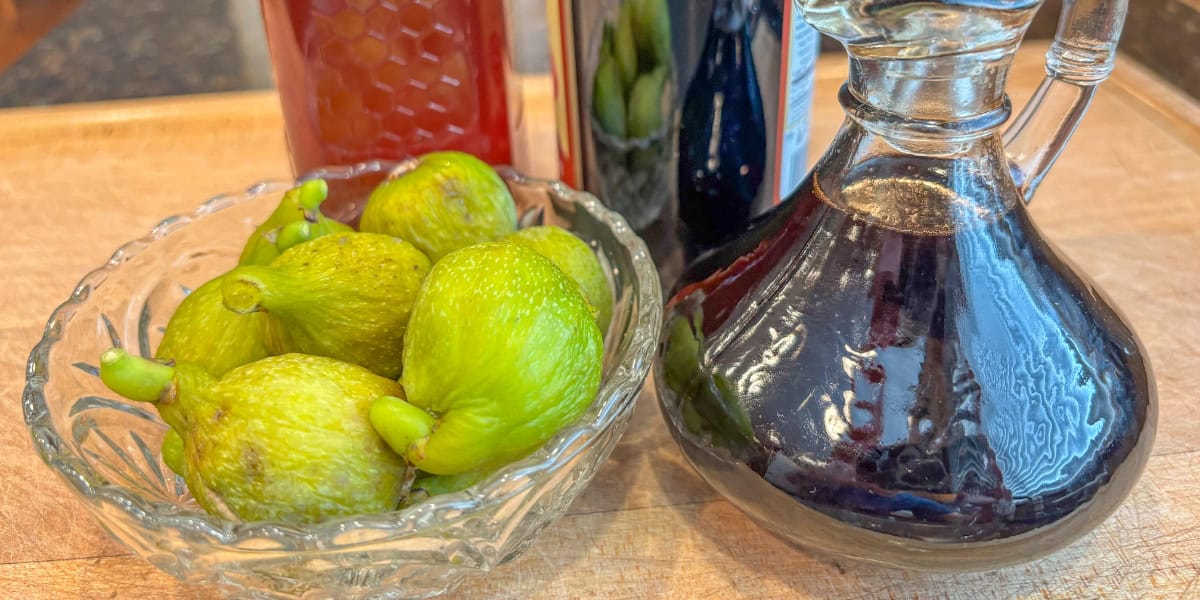
If you’ve ever drizzled fig balsamic vinegar over a cheese board and wondered how to make fig balsamic vinegar yourself, you’re in for a treat. This easy fig balsamic vinegar recipe turns a handful of pantry staples into a rich, slightly sweet, tangy condiment that tastes like it came from a gourmet specialty shop. Whether you’re working through a late-summer glut of fresh figs from the garden or reaching for a bag of dried figs from the pantry, this homemade fig balsamic vinegar comes together in about 30 minutes with no canning experience required. It’s a wonderful addition to the Preserving and Canning Ideas on the blog, and it makes a gorgeous handmade gift for the foodies in your life. Let’s get started!
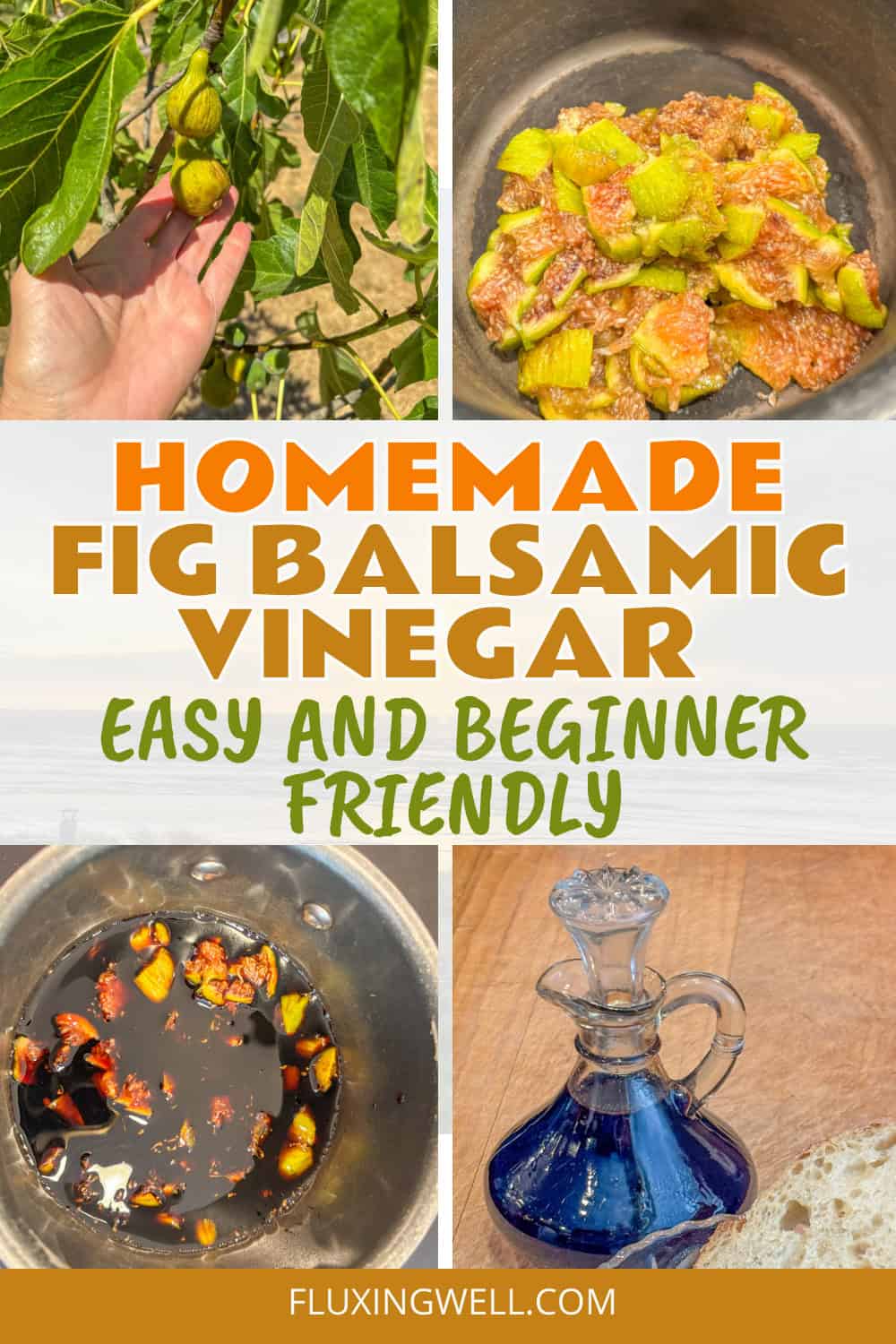
My Fig-Growing Backstory
We only have one fig tree in our orchard. In years past, it has produced small figs that fell off before ripening. This year, I decided to give it some extra attention and watered it regularly during the warm months. Voila! The tree produced a harvest of delicious, ripe figs. When deciding what to make with these sweet little gems, I decided to make a fig balsamic vinegar, inspired by a tiny bottle of fig-flavored balsamic vinegar I had been given as a gift. So here’s my recipe. Read on for the simple ingredients and directions, then enjoy it for yourself or gift it to others.
Equipment You’ll Need to Make Fig Balsamic Vinegar
The best part about this recipe is that it doesn’t require any fancy equipment. Here’s what to pull out of the cupboard before you begin:
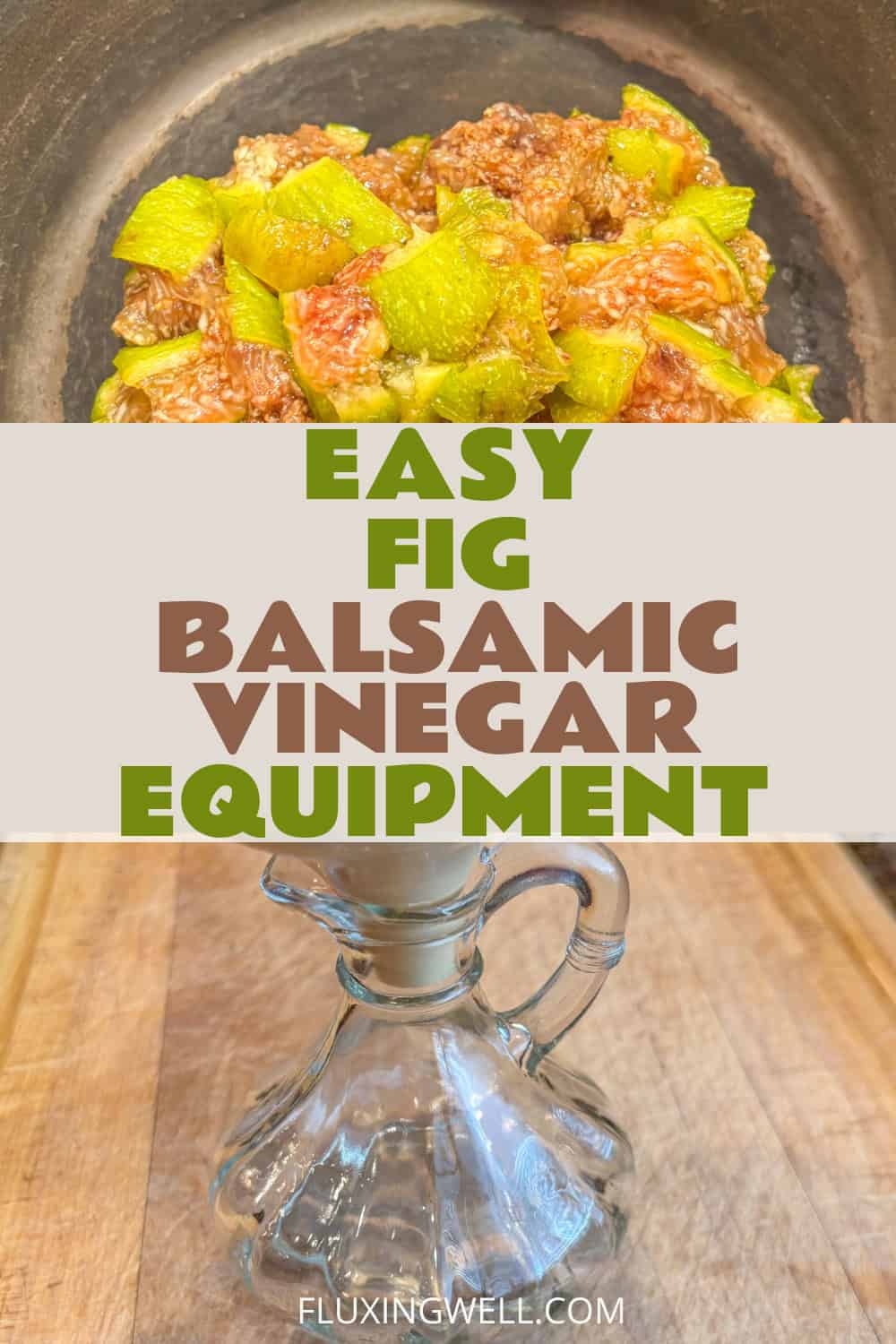
Small saucepan – for simmering the vinegar, figs, and honey together

Measuring cups and spoons – for accurate ingredient amounts

Cutting board and knife – for chopping fresh or dried figs

Wooden spoon – for stirring occasionally as the mixture simmers
Fine-mesh sieve or strainer – to strain the finished vinegar
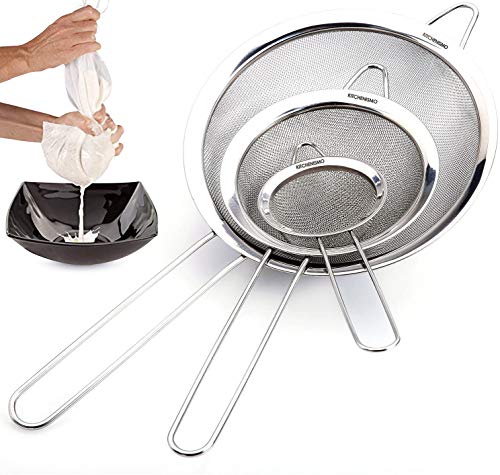
Small bowl or container – to catch the strained liquid

Clean glass jar or bottle with a tight-fitting lid – for storing the finished vinegar

Immersion blender (optional) – for a smooth, thicker variation instead of straining
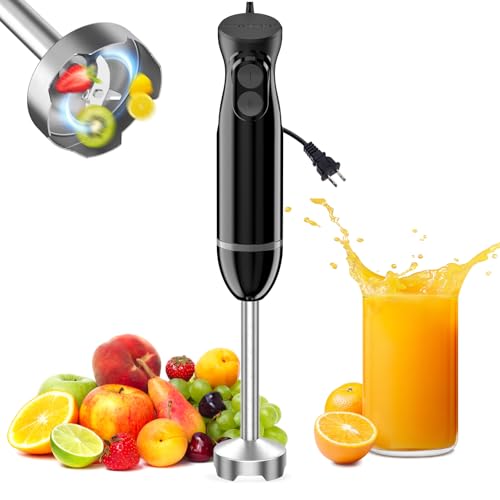
Canning equipment (optional) – a water bath canner, canning jars, lids, and a jar lifter if you’d like to preserve your fig balsamic vinegar shelf-stable

That’s it! Most of these items are already sitting in a well-stocked kitchen, which makes this a great first canning-adjacent recipe for beginning cooks.
Ingredients for Fig Balsamic Vinegar
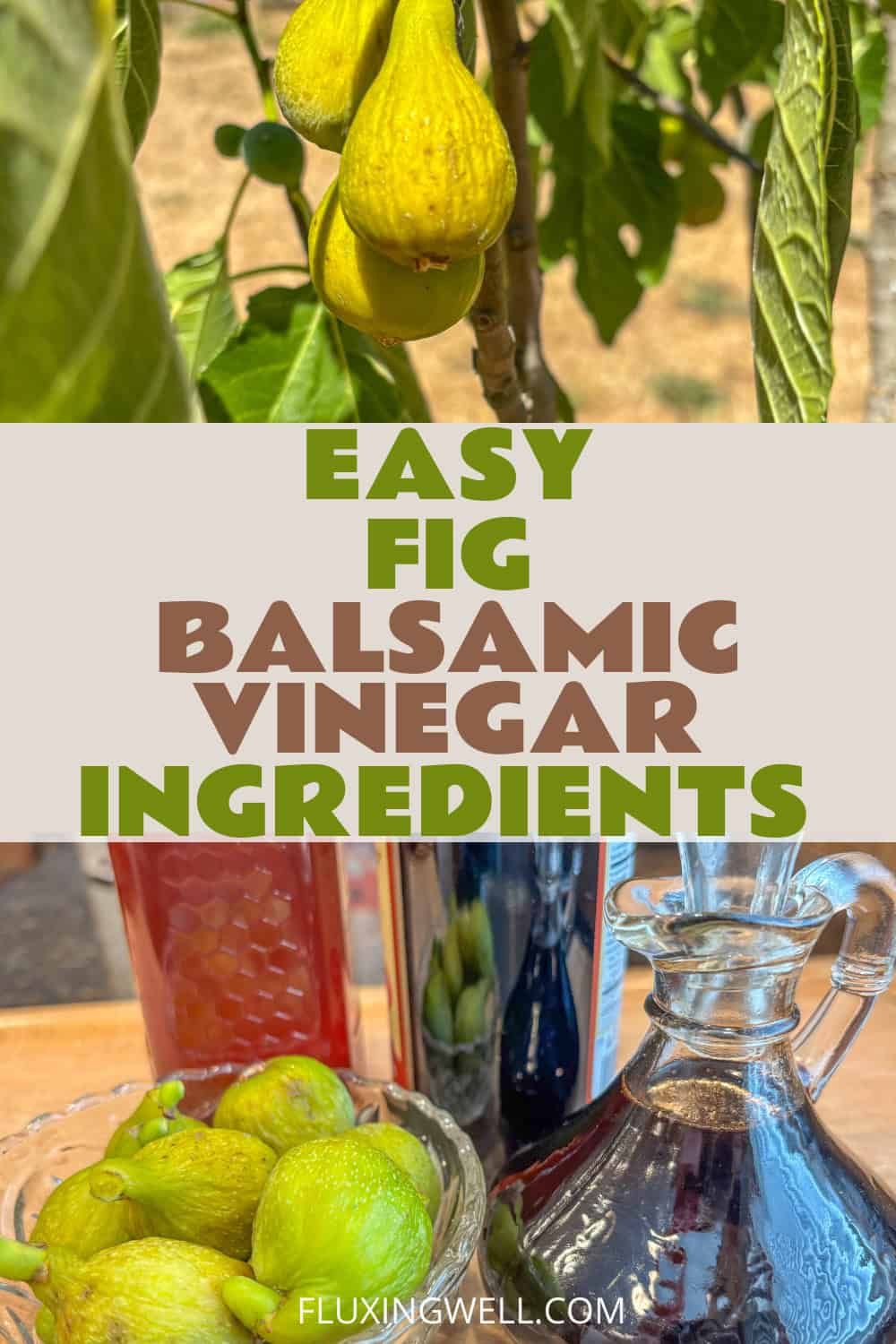
This easy fig balsamic vinegar recipe uses just four ingredients, with a fresh herb sprig as an optional flavor boost.
1 cup balsamic vinegar
6–8 fresh figs, stems removed and chopped, or ½ cup dried figs, finely chopped
2 tablespoons honey
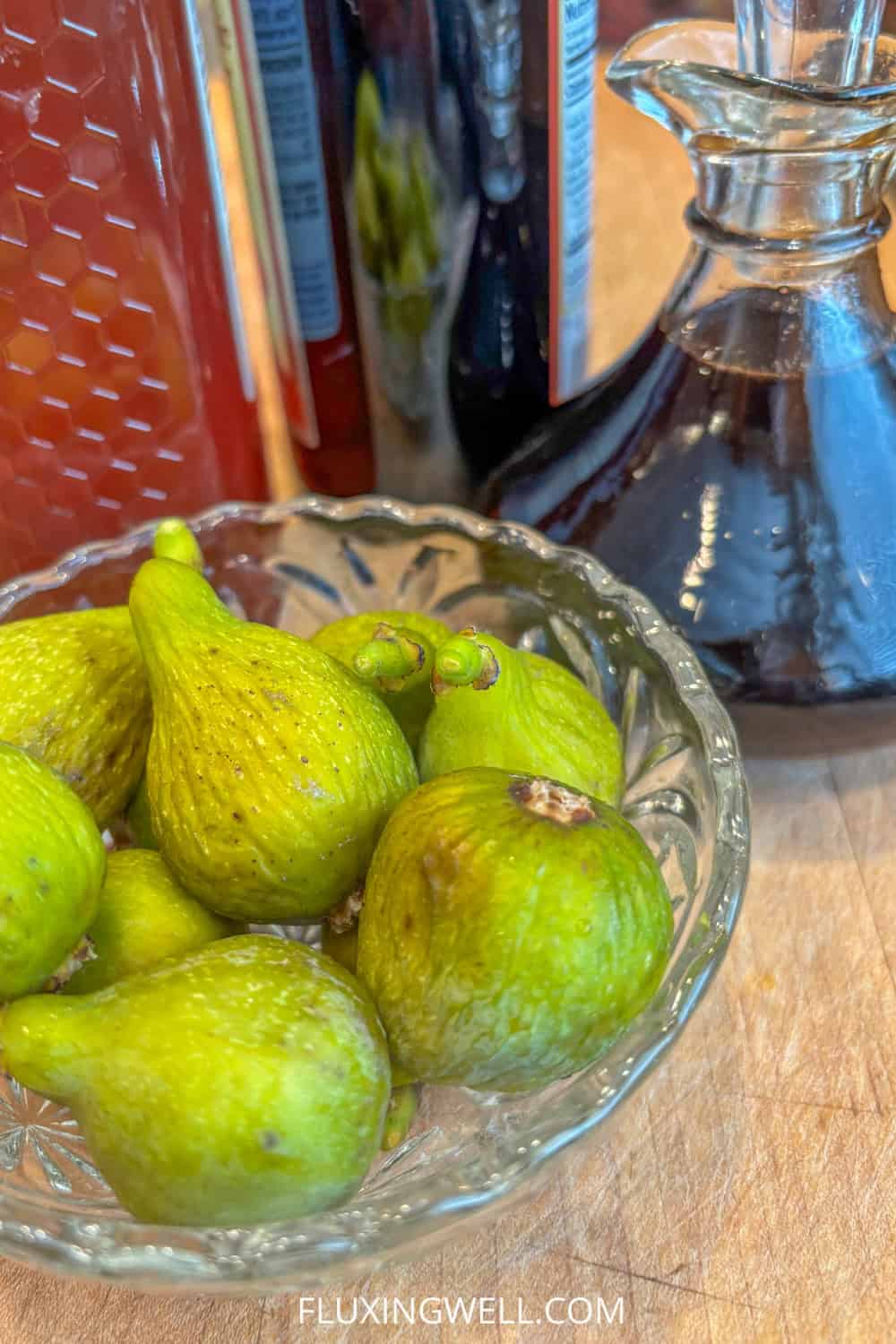
Fresh figs give the vinegar a jammy, delicate sweetness, while dried figs create a slightly deeper, more concentrated flavor. Both work beautifully, so use whichever you have on hand. If you’re growing figs at home or picking some up at the farmers market, this recipe is a fantastic way to use the extras.
How to Make Fig Balsamic Vinegar
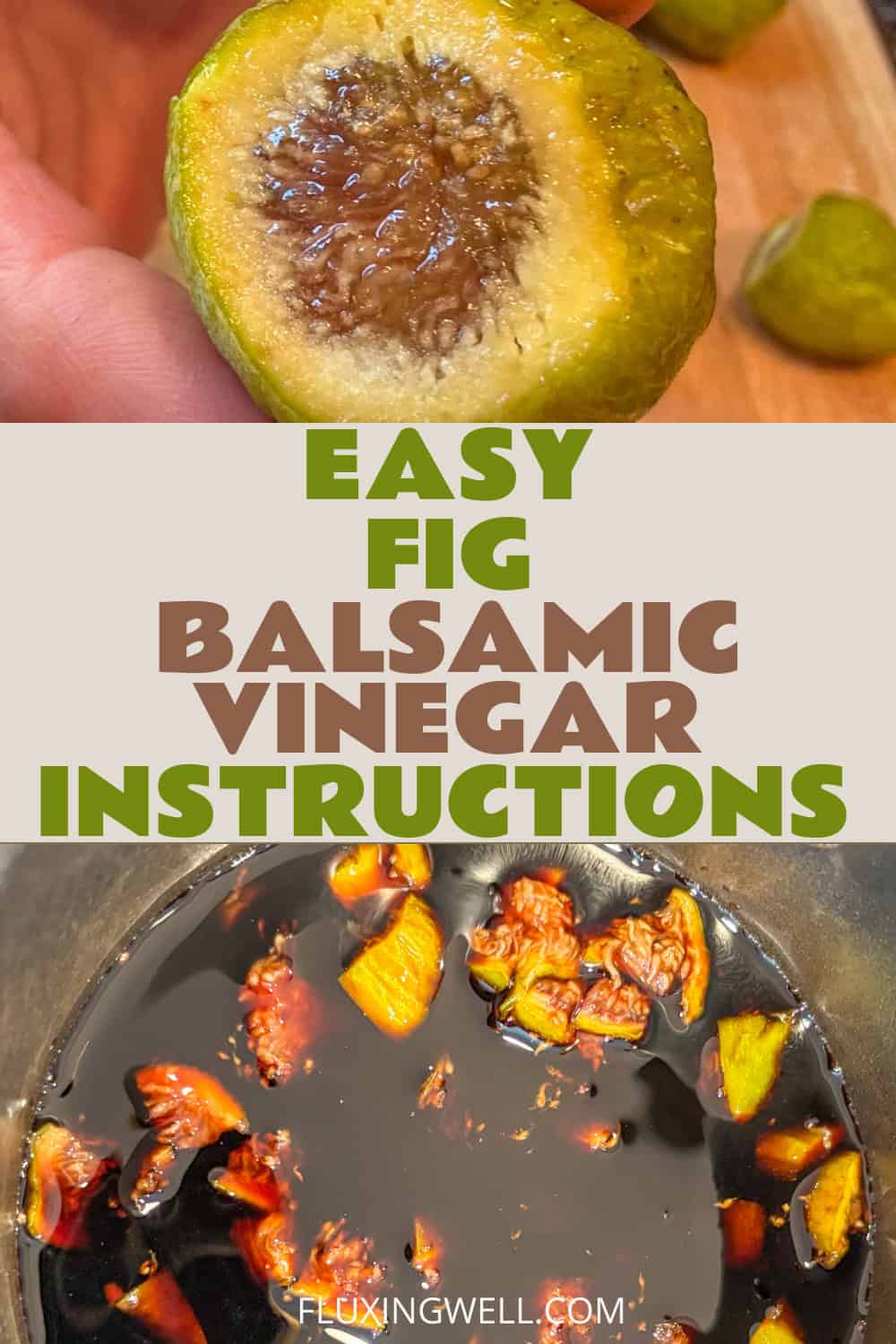
This recipe is simple enough for beginning cooks, and it comes together with just one pot and a handful of steps.
Combine the ingredients. Add the balsamic vinegar, chopped figs, and honey to a small saucepan.
Bring to a gentle simmer. Heat the mixture over medium-low heat until it just starts to bubble around the edges.
Simmer uncovered. Reduce the heat slightly and let the mixture simmer for 15–20 minutes, stirring occasionally. The figs will soften and the vinegar will thicken slightly as it reduces.
Strain the mixture. Pour the vinegar through a fine-mesh sieve set over a bowl, pressing on the softened figs with the back of a spoon to extract as much liquid as possible. Here’s the whole process in a short video tutorial.
Cool and store. Let the strained vinegar cool completely, then transfer it to a clean glass jar or bottle.
That’s the whole process. In under an hour, you’ll have a beautiful jar of homemade fig balsamic vinegar ready to use.
Optional Variation: Thicker Fig Balsamic Vinegar with an Immersion Blender
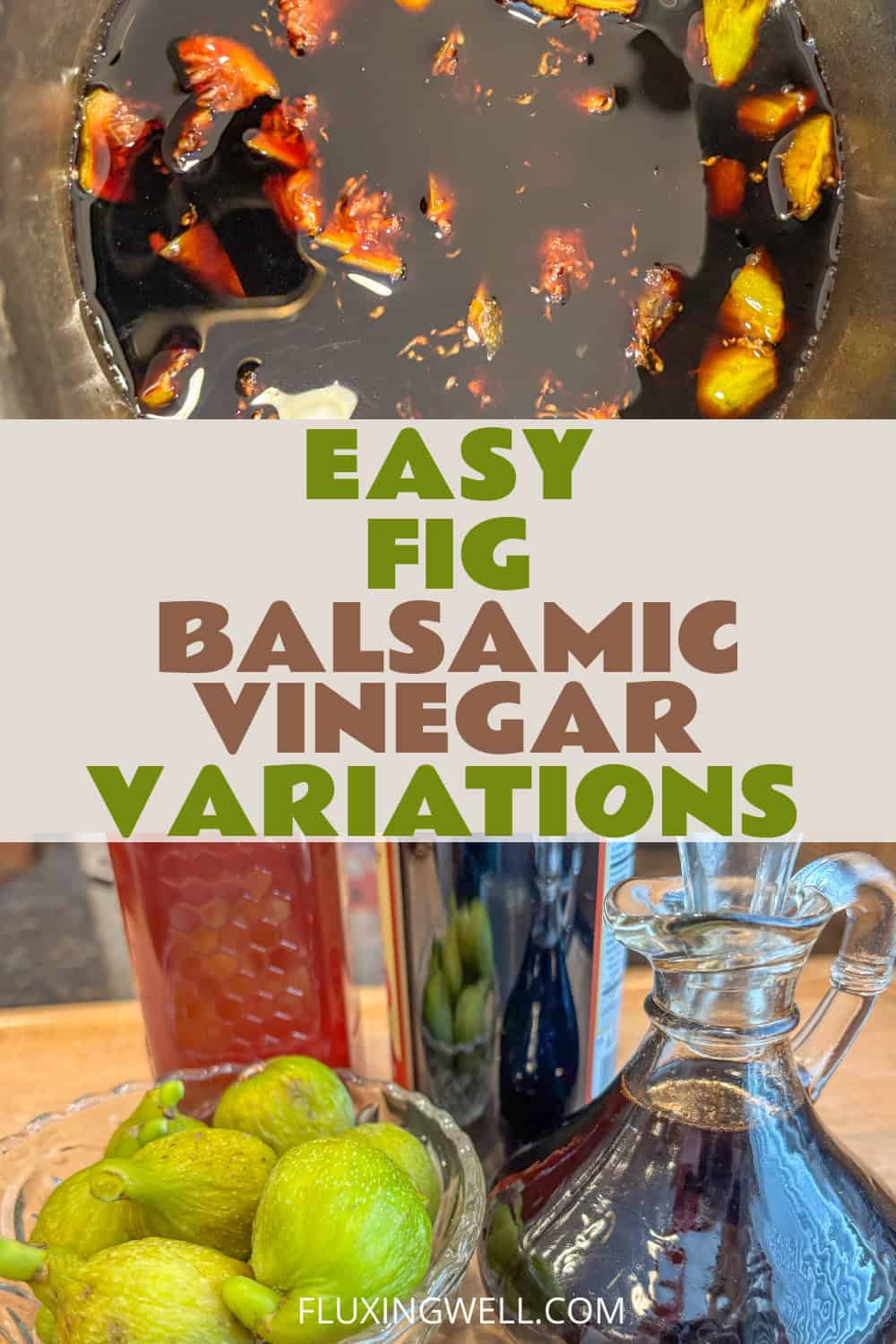
If you’d rather have a smooth, spoonable fig balsamic vinegar instead of a strained, pourable one, skip the straining step and reach for an immersion blender instead. Once the fig mixture has simmered and softened in step 3, simply blend it right in the saucepan until smooth. You will get about 1 and 1/2 cups when you use this method, so about 3 of those cute little 1/2 cup canning jars, perfect for gifting. This creates a thicker, glaze-like consistency that clings beautifully to roasted vegetables, grilled meats, crusty bread, or a cheese board. Here’s a video to show you exactly what to do.
An immersion blender is one of those kitchen tools that earns its keep quickly, and this is a perfect example of why. For even more ways to put yours to work — from thickening fruit syrup to smoothing out soups — check out 16 Brilliant Ways to Use an Immersion Blender in Recipes. If you don’t already own one, it’s worth adding to your kitchen tool collection.
Optional Canning Instructions for Fig Balsamic Vinegar
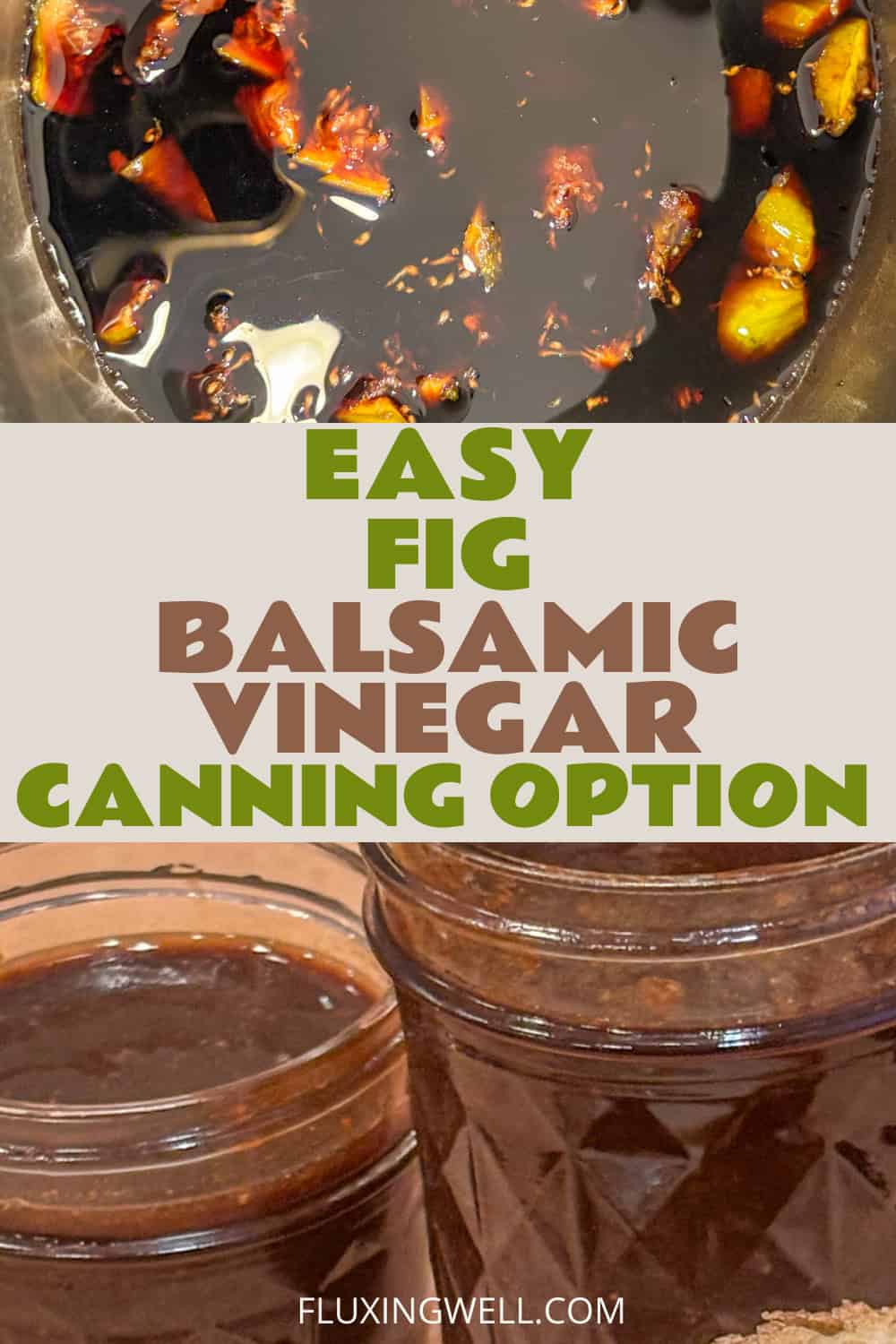
This recipe stores beautifully in the refrigerator, but if you’d like to preserve fig balsamic vinegar on the shelf, it can be processed in a water bath canner since vinegar is a high-acid ingredient. Here’s how:
Prepare your jars. Wash small canning jars (4-ounce or half-pint jars work well) and lids in hot, soapy water, then keep them warm until ready to fill.
Fill the jars. Ladle the hot, strained fig balsamic vinegar into the warm jars, leaving ¼ inch of headspace at the top.
Remove air bubbles. Run a thin spatula or bubble tool around the inside of each jar to release trapped air. (If you forget to do this, no problem. I often skip this step.)
Wipe and seal. Wipe the jar rims clean, place a lid on top, and screw on the band until fingertip-tight.
Process in a water bath. Process the jars in a boiling water bath canner for 10 minutes, adjusting for altitude as needed.
Cool and check seals. Remove the jars and let them cool undisturbed for 12–24 hours, then check that each lid has sealed before storing.
Properly sealed jars can be stored in a cool, dark pantry for up to a year. If a jar doesn’t seal, simply refrigerate it and use within 2–3 weeks. For non-canned batches, refrigerate in a clean, airtight container and use within about 2–3 weeks, or freeze in small portions for longer storage.
How to Use Fig Balsamic Vinegar
Once your fig balsamic vinegar (or thicker fig balsamic glaze) is ready, the fun part begins. My favorite combination is to dip crusty bread into it. You can also drizzle it over goat cheese, fresh figs, toasted walnuts, and arugula for an easy, elegant appetizer. It also makes a fantastic glaze for roasted Brussels sprouts, adding just the right balance of sweet and tangy to a simple side dish. Try it whisked into a vinaigrette, spooned over grilled chicken or pork, or drizzled on top of vanilla ice cream for an unexpected dessert twist.
Fig Balsamic Vinegar
Equipment
- 1 small saucepan
- Measuring cups and spoons
- Cutting board and knife
- 1 Wooden spoon
- 1 Fine-mesh sieve or strainer
- 1 Bowl or container
- 1 Clean glass jar or bottle with a tight-fitting lid For storing the completed vinegar mixture
- 1 Immersion Blender (optional) For a smooth, thicker variation instead of straining
- Canning equipment (optional) A water bath canner, canning jars, lids, and a jar lifter if you’d like to preserve your fig balsamic vinegar shelf-stable
Ingredients
- 1 cup balsamic vinegar
- 6–8 fresh figs stems removed and chopped, or ½ cup dried figs, finely chopped
- 2 tablespoons honey
Instructions
- Combine the ingredients. Add the balsamic vinegar, chopped figs, and honey to a small saucepan.
- Bring to a gentle simmer. Heat the mixture over medium-low heat until it just starts to bubble around the edges.
- Simmer uncovered. Reduce the heat slightly and let the mixture simmer for 15–20 minutes, stirring occasionally. The figs will soften and the vinegar will thicken slightly as it reduces.
- Strain the mixture. Pour the vinegar through a fine-mesh sieve set over a bowl, pressing on the softened figs with the back of a spoon to extract as much liquid as possible.
- Cool and store. Let the strained vinegar cool completely, then transfer it to a clean glass jar or bottle.
Thicker Fig Balsamic Vinegar with an Immersion Blender
- Once the fig mixture has simmered and softened in step 3, simply blend it right in the saucepan until smooth.
Optional Canning Instructions for Fig Balsamic Vinegar
- Prepare your jars. Wash small canning jars (4-ounce or half-pint jars work well) and lids in hot, soapy water, then keep them warm until ready to fill.
- Fill the jars. Ladle the hot, strained fig balsamic vinegar into the warm jars, leaving ¼ inch of headspace at the top.
- Remove air bubbles. Run a thin spatula or bubble tool around the inside of each jar to release trapped air. (If you forget to do this, no problem. I often skip this step.)
- Wipe and seal. Wipe the jar rims clean, place a lid on top, and screw on the band until fingertip-tight.
- Process in a water bath. Process the jars in a boiling water bath canner for 10 minutes, adjusting for altitude as needed.
- Cool and check seals. Remove the jars and let them cool undisturbed for 12–24 hours, then check that each lid has sealed before storing.
- Properly sealed jars can be stored in a cool, dark pantry for up to a year. If a jar doesn’t seal, simply refrigerate it and use within 2–3 weeks. For non-canned batches, refrigerate in a clean, airtight container and use within about 2–3 weeks, or freeze in small portions for longer storage.
Video
Notes
Other Food Preservation Ideas
Love to have a pantry or refrigerator well-stocked with home-grown goodness? Try making quick dill pickles (full-sized) by the quart, rhubarb orange jam, rhubarb pineapple jam, or blueberry raspberry jam. Make and store easy blueberry, raspberry, or blackberry syrup. Have an abundance of apples? Easy homemade applesauce is a great way to use a bountiful harvest. Are you blessed with a fabulous tomato crop? Create some homemade marinara sauce or salsa for delicious garden taste all year long.
More Food Inspiration
It’s always nice to have a plan when it comes to meals. If you’re looking for a way to get more organized with your meal-planning efforts, I’ve got something for you. Free, editable meal planners! The templates can be used over and over, as often as you need them. You can make as many duplicates as you like, and you’ll be able to save old meal plans for future reference. I hope it simplifies things for you.

Get my digital, editable, printable templates!
Homemade fig balsamic vinegar is one of those simple recipes that feels far fancier than the effort it takes to make. Whether you strain it for a classic drizzling vinegar or blend it into a thick glaze, it’s a wonderful way to make use of fresh or dried figs and dress up everything from cheese boards to roasted vegetables. Give it a try, and let me know your favorite way to use it!

Lisa Mitchell is a wife, mom, teacher, and former school librarian who likes to create and share recipes, often using fresh ingredients from her family’s small Pacific Northwest farm. To get more easy recipes, click on over to the Food page.
Want more great garden, food, or travel ideas? Follow FluxingWell on Pinterest, Facebook, Instagram, and X for the latest posts, tips, and inspiration.
Thank you for this delicious homemade fig balsamic vinegar recipe! I appreciate the list of equipment needed as well as the step-by-step instructions!
You are most welcome! I had fun making this fig balsamic vinegar recipe, and it came together so quickly.
This easy fig balsamic vinegar really is easy! It will make such a lovely hostess gift!
I’m so glad you like the recipe. I had fun making it and had it on garlic bread last night.
This fig balsamic vinegar is so yummy and simple! It definitely makes me look forward to finishing off my pizza crust when I can dip it into this delightful, tangy condiment. The figs and honey add just the right touch of sweetness.
I’m so glad you like the fig balsamic vinegar. It’s marvelous drizzled over slices of fresh mozzarella cheese as well.