
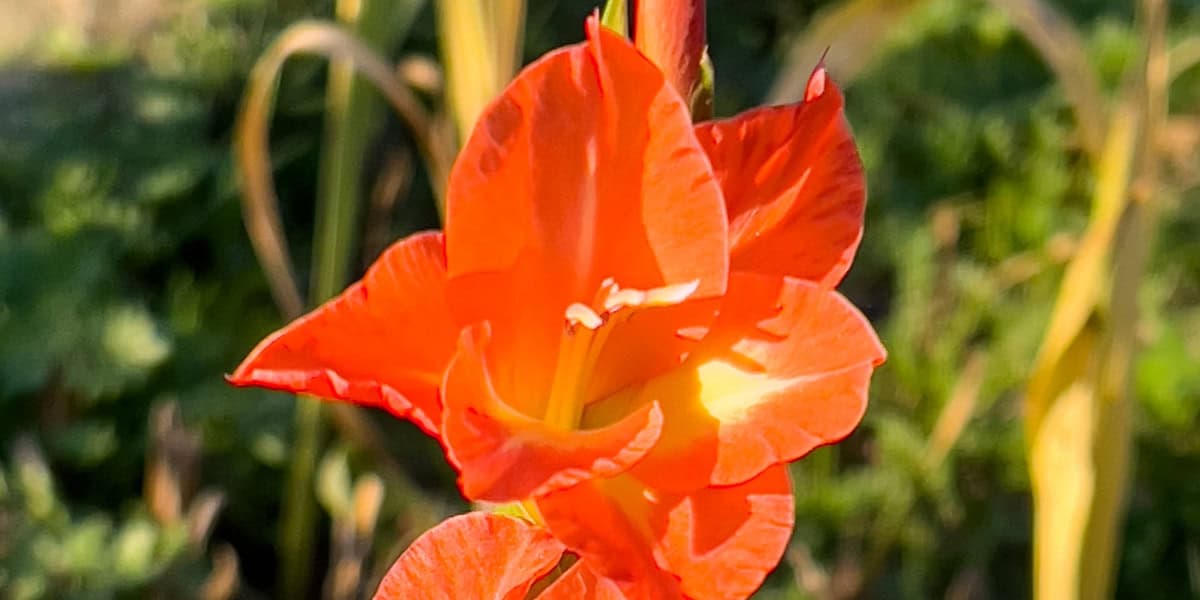
Gladiolus, sometimes called “glads,” are among the most striking flowers you can grow, adding bold color, height, and elegance to any landscape. Choosing the right gladiolus companion plants not only enhances the beauty of each gladioli flower, but also helps create a healthier, more vibrant gladiolus garden (my garden is in USDA Plant Hardiness Zone 8b) filled with complementary blooms, beneficial pollinators, and season-long interest. Whether you love a classic cottage garden, modern borders, or are inspired by the timeless gladiolus flower aesthetic, pairing these stunning blooms with the right neighbors makes all the difference. In this guide, you’ll discover the best gladiolus flower garden ideas, learn when to plant gladiolus for the best display, find plants to avoid, explore beginner-friendly growing tips, identify common pests and diseases with simple remedies, and discover a few favorite books to help you grow beautiful gladiola flower displays year after year.
Why Gladiolus Are a Garden Favorite
There’s a reason gladiolus have been a cutting-garden staple for generations. Their tall flower spikes open gradually from bottom to top, so a single stem can give you weeks of color in a vase. They come in nearly every shade imaginable, from soft pastels to bold reds and purples, making them endlessly useful for matching a bouquet to any occasion. Gladiolus grow from corms rather than true bulbs, and under good conditions those corms multiply, so a modest planting this year can turn into a bigger, more colorful patch next season. Here are some of the gladiolus I have growing in my garden border.
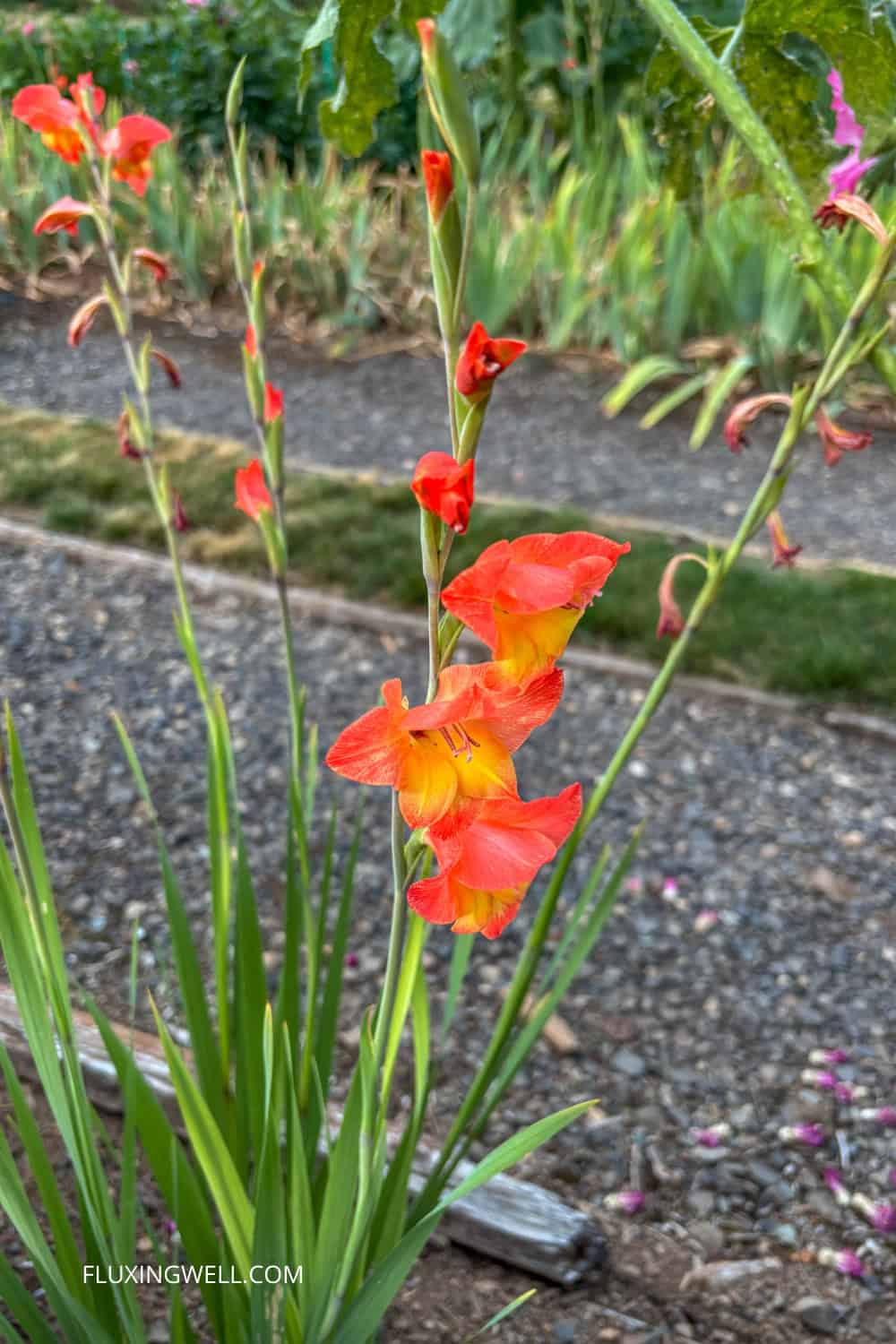
They’re also refreshingly low-fuss, asking only for full sun and well-drained soil. The first gladiolus I grew sprouted in the middle of my iris bed, which is not the best place for it. I have no idea how it got there. Because they grow upright rather than wide, gladiolus plants tuck neatly into narrow beds, along fences, or at the back of a cutting garden without crowding neighbors. That’s why I kept them in the iris bed. Their one quirk is a “leggy” habit; lower stems can look bare once blooms open higher up the spike, which is exactly where companion planting earns its keep. From that one gladiolus, I now have many gladioli, thanks to the tendency of the gladioli corms to multiply. I dug up the cluster of corms, pulled them apart, and planted them in other locations in my yard.
Best Gladiolus Companion Flowers (A–Z)
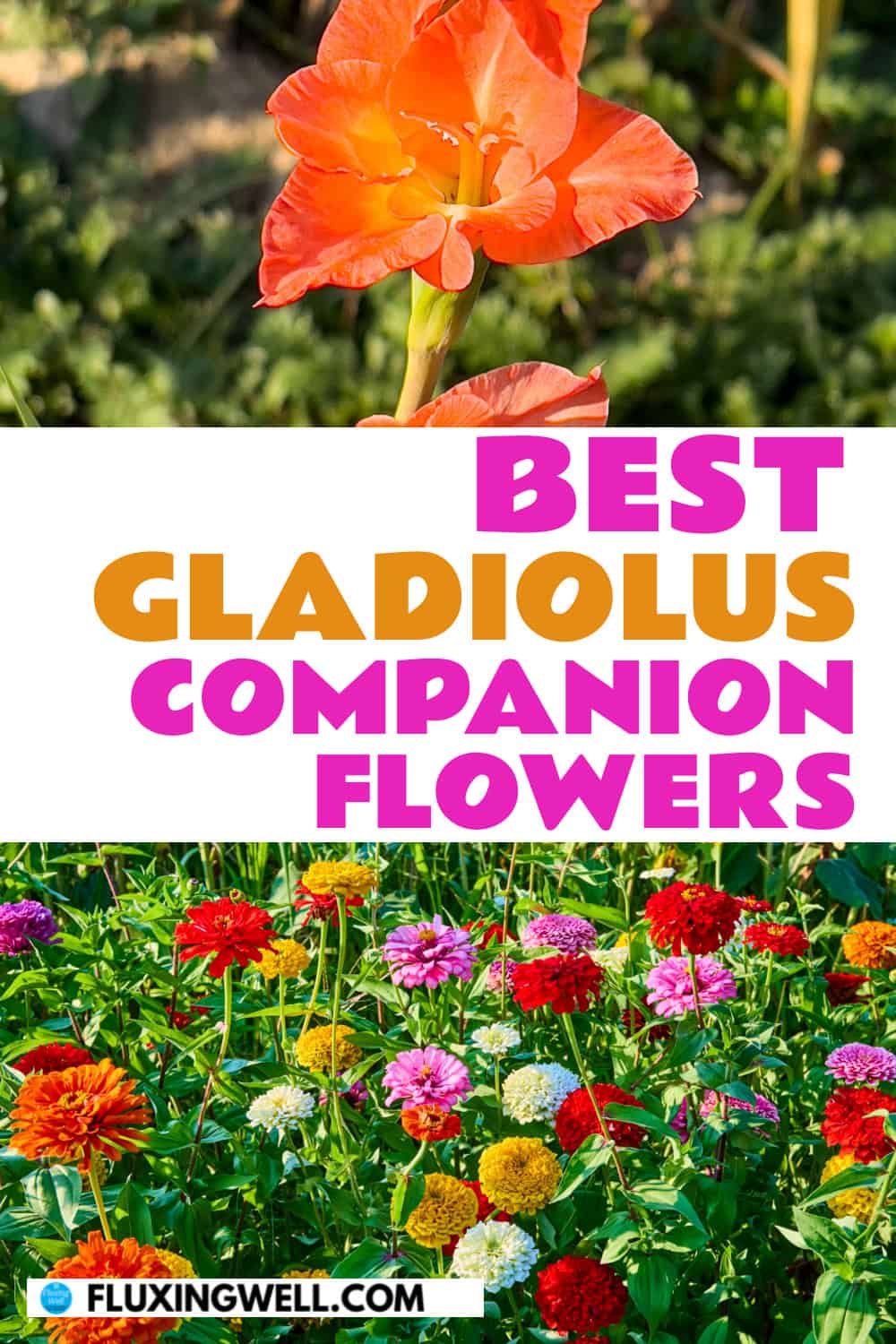
These flowering companions share gladiolus’s love of sun and well-drained soil, while filling in the gaps around those slender stems:
Asters: Daisy-like, late-season blooms extend color into fall once gladiolus finish flowering.
Baby’s Breath: Airy white clusters soften gladiolus’s bold lines and make lovely filler in bouquets.
Coreopsis: A cheerful, low-growing bloomer that hides bare lower stems for months.
Cosmos: Light, feathery cosmos contrast beautifully with dense spikes and draw in pollinators.
Dahlias: Perhaps the most popular gladiolus companion; bushy dahlia growth hides leggy stems, and both love summer heat.
Geraniums (Pelargonium): Sturdy, scalloped leaves and bright blooms fill gaps between corms at ground level.
Marigolds: A classic pest-deterring companion; their scent is thought to help confuse aphids and thrips.
Salvia: Vertical spikes echo the shape of gladiolus while attracting bees and hummingbirds.
Snapdragons: Another spiky bloomer, shorter and softer, for a natural transition from border to backdrop.
Sweet Alyssum: A low, spreading edger perfect for hiding bare “ankles” at the front of a bed.
Zinnias: Zinnias share gladiolus’s love of heat and make an equally long-lasting cut flower.
Best Gladiolus Companion Herbs (A–Z)
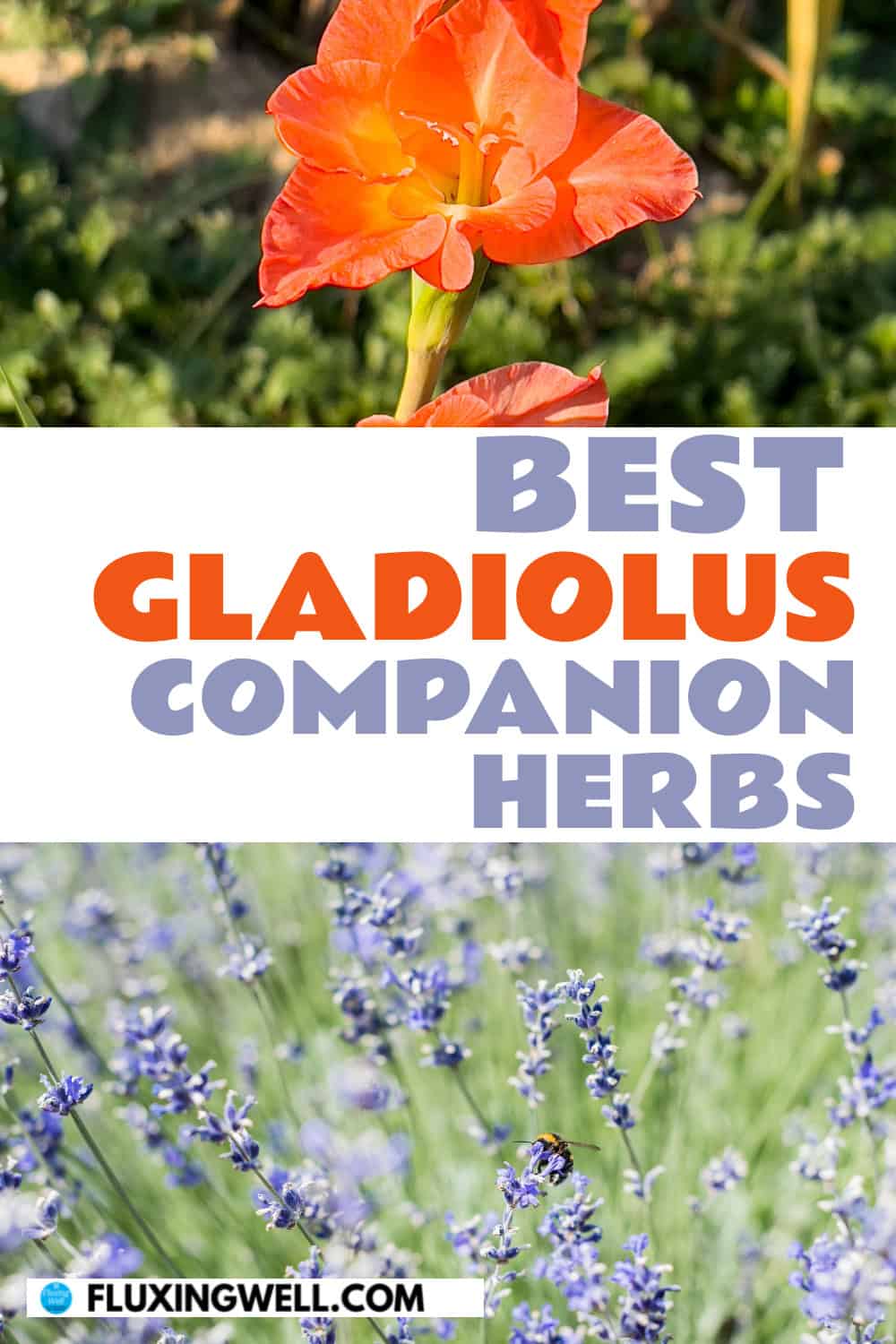
Herbs aren’t just for the kitchen garden. Many make excellent, pest-repelling neighbors for gladiolus:
Basil: Adds fragrance to the garden and is thought to help deter aphids and thrips near your gladiolus.
Chives: Like other alliums, chives have a pungent scent that can help keep pests at a distance, and their purple blooms complement gladiolus color palettes.
Dill: Tall, wispy dill attracts beneficial insects like ladybugs and lacewings that help keep thrips in check.
Garlic: An allium relative of chives, garlic’s strong scent offers similar pest-deterring benefits at ground level.
Lavender: A wonderful match since lavender wants the same intense sun and sharp drainage as gladiolus. The silvery foliage contrasts nicely with the sword-like leaves.
Oregano: Compact and low-growing, oregano fills in around the base of gladiolus while attracting pollinators.
Parsley: Lush, low greenery makes a soft filler at the feet of tall gladiolus spikes.
Rosemary: In warmer zones, rosemary’s woody structure and drought tolerance pair well with gladiolus’s sunny, well-drained requirements.
Thyme: A low, aromatic ground cover that helps retain soil moisture and deters some pests.
What Not to Plant with Gladiolus
A few plants can compete with gladiolus for nutrients, encourage disease, or simply need the opposite growing conditions. Here’s what to avoid, in alphabetical order:
Black Walnut Trees: Black walnuts release juglone, a natural chemical that can stunt or kill many nearby plants, gladiolus included.
Brassicas (Cabbage, Broccoli, Kale): These attract aphids and other pests that can spread to your gladiolus.
Hostas: Hostas want shade and consistently moist soil, the opposite of what sun-loving gladiolus need.
Iris: Iris prefers damper soil, which raises the risk of corm rot if the two are planted side by side, but I haven’t had a problem with gladiolus growing in my iris bed.
Mint (in open ground): Mint’s invasive roots will happily choke out gladiolus corms. If you love mint nearby, keep it in a container.
Potatoes and Tomatoes: Both are prone to thrips and other pests that can move over to your gladiolus, and they compete heavily for soil nutrients.
Quick Reference Gladiolus Companion Plants Chart
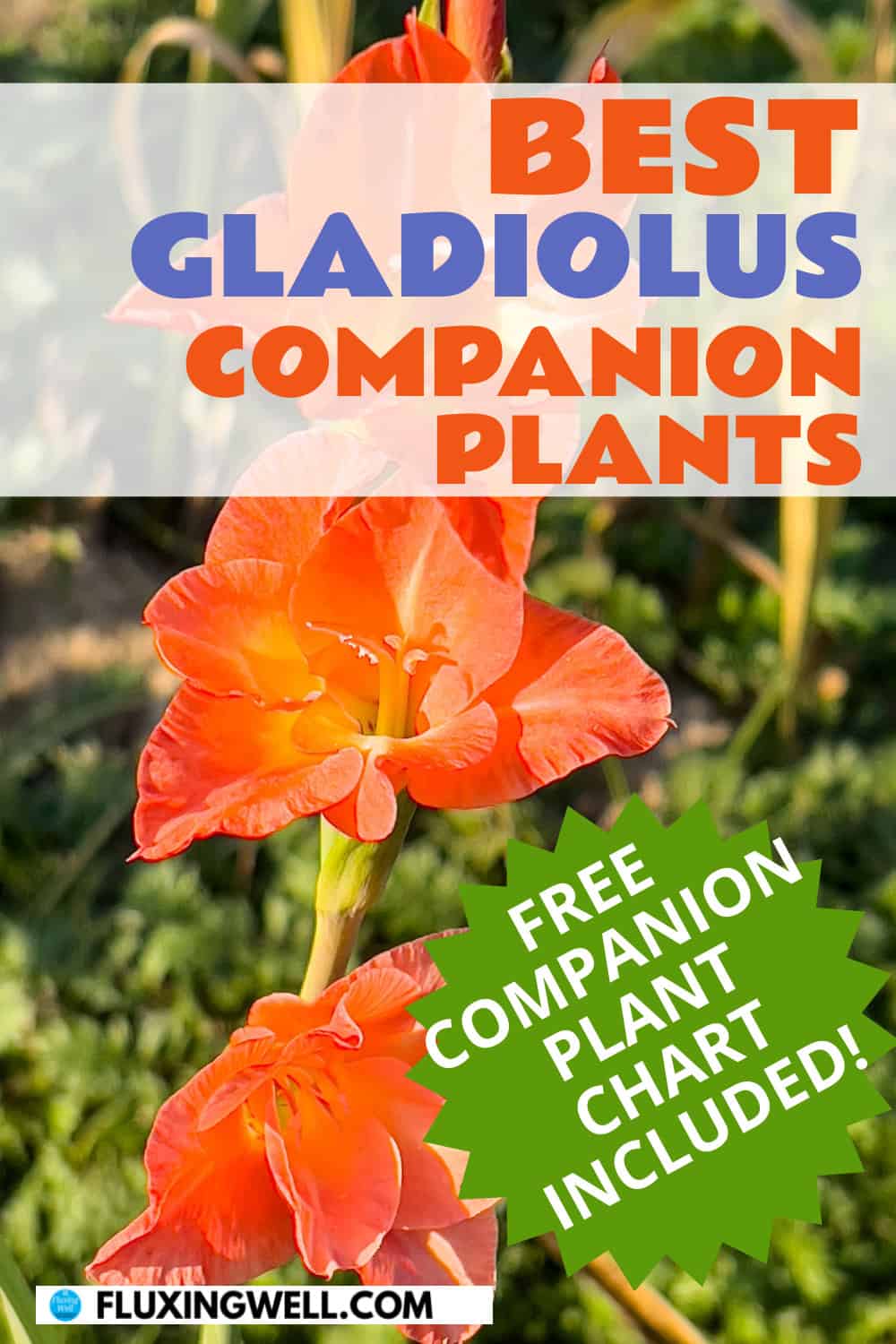
| Gladiolus Companion Plants | |
| Gladiolus Companion Plants: Flowers | Gladiolus Companion Plants: Herbs |
| Asters | Basil |
| Baby’s Breath | Chives |
| Coreopsis | Dill |
| Cosmos | Garlic |
| Dahlias | Lavender |
| Geraniums | Oregano |
| Marigolds | Parsley |
| Salvia | Thyme |
| Snapdragons | |
| Sweet Alyssum | Worst Gladiolus Companion Plants |
| Zinnias | Black Walnut Trees |
| Brassicas (cabbage, broccoli, kale) | |
| Hostas | |
| Iris | |
| Mint (uncontained) | |
| Potatoes | |
| Tomatpoes | |
Gladiolus Planting and Growing Tips for Beginners, Including When to Plant Gladiolus
Gladiolus are one of the friendliest flowers for a beginning gardener to try. Here’s how to get started in simple steps:
Pick a sunny spot. Gladiolus need at least six hours of direct sun and soil that drains well; soggy soil invites corm rot.
Loosen the soil. Dig down about 12 inches and mix in some compost to give the corms a fluffy, welcoming bed.
Wait for warm soil. Plant once all danger of frost has passed and the soil has warmed to around 55°F. *Note: In my USDA Garden Zone 8 (and if you live in Zones 9-10), corms may be planted in the fall as you divide the plants. That’s what I have done in the past, and it has worked well.
Plant the corms. Set each corm 4 to 6 inches deep with the pointy end facing up, spaced about 4 to 6 inches apart.
Water thoroughly. Give the bed a deep soak right after planting, then aim for about an inch of water a week through the growing season.
Plant in succession. For nonstop blooms all summer, plant a new batch of corms every two weeks from spring through early summer.
Feed and stake. Add a slow-release fertilizer once flower spikes appear, and stake taller varieties so summer winds don’t topple them.
Deadhead and enjoy. Snip spent blooms to keep the bed tidy, and cut flower spikes for bouquets once the lower blooms open.
Store corms if needed. In cold-winter climates, dig up the corms after the foliage dies back in fall and store them somewhere cool and dry over winter. I have never dug up the corms in our zone 8b garden, and the plants come back every summer.
Propagating Gladiolus
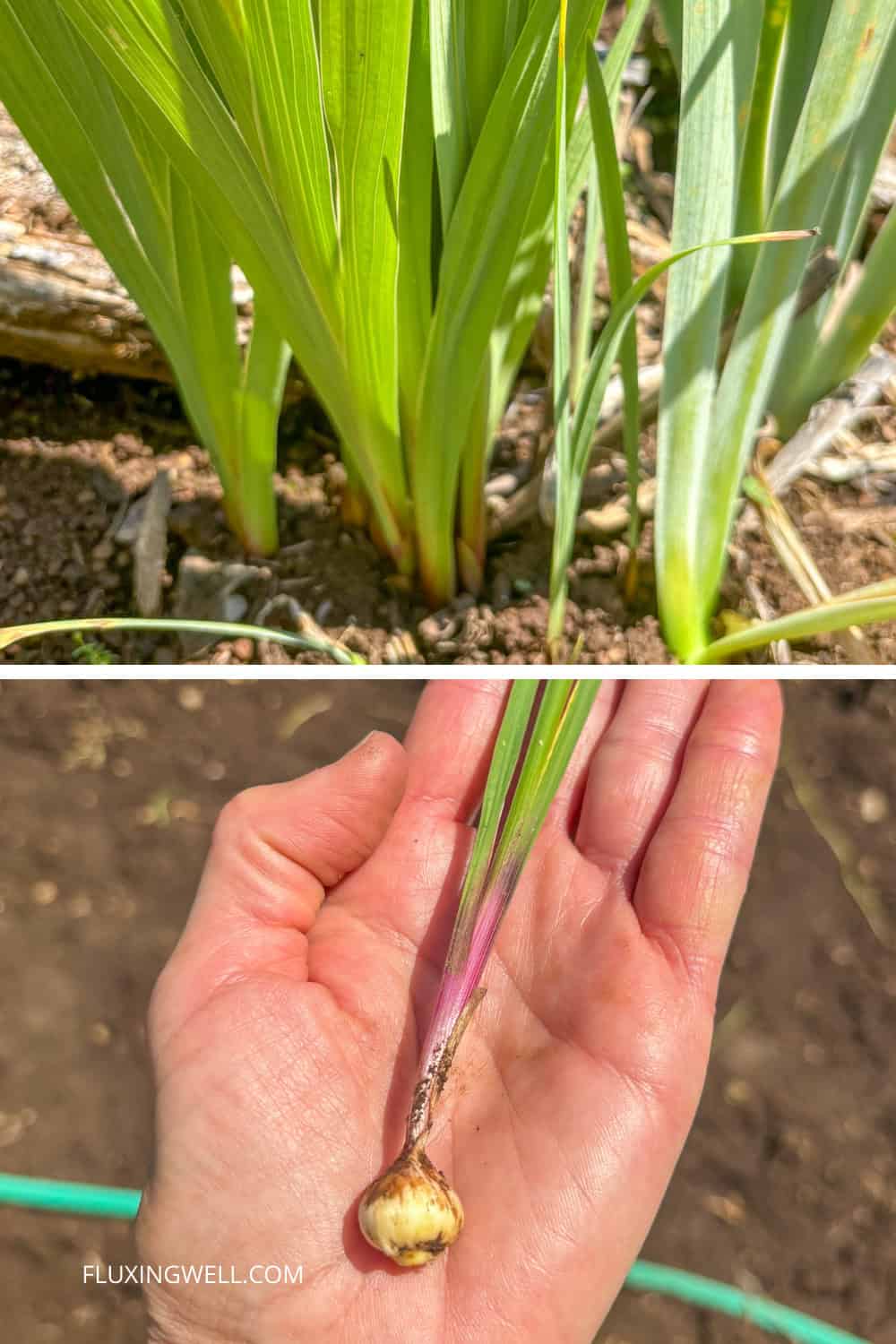
If you want to increase your supply of gladiolus blooms, you can easily divide the clumps into separate corms. Where I live, in USDA Plant Hardiness Zone 8, the winters are mild enough that I can divide and plant gladiolus corms in the fall. I separate the corms (each corm looks like a garlic bulb to me), then plant near a good companion plant. I like to plant the corms in borders where I need some summer color.
Common Pests and Diseases of Gladiolus (and Remedies)
Even easy-care gladiolus can run into a few problems:
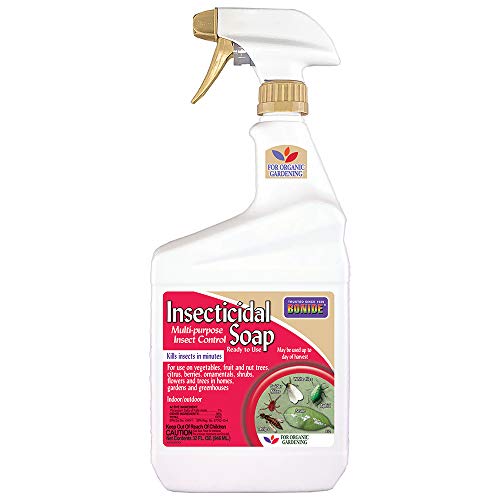
Thrips: The most common gladiolus pest, causing silvery streaks and distorted, discolored flowers. Treat with neem oil or insecticidal soap, and store corms over winter somewhere cool (35–40°F), since thrips can’t survive the cold.

Aphids: Soft-bodied insects that cluster on new growth and can spread viruses. Rinse them off with a strong spray of water, or use insecticidal soap and encourage ladybugs.
Botrytis Blight (gray mold): Fuzzy gray mold on flowers and leaves, worse in cool, wet weather. Remove infected material, space plants for airflow, and avoid overhead watering.
Fusarium Wilt: A soil-borne fungus causing yellowing leaves and corm rot, with no cure once infected. Remove affected plants, start with healthy corms, and rotate planting spots.
Corm Rot: Soft, mushy corms and stunted growth usually mean overwatering or poor drainage. Prevent it with well-draining soil and dry storage.
Slugs: These chew ragged holes in young foliage. Try natural slug control methods like iron phosphate bait or diatomaceous earth.

Popular Books About Growing Gladiolus
If you’d like to dig deeper into gladiolus history and cultivation, these titles are worth a look:
The Complete Book of the Gladiolus by Lee M. Fairchild: a classic guide to gladiolus history, varieties, planting, and pest prevention.
The Gladiolus: Its History, Species and Cultivation by John Lewis Childs: a short, historic reprint from one of the earliest American gladiolus breeders.
Gladiolus (All About Flowers series) by Harshita Joshi: a modern primer on growing gladiolus as a garden and cut-flower crop.

The Gladiolus: a reprint of a book published in 1911 exploring gladiolus’s botanical history and practical cultivation, from ancient origins to modern breeding.

Need More Planting Ideas?
Check out the tips for the best companion plants for eggplant to learn what to grow with those beauties. If you like the idea of companion planting, you might be interested in reading about the best companion plants for pumpkins, irises, sunflowers, garlic, asparagus, rosemary, radishes, beetroot (beets), thyme, parsley, lupine, borage, stevia, kale, lemon balm, asters, or the best companion plants for lavender. Get tips for growing stunning dahlias or vintage roses. Are you a beginning gardener? Try planting some foolproof, easy-care perennials, or learning about the best companion plants for columbine. There are so many exciting plants to grow!
Keep Track of Your Garden with a Journal Logbook
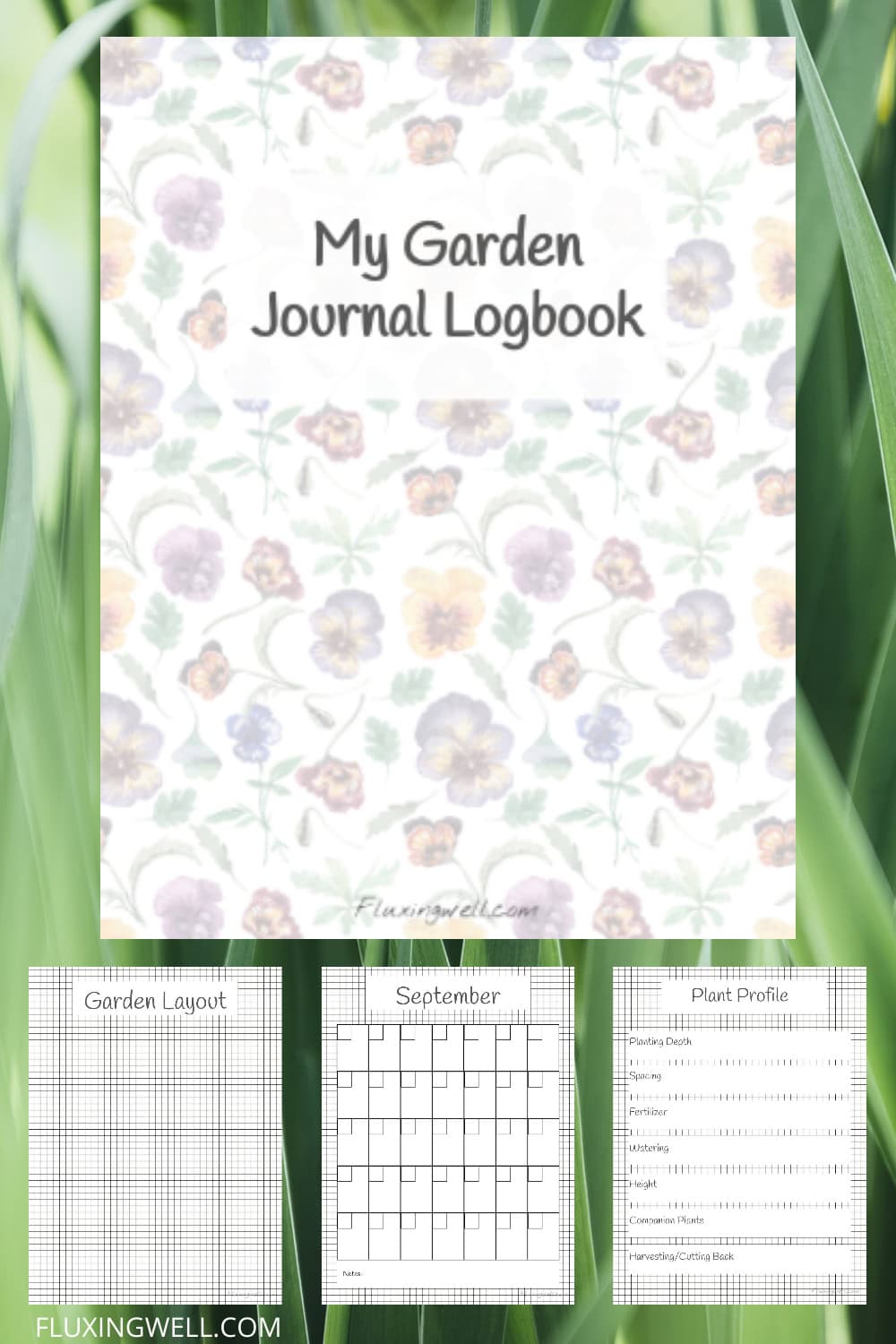
Now that you have learned about some compatible companion plants, keep track of your planting ideas, goals, and plans with a printable, editable free garden journal logbook. Choose the pages you want to use and customize them as you wish to record monthly, weekly, and daily garden tasks, lists, weather, and planting arrangements. There are also grid pages for easily designing the layout of your vegetable garden, flower garden, or landscape. Print it out and put it into a notebook you can take with you to the garden (that’s what I do). It’s nice to have all of your garden information in one place.
Get the garden journal logbook!
Free Online Garden Planner Layout Template
Now that you know which are the best companion plants for echinacea, you might need a way to plan your garden layout. Whether you are planting vegetables, flowers, or herbs near your lupine plants, this online garden planner can help you visualize your design and bring it to life. Arrange and rearrange the plants over and over, then print the layout when you are satisfied. With garden tasks that need your attention, this is one way to save time.

It’s fully customizable when you make your own copy and includes two editable chart pages for noting planting specifications.
Get my free online garden layout planner template!
Gladiolus bring so much drama and color to a summer garden, and with the right companion plants, they’ll look just as good from the ground up as they do in a vase. Happy planting, and may all of your gladiolus-growing endeavors meet with success!

Lisa Mitchell is a wife, mom, and school librarian who likes to grow fruit, herbs, vegetables, and flowers on her family’s small Pacific Northwest farm. To learn more about what this website has to offer gardeners, click on over to the Garden page.
Want more great garden, food, or travel ideas? Follow FluxingWell on Pinterest, Facebook, Instagram, and X for the latest posts, tips, and inspiration.
Gladiolus flowers are pretty. I can see how they work in a garden and in flower beds.
Yes, and they are lovely to put in cut flower arrangements.
I love gladiolus! My mom has a lot of them in her garden. It was good to learn more about this wonderful flower. Thanks for this helpful article!
You are most welcome. How beautiful your mother’s garden must be. I’m so glad you liked the ideas.
Thank you for this helpful list of gladiolus companion plants. What a gorgeous way to add a variety of color and beauty to my garden. I appreciate you included what not to plant with gladiolus as well!
You’re very welcome. I’m so glad you found the ideas helpful.
I always love your thoughtful gardening guides! Thanks for sharing this great information about gladiolus companion plants!
You are most welcome! If you have some gladiolus plants or know someone who does, you can divide and plant the corms in the fall.=)
Gladiolus flowers are so colorful! I like to put a spike or two in the middle of dahlia arrangements for a focal point. Great list of gladiolus companion plants!
Thank you! I have been very pleased with the way the glads have added a pop of late summer color to our garden.