
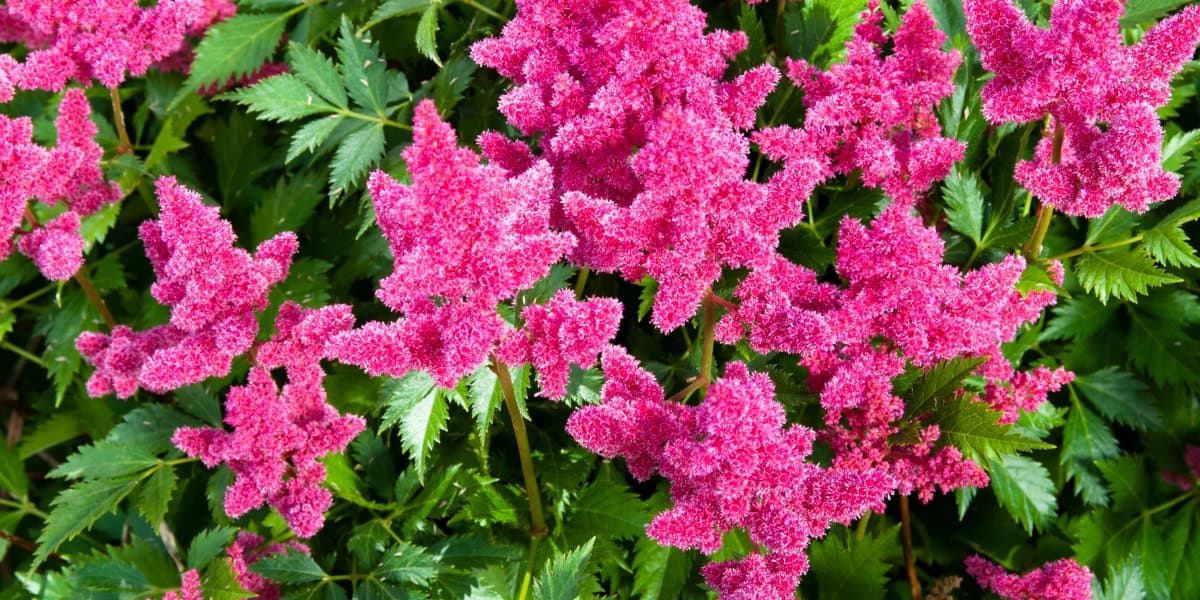
If you have a shady corner of the yard that never seems to bloom, astilbe might be exactly what you need. This feathery, plume-topped perennial is one of the most reliable shade garden plants around, and fall is one of the best times to tuck new plants into the ground. Below you’ll find why astilbe is a garden favorite, the best time and location to plant it, the best (and worst) astilbe companion plants, easy propagation steps for beginners, growth and care tips, common pests and diseases, a year-round care chart, FAQs, and a few popular books to add to your shelf. Let’s get started!
Why Astilbe Is a Garden Favorite
Astilbe earns its favorite-plant status because it does the one thing so many shade plants can’t: it blooms, and it blooms beautifully. Instead of relying only on foliage, astilbe sends up tall, feathery plumes in shades of white, pink, red, purple, and burgundy from early to late summer, depending on the variety.
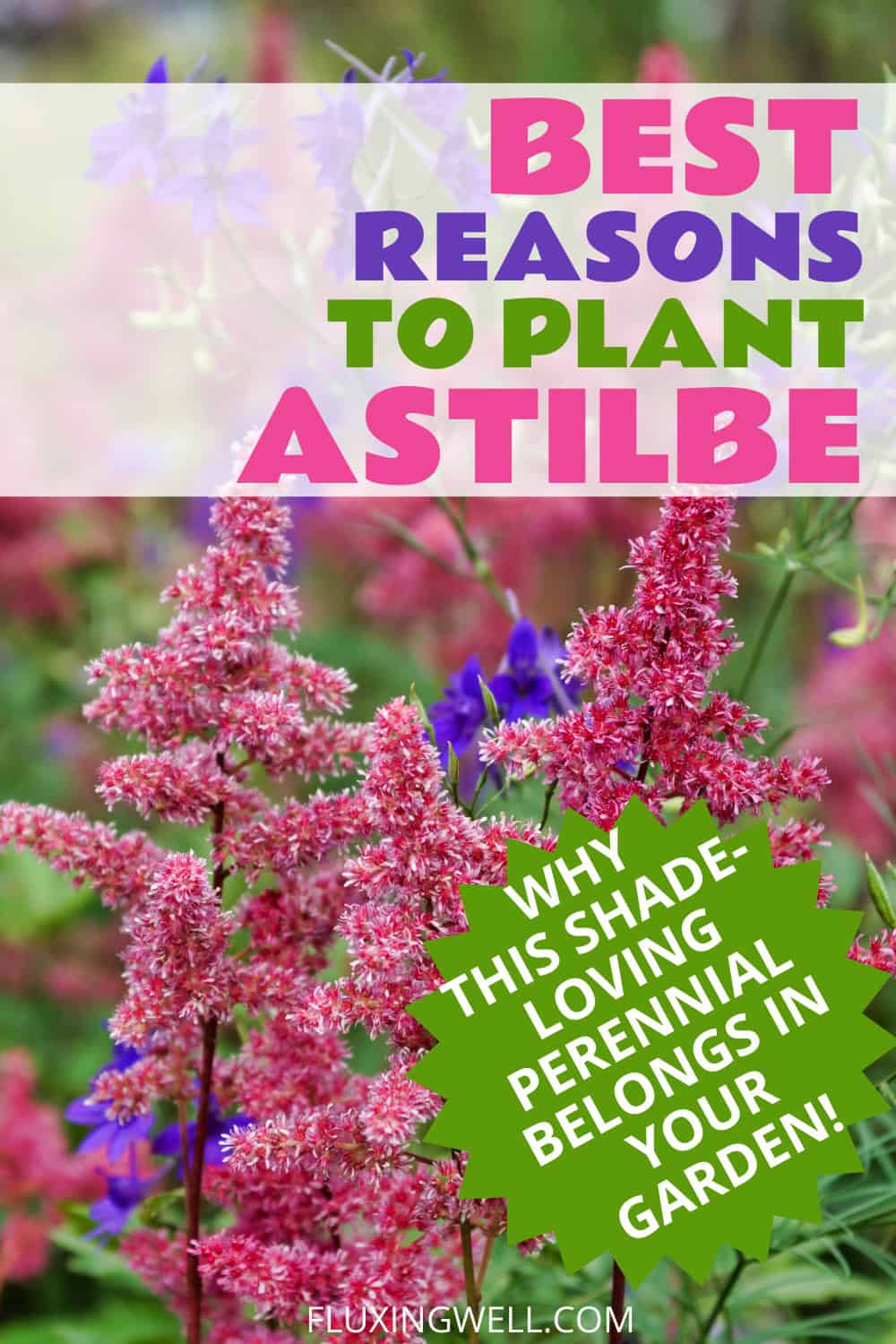
The fern-like foliage looks lovely before and after the bloom, adding texture to a shade bed all season. Astilbe is also low-maintenance, rarely bothered by deer or rabbits, and returns reliably year after year in USDA Plant Hardiness Zones 3-8. For anyone gardening in the Pacific Northwest, as I do, astilbe is a dependable way to bring color into the shady, moist spots where sun-loving flowers won’t cooperate.
Best Time to Plant Astilbe
Fall is an excellent time to plant astilbe, ideally about six weeks before your first hard frost. This gives roots time to establish in the cooling soil before winter dormancy, so the plant is ready for vigorous growth the following spring. Cooler fall temperatures also mean less transplant stress and less watering than a summer planting would require. If fall planting isn’t an option, early spring is the next best time, once soil is workable and before summer heat arrives. Avoid planting during the peak of summer, since establishing roots in hot, dry conditions can set new plants back.
Best Location to Plant Astilbe
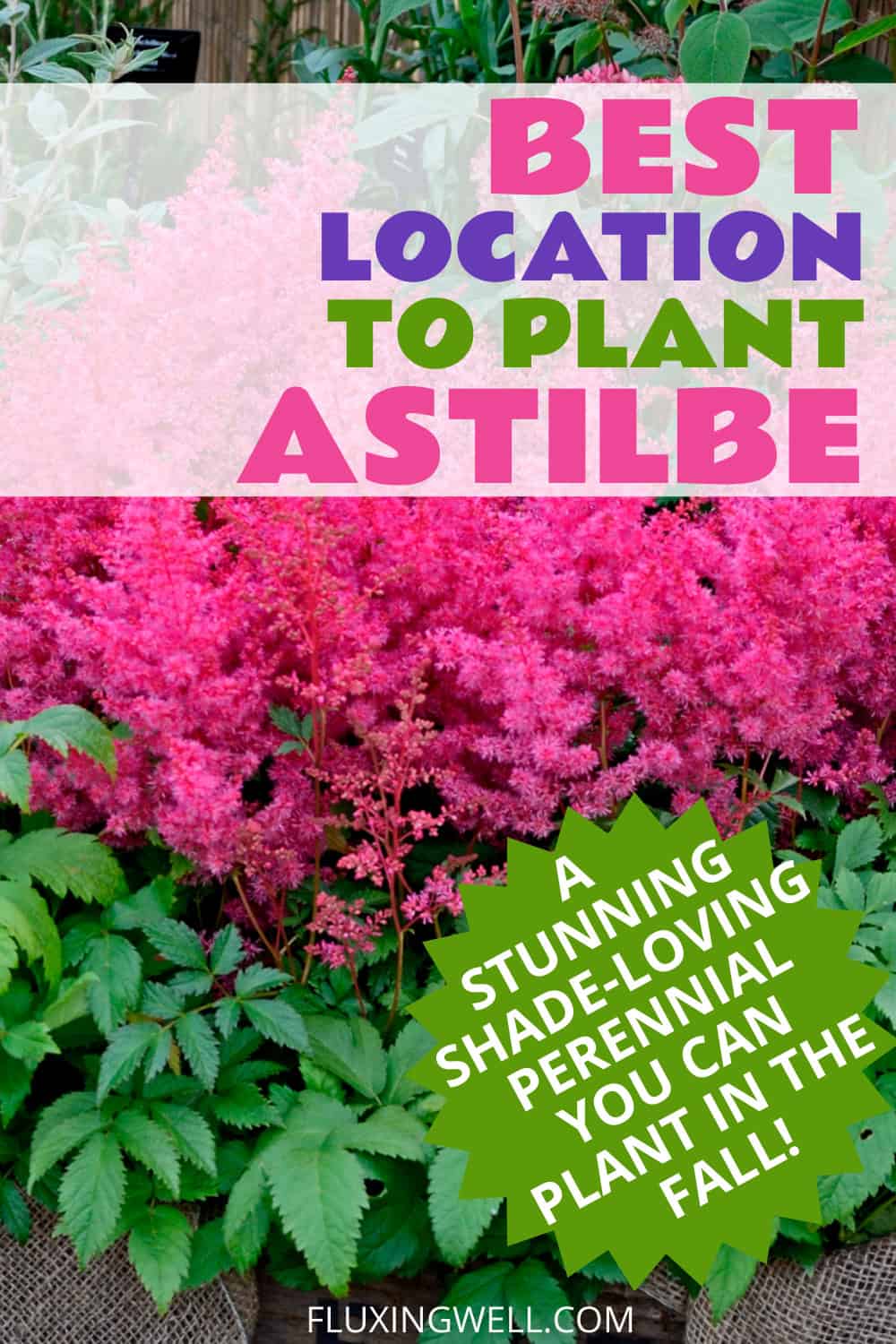
Astilbe thrives in partial shade with a few hours of morning sun or dappled light. Full, deep shade produces smaller plants with fewer blooms, while too much hot afternoon sun can scorch delicate foliage unless soil stays consistently moist. Rich, well-draining soil that holds moisture is key, since astilbe isn’t drought-tolerant and will let you know quickly with crispy, browning leaf edges if it dries out. Areas near downspouts, along pond edges, or under high-canopy trees are often ideal. Raised beds or containers work too, as long as you stay on top of watering.
Best Companion Plants for Astilbe
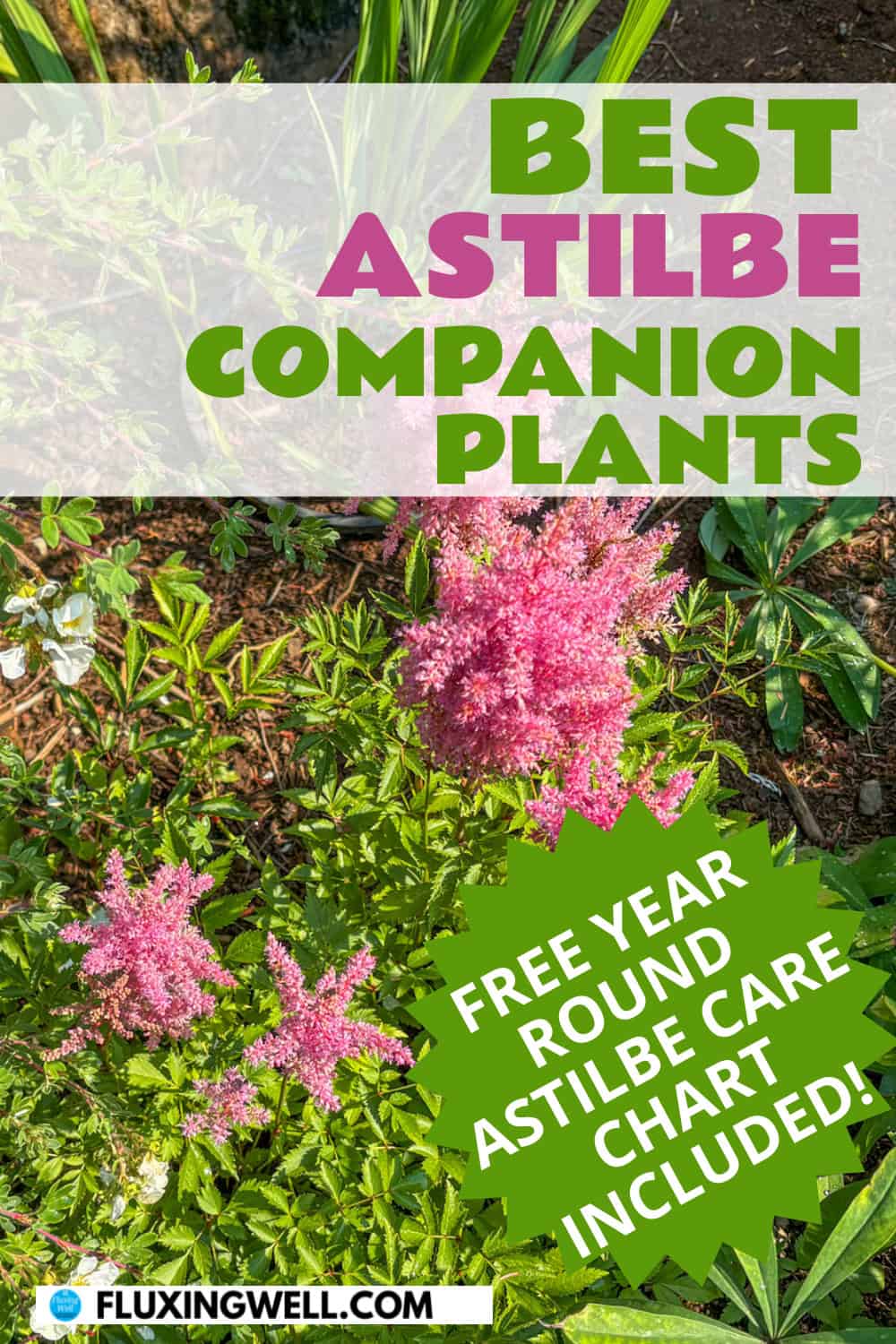
Pairing astilbe with plants that share its love of moist, part-shade conditions creates a lush, layered look in the garden. Here are some of the best astilbe companion plants, listed alphabetically:
Bergenia: Bold, glossy foliage contrasts nicely with astilbe’s feathery texture.
Bleeding Heart (Dicentra): Delicate, arching blooms pair beautifully with astilbe’s plumes.
Brunnera: Heart-shaped leaves and blue flowers add early-season interest.
Coral Bells (Heuchera): Colorful foliage adds year-round texture near astilbe.
Daylily: Part-shade varieties add color and bloom succession through summer.
Ferns: A classic pairing; ferns echo astilbe’s feathery look.
Foxglove: Tall spires add vertical interest and similar bloom timing.
Hakonechloa (Japanese Forest Grass): Cascading texture contrasts with astilbe’s upright form.
Hosta: The classic companion; broad leaves balance astilbe’s fine texture.
Hydrangea: This shrub adds height and structure behind lower astilbe.
Ligularia: Bold leaves and bright spikes contrast a shade bed.
Lungwort (Pulmonaria): Speckled foliage extends seasonal interest in the bed.
Solomon’s Seal: Arching stems add graceful movement near astilbe plumes.
Toad Lily: Late-season blooms keep the garden interesting after astilbe fades.
What Not to Plant with Astilbe
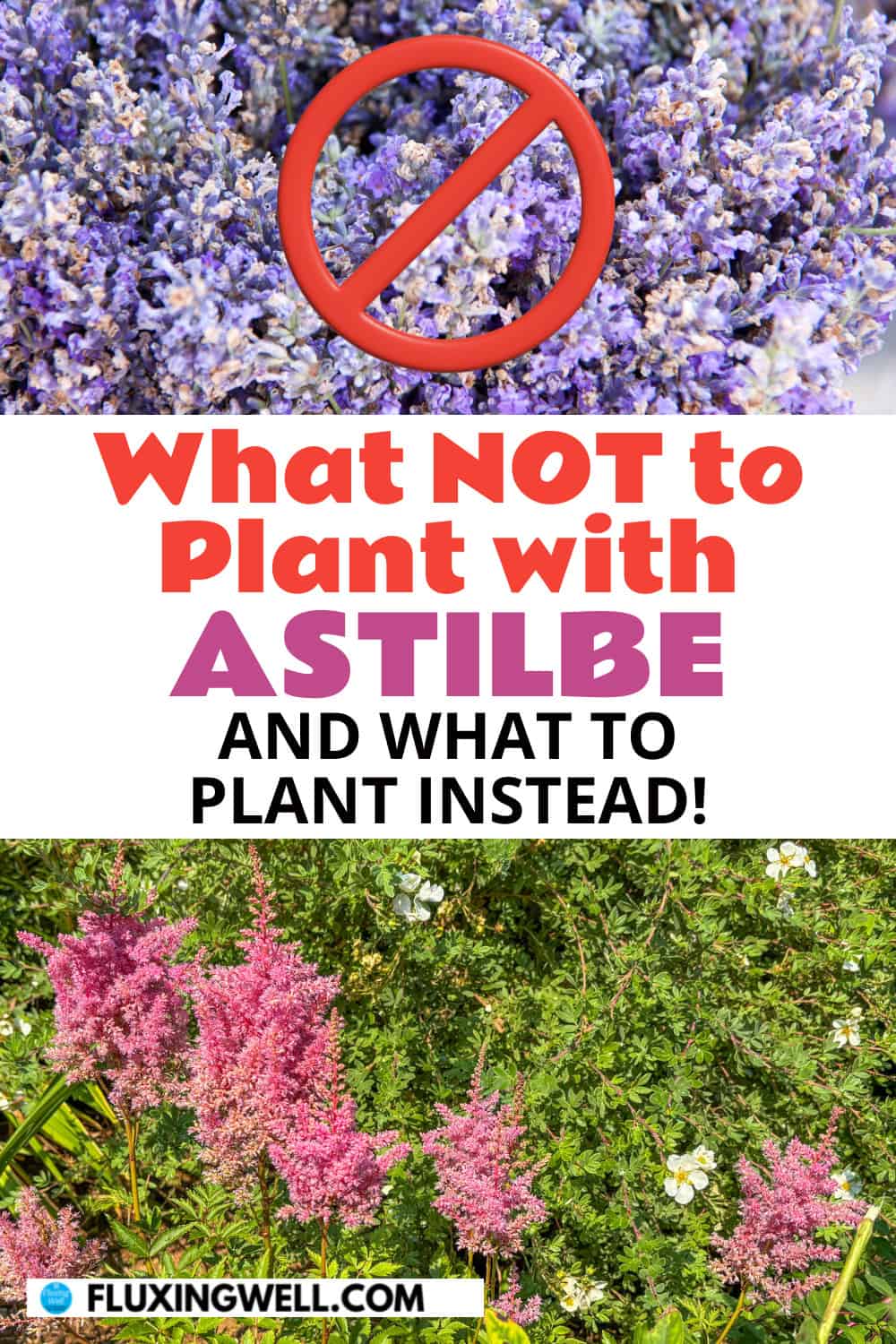
Because astilbe needs consistently moist soil and part shade, it doesn’t pair well with drought-tolerant, full-sun plants. Avoid planting it near lavender, rosemary, sedum, yucca, or Russian sage, which prefer dry soil and lots of direct sun and will likely struggle or rot in the damp conditions astilbe loves. Aggressive spreaders like mint or bamboo can also crowd out astilbe’s roots and should be kept well away or contained. Shallow-rooted shade trees can compete with astilbe for the moisture it needs to thrive, too.
Propagating Astilbe: Easy Steps for Beginners

Astilbe is simple to propagate through division, and it’s a great project even for beginning gardeners. Here’s how:
Choose the right time. Divide astilbe in early spring, as new growth emerges, or in early fall.
Dig up the whole clump. Lift the entire root ball, digging a few inches out from the base to avoid damaging roots.
Separate the sections. Gently pull or cut the clump apart with a clean knife or spade, making sure each piece has healthy roots and one or two growth points (“eyes”).
Replant right away. Set each division into amended soil at its original depth, spacing plants 12-18 inches apart.
Water thoroughly. Give divisions a deep watering, then keep soil consistently moist for a few weeks while roots establish.
Common Pests and Diseases of Astilbe (and Remedies)
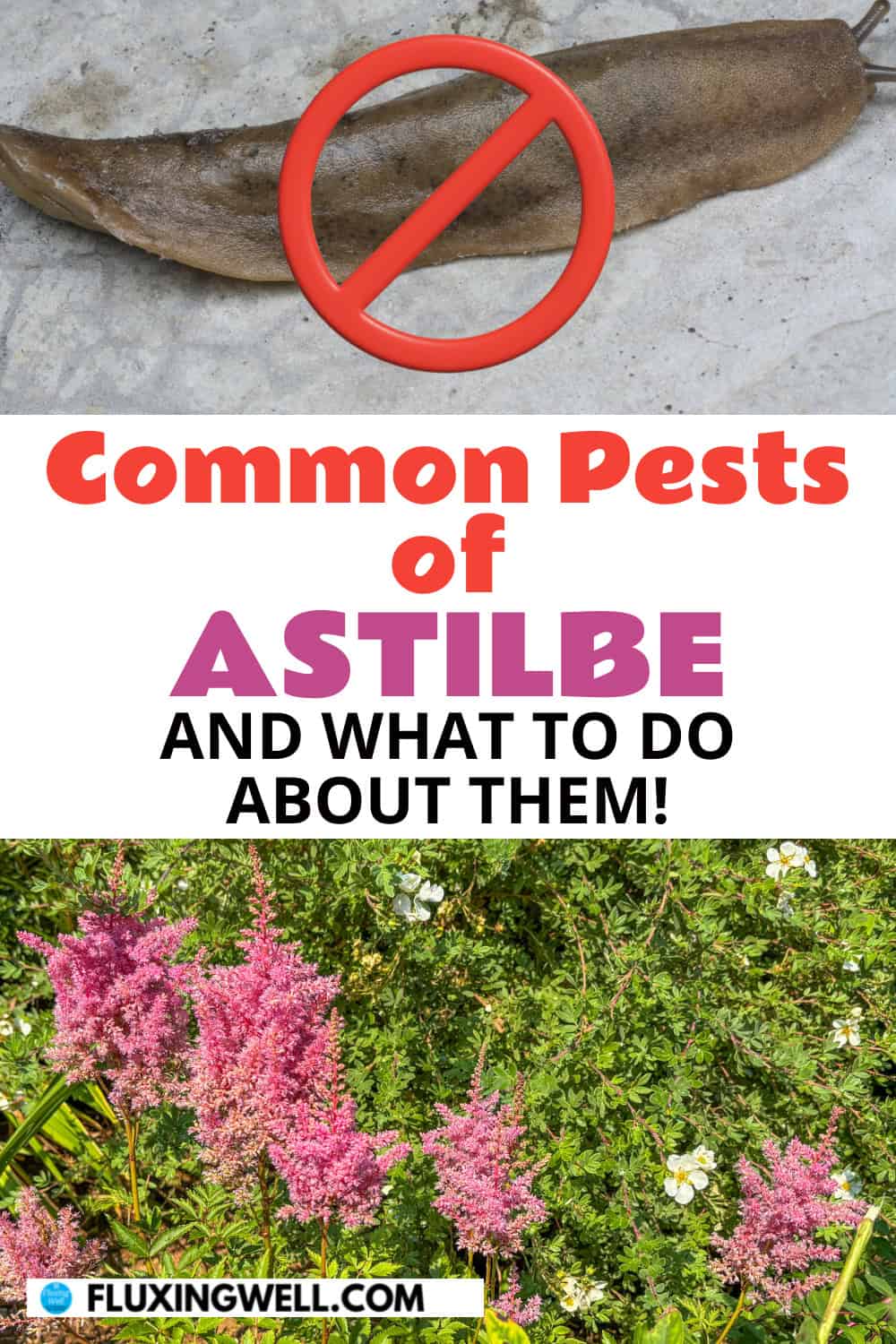
Astilbe is refreshingly pest- and disease-resistant compared to many perennials, but a few issues can pop up, especially in overly wet or crowded conditions.
Slugs and snails: The most common pest, especially in moist beds. Handpick in the evening, use pet-safe iron phosphate bait, or set out shallow beer traps.

Powdery mildew: Appears with poor air circulation or high humidity. Improve spacing, water at the base rather than overhead, and remove affected foliage.
Root rot: Happens when soil stays waterlogged. Amend soil with compost for drainage and avoid planting in low spots where water pools.
Leaf scorch: Browning, crispy edges signal too much sun or not enough water. Move plants to shade or water more often in hot weather.
Frequently Asked Questions About Astilbe
Does astilbe come back every year? Yes, it’s a hardy perennial that returns reliably each spring in USDA Zones 3-8, dying back in winter and re-sprouting once temperatures warm.
Does astilbe like sun or shade? Astilbe prefers partial shade with some morning sun, though it can tolerate more sun if the soil stays consistently moist.
How tall does astilbe grow? Depending on the variety, astilbe ranges from about 12 inches for dwarf types to 4 feet for larger varieties, plumes included.
Why is my astilbe not blooming? Too much shade, dry soil, or an overcrowded clump that’s due for division are the most common causes.
Can astilbe grow in containers? Yes, as long as the pot has good drainage and you keep the soil consistently moist, since containers dry out faster than beds.
Is astilbe deer resistant? Astilbe is generally considered deer and rabbit resistant, making it a great choice where browsing animals are a challenge.
Year-Round Astilbe Care Chart
| Season | Care Tasks |
| Early Spring | Divide overcrowded clumps; apply slow-release fertilizer; cut back any remaining old foliage as new growth emerges. |
| Late Spring | Apply 2-3 inches of mulch; begin regular watering; watch for slugs as foliage fills in. |
| Summer | Water deeply during dry spells (about 1 inch per week); enjoy blooms; watch for leaf scorch in hot weather; skip deadheading. |
| Early Fall | Plant new astilbe (ideal planting window); divide clumps if needed; continue watering until the ground cools. |
| Late Fall | Cut foliage back to the ground after frost; add a fresh layer of mulch for winter protection. |
| Winter | Let plants rest dormant; avoid walking on the root zone; plan next year’s additions. |
Popular Books About Growing Astilbe
If you’d like to dig deeper into growing astilbe and other shade perennials, these books are worth a spot on your shelf:
The Well-Tended Perennial Garden by Tracy DiSabato-Aust

Best Perennials for Sun and Shade (Home Grown Gardening series)

Essential Perennials for Every Garden (CompanionHouse Books)

Astilbe is one of those plants that rewards very little effort with a whole lot of beauty. Plant a few clumps this fall, pair them with companion plants above, and by next summer you’ll have a shade garden full of color and texture.
More Planting Ideas
Check out the tips for the best companion plants for eggplant to learn what to grow with those beauties. If you like the idea of companion planting, you might be interested in reading about the best companion plants for pumpkins, sunflowers, garlic, asparagus, rosemary, radishes, beetroot (beets), thyme, parsley, lupine, borage, peonies, apple trees, or the best companion plants for lavender. Get tips for growing stunning dahlias or vintage roses. Are you a beginning gardener? Try planting some foolproof, easy-care perennials, some spring-flowering bulbs, or learning about the best companion plants for columbine. There are so many exciting plants to grow!
Keep Track of Your Garden with a Journal Logbook
Now that you have learned about planting and caring for astilbe, keep track of your planting ideas, goals, and plans with a printable, editable free garden journal logbook. Choose the pages you want to use and customize them as you wish to record monthly, weekly, and daily garden tasks, lists, weather, and planting arrangements. There are also grid pages for easily designing the layout of your vegetable garden, flower garden, or landscape. Print it out and put it into a notebook you can take with you to the garden (that’s what I do). It’s nice to have all of your garden information in one place.
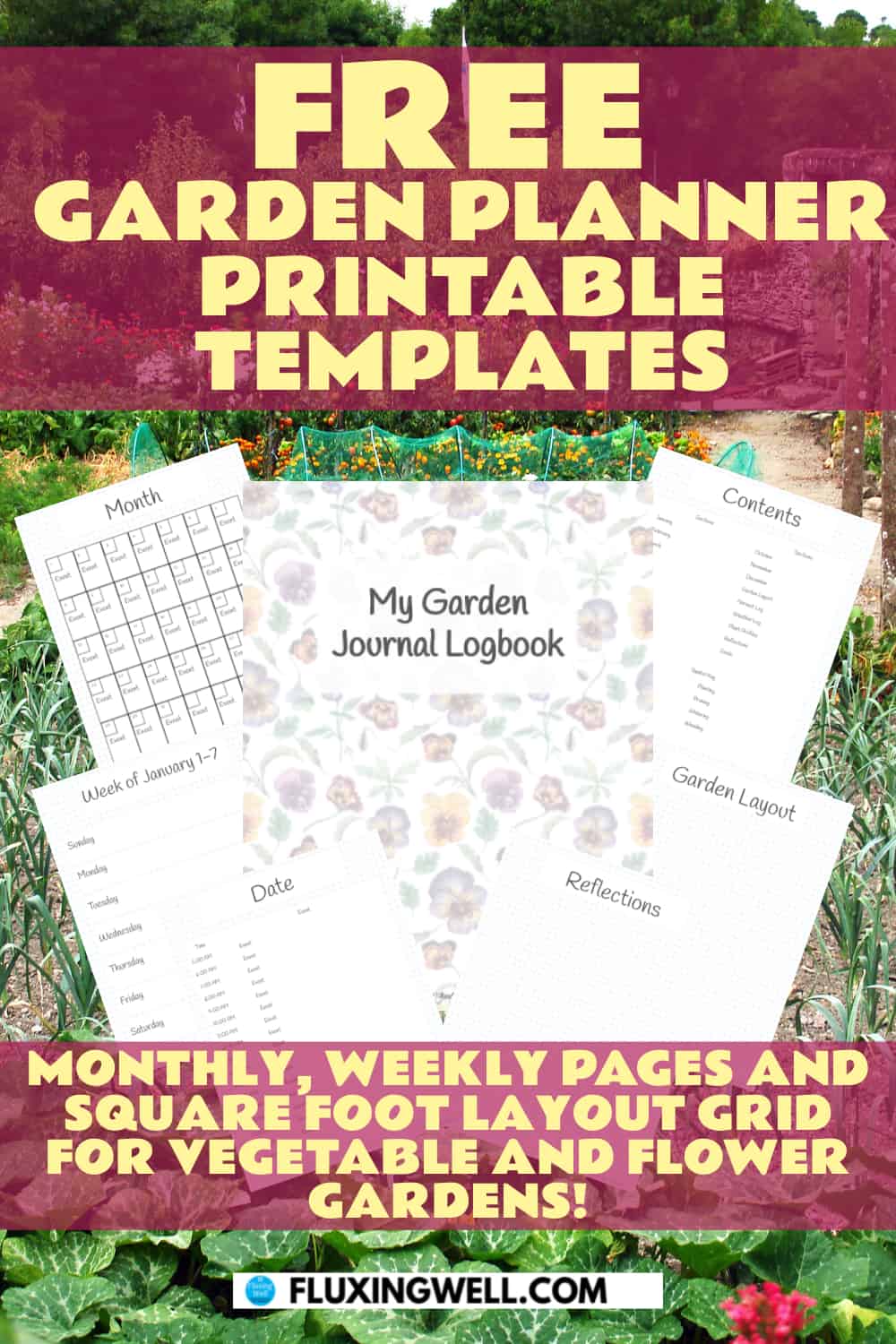
Get the garden journal logbook!
Free Online Garden Planner Layout Template
Now that you know which are the best companion plants for stevia, you might need a way to plan your garden layout. Whether you are planting vegetables, flowers, or herbs near your lupine plants, this online garden planner can help you visualize your design and bring it to life. Arrange and rearrange the plants over and over, then print the layout when you are satisfied. With garden tasks that need your attention, this is one way to save time.

It’s fully customizable when you make your own copy and includes two editable chart pages for noting planting specifications.
Get my free online garden layout planner template!
Have a wonderful week, and may all of your astilbe-growing endeavors meet with success!

Lisa Mitchell is a wife, mom, teacher, and former school librarian who likes to grow fruit, herbs, vegetables, and flowers on her family’s small Pacific Northwest farm. To learn more about what this website has to offer gardeners, click on over to the Garden page.
Want more great garden, food, or travel ideas? Follow FluxingWell on Pinterest, Facebook, Instagram, and X for the latest posts, tips, and inspiration.
Thanks for this wonderful resource on planting astilbe! I especially appreciate the information on propagating.
You’re welcome! Yes, dividing plants saves so much money.
Thank you for all the information on the best time to plant astilbe. I didn’t realize that Fall is a great portion of the year to plant and to try about six weeks before the first hard frost. It’s perfect for a shaded area on the side of my home this autumn season.
Excellent! I hope you are able to plant some astilbe soon so you can start enjoying its lovely, feathery appearance. Happy gardening!
Thank you for this informative post about planting astilbe. I’m always looking for ideas for my shade garden!
Hooray! I’m so glad you liked the ideas about planting astilbe in your garden.