
Looking for the best bulbs to plant in fall for a zone 8 garden? You’re in the right place. This guide covers which spring bulbs actually thrive in mild winters, how deep and how far apart to plant them, and a full zone 8 garden plan that pairs bulbs with annuals and perennials for months of color. I garden in USDA Plant Hardiness Zone 8 here in the Pacific Northwest, and fall bulb planting is one of my favorite garden chores, since it’s basically a gift you send forward to your spring self. If you’ve already read up on flowering shrubs or companion plants for peonies on the blog, bulbs are the next easy win for a beginner gardener.
Why Bulbs Are a Yard and Garden Favorite
Bulbs are one of the most forgiving ways to add color to a garden, which is exactly why they’re so beloved. You tuck a dry, unassuming little bulb into the ground in fall, more or less forget about it all winter, and then get rewarded with a burst of color just when the rest of the garden is waking up. Bulbs are inexpensive compared to potted perennials, they multiply on their own over the years, and many varieties naturalize into bigger, more impressive drifts each spring without any extra work. They also fill an important seasonal gap: while perennials and annuals are just getting started, bulbs are already blooming, which means a well-planned bulb bed can have color in the ground before almost anything else in the yard.
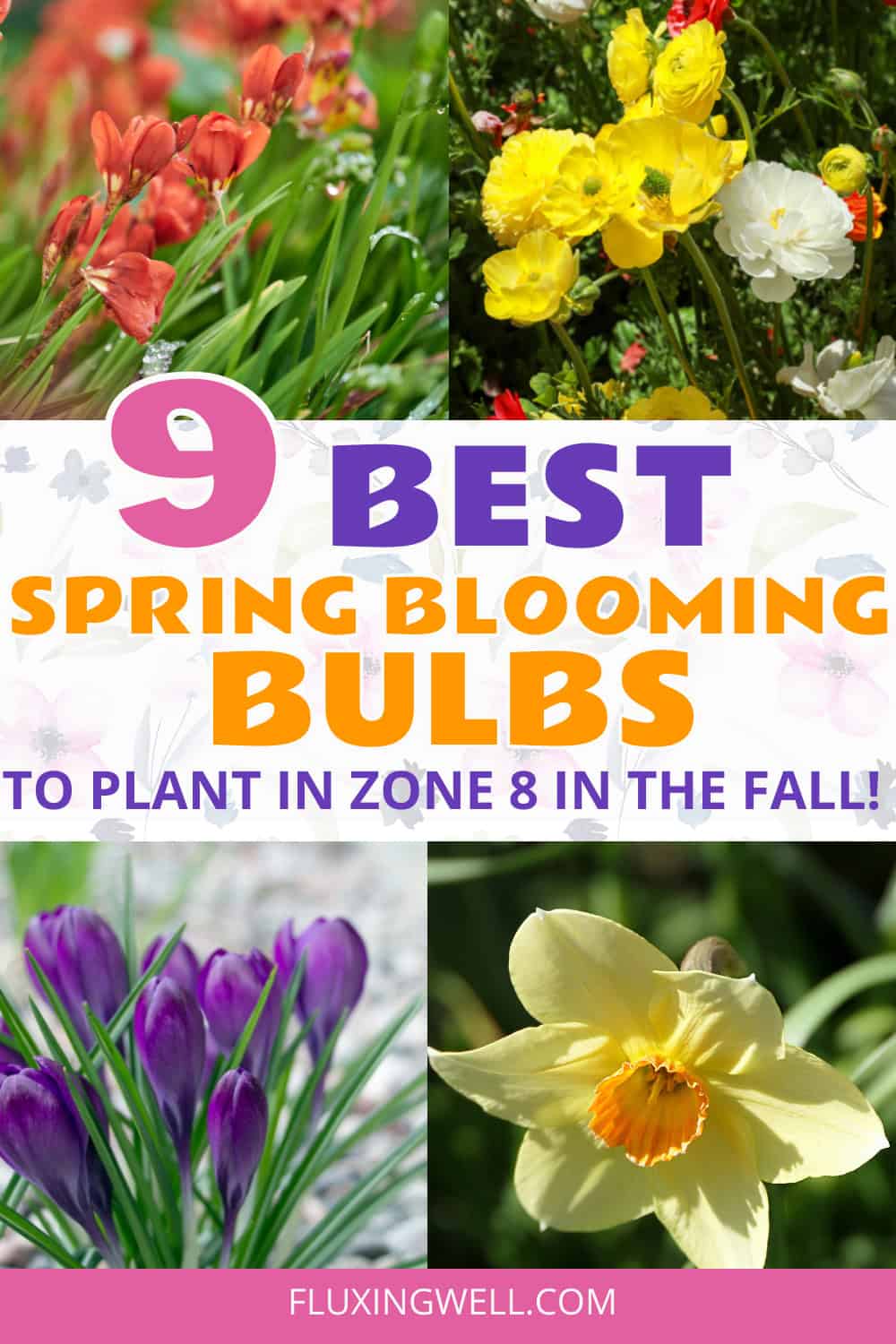
Best Bulbs to Plant in the Fall for Zone 8
One important note for zone 8 gardeners: many classic spring bulbs, including tulips, hyacinths, and most daffodils, need 8 to 16 weeks of chilling below 45°F to bloom well, and zone 8 winters usually aren’t cold enough on their own. You can pre-chill those bulbs in the refrigerator before planting, or lean on varieties that don’t need any chilling at all. Here are the best fall-planting bulbs for zone 8, alphabetically:
Allium – Ornamental onions handle mild winters beautifully and their globe-shaped blooms are a favorite for companion planting near roses and peonies.
Anemone (De Caen) – A warm-climate native that needs no pre-chilling and produces poppy-like blooms in jewel-tone colors.
Crocus – Species crocus varieties tend to perform well in zone 8 without chilling and are often the very first bulb to bloom each year.
Daffodil (Narcissus) – Many daffodil varieties, especially the tazetta types, naturalize beautifully in zone 8 without any pre-chilling, and deer and rodents generally leave them alone.
Dutch Iris – A warm-climate favorite that skips the chilling requirement entirely and blooms on tall, elegant stems.
Freesia – Fragrant and native to mild climates, freesia is one of the easiest bulbs for a zone 8 gardener to succeed with straight out of the bag.
Grape Hyacinth (Muscari) – Small, easy-care, and reliably perennializing, muscari adds rich blue color low to the ground. **Caution: You might want to plant these with a brick border around them or in containers. They naturalize very well and will spread too much at times.
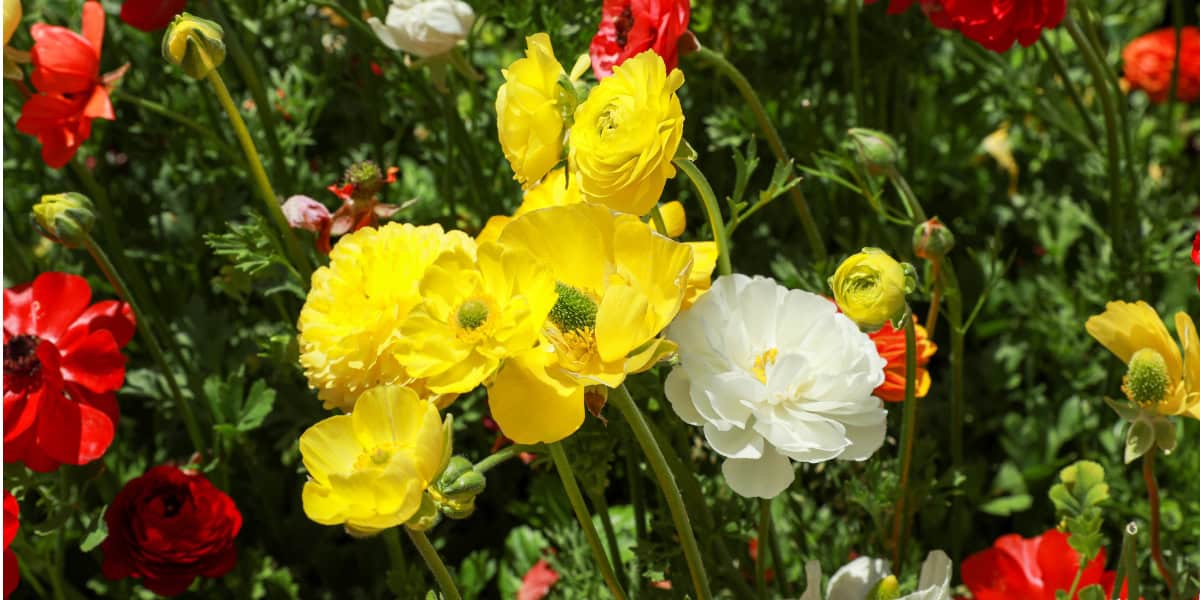
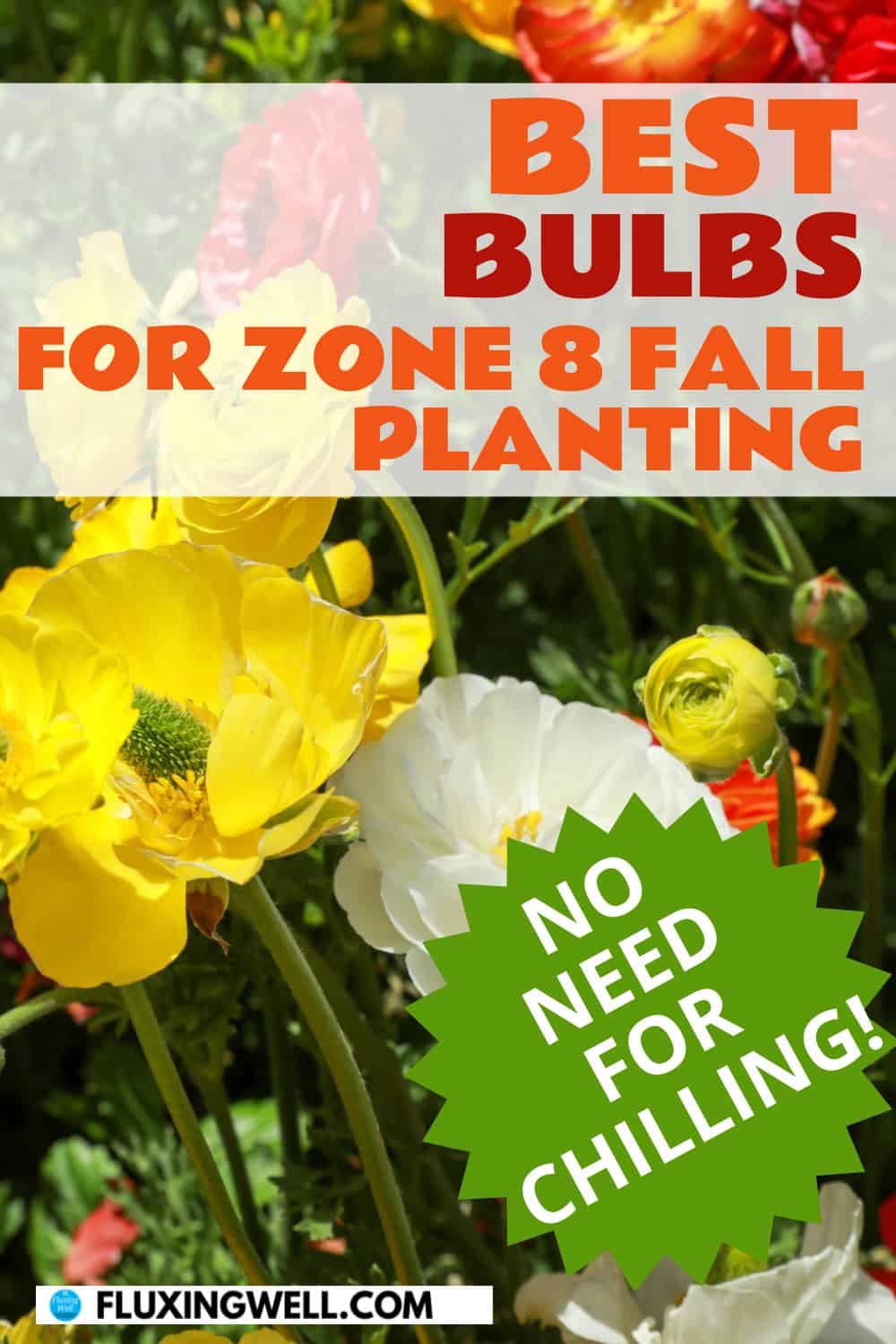
Ranunculus – These layered, rose-like blooms are a cut-flower-garden favorite and thrive in zone 8’s mild winters without chilling.
Snowdrops (Galanthus) – An early-blooming, cold-hardy bulb that tends to naturalize well even in warmer zones.
Zone 8 Fall Bulb-Planting Tips
Where to Plant Bulbs
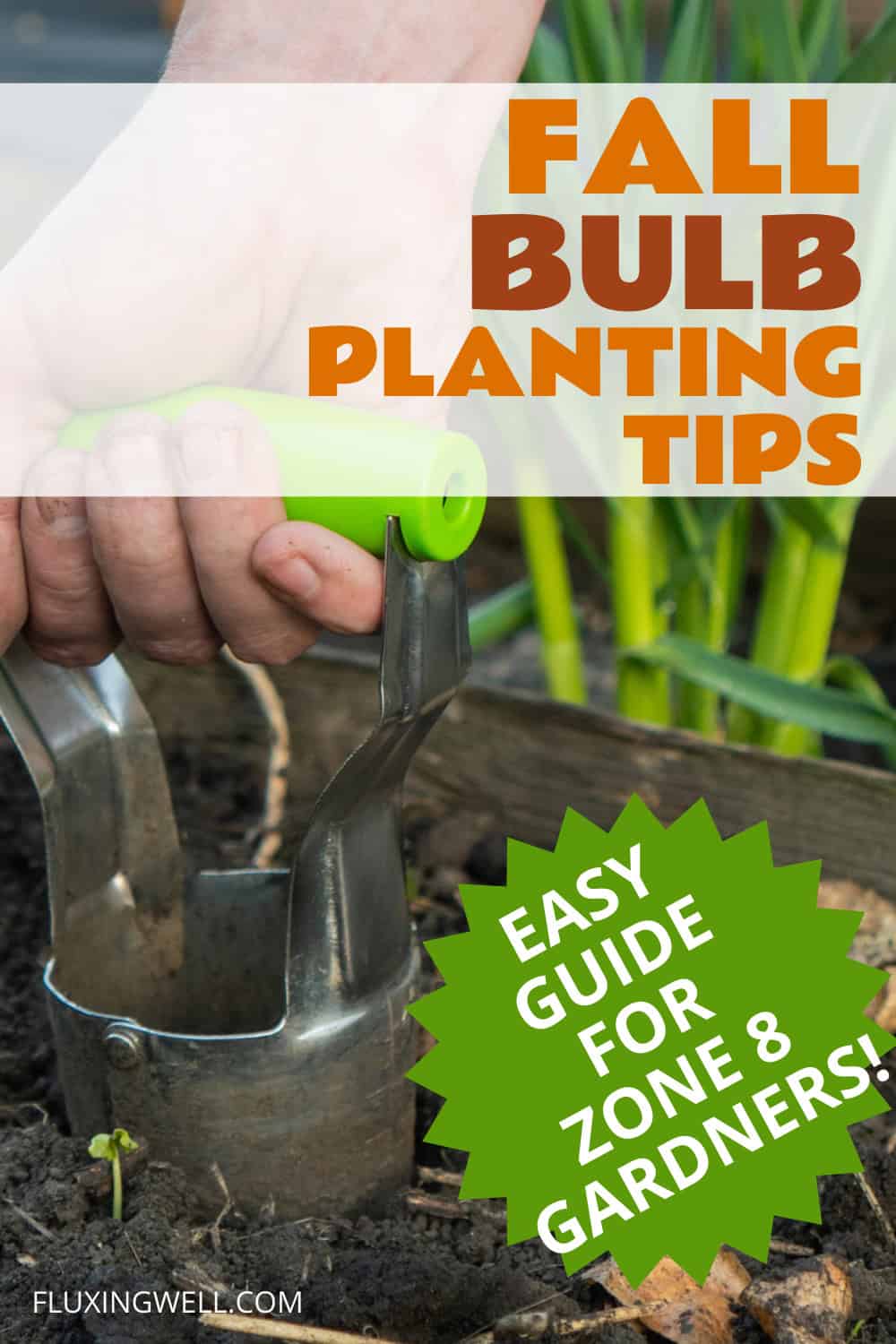
Most fall-planted, spring-blooming bulbs want full sun to light shade and, most importantly, soil that drains well. Soggy soil is the number one cause of bulb rot, so avoid low spots where water collects after rain. Good locations include open borders, the front of a perennial bed, under deciduous trees (bulbs bloom and go dormant before the tree leafs out and shades the ground), and along walkways where early blooms can be enjoyed up close. For ease of planting, you can use a bulb planting tool. This is very similar to the one I have.

How Deep to Plant Bulbs
A simple rule of thumb covers most bulbs: plant at a depth of about two to three times the bulb’s height. In practice, that looks like:
Daffodils and alliums: 6 to 8 inches deep
Dutch iris and freesia: 4 inches deep
Crocus and muscari: 3 to 4 inches deep
Anemone and ranunculus: 2 to 3 inches deep
When in doubt, plant slightly deeper rather than shallower; bulbs planted too shallow are more likely to be damaged by frost heave or dug up by animals.
How Far Apart to Space Bulbs
Spacing follows a similar rule: leave about three times the bulb’s width between bulbs. For a natural, drift-like look rather than tidy rows, scatter handfuls of bulbs across the bed and plant them roughly where they land. As a general guide:
Daffodils and alliums: 4 to 6 inches apart
Dutch iris and freesia: 4 to 5 inches apart
Crocus and muscari: 3 inches apart
Anemone and ranunculus: 4 to 6 inches apart
Example Zone 8 Sun Border with Bulbs, Annuals, and Perennials
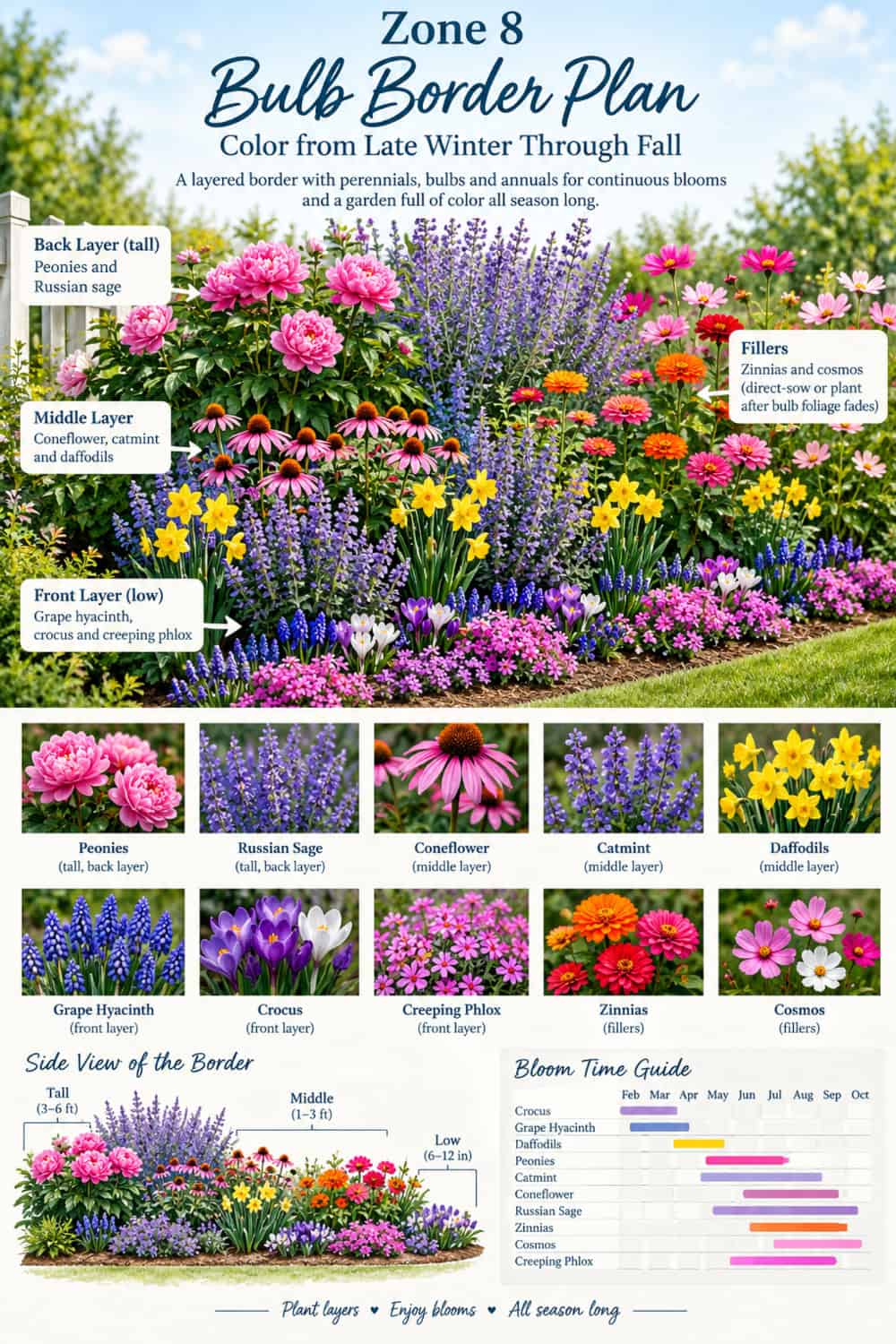
Here’s a simple layered border plan for a sunny zone 8 spot that stays colorful from late winter through fall:
Back layer (tall): Peonies and Russian sage for structure and mid-summer color
Middle layer: Coneflower, catmint, and daffodils tucked between the perennials for spring color before the summer bloomers take over
Front layer (low): Grape hyacinth, crocus, and creeping phlox along the edge for very early color
Fillers: Zinnias and cosmos, direct-sown or planted after the bulb foliage begins to fade, to carry the border through summer and fall
This kind of layered planting means the bulb foliage (which needs to die back naturally to recharge the bulb) gets hidden by the perennials and annuals filling in around it, so you never have a bare, yellowing patch on display.
Planting Tips for Bulbs (Easy Steps for Beginners)
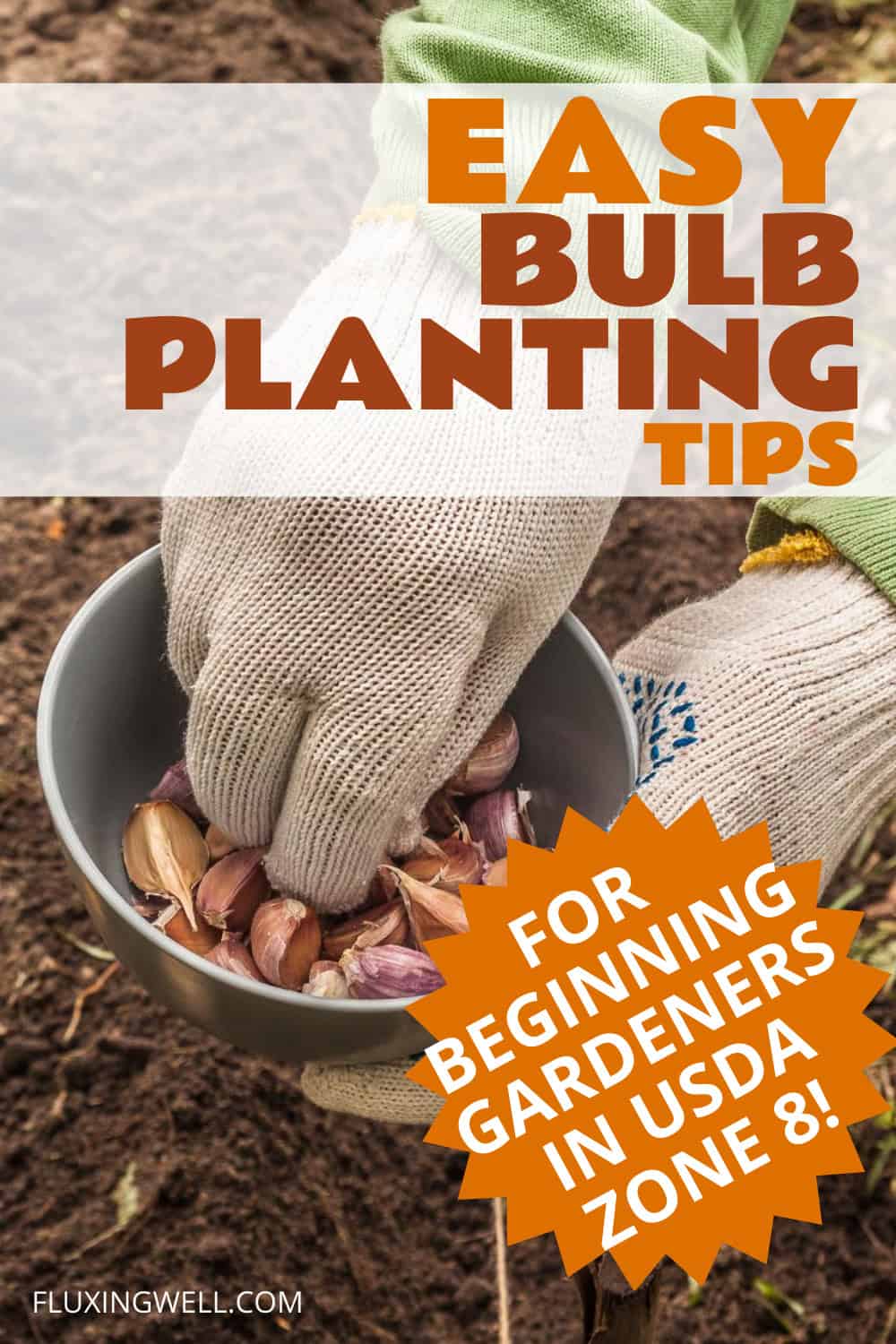
Buy firm, plump bulbs. Skip any that feel soft, moldy, or shriveled.
Check if your bulbs need pre-chilling. Tulips, hyacinths, and most daffodils grown in zone 8 need 8 to 16 weeks in the refrigerator (away from fruit, which gives off gas that can damage the bulb) before planting.
Wait for cooler weather. Plant in late fall, once soil temperatures have dropped, generally November into December in zone 8.
Dig your hole or trench. Loosen the soil a bit deeper than your planting depth so roots can grow down easily.
Plant pointed end up. Most bulbs have an obvious point or growing tip; if you can’t tell, plant on its side and it will find its way up.
Cover and water. Backfill with soil and water thoroughly right after planting to settle the soil and trigger root growth.
Mulch lightly. A thin layer of mulch helps regulate soil temperature and moisture over winter.
Growing Tips for Bulbs
Once your bulbs are in the ground, a little care through the season keeps them coming back stronger each year. Let the foliage die back naturally after blooming, rather than cutting it early. This is the plant’s way of storing energy in the bulb for next year’s flowers. Resist the urge to braid or tie daffodil leaves, since this reduces the amount of sunlight the leaves can absorb. Feed bulbs with a bulb fertilizer or compost in fall or early spring, and divide crowded clumps every three to four years to keep blooms large. In zone 8, well-drained soil is especially important during the wet winter months, since rot is a bigger risk than cold.
Common Pests and Diseases of Bulbs (and Remedies)
Bulb Rot – Caused by poorly drained, waterlogged soil. Improve drainage by amending heavy soil with compost or grit, and avoid planting in low, soggy spots.

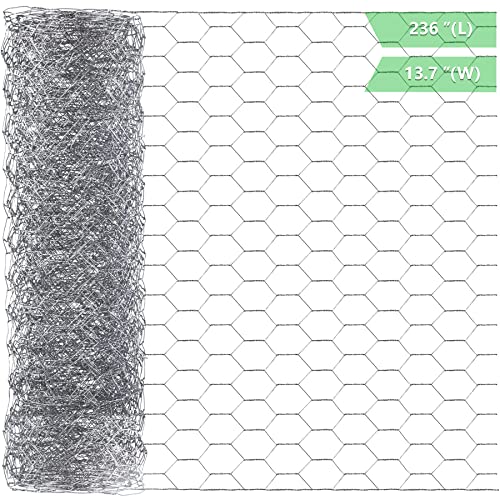
Squirrels and Rodents – Squirrels, voles, and chipmunks love to dig up and eat freshly planted bulbs, especially tulips and crocus. Interplant with daffodils, which are toxic to rodents and tend to deter digging, or cover new plantings with chicken wire until the ground freezes.
Narcissus Bulb Fly – Larvae tunnel into the bulb and hollow it out, causing weak or absent blooms. Remove and discard any soft, damaged bulbs, and keep foliage intact after blooming to keep bulbs strong enough to resist damage.
Aphids – These small insects cluster on new growth and buds. Spray them off with a strong stream of water, or treat with insecticidal soap for larger infestations.

Botrytis Blight (Tulip Fire) – A fungal disease causing spotted, distorted leaves and flowers, especially in cool, wet spring weather. Remove and destroy infected foliage promptly, avoid overhead watering, and rotate planting locations if it recurs.
Popular Books About Planting Bulbs
If you’d like to dig deeper into bulb selection and care, these titles are favorites among bulb enthusiasts:
Bulb by Anna Pavord: an alphabetical, richly photographed guide to hundreds of bulb varieties from the acclaimed author of The Tulip, packed with planting depth and care details for each.

A Year in Bloom: Flowering Bulbs for Every Season by Lucy Bellamy: a seasonal guide to more than 150 bulbs, with expert planting advice and ideas for borders, containers, and naturalized plantings.

Beautiful Bulbs by Georgeanne Brennan and Mimi Luebbermann: a friendly, beginner-focused guide covering 20 of the best-loved bulb varieties, plus tips on forcing bulbs for indoor blooms.

Quick Zone 8 Fall Bulb Reference Chart
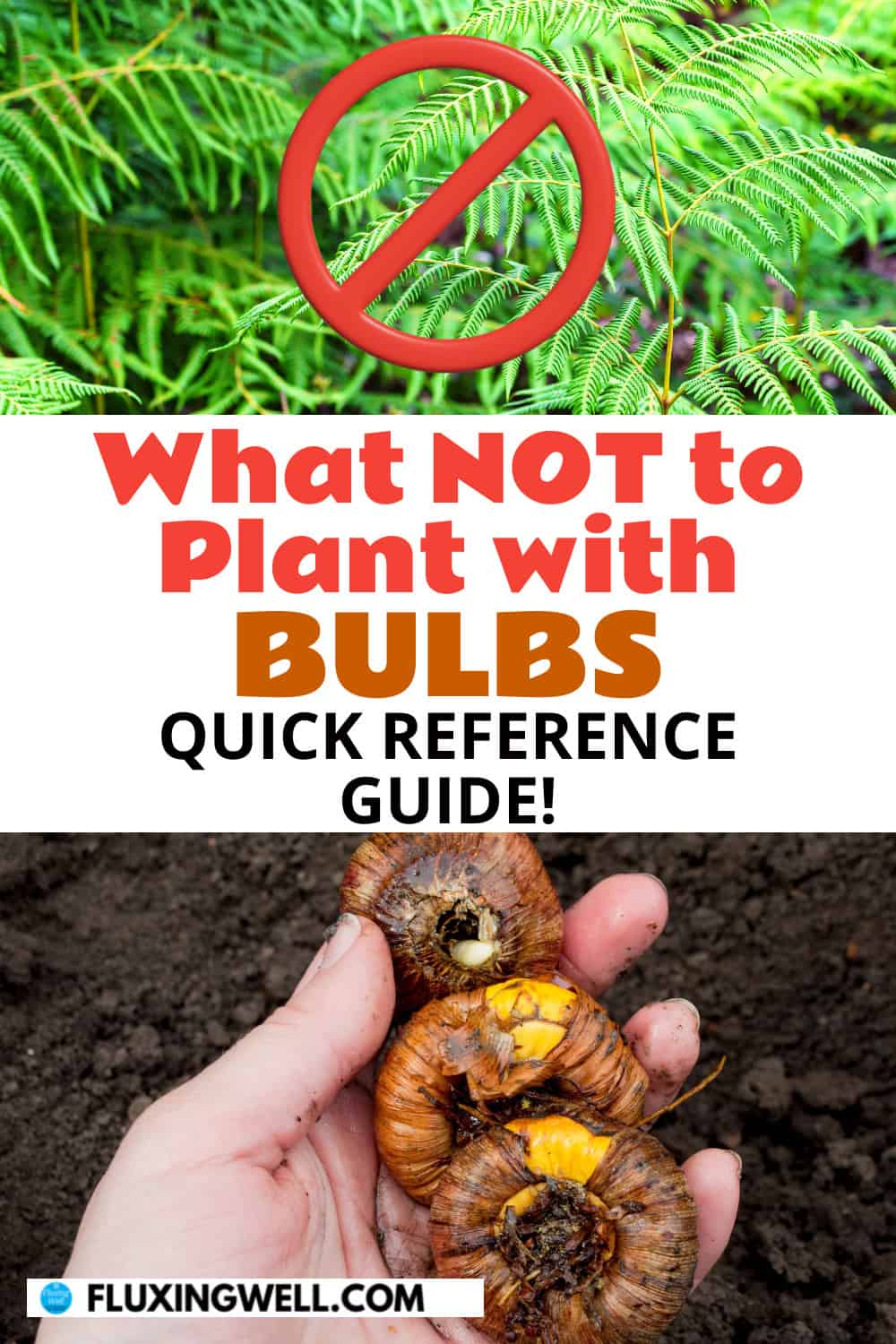
| Best Fall-Planting Bulbs for Zone 8 | What Not to Plant with Bulbs |
| Allium | Aggressive Groundcovers (Ivy, Vinca) |
| Anemone (De Caen) | Annual Bedding That Gets Tilled Under |
| Crocus | Mint |
| Daffodil (Narcissus) | Moisture-Loving Perennials (Astilbe, Ferns) |
| Dutch Iris | Root Vegetables |
| Freesia | Shallow-Rooted Trees (Maples) |
| Grape Hyacinth (Muscari) | |
| Ranunculus | |
| Snowdrops (Galanthus) |
More Zone 8 Garden Ideas
Once your bulbs are tucked in for the season, take a look at more zone 8-friendly garden guides on the blog. Explore companion plants for dahlias, hostas, or iris, or plan out a full cut flower garden layout that leaves room for spring bulbs. New to gardening? Start with some foolproof, easy-care perennials to pair with your bulb border.
Keep Track of Your Garden with a Journal Logbook
Now that you have learned about planting and caring for astilbe, keep track of your planting ideas, goals, and plans with a printable, editable free garden journal logbook. Choose the pages you want to use and customize them as you wish to record monthly, weekly, and daily garden tasks, lists, weather, and planting arrangements. There are also grid pages for easily designing the layout of your vegetable garden, flower garden, or landscape. Print it out and put it into a notebook you can take with you to the garden (that’s what I do). It’s nice to have all of your garden information in one place.
Get the garden journal logbook!
Free Online Garden Planner Layout Template
Now that you know which are the best companion plants for stevia, you might need a way to plan your garden layout. Whether you are planting vegetables, flowers, or herbs near your lupine plants, this online garden planner can help you visualize your design and bring it to life. Arrange and rearrange the plants over and over, then print the layout when you are satisfied. With garden tasks that need your attention, this is one way to save time.
It’s fully customizable when you make your own copy and includes two editable chart pages for noting planting specifications.

Get my free online garden layout planner template!
Happy planting, and here’s to a spring garden full of color!
Lisa Mitchell is a wife, mom, teacher, and former school librarian who likes to grow fruit, herbs, vegetables, and flowers on her family’s small Pacific Northwest farm. To learn more about what this website has to offer gardeners, click on over to the Garden page.
Want more great garden, food, or travel ideas? Follow FluxingWell on Pinterest, Facebook, Instagram, and X for the latest posts, tips, and inspiration.
Thank you for sharing these easy bulb planting tips. I really appreciate that you covered the simple rule of thumb to plant bulbs at a depth of about two to three times the bulb’s height. Very helpful!
You are most welcome! I’m always happy to share any easy garden tips for planting bulbs and anything else.
Thanks so much for sharing these easy bulb planting tips! I find them clear and helpful, making gardening much easier!
You are most welcome. I hope you get to plant many bulbs this fall.
Thanks for sharing all this great information about the best bulbs to plant in the fall for zone 8. So helpful, and I love your handy charts!
Thank you! I hope you get the opportunity to plant a lot of bulbs this fall.
Thanks for the great ideas about which bulbs to plant in the fall for zone 8, which is where I live. I appreciate your tips about garden pests as well!
You are very welcome! It’s always nice to share information that other zone 8 gardeners can use.