
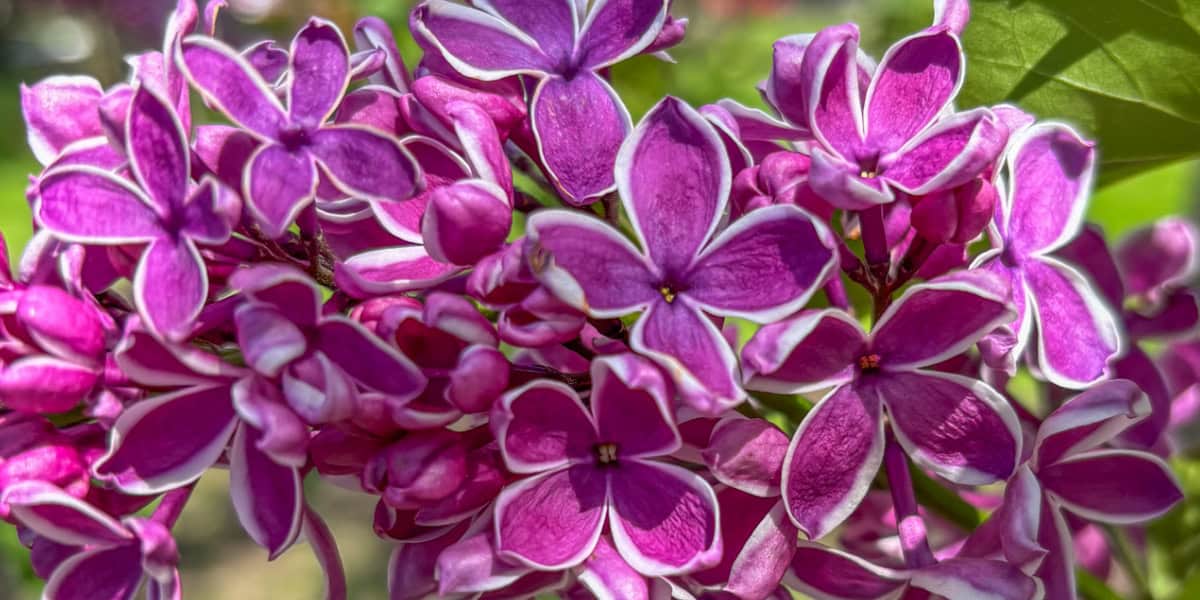
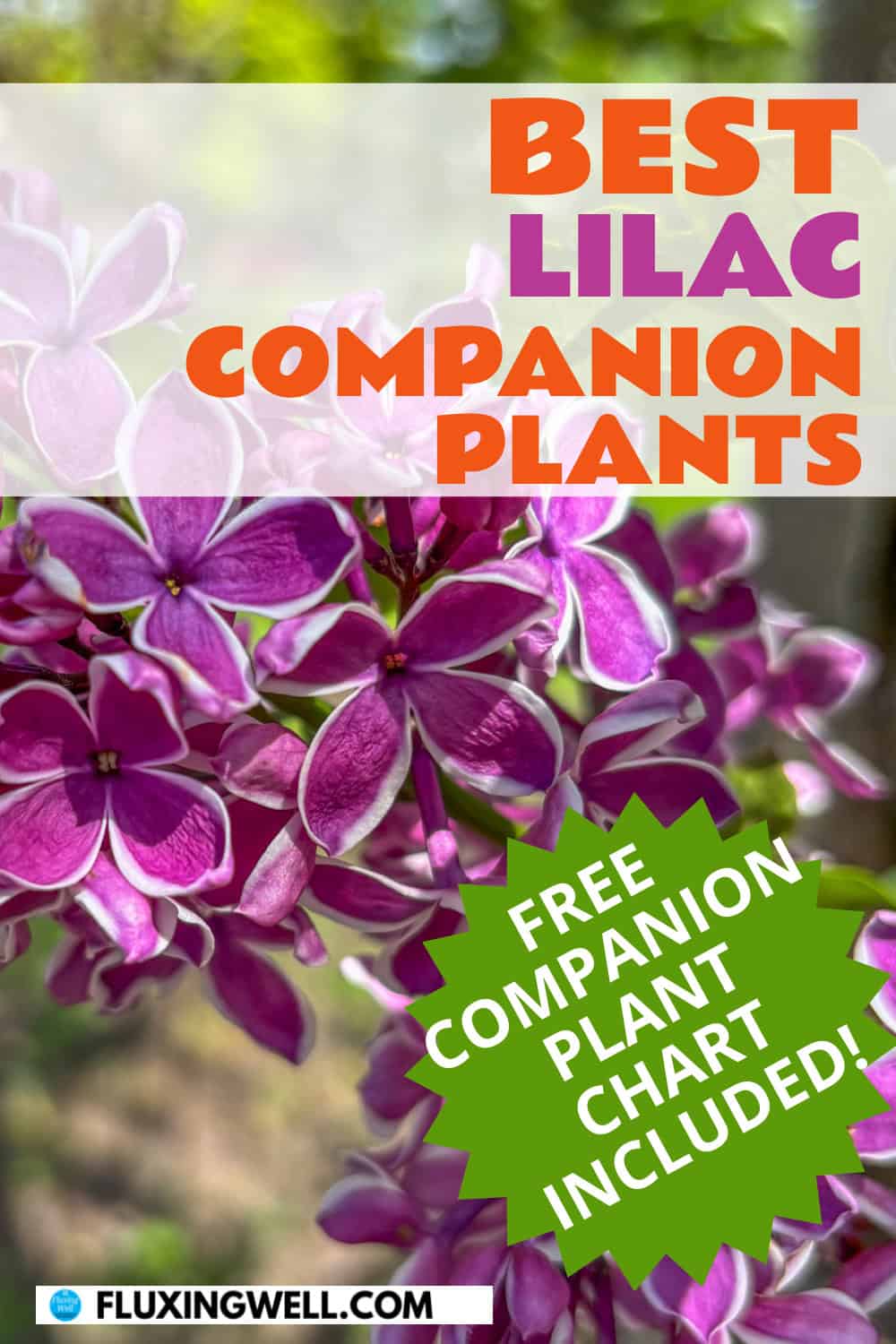
Looking for the best lilac companion plants? You’re in the right place. Learn which flowers and shrubs make the best lilac bush companions, what not to plant near lilacs, and how to keep your lilac tree blooming for decades. I’ve grown lilacs in our Pacific Northwest USDA Plant Hardiness Zone 8 garden for years, tucked in alongside our hydrangeas and flowering shrubs. Every May the fragrance alone is worth the wait. If you’re dreaming of a lilac garden with companion plants that keep the color going after the blooms fade, plus easy beginner planting tips and pest and disease remedies, read on.
Why Lilac Trees Are a Yard and Garden Favorite
Lilacs (Syringa spp.) have been a beloved fixture in American yards since colonial times, and it’s easy to see why. Their heart-shaped leaves and cone-shaped flower clusters bloom in shades of purple, lavender, pink, blue, and white, and the fragrance is so iconic that entire festivals are built around it. Lilacs are wonderfully low-maintenance once established, cold-hardy in zones 3 through 7 (as I noted above, I’m in zone 8, and our lilacs have done well), and they ask for little beyond full sun and decent drainage. A mature lilac also provides habitat for small birds and early pollinators, doubles as an informal hedge, and can live for generations, which is why you’ll often spot an old lilac blooming beside the foundation of a long-gone farmhouse. If you love the idea of a fragrant, easy-care flowering shrub that comes back reliably every year, a lilac is hard to beat.
Best Lilac Companion Flowers
Because lilacs bloom for only two to three weeks each spring, pairing them with companion flowers is the best way to keep color going in that bed all season. Here are the best lilac companion flowers, in alphabetical order:
Alliums – These globe-shaped purple bloomers pick up right where lilac flower clusters leave off, echoing the same color palette in a different shape.
Catmint (Nepeta) – A tidy, drought-tolerant perennial that softens the base of a leggy lilac while attracting pollinators all summer.
Clematis – An old trick for keeping a lilac looking floral after its bloom is over: let a clematis climb the trunk. It won’t harm the lilac, and from a distance it looks like a second flush of blooms.
Columbine – Tolerates the light shade at the base of a mature lilac and adds airy, nodding blooms right as the lilac finishes up. Browse more columbine companion plants here.
Daffodils – A classic spring bulb that blooms alongside lilacs and naturalizes readily, so a single planting keeps returning for years.
Iris – Bearded iris shares a similar bloom window and the same well-drained, slightly alkaline soil lilacs prefer. See more iris companion plants for pairing ideas.
Peonies – Peonies and lilacs are a classic cottage-garden pairing; both are old-fashioned, long-lived, and bloom around the same time. Get the full guide to growing peonies.
Phlox (Creeping) – A low, spreading ground cover that blooms in pastel shades right alongside lilacs and tolerates light shade cast by the canopy.
Salvia – Tall spikes of blue or purple salvia extend the color show well into summer, long after the lilac blossoms fade.
Tulips – Another naturalizing spring bulb that blooms with lilacs, giving you color at both eye level and ground level.
Best Lilac Companion Shrubs
Pairing lilacs with other shrubs is a great way to stagger bloom times and build a garden bed that has something going on from spring through fall. Here are the best lilac companion shrubs, in alphabetical order:
Azaleas – These bloom early like lilacs and add a burst of pink, red, or white; give them their own slightly acidic pocket of soil since lilacs prefer more alkaline conditions. See this guide to azalea companion plants.
Forsythia – One of the earliest shrubs to bloom, forsythia’s bright yellow flowers pair beautifully with lilac’s purple tones just before the lilac takes over.
Hydrangeas – A lilac makes an excellent neighbor for hydrangeas, since the two bloom at different times and lilacs add welcome height and fragrance behind a hydrangea’s rounded form. I cover this pairing in my hydrangea companion plants post.
Mock Orange – Another old-fashioned, fragrant shrub that blooms just after lilacs finish, keeping the perfumed garden theme going into early summer.
Spirea – Compact and easy-care, spirea produces cascading white or pink blooms that contrast nicely with lilac’s cone-shaped clusters. See my spirea companion plants guide for more.
Viburnum – Offers a similar informal, hedge-like habit to lilacs, plus attractive berries later in the season that lilacs don’t provide.
Weigela – Trumpet-shaped pink or red blooms create a lovely contrast with lilac’s flower spikes, and both shrubs share similar sun and soil preferences.
What Not to Plant with Lilacs
Just as important as knowing what to plant with a lilac bush is knowing what to avoid. Here’s what not to plant with lilacs, in alphabetical order:
Birch Trees – Shallow-rooted and thirsty, birches compete aggressively with a lilac’s root system for water and nutrients.
Black Walnut Trees – Black walnut roots release a compound called juglone that is toxic to many woody plants, lilacs included. Keep lilacs well outside a black walnut’s root zone.
Boxwood – Boxwood’s dense, shallow roots compete heavily with lilacs for nutrients in a tight bed.
Mint – Mint’s spreading, invasive habit means it will happily crowd out a young lilac’s root zone if left unchecked.
Rhododendrons – Rhododendrons want consistently acidic, moist soil, the opposite of the alkaline, well-drained conditions lilacs prefer.
Tomatoes (and other Verticillium-susceptible plants) – Lilacs can be affected by verticillium wilt, a soil-borne disease also common in tomatoes, potatoes, and maples. Avoid planting these where either has struggled with wilt before.
Planting and Growing Tips for Lilacs
Growing lilacs is refreshingly simple, even if you’ve never planted a shrub before. Here’s how to get started:
Pick a sunny spot. Lilacs need at least six hours of direct sun to bloom well. Too much shade is the number-one reason a lilac won’t flower.
Check your soil. Lilacs like soil that is moist but well-drained, with a neutral to slightly alkaline pH. Work compost into heavy clay before planting.
Plant in spring or fall. Both seasons give roots time to establish before summer heat or winter cold sets in.
Give it room. Space lilacs by mature size (many spread 6 to 12 feet wide) so air can circulate freely and help prevent powdery mildew.
Water consistently the first year. Established lilacs are drought-tolerant, but a new shrub needs regular watering while roots settle in.
Skip the high-nitrogen fertilizer. Lawn fertilizer applied too close to a lilac produces lots of leaves and very few flowers. An all-purpose shrub fertilizer every few years is plenty.
Prune right after blooming. Lilacs set next year’s buds shortly after this year’s blooms fade, so pruning in late spring protects next year’s show. Removing a third of the oldest canes each year keeps the shrub vigorous.
Be patient. A new lilac may take two to three years to settle in and bloom reliably, but once established, it can live for decades.
Common Pests and Diseases of Lilacs (and Remedies)
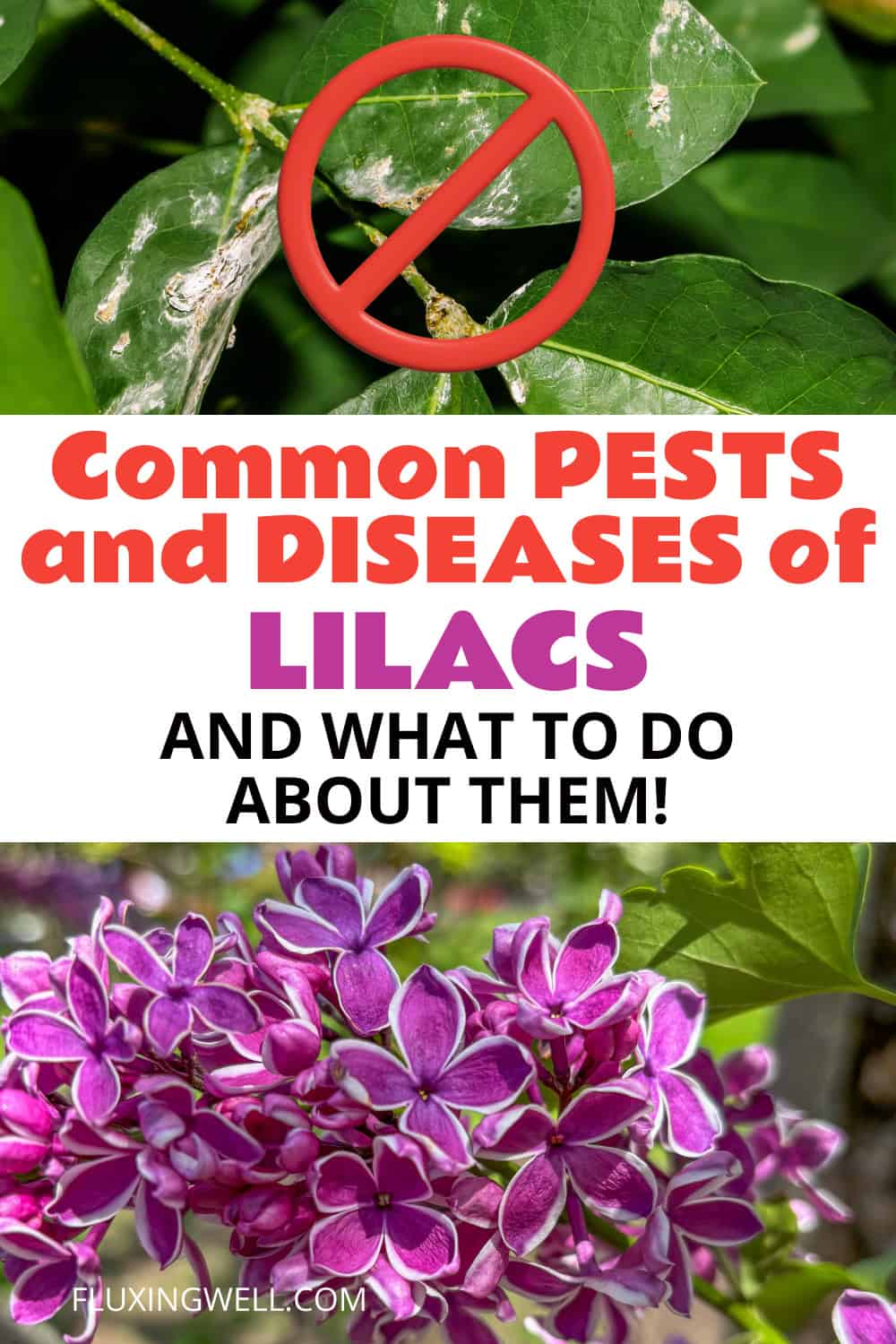
Lilacs are hardy, easy-care shrubs, but a few problems do show up from time to time. Here’s what to watch for:
Powdery Mildew – A white, powdery coating on leaves, usually in late summer. Mostly cosmetic and rarely harmful. Improve air circulation by thinning crowded branches and spacing plants properly; fungicide is rarely necessary.
Bacterial Blight – Causes blackened, water-soaked leaf spots and dieback of young shoots in cool, wet spring weather. Prune infected branches well below the damage, disinfecting pruners between cuts, and destroy (don’t compost) the debris.
Lilac Borer – A larva that tunnels into stems, weakening or killing branches and leaving sawdust near the entry hole. Prune out the oldest canes each year (borers rarely attack young growth) and treat with insecticide in late spring if needed.
Oystershell Scale – Tiny, shell-like insects that cling to stems and weaken affected canes. Prune out heavily infested branches and treat with horticultural oil in early spring before buds break.

Verticillium Wilt – A soil-borne fungal disease causing branches to wilt and die, with no cure once established. Avoid planting lilacs where tomatoes, potatoes, or maples have struggled with wilt in the past.
Popular Books About Growing Lilacs
If you’d like to go deeper into lilac history, varieties, and care, a few books stand out among lilac lovers:
Lilacs: Beautiful Varieties for Home and Garden by Naomi Slade and Georgianna Lane: a gorgeously photographed guide to more than 60 varieties with practical, no-fuss growing notes.

Lilacs for the Garden by Jennifer Bennett: practical and well-researched, covering planting, pruning, propagating, and why a lilac won’t bloom.

Lilacs: A Gardener’s Encyclopedia by Father John Fiala: a comprehensive, photo-rich reference on lilac species, landscape uses, and companion plants for serious collectors.

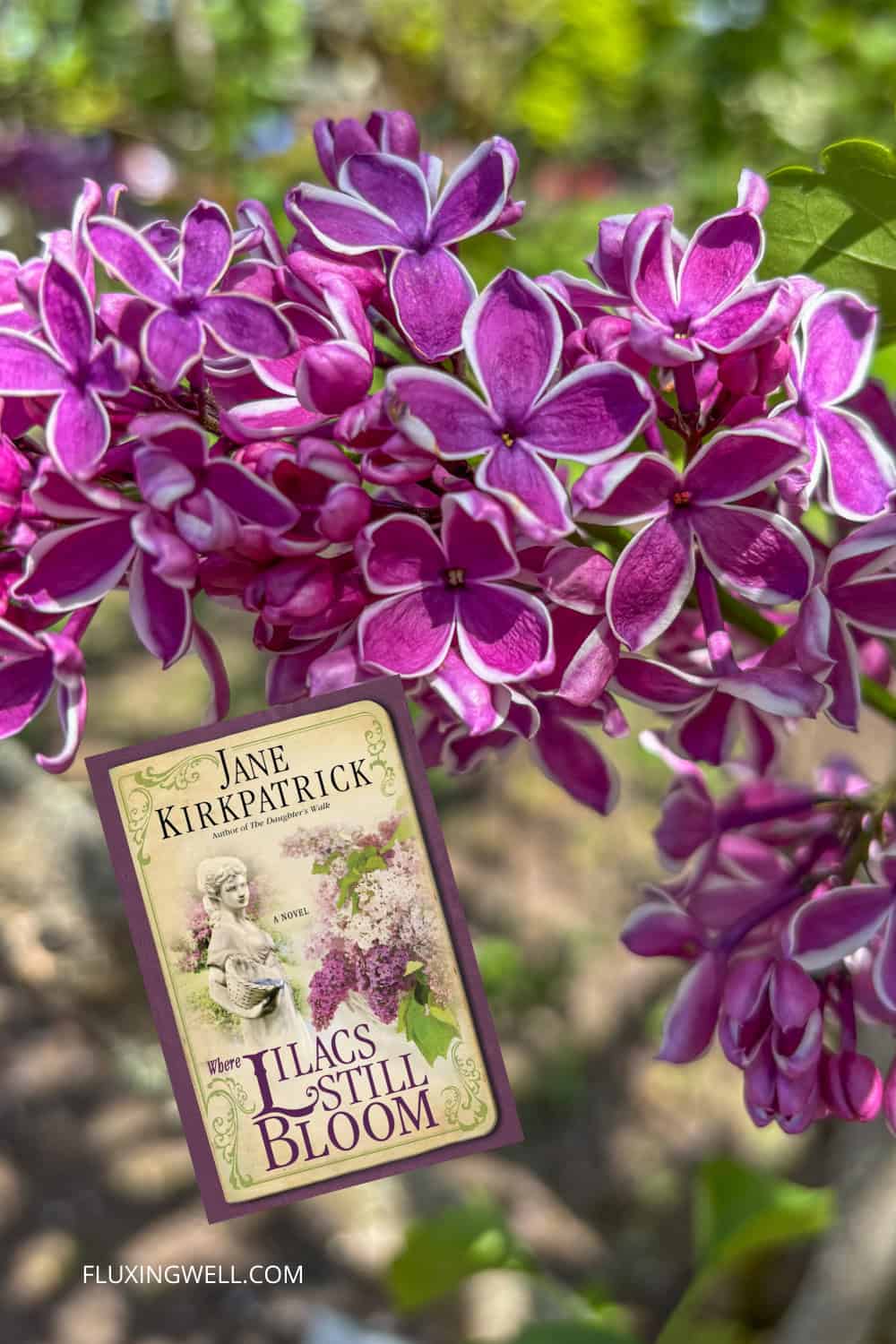
For an inspirational read about a lilac lover, Hulda Klager, who persevered in her dream of developing new lilac cultivars, read the book Where Lilacs Still Bloom by Jane Kirkpatrick.

Yes, it’s historical fiction, but the author is very clear in her notes at the end about which events and characters were real and which were fictionalized. If you are ever visiting Woodland, Washington, a tour of Hulda Klager’s Lilac Gardens is well worth a visit. There are also varieties of lilac trees for sale if you go during the town’s Lilac Days festival.
Quick Lilac Companion Plant Reference Chart
| Lilac Companion Flowers | Lilac Companion Shrubs | What Not to Plant with Lilacs |
| Alliums | Azaleas | Birch Trees |
| Catmint (Nepeta) | Forsythia | Black Walnut Trees |
| Clematis | Hydrangeas | Boxwood |
| Columbine | Mock Orange | Mint |
| Daffodils | Spirea | Rhododendrons |
| Iris | Viburnum | Tomatoes (Verticillium-susceptible plants) |
| Peonies | Weigela | |
| Phlox (Creeping) | ||
| Salvia | ||
| Tulips |
Keep Track of Your Garden with a Journal Logbook
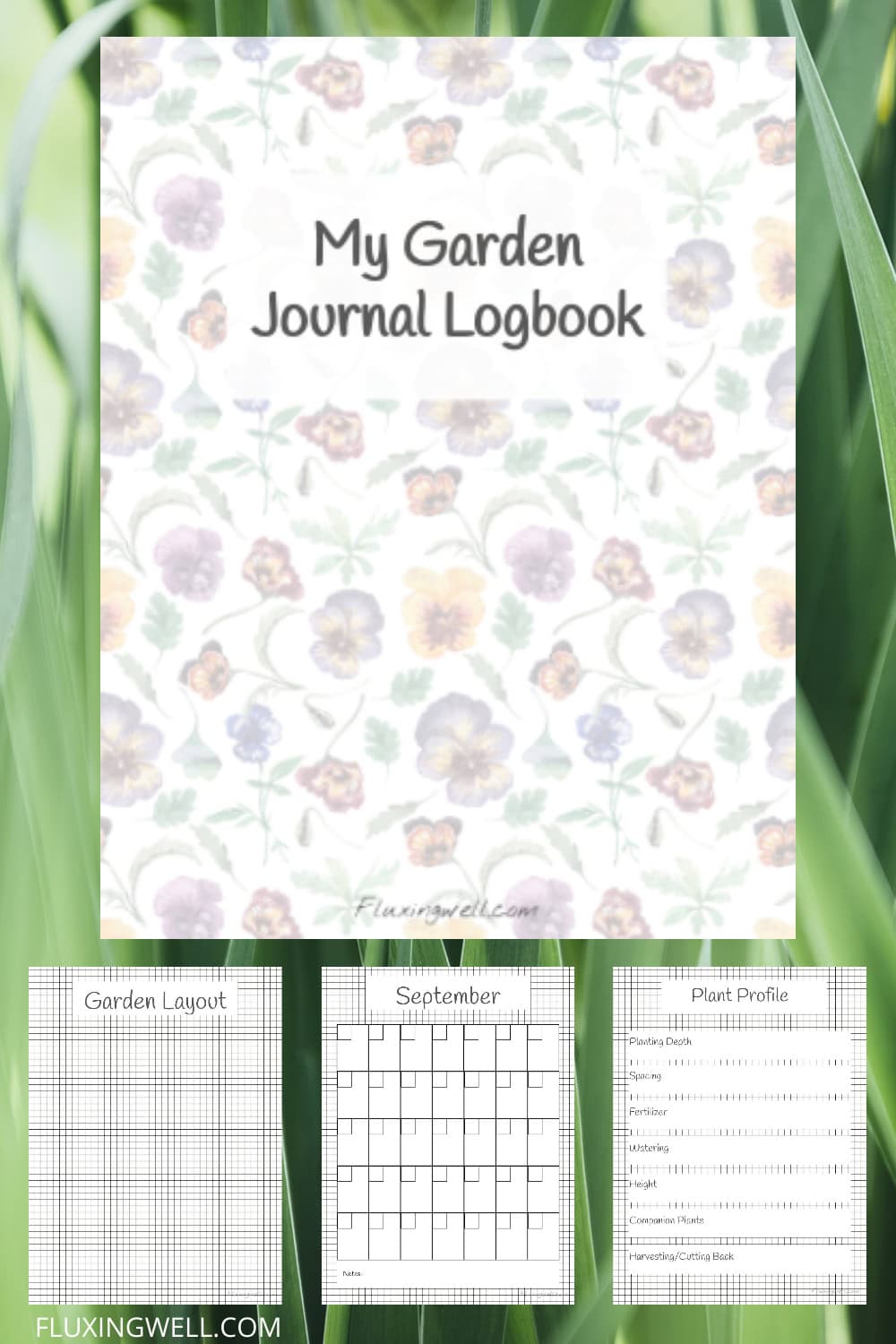
Now that you have learned about some compatible companion plants, keep track of your planting ideas, goals, and plans with a printable, editable free garden journal logbook. Choose the pages you want to use and customize them as you wish to record monthly, weekly, and daily garden tasks, lists, weather, and planting arrangements. There are also grid pages for easily designing the layout of your vegetable garden, flower garden, or landscape. Print it out and put it into a notebook you can take with you to the garden (that’s what I do). It’s nice to have all of your garden information in one place.
Get the garden journal logbook!
Free Online Garden Planner Layout Template
Now that you know which are the best companion plants for echinacea, you might need a way to plan your garden layout. Whether you are planting vegetables, flowers, or herbs near your lupine plants, this online garden planner can help you visualize your design and bring it to life. Arrange and rearrange the plants over and over, then print the layout when you are satisfied. With garden tasks that need your attention, this is one way to save time.

It’s fully customizable when you make your own copy and includes two editable chart pages for noting planting specifications.
Get my free online garden layout planner template!
Need More Planting Ideas?
Now that you know the best lilac companion plants, you might enjoy more companion planting guides on the blog. Check out the best companion plants for peonies, hostas, asters, or dahlias, or design a cut flower garden layout with room for a fragrant lilac. New to gardening? Try some foolproof, easy-care perennials alongside your lilac, plant some spring-flowering bulbs, or explore more fabulous flowering shrubs for the rest of the yard.
May all of your lilac-growing endeavors meet with success!

Lisa Mitchell is a wife, mom, and former school librarian who likes to grow fruit, herbs, vegetables, and flowers on her family’s small Pacific Northwest farm. To learn more about what this website has to offer gardeners, click on over to the Garden page.
Want more great garden, food, or travel ideas? Follow FluxingWell on Pinterest, Facebook, Instagram, and X for the latest posts, tips, and inspiration.
It is worth noting that certain plants, such as lavender, not only boost the lilac’s health by repelling pests but also enrich the soil, much like a well-balanced insurance policy that provides complementary protection without conflict. Planting nutrient-hungry species near lilacs can hinder their growth. The key, therefore, lies in making wise choices that foster synergy and complementarity.
I translated your comment, which was in French, as most of my readers read English. Thank you for taking the time to respond. Yes, I agree entirely that it’s important to consider a variety of factors when evaluating companion plants for lilacs or any other plant.
Very inspiring post! As always! I will keep it to go back and learn more about lilac companion flowers 🌹
Great! Have fun choosing the best flowers to surround your lilac with.
I didn’t realize the options available for lilac companion plants. This post came at the time when I was thinking about my container planting.
I’ll have to investigate lilacs for containers! Yes, there are many good options for lilac companion plants.
Thank you for this detailed look at the best lilac companion flowers and plants! It’s really helpful to know the plants to avoid as well! Great list of books to check out on growing lilacs, too!
Thank you! I’m always happy to pass along anything I learn, and lilacs are a favorite of mine.
What a beautiful and thorough guide about lilac companion plants. Saving this for future reference!
Great! I’m so glad you found it helpful.
Thank you for this post about the best lilac companion plants. I especially appreciate you featuring the Hilda Klager Lilac Garden, as I’ve been there and found it fascinating!
Terrific! Yes, the story of her persistence in developing new lilac cultivars is amazing. The featured image for this post and some of the other photos are from my visit there. Glad you liked the post!