
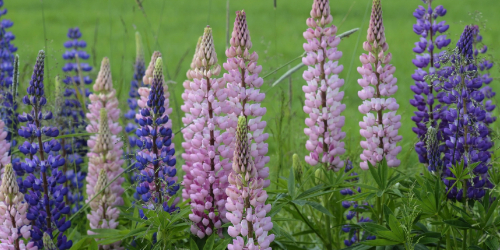
If you love the vibrant beauty of purple lupine spring blooms and want to enjoy these easy plants year after year, learning how to save lupine seeds is a rewarding next step. Whether you’re new to growing seeds or already enjoy harvesting flower seeds, collecting and planting lupine seeds is simpler than you might think. In this post, we’ll walk you through seed harvesting and saving tips so you can enjoy more lupine flowers in your garden or exchange the seeds with others. From understanding when to plant lupine seeds to successfully growing lupine from seed, this guide will help you make the most of these stunning perennial flowers. If you’ve ever wondered how to make a lupine flower flourish or nurture a lupine seedling into a showy springtime display, you’re in the right place.
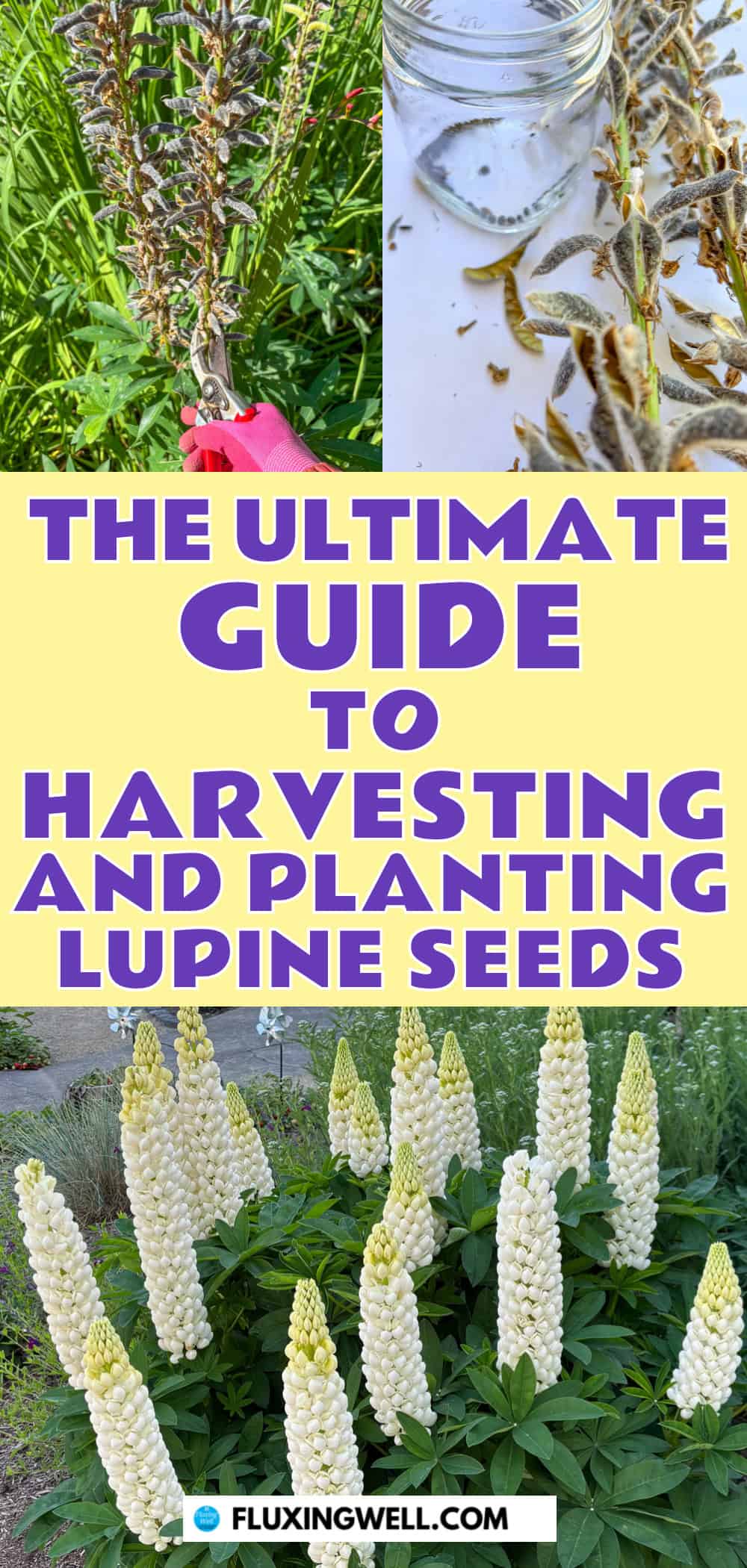
Why I Love Planting and Growing Lupines
I was first introduced to lupines when reading a beautiful book by Barbara Cooney called Miss Rumphius. This lovely story tells the tale of Alice Rumphius, a young girl who dreams of traveling the world and living by the sea, just like her grandfather. He also tells her there’s one more important thing she must do: make the world more beautiful. As she grows up, Alice becomes a librarian, explores far-off lands, and eventually settles in a seaside cottage. Wondering how she can fulfill her grandfather’s final wish, she finds inspiration in the beauty of lupine flowers. She begins scattering their seeds across the countryside, transforming the landscape with vibrant blooms, thus becoming known as the Lupine Lady.

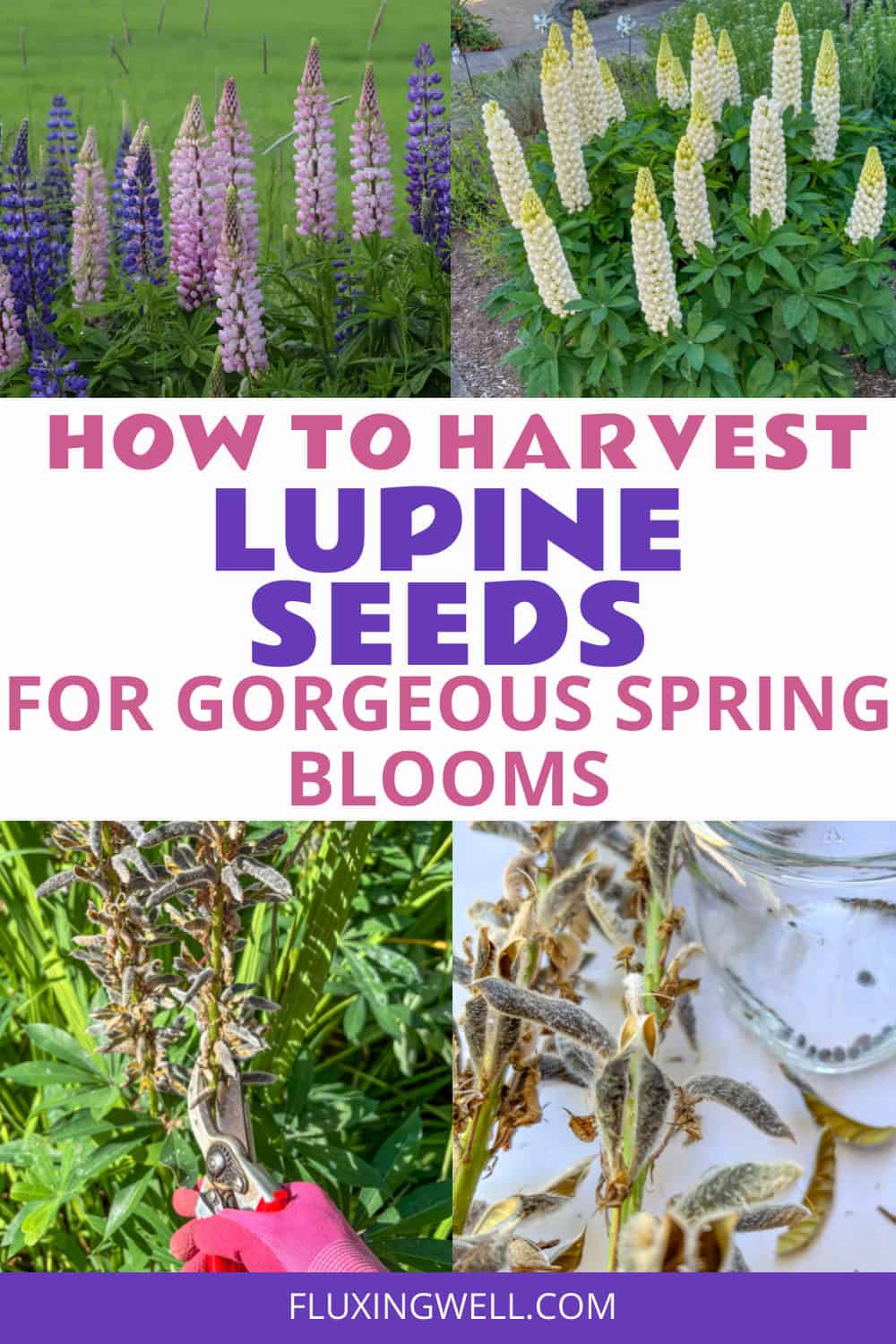
After reading the book, I was hooked on lupines, and are a perennial garden favorite in white, as shown below.

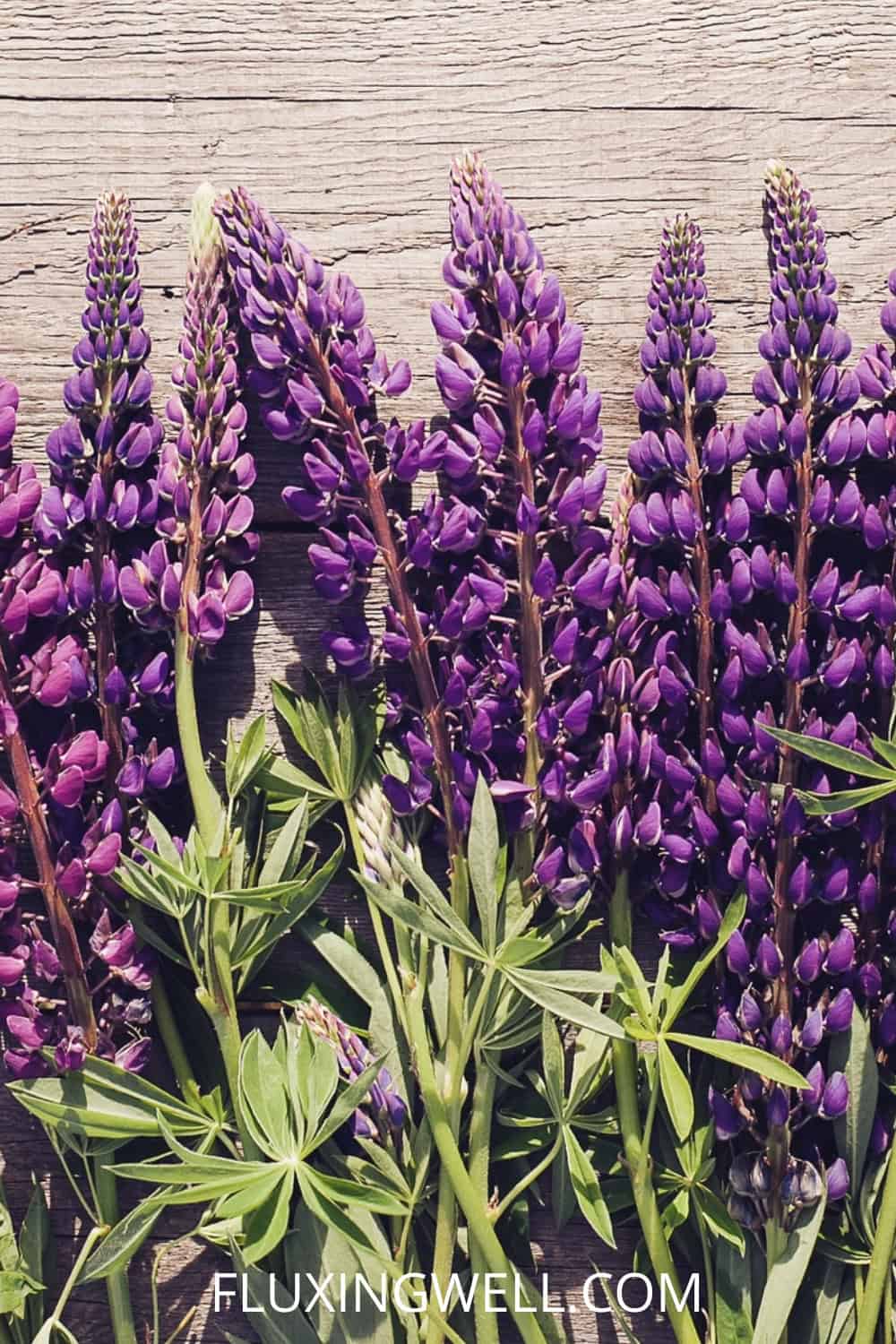
They also fit in well with a pink, purple, and blue color palette.

We also have some lupines growing wild on the edges of our forested areas with ferns and other companion plants. Lupines are deer-resistant plants that thrive in full sun. They require little care, and collecting the seeds will help you multiply your plants economically.

Steps to Harvesting Lupine Seeds

To harvest lupine seeds, wait until the flowers have faded and the seed pods have fully matured on the plant. They’ll turn from green to a tan or brown color and feel dry to the touch. Mature pods may also rattle when shaken.

Carefully snip the pods from the stalk using scissors or garden snips. It’s best to do this on a dry day to prevent mold or mildew. Handle them gently, as mature pods can split open and scatter seeds when disturbed.
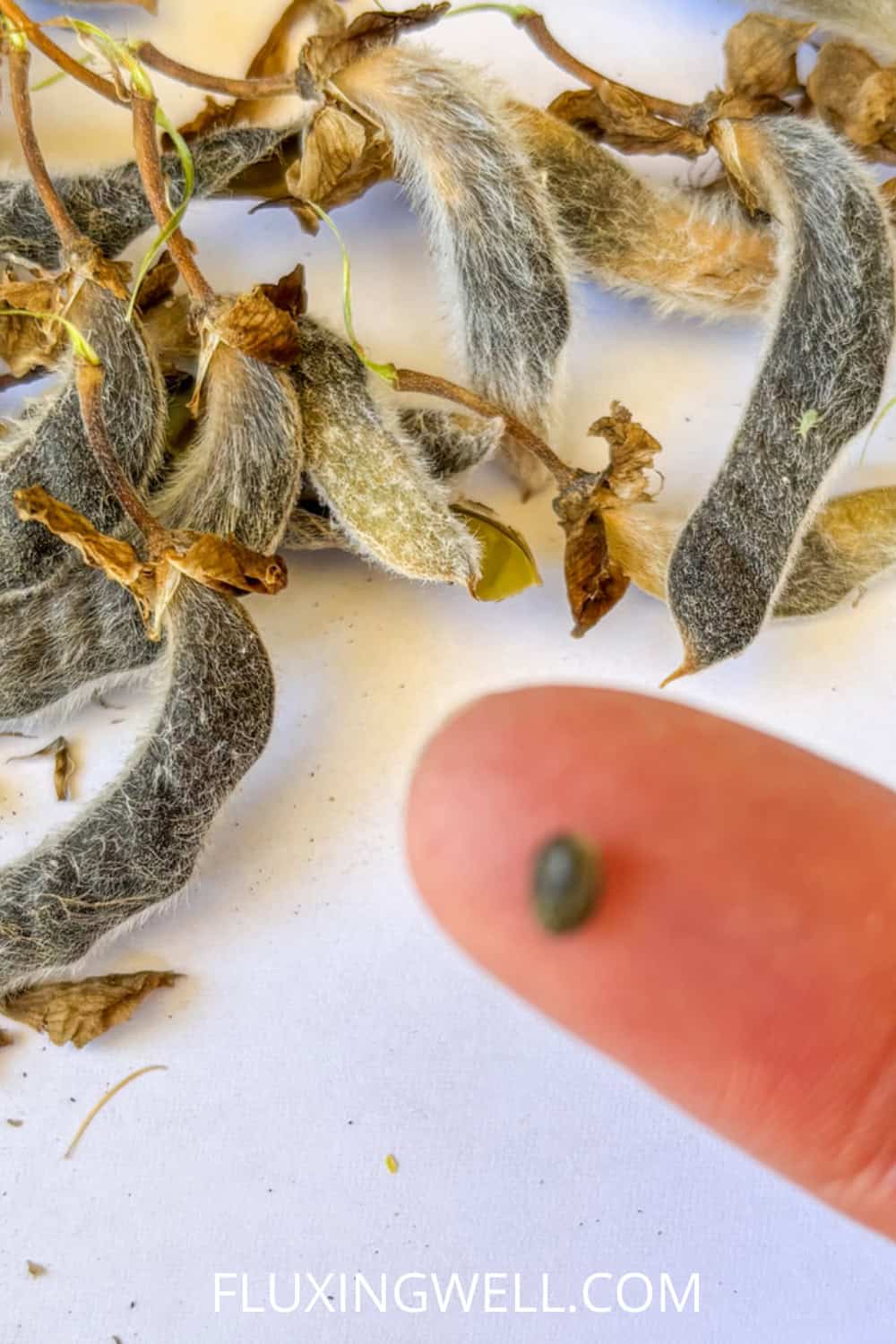
Place the harvested pods in a paper bag, container, or set out on sheets of paper and leave them in a cool, dry spot for about a week. (I like to set them out on paper so I can see them more easily, as they are quite small.) This helps the pods finish drying and makes them easier to open without damaging the seeds inside.

Once dry, gently open each pod by hand and collect the seeds. Discard any that look shriveled or discolored. Mature lupine seeds are small, round, and usually dark-colored.
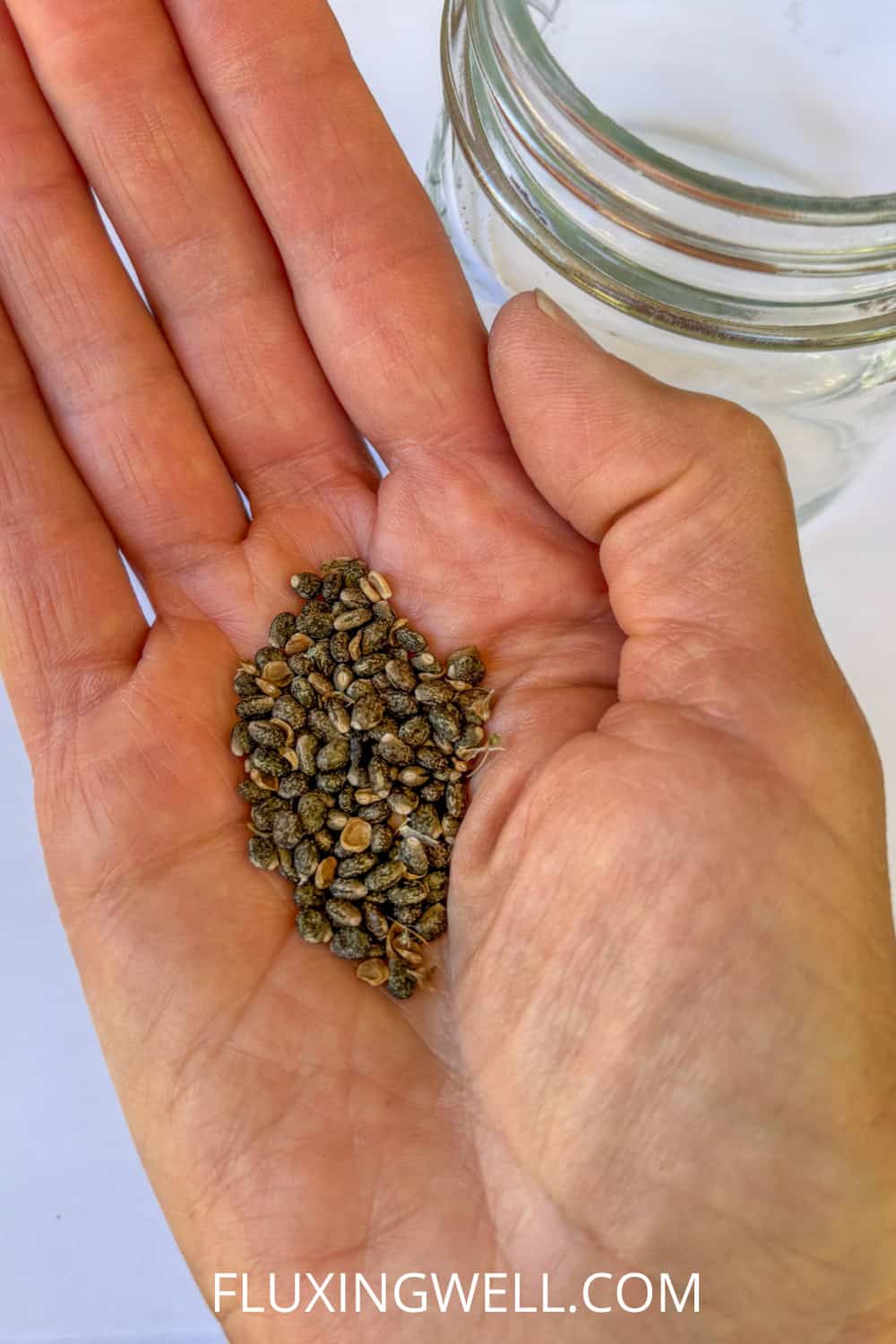
Store the seeds in a paper envelope or airtight container, clearly labeled with the date and variety. Keep them in a cool, dark place until you’re ready to plant them next season. I like to put mine in little glass jars and store them in the refrigerator until I need them.
When to Plant Lupine Seeds
The best time to plant lupine seeds is in early spring or fall, depending on your climate. In cooler regions, plant seeds in the spring after the last frost, giving them time to establish before summer heat sets in. In milder climates, fall planting works well, allowing seeds to naturally stratify over winter and sprout early in spring. For best results, scarify the seeds by gently nicking the seed coat or soaking them in warm water overnight before planting to improve germination.
Where to Plant Lupine Seeds
Plant lupine seeds in a spot that receives full sun for most of the day, as these flowers thrive with at least 6 hours of direct sunlight. Choose well-draining soil, preferably slightly sandy or loamy, since lupines don’t like soggy roots. They do best in areas with good air circulation and room to grow, as mature plants can reach 3 to 4 feet tall. Avoid overly rich soil, which can lead to more foliage than blooms. Lupines are ideal for garden borders, wildflower meadows, or cottage-style plantings where their tall spikes and vibrant colors can shine.
How to Plant Lupine Seeds
To plant lupine seeds, start by scarifying them. Gently nick the seed coat with a file or soak them in warm water for 12-24 hours to boost germination. Sow the seeds directly in the garden in early spring or fall, spacing them about 12 inches apart. Press them ⅛ to ¼ inch deep into well-draining soil and lightly cover with soil, then water gently. Choose a sunny spot with good air circulation. Keep the soil moist but not soggy until seedlings emerge, usually within 14-28 days. Once established, lupines need minimal care and will reward you with tall, colorful blooms in spring or early summer.
Common Lupine Questions
Can you just sprinkle lupine seeds?
You can sprinkle lupine seeds, but for better germination, it’s best to first soak them overnight or lightly scarify them to break their tough coating. After sprinkling, press the seeds gently into the soil about 1/8 to 1/4 inch deep to ensure good contact and keep the area moist until they sprout.
What’s the best time to plant lupine seeds?
The best time to plant lupine seeds is in early spring or fall. In spring, sow them as soon as the soil is workable, while fall planting allows seeds to naturally stratify over winter, leading to stronger germination in spring. Fall is especially effective in colder climates, as the freeze-thaw cycles help break the seed coat.
Do lupine seeds need to be soaked before planting?
Lupine seeds don’t have to be soaked before planting, but soaking them overnight is highly recommended to improve germination. The seeds have a hard outer shell that can slow down sprouting, and soaking helps soften this coating, making it easier for the seed to absorb water and begin growing. If you don’t soak them, scarifying the seeds by gently nicking or sanding them can also help.
Can you put lupin seeds straight in the ground?
Yes, you can plant lupin seeds straight in the ground, as they grow well when direct sown. For best results, choose a sunny spot with well-drained soil, and plant the seeds in early spring or fall. To improve germination, it helps to soak or scarify the seeds beforehand and press them about 1/8 to 1/4 inch deep into the soil. Keep the area moist until seedlings appear.
Do rabbits eat lupine?
Rabbits generally avoid eating lupine because the plant contains bitter-tasting alkaloids that can be toxic to them. While young rabbits might nibble out of curiosity, most quickly learn to steer clear due to the unpleasant taste and potential digestive upset. However, in times of food scarcity, hungry rabbits might still sample the leaves or seedlings, so some protection may be needed in early growth stages.
Can lupins be grown in pots?
Yes, lupins can be grown in pots, but they need deep containers because of their long taproots. Choose a pot that’s at least 12–16 inches deep with good drainage, and use a well-draining soil mix. Dwarf or compact lupin varieties are best suited for containers. Place the pot in a sunny spot, keep the soil consistently moist but not soggy, and avoid disturbing the roots during transplanting, as lupins don’t like being moved.
What Are Your Favorite Seeds to Save?
What about you, my gardening friends from far and near? Do you have a favorite seeds to save? I save the seeds from plants I am able to grow fairly easily. Maybe there are special plants you grow well in your area that are different from the plants grown in my area. I’d love to know about them, as well as any additional seed-saving tips you may have.
Free Online Garden Planner Layout Template
Now that you know how to save seeds for next year, you might need a way to plan your garden layout. Whether you are planting vegetables, flowers, or herbs near your hydrangea plant, this online garden planner can help you visualize your design and bring it to life. With garden tasks that need your attention, this is one way to save time.

Get my free online garden layout planner template!
Organize Your Garden Tasks with a Free Garden Planner Notebook
As a result of needing to keep track of garden tasks throughout the year, I decided to begin a garden planner notebook. It has a page for each month, along with notes pages. If a garden planner notebook seems like a good idea to you, good news! You can get it here!

Get the garden notebook!
Have a wonderful week, and may all of your lupine seed-saving endeavors meet with success!

Lisa Mitchell is a wife, mom, and school librarian who likes to grow fruit, vegetables, and flowers on her family’s small Pacific Northwest farm. To learn more about what this website has to offer gardeners, click on over to the Garden page.
Like what you read here? Please give it a share!
Want more great garden, food, or travel ideas? Follow FluxingWell on Pinterest, Facebook, Instagram, and X for the latest posts, tips, and inspiration.
Oh my! Look at those pictures! Lupines sure are beautiful! My grandparents, particularly my grandfather loves taking care of plants in his backyard! My father has lately gotten into eating a lot of cherries and have saved some of the seeds!
Nice! I highly recommend lupines for a perennial flower bed or for any other place in a landscape that has a cottage garden feel.
Thank you for this helpful beginner’s guide to harvest, save, and grow lupine seeds. What gorgeous plants to add beauty both in the ground and in a pot!
You are most welcome. I’m so glad you found this lupine seed saving guide helpful.
Thanks for the tips and careful explanations about harvesting lupine seeds. They’re such a beautiful flower, so why not plan ahead for future blooms! Great photos!
Thank you for the kind words. I agree that planning ahead is the way to go!
Thank you for this step-by-step guide to harvesting lupine seeds. I appreciate the planting tips as well. According to your photos, my lupine seeds are ready to be harvested, so I better get out there!
Have fun harvesting and planting lupine seeds!