

Looking for a fresh way to inspire others and build stronger roots in your gardening community? Creating a seed exchange library is a rewarding project that combines seed saving, sharing, and community engagement. Whether you’re dreaming of a small DIY seed library at home, a free seed library at your local branch, or a larger community seed library setup with a garden club, it’s easier than you think to get started. With the right educational materials, creative seed library ideas, and a few seed swap ideas, you can turn your passion for plants into a thriving seed library program. From how to start a seed collection to organizing a seed exchange library for your community, this guide will help you grow your own seed bank and maybe even inspire someone searching for a “seed library near me.” Don’t miss our DIY free printables to get your project sprouting!
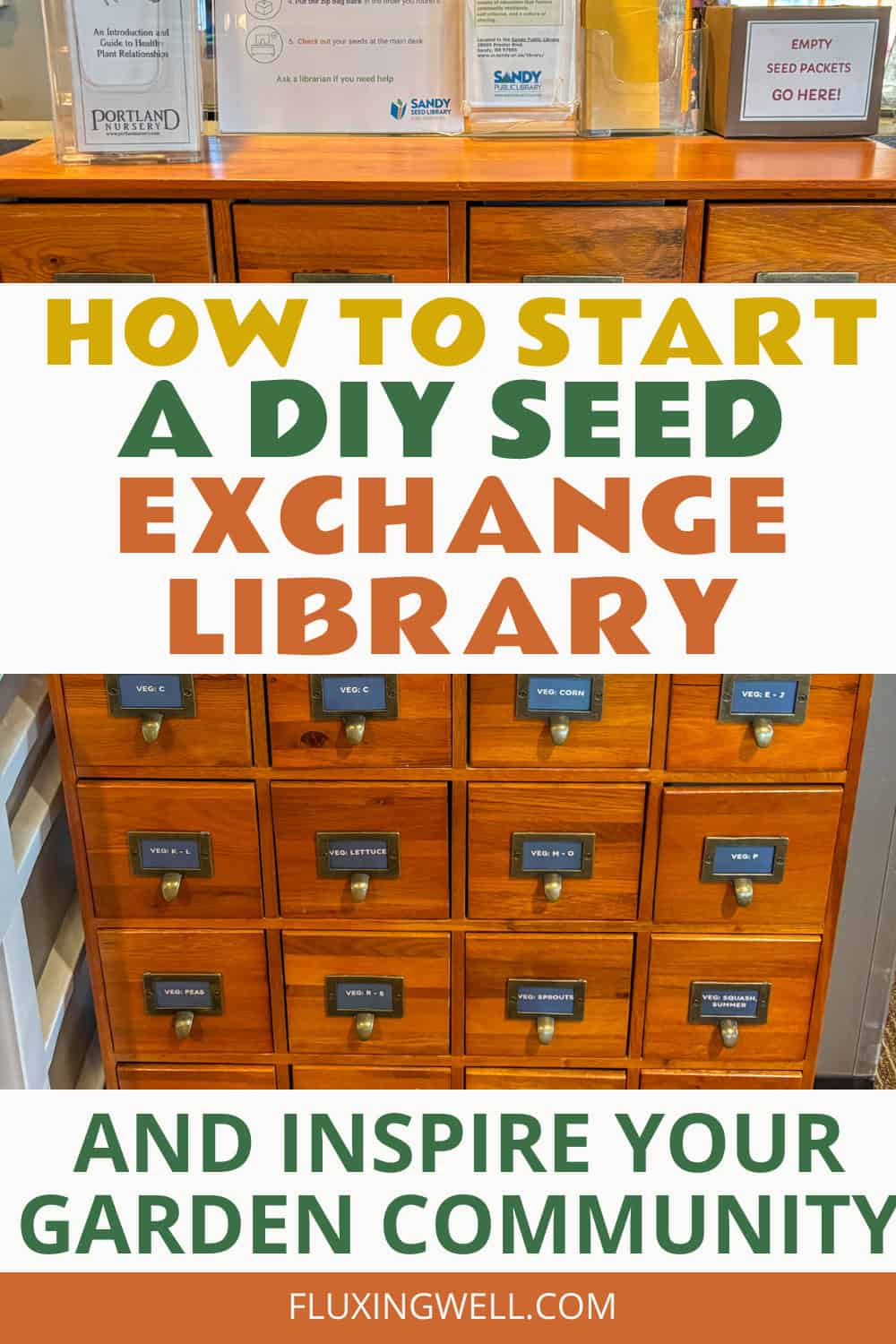
My Seed Exchange Library Inspiration
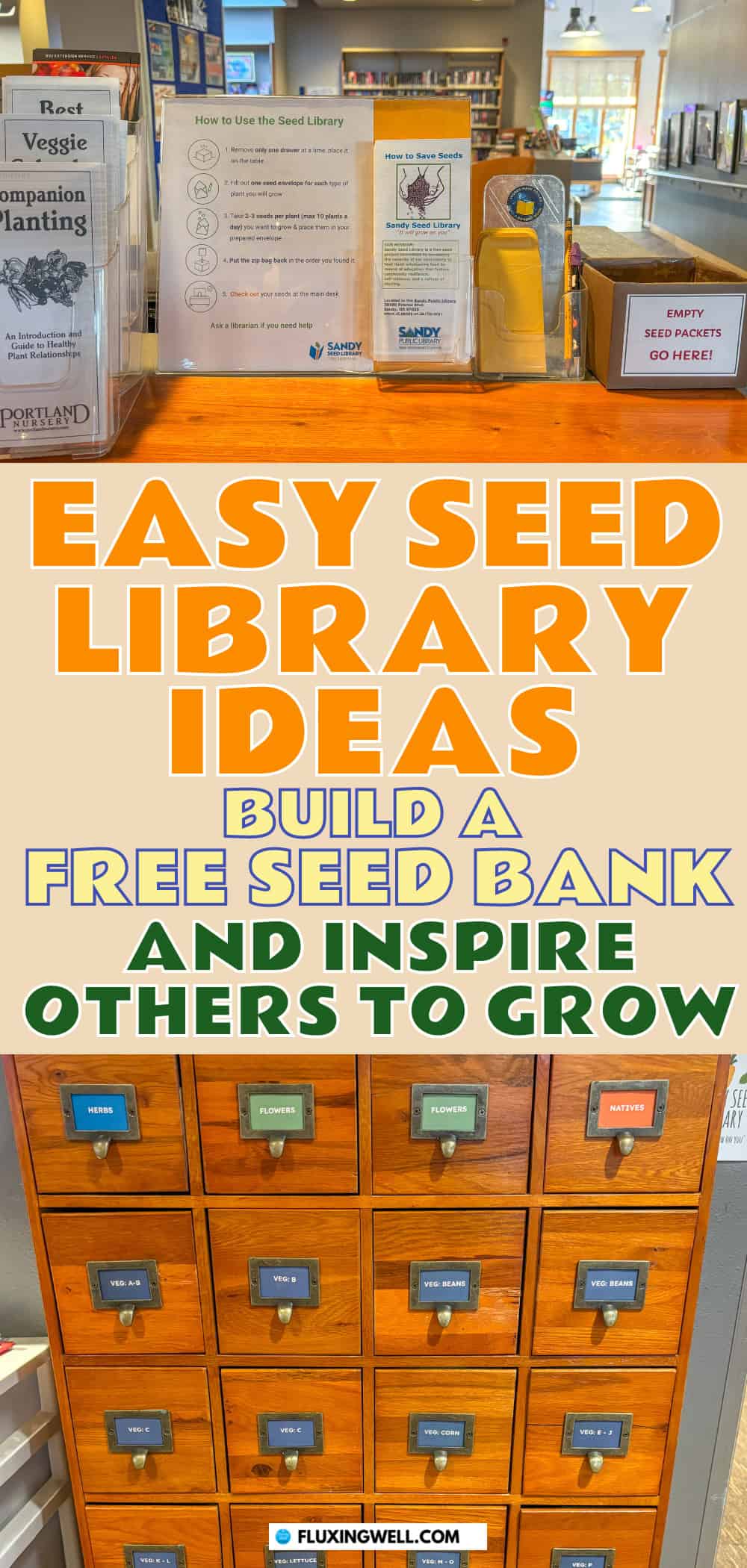
My small town is lucky to have a wonderful public library and an active garden club. The club often meets in the library’s community room and hosts many of its events there, which made it the perfect place to start a seed exchange library. When the library moved from a traditional card catalog to a digital system, the staff wisely kept the old card catalog cabinet, an ideal home for organizing and storing seeds. Thanks to dedicated library volunteers who helped set it up and continue to maintain it, the seed exchange library has become a popular free resource open to everyone in the community. I hope this project will inspire others to create similar collections. Read on for simple steps, helpful tips, and free printables to help you get started!

How to Start a Seed Collection
Start with What You Grow
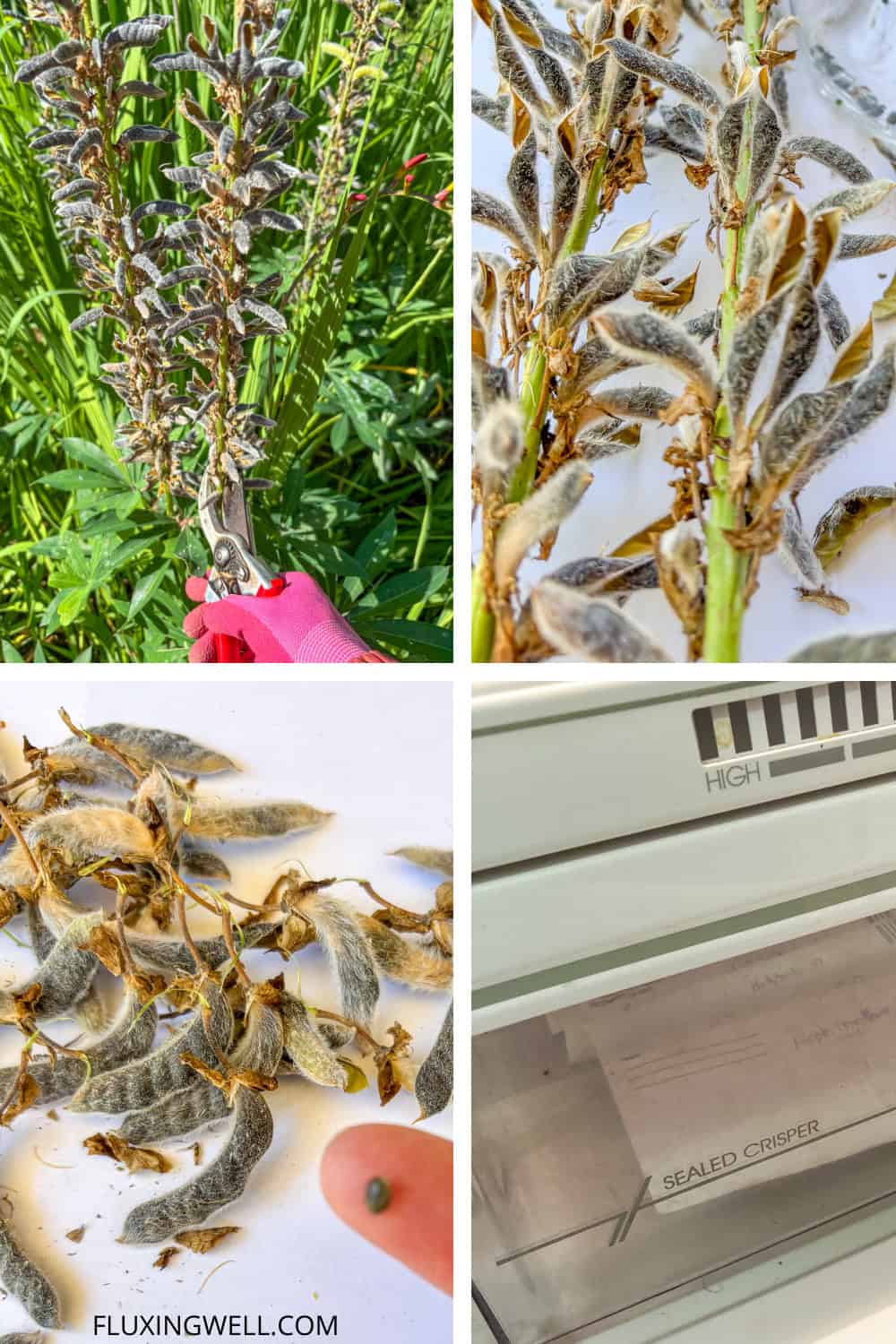
Begin by collecting seeds from your own garden. Choose healthy, mature plants (especially open-pollinated or heirloom varieties) so the next generation grows true to type. Keep reading for more details about open-pollinated seeds vs. hybrid seeds. Easy seeds to save include sunflowers, lupine, scarlet runner beans, and hollyhocks. Go here for detailed seed-saving tips in addition to what is listed here. Here are the basics.
Let Seeds Fully Mature
Allow seed pods, flower heads, or fruit to dry naturally on the plant before harvesting. This ensures the seeds inside are fully developed and ready for long-term storage.
Clean and Dry Thoroughly
Remove any chaff or debris and spread the seeds on a paper towel or screen to air dry for several days. Moisture is the enemy of good storage, so be patient.
Label Everything Clearly
Use paper envelopes, small jars, or recycled containers. Label with the plant name, variety, and harvest year. I like to save envelopes with windows so I can see what the seeds look like. You can also save empty seed packets.
Store in a Cool, Dark Place
Keep your seeds in airtight containers in a cool, dry location. A closet, pantry, garage, or sealed jar in the refrigerator works well. Sometimes I leave my jars open in the refrigerator to ensure they dry completely.
Trade and Grow Your Collection
Start a seed exchange library (see easy steps listed above), join local swap events, or trade with gardening friends to expand your collection without spending money.
Keep Notes
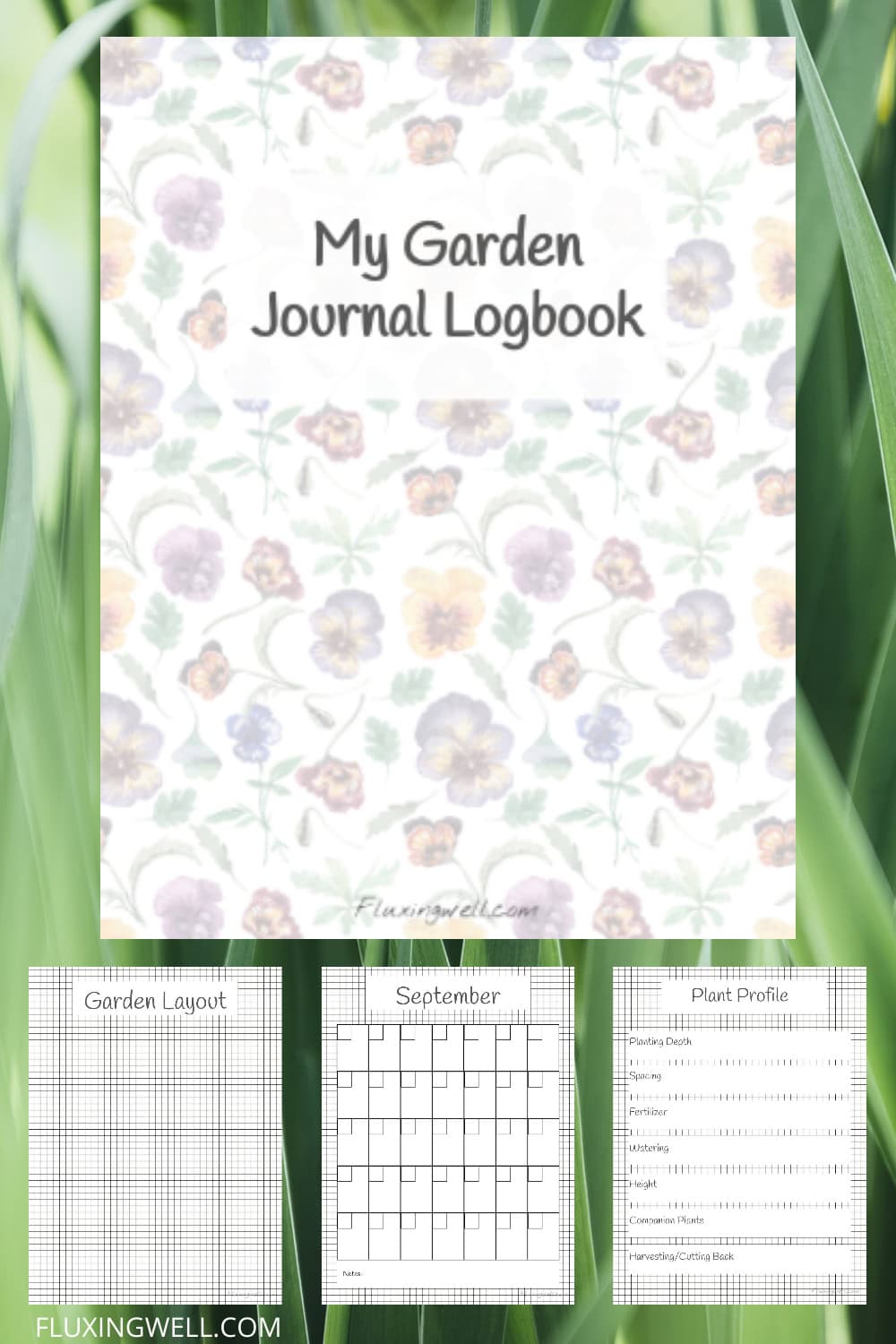
Record germination success, favorite varieties, and any seed saving tips. This turns your seed collection into a personalized, evolving seed bank. A free Garden Journal Logbook is ideal for this. Choose the pages you want to use and customize them as you wish to record monthly, weekly, and daily garden tasks, lists, weather, and seed harvesting notes. There are also grid pages for easily designing the layout of your vegetable garden, flower garden, or landscape. Print it out and put it into a notebook you can take with you to the garden (that’s what I do). It’s nice to have all of your garden information in one place.
Get the garden journal logbook!
Steps to Creating a Free Seed Exchange Library
Choose a Location
Find a convenient, community-friendly spot, like a front yard, local library, garden club, school, or community center. A small weatherproof box, bookshelf, or repurposed card catalog cabinet or other shelving works perfectly. Keep reading for more details about storage tips.
Gather Materials
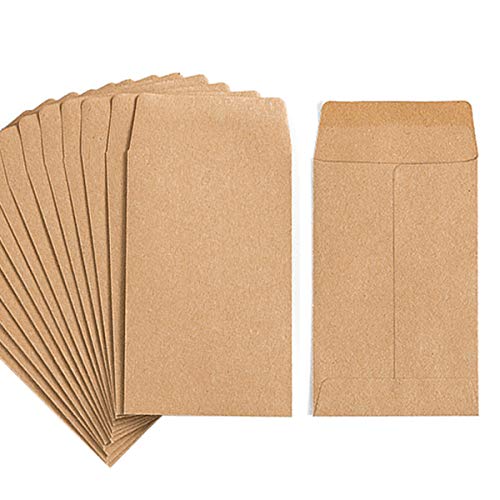
You’ll need small jars, envelopes, or containers for the seeds, clear labels, markers, and signage explaining how to use the library. Use free printable forms (keep scrolling for those) to keep it budget-friendly. These little envelopes are what my local seed exchange library has on offer for those who are taking seeds from the collection.
Collect and Label Seeds
Start with your own saved seeds or extras from fellow gardeners. Label each with the plant name, variety, harvest year, basic growing instructions, and whether the seeds are open-pollinated or hybrid. Encourage participants to share seed-saving tips and favorite seed library ideas.

Organize by Type
Separate seeds into simple categories like vegetables, herbs, and flowers. Use drawers, baskets, jars, or small bins to keep things tidy and easy to browse.
Add Educational Materials
Include a binder or display with seed saving guides, community seed library setup tips, and educational materials on planting and pollinators.
Encourage Community Engagement
Invite neighbors, garden clubs, and schools to participate. Host small seed swap events, post on social media, or include it in garden club program ideas to inspire others. My library has a monthly online newsletter in which the seed exchange library is frequently promoted.
Maintain and Refresh
Check periodically to keep the seed stock fresh and organized. Rotate older seeds and add new heirloom varieties or donations throughout the year.
Free Seed Exchange Library Starter Kit
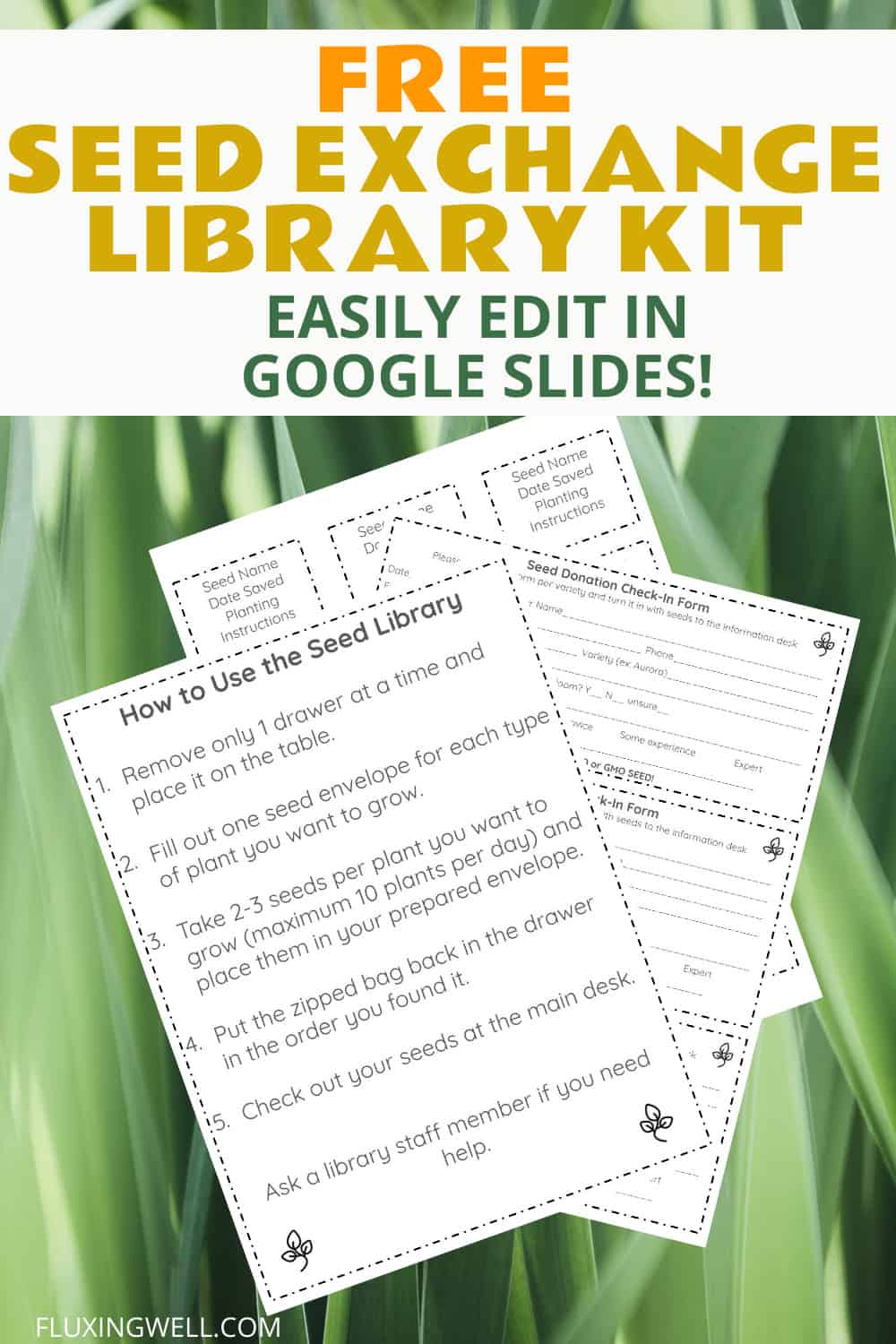
Get editable templates for guidelines, seed collection forms for contributors, and seed packet label templates for organizing your collection. All templates are editable in Google Slides, and were inspired by the seed exchange program at my local library. Your seed exchange program may be set up differently. Change the font, change the words, and adapt to fit your seed exchange needs. Simply click here or on the image, then click the copy button, and you’re all set to begin customizing.
Upcycle and Repurpose: Storage Organizers and Tips
Choose storage that protects seeds from moisture, heat and sunlight. Seeds have a longer shelf life if stored in cool, dry conditions.
Make sure your drawers/boxes will fit the size of the seed envelopes or containers you’re using (and allow for growth).
Upcycled and Repurposed Storage Options
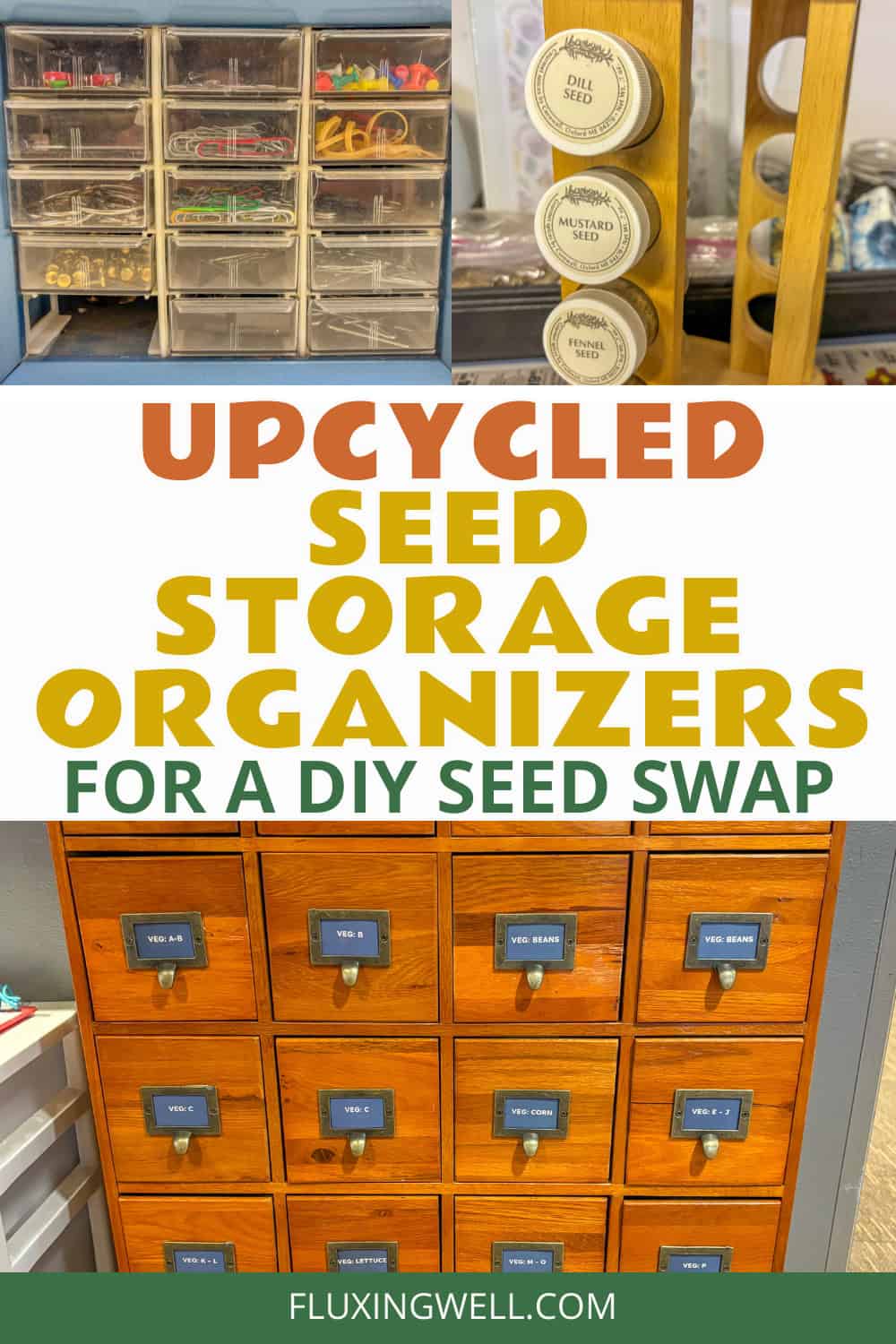
Reuse/repurpose furniture if possible (for budget). For example: old card-catalog cabinets, wooden drawers, or small-parts organizers. You could repurpose an old spice rack. The little glass jars are perfect for storing a seed collection.
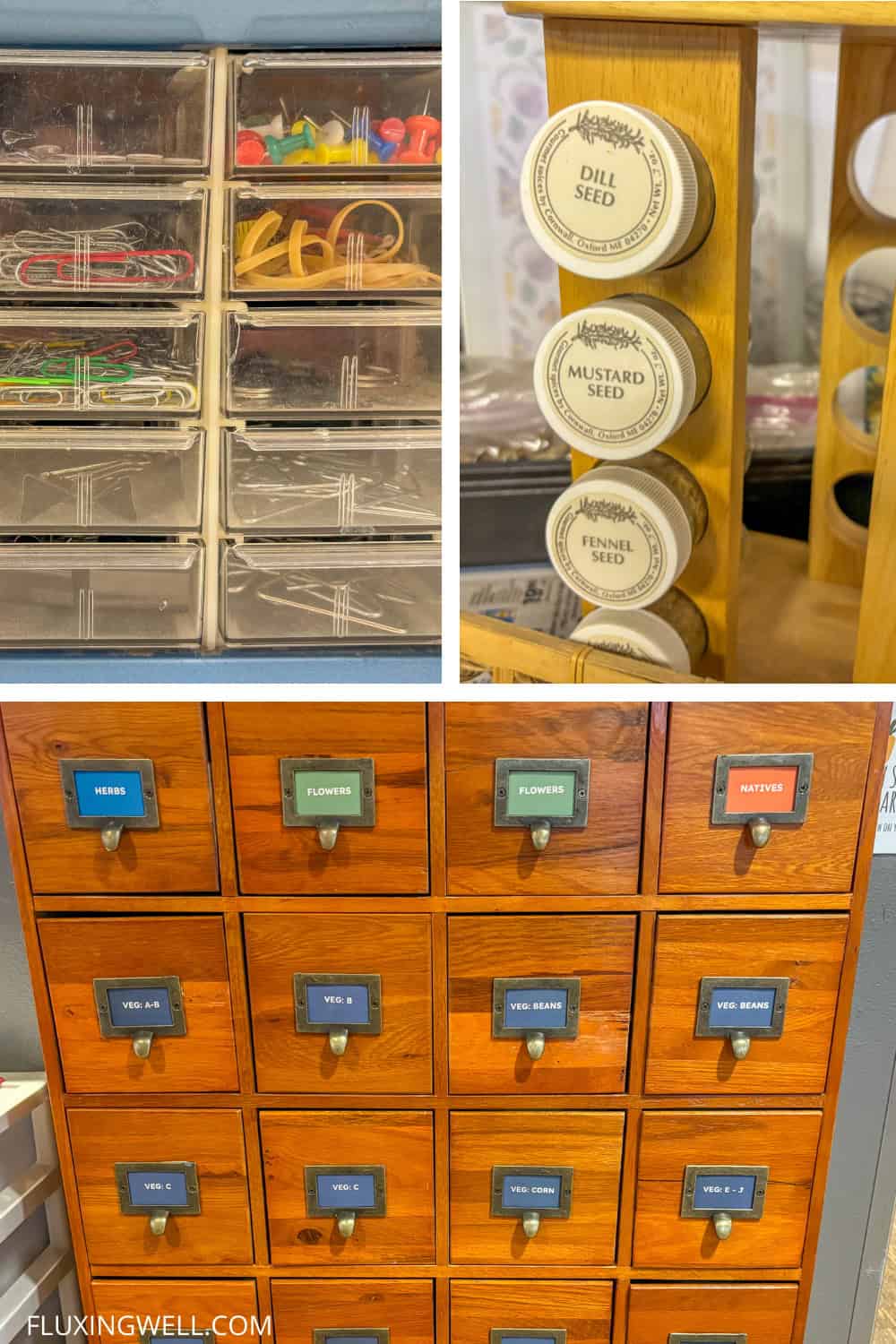
Develop a consistent method of categorization (by plant family, by super-easy vs difficult seeds, alphabetical, or by season) so library users can easily find/re-stock. For the small glass jars, you could put numbers on the lids, as the types of seeds you save from year to year may change. The numbered list would indicate which seeds were in which jar.
Pay attention to moisture control: e.g., sealed containers or desiccant packets inside drawers are a good idea.

Open-Pollinated vs. Hybrid Seeds: What’s the Difference?
Open-Pollinated Seeds
Open-pollinated seeds come from plants that are naturally pollinated by wind, insects, or birds. When you save seeds from these plants and replant them, they’ll grow true to type, meaning the new plants will closely resemble the parent plant in flavor, color, and growth habit. These varieties are often heirlooms, valued for their reliability, adaptability, and traditional flavor. Open-pollinated plants are ideal for seed saving and community seed libraries because they can be passed down year after year.
Hybrid Seeds
Hybrid seeds (often labeled F1) are created by deliberately crossing two different parent plants to produce offspring with specific traits, like disease resistance, uniform size, or higher yield. While hybrid plants are often vigorous and productive, the seeds they produce won’t grow true to the parent plant. If you save and replant hybrid seeds, the next generation will be unpredictable and may not perform as well. This has never stopped me from saving the seeds, though. If you donate hybrid seeds to a seed exchange library, just make sure they are labeled as hybrid.
Another Seed-Saving Idea
If you have an abundance of extra seeds, consider making DIY seed bombs to spread flower cheer. Lupine seeds are just about the right size, and you can group different seed types in seed bombs for variety. Hollyhock seeds would also work well.
Free Online Garden Planner Layout Template
With so many seed-saving ideas, you might need a way to plan your garden layout for optimum seed harvests. Whether you are planting vegetables, flowers, or herbs, this online garden planner can help you visualize your design and bring it to life. Arrange and rearrange the plants over and over, then print the layout when you are satisfied. With garden tasks that need your attention, this is one way to save time.

Have a wonderful week, and may all of your seed-saving endeavors meet with success!

Lisa Mitchell is a wife, mom, and school librarian who likes to grow fruit, herbs, vegetables, and flowers on her family’s small Pacific Northwest farm. To learn more about what this website has to offer gardeners, click on over to the Garden page.
Want more great garden, food, or travel ideas? Follow FluxingWell on Pinterest, Facebook, Instagram, and X for the latest posts, tips, and inspiration.
Your seed exchange library ideas are amazing! Genius! I love the idea of upcycling old card catalogs.
Thank you! It does my librarian heart good to see the old card catalog cabinets being repurposed into something so useful for everyone. Seed saving libraries fo rthe win!
What a great idea to create a seed exchange library! Using upcycled seed storage organizers is brilliant. As a library assistant throughout school, I fondly remember the traditional card catalogs. Such a cool idea to make them into a functional DIY seed storage organizer!
I agree! It’s so wonderful to see the old library card catalog cabinets getting new life as seed exchange libraries. I hope you’re able to find one or start one where you live.
Wow! talk about synchronicity, I only heard about these seed exchange libraries yesterday for the very first time. My friend had just come back from America and was telling us about them. This is an interesting article with lots of ideas. Thanks.
They are a win for everyone all around. Gardeners get to give and take seeds for free, plus the beautiful old library card catalog cabinet gets a new lease on life!
I do love repurposing and the upcycled and repurposed storage options you suggest for creating your own seed exchange library. Makes this so easy to do and organize the seeds. I wish I had one of those library card catalog cabinets… so beautiful and practical
Yes, and my guess is that now the seed-saving library idea is catching on, the beautiful old card catalog cabinets might be getting harder to find. Who knows, you might get lucky!
Wonderful free seed exchange ideas! Thank you for including free printable templates as well. I’m inspired to get my seed collection organized and share my seeds with others.
I’m so glad you like the ideas and hope you are able to start your own seed exchange library. Happy seed-saving!