
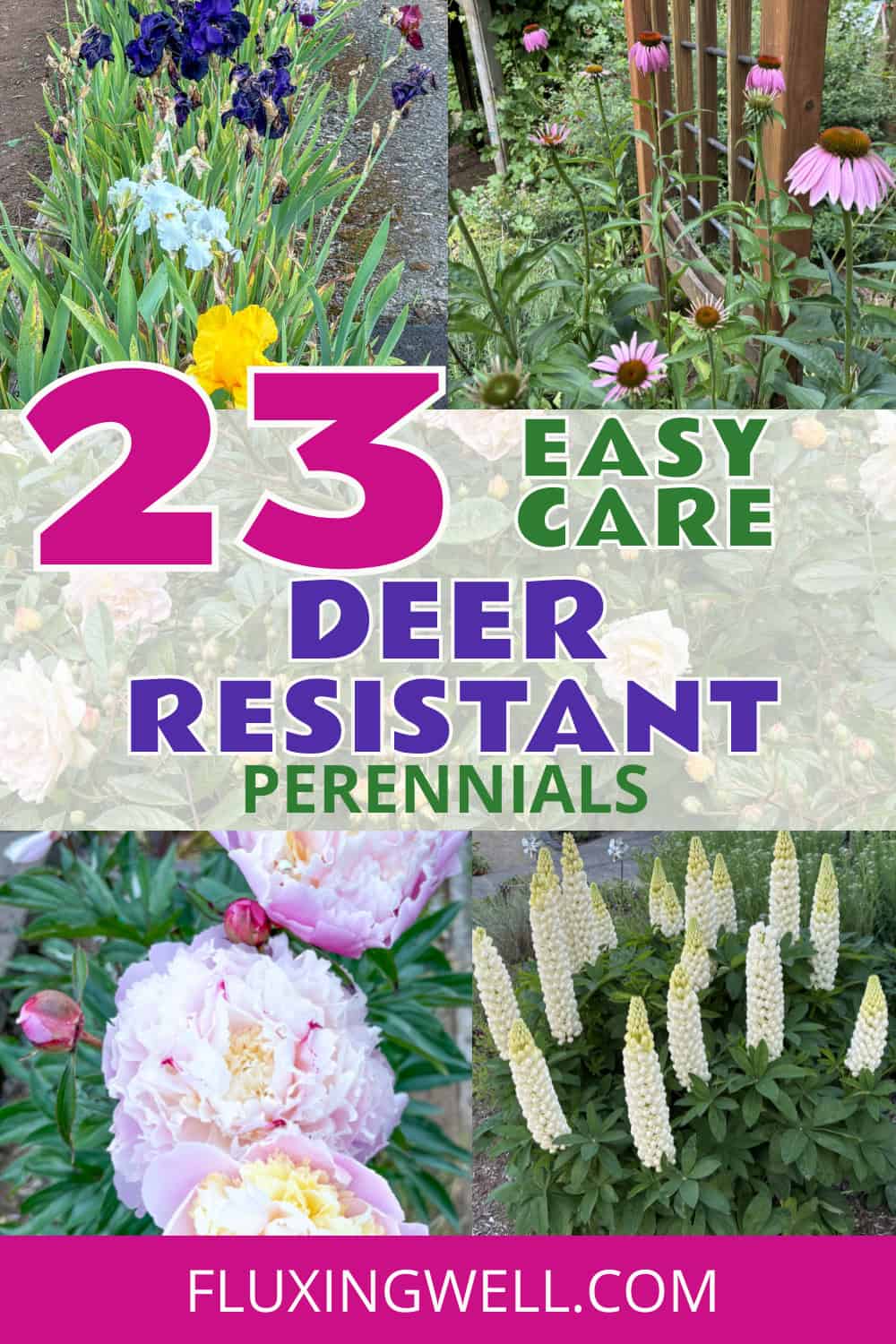
Tired of your garden becoming a deer buffet? You’re not alone! But fear not, fellow gardeners, because you can have a stunning, low-maintenance landscape that those pesky nibblers will bypass. Let’s dive into the world of deer resistant perennials, where beauty meets resilience. Get ideas for creating effective deer resistant garden plans and choosing the right deer resistant or deer repellant plants, as well as tips for designing a protective garden bed border and finding the perfect deer resistant shade plants, part shade plants, and full sun plants for your deer resistant landscaping. After decades of living on a farm that is surrounded by a wooded boundary, I know which plants the deer avoid. Read on for some easy-care deer-resistant plant inspiration!
My Deer Resistant Gardening Backstory
As previously noted, our small farm is bordered by woods on all sides, so we have tried many things to keep the deer from dining on our tasty plant buffet. Although we have a fence around our orchard, the rest of the property is unfenced (see the post about deer resistant vegetables and herbs for an explanation). To survive without deer damage in our garden, the perennials have to be plants the deer don’t like (I also employ this strategy with slugs). I often divide and transplant the ones that thrive so our landscape is filled with them. Here’s a list of some low-maintenance favorites that give pleasure year after year, organized alphabetically. Some of the plants are shade-loving, some thrive in part shade, and some are sun-loving beauties. Enjoy perusing the list!
Bearded Iris
Deer Resistance: The tough, sword-like leaves and the somewhat toxic nature of the iris rhizomes discourage deer.
Growing Tips: Requires full sun and well-drained soil. Plant rhizomes shallowly, with the tops exposed. Divide clumps every 3-4 years to maintain vigor. Here is our iris border on one edge of our vegetable garden.

Bleeding Heart
Deer Resistance: Bleeding heart contains alkaloids that deter deer.
Growing Tips: Prefers partial shade and moist, well-drained soil. Goes dormant in hot summer weather. Beautiful spring blooming plant.
Catmint
Deer Resistance: Catmint’s fuzzy, aromatic leaves are a natural deer repellent.
Growing Tips: Thrives in full sun or partial shade. Very adaptable to various soil types. Easy to grow and requires minimal care.
Columbine
Deer Resistance: Columbine’s slightly toxic compounds and delicate, spurred flowers make it less appealing to deer.
Growing Tips: Prefers partial shade and well-drained, humus-rich soil. Deadhead spent flowers to prolong blooming. Attracts hummingbirds!
Coreopsis
Deer Resistance: The wiry stems and slightly bitter taste of some Coreopsis varieties deter deer.
Growing Tips: Prefers full sun and well-drained soil. Deadhead spent flowers to prolong blooming. Very low maintenance.
Daffodils
Deer Resistance: Daffodils are toxic, so deer avoid them.
Growing Tips: Plant bulbs in the fall in well-drained soil. Full sun to partial shade. They are bulbs, but they are perennial bulbs. Our daffodils our one of our first blooms of spring.

Ferns (Various Species)
Deer Resistance: The frond texture, and the taste of many ferns, is not desirable to deer.
Growing Tips: Different ferns have different requirements, but many prefer shady moist areas. Good for filling in shady areas of the garden. Provide rich organic soil.
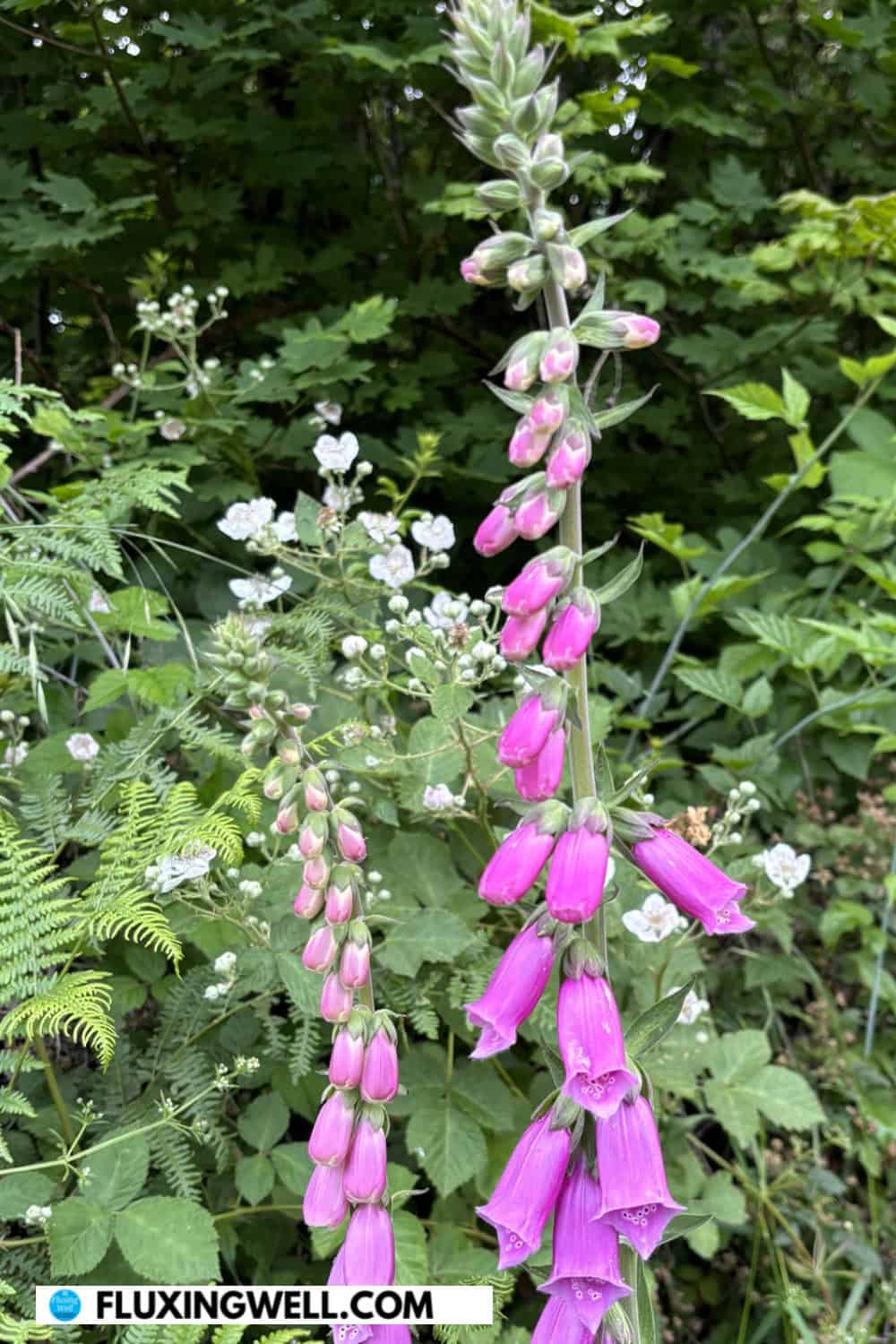
Foxglove
Deer Resistance: Foxglove is highly toxic, making it a definite no-go for deer.
Growing Tips: Prefers partial shade and moist, well-drained soil. Be aware that all parts of the plant are poisonous. Foxglove is a biennial or short lived perennial. It will seed prolifically if you let it. We let foxglove grow sparingly in our perennial garden, but let it go wild with seeding along the edge of the wooded areas of our property. Here it is pictured with our wooded background.
Hellebore
Deer Resistance: Hellebores contain toxins that deter deer.
Growing Tips: Tolerates partial to full shade. Prefers well-drained, fertile soil. Provides early spring blooms, a valuable asset in any garden.
Lady’s Mantle
Deer Resistance: Lady’s mantle’s fuzzy leaves and slightly bitter taste make it unappetizing to deer.
Growing Tips: Prefers full sun to partial shade and well-drained soil. Tolerates a variety of soil types. Self-seeds readily.
Lavender
Deer Resistance: Lavender’s strong, aromatic scent is a major turn-off for deer. They much prefer sweeter, less pungent flavors.
Growing Tips: Plant in full sun and well-drained soil. Water sparingly once established; lavender thrives in drier conditions. Prune lightly after flowering to maintain shape.
Lily of the Valley
Deer Resistance: Lily of the valley contains cardiac glycosides, making it highly toxic to deer and other animals.
Growing Tips: Thrives in partial to full shade and moist, well-drained soil. Spreads readily, so consider its placement in your garden. All parts of this plant are poisonous.
Lungwort (Pulmonaria)
Deer Resistance: The fuzzy leaves and the texture of lungwort are not desirable to deer.
Growing Tips: Prefers partial to full shade, and moist well draining soil. The spotted leaves add nice texture to the shade garden. Early spring blooms. A bonus benefit of this plant is it divides easily and doesn’t spread. The blossoms are a beautiful periwinkle color, and we grow some right near our back patio.

Lupine
Deer Resistance: Lupine’s slightly toxic alkaloids and fuzzy texture make it less appealing to deer.
Growing Tips: Prefers full sun and well-drained, slightly acidic soil. Can be sown directly in the garden in early spring or fall. Deadhead spent flowers to prevent self-seeding and encourage more blooms. Lupine comes in a variety of colors, and I especially like these white ones.

Monarda
Deer Resistance: The very aromatic leaves of Monarda, also known as bee balm, are not desirable to deer.
Growing Tips: Prefers full sun to partial shade, and moist well draining soil. Good for attracting pollinators. Can be susceptible to powdery mildew, so good air flow is important.
Ornamental Grasses
Deer Resistance: The wiry texture of ornamental grasses isn’t appealing to deer.
Growing Tips: Most grasses enjoy full sun. They’re generally drought-tolerant once established. Cut back in late winter or early spring before new growth emerges.
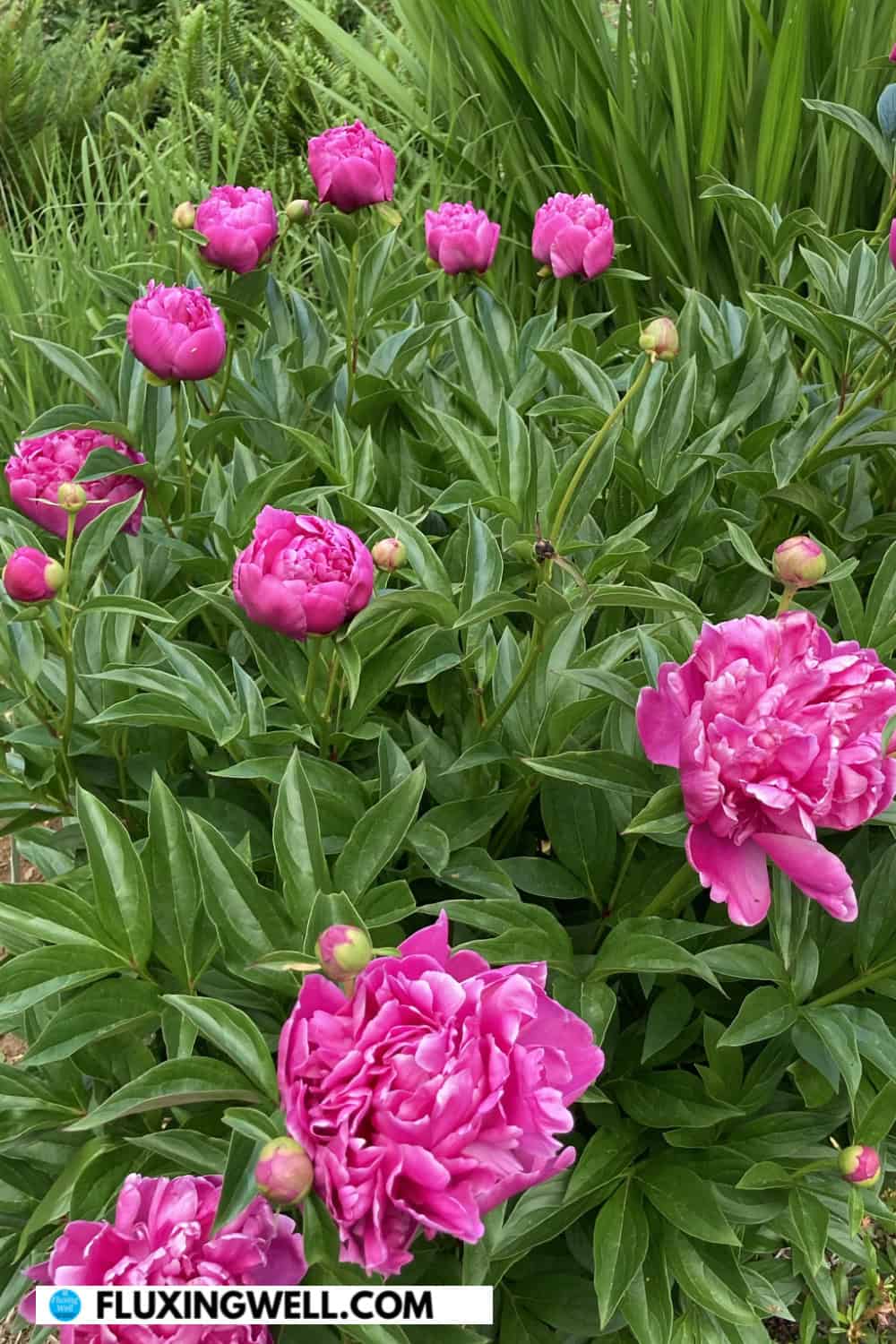
Peony
Deer Resistance: Peonies have a slightly bitter taste and thick stems that deer tend to avoid.
Growing Tips: Plant in full sun to partial shade. Prefers well-drained, fertile soil. Plant with the “eyes” (buds) facing upward, just below the soil surface. The peonies we have in our garden were given to us by my dear late mother-in-law, so they are extra special to us. Bonus: Peonies are also slug-resistant!
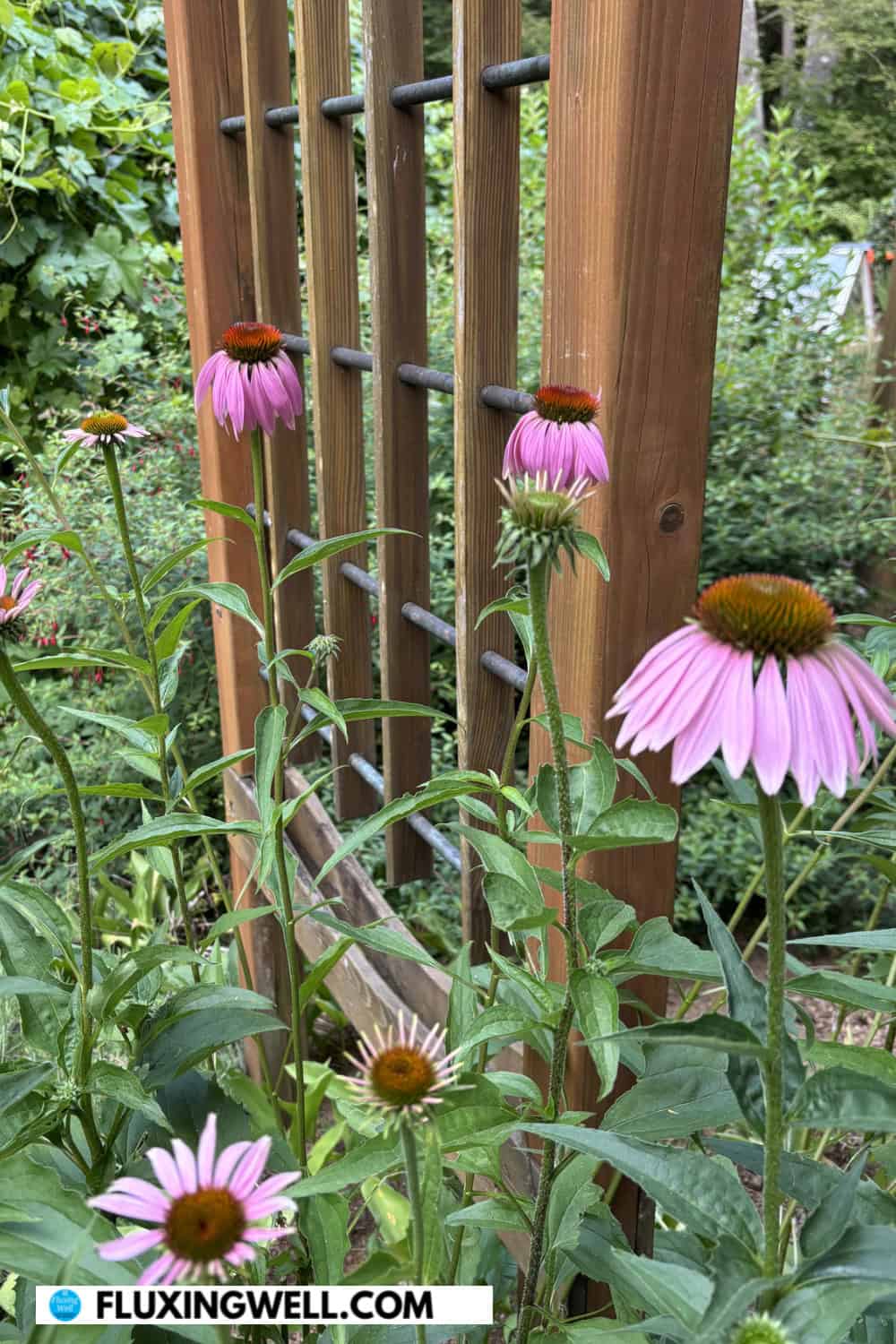
Purple Coneflower (Echinacea)
Deer Resistance: Due to its somewhat coarse texture and sometimes its scent is considered less appealing to deer than many other garden plants.
Growing Tips: Plant in full sun (at least 6 hours) is ideal. The soil should be well-drained. Water regularly during the first year to establish roots; then, they’re drought-tolerant. Remove spent flowers to encourage more blooms. Divide clumps every 3-4 years to prevent overcrowding. In colder climates, mulch for winter protection. Ours grow well on the south side of our house near a trellis.
Russian Sage
Deer Resistance: Its strong, aromatic scent and fuzzy, grayish foliage are a natural deer deterrent.
Growing Tips: Thrives in full sun and well-drained soil. Very drought-tolerant once established. Cut back in early spring to encourage new growth.
Salvia
Deer Resistance: Similar to lavender, salvia’s fragrant foliage discourages deer.
Growing Tips: Prefers full sun, but some varieties tolerate partial shade. Well-drained soil is essential. Deadhead spent flowers to encourage continuous blooming.
Sea Holly
Deer Resistance: The prickly, tough nature of sea holly makes it very unappealing to deer.
Growing Tips: Prefers full sun, and very well-draining soil. Tolerates drought and poor soil. Unique metallic blue flowers.
Trillium
Deer Resistance: Trillium, while a delicate woodland plant, is generally avoided by deer due to its somewhat bitter taste and potential toxicity.
Growing Tips: Prefers shady, woodland conditions with moist, acidic soil. Plant rhizomes in the fall. Be aware that trillium can be slow to establish. We treasure each of the blooms that pop up, mainly in shady areas of our back yard.

Yarrow
Deer Resistance: Yarrow’s strong scent and slightly bitter taste make it unappetizing to deer.
Growing Tips: Prefers full sun and well-drained soil. Drought-tolerant and low-maintenance. Deadhead to prolong blooming.
Designing a Garden Bed Border
Consider planting deer-resistant plants around the perimeter of your vegetable garden to create a natural barrier. When planting deer-resistant perennials around a garden bed, consider layering for visual depth and continuous bloom. Position taller varieties (like irises or daffodils) towards the back or center, creating a backdrop for medium and shorter plants (like pulmonaria). Utilize varying textures and foliage colors to add interest, even when flowers are not in bloom. Group plants in odd numbers for a natural, flowing look, and ensure adequate spacing to allow for mature growth and air circulation. Consider the sun exposure and soil requirements of each plant, and also avoid perennials that tend to spread or self-sow overabundantly, like columbine and foxglove. We have a row of irises along one edge of our vegetable garden, and they have thrived.
An Added Measure of Deer Protection: My Favorite Hack
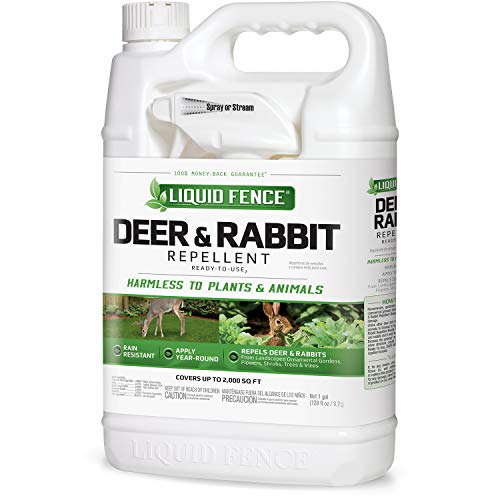
It’s important to remember that deer behavior can be unpredictable, and no plant is 100% deer-proof. These plants are simply less likely to be eaten. What can you do as an added measure of deer-repellant? Two words: Liquid Fence! I buy it by the gallon, and I appreciate that it isn’t harmful to people or pets. Yes, it is smelly when first applied, so you don’t want to be downwind when spraying, but the smell goes away (for us humans) when it dries.
Need More Planting Ideas?
Get a list of deer resistant vegetables and herbs here. Check out the tips for the best companion plants for eggplant to learn what to grow with those beauties. If you like the idea of companion planting, you might be interested in reading about the best companion plants for pumpkins, irises, sunflowers, garlic, asparagus, rosemary, radishes, beetroot (beets), thyme, parsley, lupine, borage, stevia, kale, dahlias, or the best companion plants for lavender. Get tips for growing stunning dahlias or vintage roses. Are you a beginning gardener? Try planting some foolproof, easy-care perennials, or learning about the best companion plants for columbine. There are so many exciting plants to grow!
Keep Track of Your Garden with a Journal Logbook
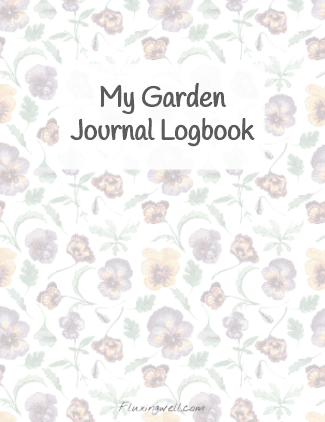
Now that you have learned about some deer resistant perennials, keep track of your planting ideas, goals, and plans with a printable, editable free garden journal logbook. Choose the pages you want to use and customize them as you wish to record monthly, weekly, and daily garden tasks, lists, weather, and planting arrangements. There are also grid pages for easily designing the layout of your vegetable garden, flower garden, or landscape. Print it out and put it into a notebook you can take with you to the garden (that’s what I do). It’s nice to have all of your garden information in one place.
Free Online Garden Planner Layout Template
Now that you know which are the best companion plants for arugula, you might need a way to plan your garden layout. Whether you are planting vegetables, flowers, or herbs near your lupine plants, this online garden planner can help you visualize your design and bring it to life. Arrange and rearrange the plants over and over, then print the layout when you are satisfied. With garden tasks that need your attention, this is one way to save time.

It’s fully customizable when you make your own copy and includes two editable chart pages for noting planting specifications.
Get my free online garden layout planner template!
Have a wonderful day, and may all of your planting endeavors meet with success!

Lisa Mitchell is a wife, mom, and school librarian who likes to grow fruit, herbs, vegetables, and flowers on her family’s small Pacific Northwest farm. To learn more about what this website has to offer gardeners, click on over to the Garden page.
Thanks so much for this informative guide to deer-resistant perennials. We do often see deer in our neighborhood, so this will be so helpful!
You are most welcome! I’m glad you found the deer-resistant ideas helpful.
Loved this list! So helpful for anyone planning a garden with deer resistant perennials.
Thank you! I hope this helps anyone with deer problems to have a thriving, deer-resistant garden.
Thank you for this list of deer resistant perennials. I can’t wait to add them to my garden. Goodbye, deer dinner train!
Yes! Let the deer eat other things besides your garden plants. Hope this list of deer-resistant plants helps!