
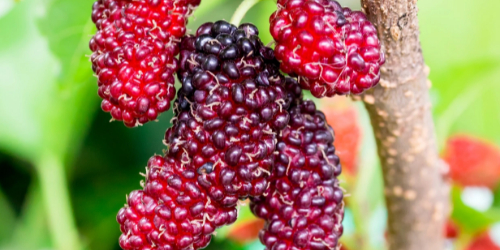
Sweet, juicy mulberries are a treat in any backyard, but the secret to a thriving tree often lies in choosing the right mulberry companion plants. Whether you’re planning a productive berry patch with other berry plants, experimenting with berry bushes garden ideas, designing a thoughtful berry garden layout, or, like me, adding a mulberry tree to a decades-old fruit orchard, smart garden companion planting can help your mulberry tree grow stronger and produce more fruit. From helpful herbs and flowers to shrubs that fit beautifully into a mulberry tree guild, the right partners can transform your space into a flourishing ecosystem. For over thirty years, my family has been experimenting with growing a variety of edible plants in our USDA Plant Hardiness Zone 8b gardens. Whether you’re curious about what a mulberry tree looks like, growing a mulberry in a pot, or searching for practical growing mulberry tree tips, this guide will help you pair your tree with plants that support healthy growing mulberry trees and a more abundant garden.
What is a Mulberry Tree Guild?
A mulberry tree guild is a layered planting system built around a mulberry tree that includes fruit trees, berries, herbs, and groundcovers that support each other. This type of planting works especially well in a food forest or backyard orchard because mulberries grow large and provide shade, organic matter, and wildlife habitat. Get a mulberry tree guild layout idea further on down.
My Mulberry Tree Plans
I decided to add a dwarf mulberry tree to our fruit orchard because I wanted the benefits of fresh, sweet mulberries without the space demands of a full-sized tree. The compact size of the tree seemed like a perfect fit as dwarf varieties are easier to prune, harvest, and maintain. Dwarf mulberry trees produce abundant fruit relatively quickly and would attract pollinators to the orchard. I was looking for manageable mulberry cultivation to fit into my schedule, and I appreciated the low-maintenance features of the dwarf mulberry. I found an ideal candidate at MyPerfectPlants.com.
Challenges of Growing a Dwarf Mulberry Tree in Our Orchard
The main challenge of growing a dwarf mulberry tree in our orchard is our flock of chickens. They roam around freely, and would love to add sweet, delicious mulberries to their buffet. Our orchard is fully fenced to keep deer away, but the birds feast on the fruit on the trees. Read more about my plans to protect my dwarf mulberry tree from birds down below in the section about common pests.
Mulberry Companion Plants: Flowers
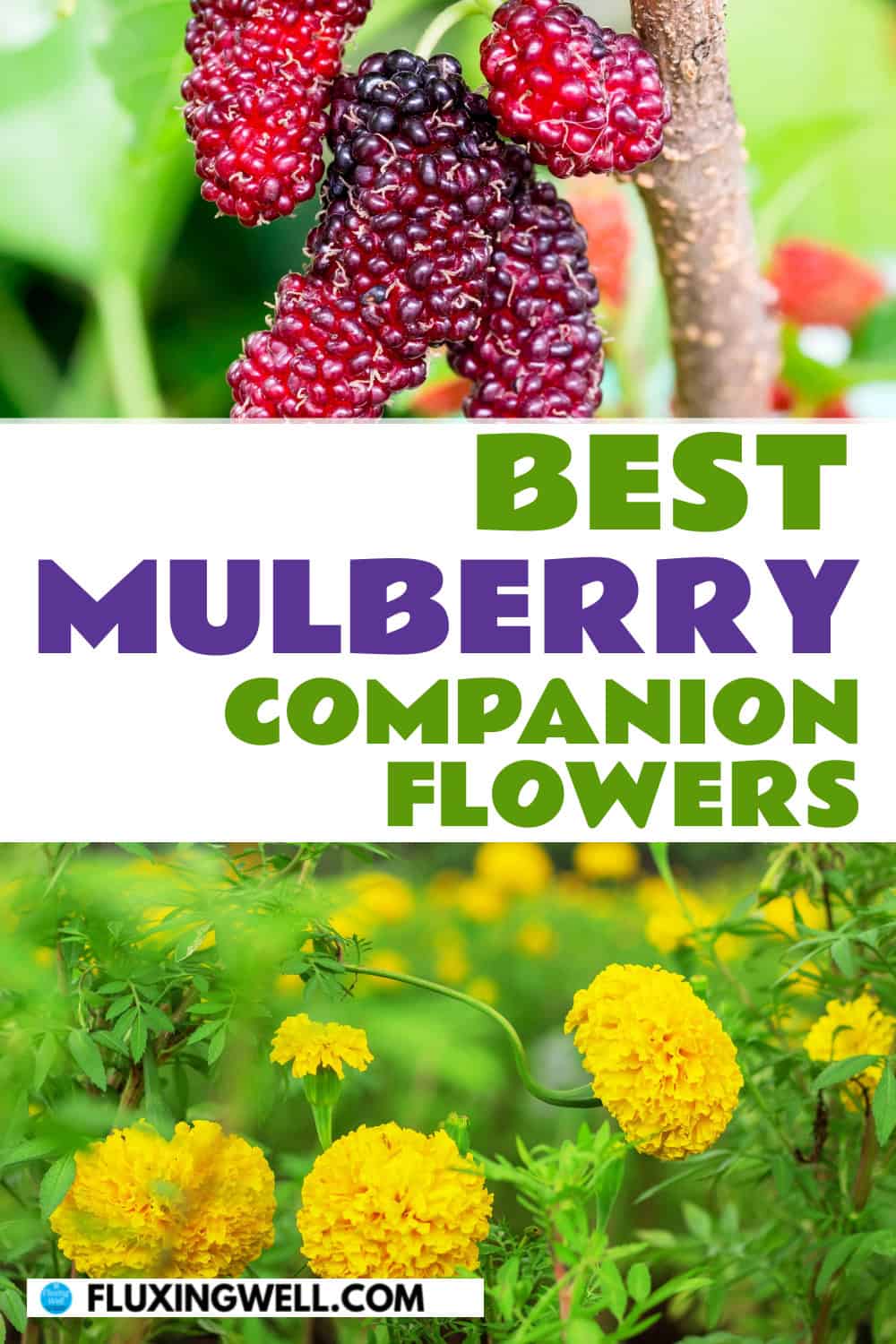
Planting flowers around mulberry trees can improve pollination, attract beneficial insects, and help deter pests while creating a beautiful edible landscape. Mulberries benefit most from hardy, pollinator-friendly flowers that tolerate partial shade and don’t compete heavily with the tree’s roots.
Here are some of the best companion flowers for mulberry trees:
Marigolds
Marigolds are excellent pest-repelling flowers. Their scent helps deter nematodes and some harmful insects, making them a classic companion plant for fruit trees.
Nasturtiums
Nasturtiums act as a trap crop, attracting aphids away from nearby plants. Their trailing habit also works well as a living mulch around trees.
Calendula
Calendula officinalis
Calendula attracts pollinators and beneficial insects such as hoverflies that help control pests.
Yarrow
Yarrow attracts predatory insects like lady beetles and parasitic wasps, which help keep pests under control in a fruit tree guild.
Borage is fantastic for pollinators and is believed to improve nearby plant vigor. Bees especially love its star-shaped blue flowers.
Coneflowers bring in bees and butterflies while providing long-lasting summer blooms.
Bee Balm
This fragrant perennial attracts hummingbirds, bees, and butterflies and thrives in sunny garden spaces around fruit trees.
Sweet Alyssum
A low-growing flower that draws in beneficial insects like hoverflies and lacewings that prey on aphids.
Mulberry Companion Plants: Fruit Trees
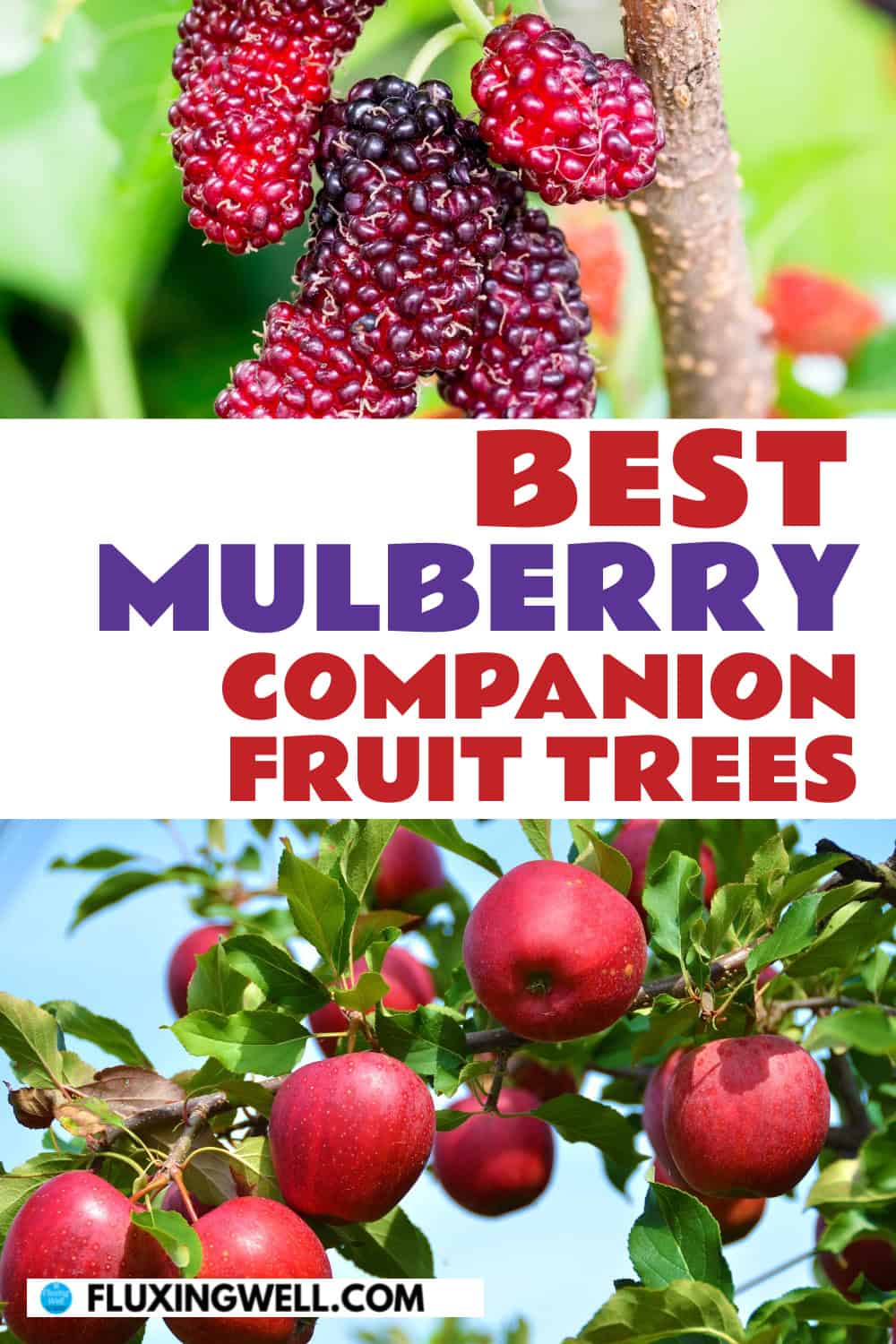
Planting a dwarf mulberry tree in an orchard allows growers to maximize space and increase fruit production without overcrowding. Their smaller size makes them easier to manage, prune, and harvest, and they can be interplanted with other fruit trees for efficient use of sunlight and soil. Dwarf mulberries also mature faster than standard trees, providing an earlier and more consistent yield, while attracting pollinators that benefit the entire orchard ecosystem. This combination of practicality and productivity makes them a smart choice for both home and commercial orchards. Here are some of the best companion fruit trees for mulberry trees:
Apple trees are one of the most commonly paired orchard companions. Mulberries often ripen earlier and attract birds, which can help protect apple crops from bird damage. I want to harvest my mulberries, so I’ll take preventative measures to keep them from being eaten (see illustration further down).
Pear Trees
Pear trees grow well in similar conditions—full sun and well-drained soil—and fit nicely into mixed orchards with mulberries.
Cherry Trees
Cherries benefit from increased pollinator activity when planted near other fruiting trees like mulberries.
Plum Trees
Plums are compatible in small orchards or food forests because they have similar water and sunlight needs.
Persimmon Trees
Persimmons are hardy and tolerate similar climates and soil conditions, making them good companions in diversified orchards.
Fig Trees
Figs can grow well near mulberries in warm climates and are often included together in edible landscape designs.
Pawpaw Trees
Pawpaws can work as understory fruit trees because they tolerate partial shade from larger trees like mulberry.
Mulberry Companion Plants: Herbs
Planting herbs around mulberry trees can improve soil health, attract pollinators, and help deter pests. Many herbs also tolerate the partial shade and root competition found under mature mulberry trees, making them ideal companions in a fruit tree guild. Here are some of the best companion herbs for mulberry trees:
Comfrey
Comfrey is one of the best plants for fruit tree guilds. Its deep roots pull nutrients like potassium and calcium up from the soil, and its leaves can be chopped and dropped as nutrient-rich mulch around the tree.
Chives help deter pests such as aphids and Japanese beetles while attracting pollinators when they bloom.
Lemon balm attracts bees and beneficial insects. It grows well in partial shade and can act as a fragrant groundcover around the base of a mulberry tree.
Mint
Mint repels certain pests and spreads easily, helping cover the soil. It’s best planted where its vigorous growth can be contained. Containers of mint might work in my orchard, even with chickens.
Oregano forms a low-growing mat that suppresses weeds and produces flowers that attract beneficial insects.
Thyme works well as a groundcover herb and helps draw pollinators to the garden.
Dill attracts beneficial insects such as parasitic wasps and hoverflies that help control aphids and caterpillars.
Mulberry Companion Plants: Vegetables
Mulberry trees can work well with many vegetables, especially those that tolerate partial shade and light root competition. Because mature mulberries create dappled shade, the best companions are leafy greens, root crops, and nitrogen-fixing vegetables. Here are some of the best companion vegetables for a mulberry tree:
Beans
Beans are excellent companions because they fix nitrogen in the soil, improving fertility for nearby plants. Bush beans work especially well around fruit trees.
Peas
Like beans, peas add nitrogen to the soil. They also grow well during cooler seasons before the mulberry tree leafs out fully.
Lettuce
Lettuce thrives in partial shade, making it ideal for planting beneath or near a mulberry tree where it is protected from intense summer sun.
Spinach is another shade-tolerant green that grows well in the cooler, slightly shaded conditions under fruit trees.
Beets tolerate partial shade and shallow root competition, making them a good root vegetable companion.
Radishes grow quickly and help loosen soil, improving aeration around the tree’s root zone.
Garlic can help repel certain pests and is commonly planted near fruit trees as a protective companion.
Kale tolerates cooler temperatures and partial shade, making it a reliable vegetable for the edges of a mulberry tree guild.
What Not to Plant with a Mulberry Tree
Some plants compete heavily with mulberry trees for nutrients, spread aggressively, or attract pests that can harm the tree. Avoid planting these too close to your mulberry to keep it healthy and productive.
Here are some of the worst companion plants for mulberry trees:
Black Walnut
Black walnut trees produce a chemical called juglone, which can inhibit the growth of many nearby plants. While mulberries are somewhat tolerant, the competition for nutrients and space makes them poor neighbors.
Bamboo
Bamboo spreads aggressively and forms dense root systems that compete heavily for water and nutrients.
Large Maples
Maples develop wide, shallow root systems similar to mulberries, leading to strong competition for soil moisture and nutrients.
Fennel
Fennel releases compounds that can inhibit the growth of nearby plants, making it a poor companion for many fruit trees.
Sunflowers (too close to the trunk)
Sunflowers can compete strongly for nutrients and moisture if planted directly under the tree canopy.
Large Grass Lawns
Grass is one of the biggest competitors for young fruit trees because it pulls nitrogen and water from the soil. In our orchard, we do have orchard grass, but we keep a large margin of dirt around each trunk. When we water, we don’t water the grass, but we water at the base of the fruit tree trunks directly.
Quick Reference Mulberry Tree Companion Plant Chart
| Mulberry Companion Plants | |
| Mulberry Companion Plants: Flowers | Mulberry Companion Plants: Herbs |
| Bee Balm | Chives |
| Borage | Comfrey |
| Calendula | Dill |
| Coneflower | Lemon Balm |
| Marigolds | Mint |
| Nasturtiums | Oregano |
| Sweet Alyssum | Thyme |
| Yarrow | |
| Mulberry Companion Plants: Vegetables | |
| Mulberry Companion Plants: Fruit Trees | Beans |
| Apple Trees | Beets |
| Cherry Trees | Garlic |
| Fig Trees | Kale |
| Paw Paw Trees | Lettuce |
| Persimmon Trees | Peas |
| Pear Trees | Radishes |
| Plum Trees | |
| Worst Mulberry Companion Plants | |
| Bamboo | |
| Black Walnut | |
| Fennel | |
| Large Grass Lawns | |
| Large Maples | |
| Sunflowers | |
Simple Backyard Layout Idea for a Mulberry Guild

As previously noted, a mulberry tree guild is a layered planting system built around a mulberry tree that includes fruit trees, berries, herbs, and groundcovers that support each other. Here’s an example layout plan you can customize to fit your garden needs.
Center: Mulberry tree
Middle ring: Comfrey, chives, lemon balm
Outer ring: Berry bushes (blueberry bushes would be ideal)
Edges: Apple, plum, or pear trees
Mulberry Tree Planting and Growing Tips
Here is a quick, simple mulberry tree care guide covering the basics of watering, pruning, fertilizing, and harvesting so your tree stays healthy and productive.
Spacing
Even dwarf varieties need airflow. Plant your dwarf mulberry about 10–15 feet from other trees or structures to allow it to spread and receive good sunlight.
Watering
Young mulberry trees need regular watering while establishing their roots. Water deeply once or twice a week during dry periods in the first year. Once established, species like Morus alba and Morus nigra become fairly drought-tolerant and usually only need extra water during long hot spells.
Fertilizing
Mulberries are not heavy feeders. In early spring, add a layer of compost or a balanced fertilizer around the root zone. Too much fertilizer can cause excessive leafy growth and fewer berries.
Pruning
Prune your mulberry tree during late winter or very early spring while the tree is dormant. Remove dead, damaged, or crossing branches to improve airflow and shape the tree. Light annual pruning keeps dwarf varieties compact and easier to harvest.
Mulching
Apply 2–3 inches of mulch around the base of the tree to conserve moisture, suppress weeds, and improve soil health. Keep mulch a few inches away from the trunk to prevent rot.
Harvesting
Mulberries ripen over several weeks. Fruit is ready when it becomes deeply colored, soft, and easily falls from the branch. Many gardeners simply spread a sheet under the tree and gently shake the branches to collect ripe berries.
Common Mulberry Tree Pests
Mulberry trees are generally hardy and resistant to many problems, but a few pests can occasionally damage leaves, fruit, or branches. Watching for early signs helps keep your tree healthy and productive. Here are some common pests of mulberry trees and simple ways to manage them:
Aphids
Aphids cluster on new growth and suck plant sap, which can cause curled leaves and sticky honeydew on the foliage. Spray leaves with a strong stream of water or use insecticidal soap to control infestations.

Spider Mites
These tiny pests cause speckled or yellowing leaves and may leave fine webbing on the plant. Increase humidity and rinse the leaves regularly to reduce mite populations.
Whiteflies
Whiteflies gather on the undersides of leaves and fly up when the plant is disturbed. Yellow sticky traps and insecticidal soap sprays can help control them.

Japanese Beetles
These metallic beetles chew holes in leaves and can skeletonize foliage. Hand-picking beetles in the morning and using traps placed away from the tree can reduce damage.
Scale Insects
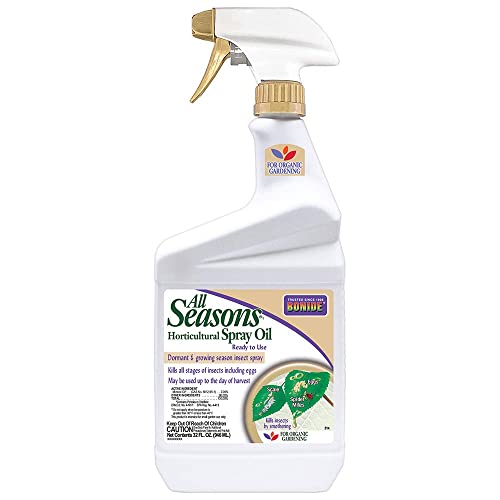
Scale appear as small bumps on branches or stems and feed on plant sap. Prune heavily infested branches and apply horticultural oil during dormant seasons.
Borers
Borers tunnel into trunks and branches, weakening the tree. Keeping trees healthy and pruning out infested wood helps prevent serious damage.
Birds
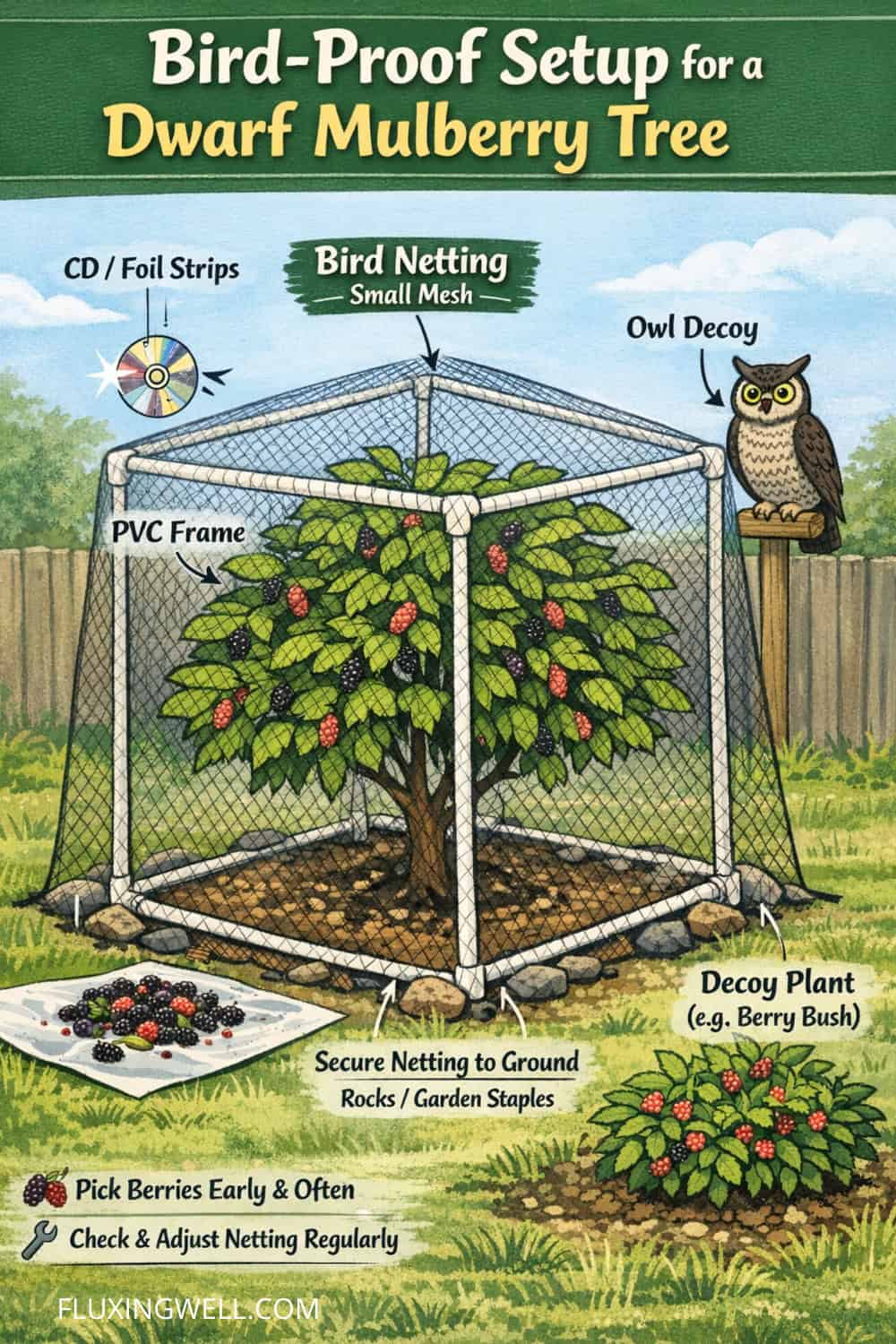
Birds love to eat mulberries, and because they ripen before other fruit, they are prime targets. Here’s a simple illustration of some ideas for keeping birds from eating your mulberry harvest. In my orchard, where chickens roam freely, the decoy bush would get decimated, but everything else in this illustration is a possibility for me.
Common Mulberry Tree Diseases
Mulberry trees are generally tough and low-maintenance, but they can occasionally develop a few diseases, especially in damp conditions or crowded plantings. Catching problems early helps keep the tree productive and healthy. Here are some common mulberry tree diseases and simple solutions:
Powdery Mildew
This disease appears as a white or gray powdery coating on leaves. It’s more common in humid weather with poor airflow. Improve air circulation with pruning and avoid overhead watering. Fungicidal sprays can help if the problem becomes severe.

Leaf Spot
Leaf spot causes brown, black, or yellow spots on the foliage. Remove infected leaves and clean up fallen debris to reduce the spread. Proper spacing and good airflow help prevent future outbreaks.
Root Rot
Root rot occurs in poorly drained soil and can cause wilting, yellowing leaves, and slow growth. Plant mulberries in well-drained soil and avoid overwatering to prevent this problem.
Bacterial Blight
This disease can cause dark lesions on leaves and shoots. Prune infected branches and disinfect pruning tools to prevent spreading the bacteria.
Canker
Cankers appear as sunken or cracked areas on branches or trunks. Prune affected wood several inches below the infected area and maintain good tree health to prevent further damage.
Frequently Asked Questions About Mulberries
Why aren’t mulberries sold in stores?
Mulberries are rarely sold in grocery stores because they are extremely delicate and have a very short shelf life. Once picked, the berries soften and spoil quickly, making them difficult to transport and store for long periods. Unlike sturdier fruits such as blueberries or strawberries, mulberries bruise easily and are best eaten fresh right after harvest, which is why they are usually found in home gardens rather than supermarkets.
Do mulberries need to be planted in pairs?
Most mulberry trees do not need to be planted in pairs to produce fruit. Many varieties are self-fertile, meaning a single tree can produce berries on its own without needing another tree nearby for pollination. However, having more than one tree can sometimes increase overall fruit production because it encourages better pollination by wind or insects.
How much space does a mulberry tree need?
The amount of space a mulberry tree needs depends on the variety, but dwarf mulberry trees typically require about 10 to 15 feet of space to grow well. Standard mulberry trees can spread 25 to 35 feet wide, so they need much more room. Proper spacing ensures the tree gets enough sunlight, air circulation, and root space to stay healthy and produce abundant fruit.
How to make mulberry trees produce more fruit?
To encourage mulberry trees to produce more fruit, plant them in full sun, provide well-draining soil, and water consistently while the tree is establishing. Light annual pruning can also help stimulate new growth, which is where many mulberries form. Adding compost or organic fertilizer in early spring and planting beneficial companions like comfrey or herbs can improve soil health and support stronger fruit production.
How do you keep birds from eating mulberries?
To keep birds from eating your mulberries, the most effective solution is to cover the tree with lightweight bird netting once the berries begin to ripen, securing it around the trunk or stakes so birds cannot get underneath. You can also hang reflective deterrents such as shiny tape, old CDs, or pinwheels to scare birds away, though they may become less effective over time. Some gardeners plant extra berry bushes or leave part of the tree uncovered to give birds an alternate food source. Harvesting mulberries frequently (every day or two while they are ripening) also helps ensure you gather the fruit before birds do. Some gardeners place a bedsheet under the mulberry tree to catch the fruit as it falls. For a visual example of these ideas, see the illustration above in the section about mulberry pests.
Need More Planting Ideas?
Check out the tips for the best companion plants for apple trees to learn what to grow with those beauties. If you like the idea of companion planting, you might be interested in reading about the best companion plants for pumpkins, sunflowers, garlic, calendula, asparagus, rosemary, radishes, dill, beetroot (beets), thyme, parsley, lupine, stevia, peonies, or the best companion plants for lavender. Get tips for growing stunning dahlias. Are you a beginning gardener? Try planting some foolproof, easy-care perennials, or learning about the best companion plants for columbine. There are so many exciting plants to grow!
Keep Track of Your Garden with a Journal Logbook
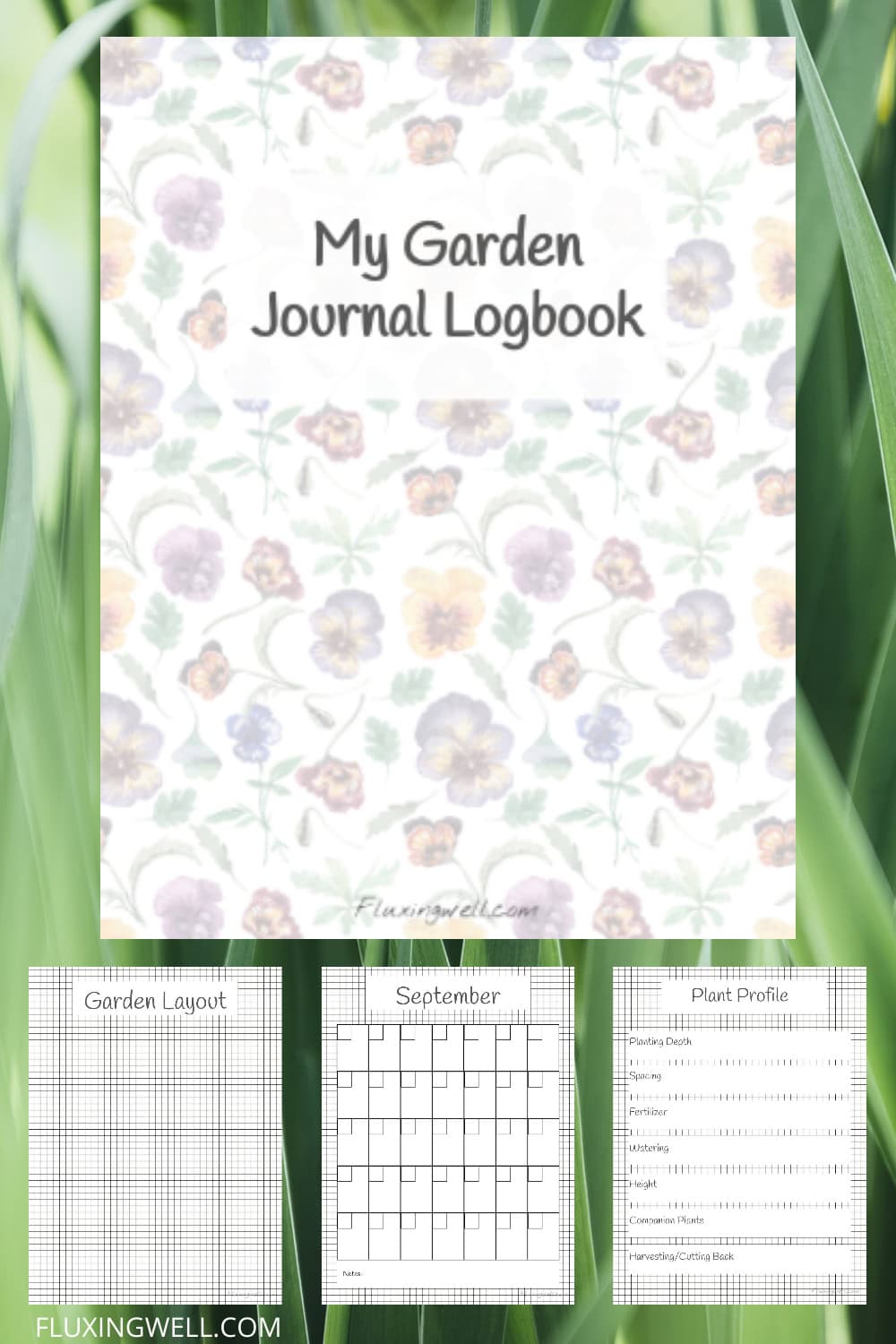
Now that you have learned about some compatible companion plants, keep track of your planting ideas, goals, and plans with a printable, editable free garden journal logbook. Choose the pages you want to use and customize them as you wish to record monthly, weekly, and daily garden tasks, lists, weather, and planting arrangements. There are also grid pages for easily designing the layout of your vegetable garden, flower garden, or landscape. Print it out and put it into a notebook you can take with you to the garden (that’s what I do). It’s nice to have all of your garden information in one place.
Get the garden journal logbook!
Free Online Garden Planner Layout Template
Now that you know which are the best companion plants for apple trees, you might need a way to plan your garden layout. Whether you are planting vegetables, flowers, or herbs near your lupine plants, this online garden planner can help you visualize your design and bring it to life. Arrange and rearrange the plants over and over, then print the layout when you are satisfied. With garden tasks that need your attention, this is one way to save time.

It’s fully customizable when you make your own copy and includes two editable chart pages for noting planting specifications.
Get my free online garden layout planner template!
Have a wonderful week, and may all of your mulberry tree-growing endeavors meet with success!

Lisa Mitchell is a wife, mom, and school librarian who likes to grow fruit, herbs, vegetables, and flowers on her family’s small Pacific Northwest farm. To learn more about what this website has to offer gardeners, click on over to the Garden page.
Want more great garden, food, or travel ideas? Follow FluxingWell on Pinterest, Facebook, Instagram, and X for the latest posts, tips, and inspiration.
Great guide—super helpful breakdown of companion plants! I love how you grouped flowers, herbs, and vegetables and explained how they support pollination, pest control, and overall tree health.
Thank you! It helps me to categorize the mulberry companion plants in sections, as I have different areas on our farm for flowers, veggies, and fruit trees.
Thank you for this helpful guide to the best mulberry companion flowers and plants. Great tips to keep the birds from eating the mulberries, too!
Thank you! Keeping the birds from eating our berries is a definitely a challenge. Happy gardening!
Thank you for all of this helpful information about mulberry companion plants. I especially appreciate the illustration of a mulberry tree guild and the creative frame for protecting the mulberries from birds. Definitely useful!
You are so welcome! Yes, I have experience protecting berry bushes from birds, and I’m happy to help any way I can.