
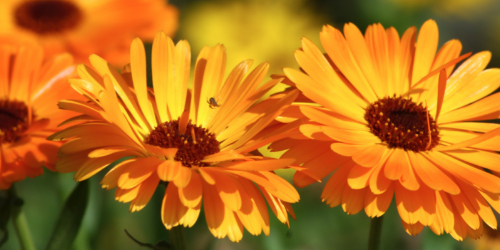
Bright, cheerful, and endlessly useful, the calendula flower deserves a starring role in any garden. Known botanically as Calendula officinalis, this sunny bloom pairs beautifully with a wide range of calendula companion plants, helping your garden thrive while adding a touch of wildflower charm. I first planted calendula years ago in our USDA Plant Hardiness Zone 8b garden as part of a wildflower seed mix on the edge of our vegetable garden, and I’ve grown it in our wildflower row ever since.
Beyond its beauty and classic calendula flower aesthetic, gardeners love it for its many uses. Whether you’re sipping calming calendula tea or designing a bed of medicinal flowers, calendula is the hardworking, gorgeous addition your garden has been waiting for. Read on to learn what (and what not) to plant with it!
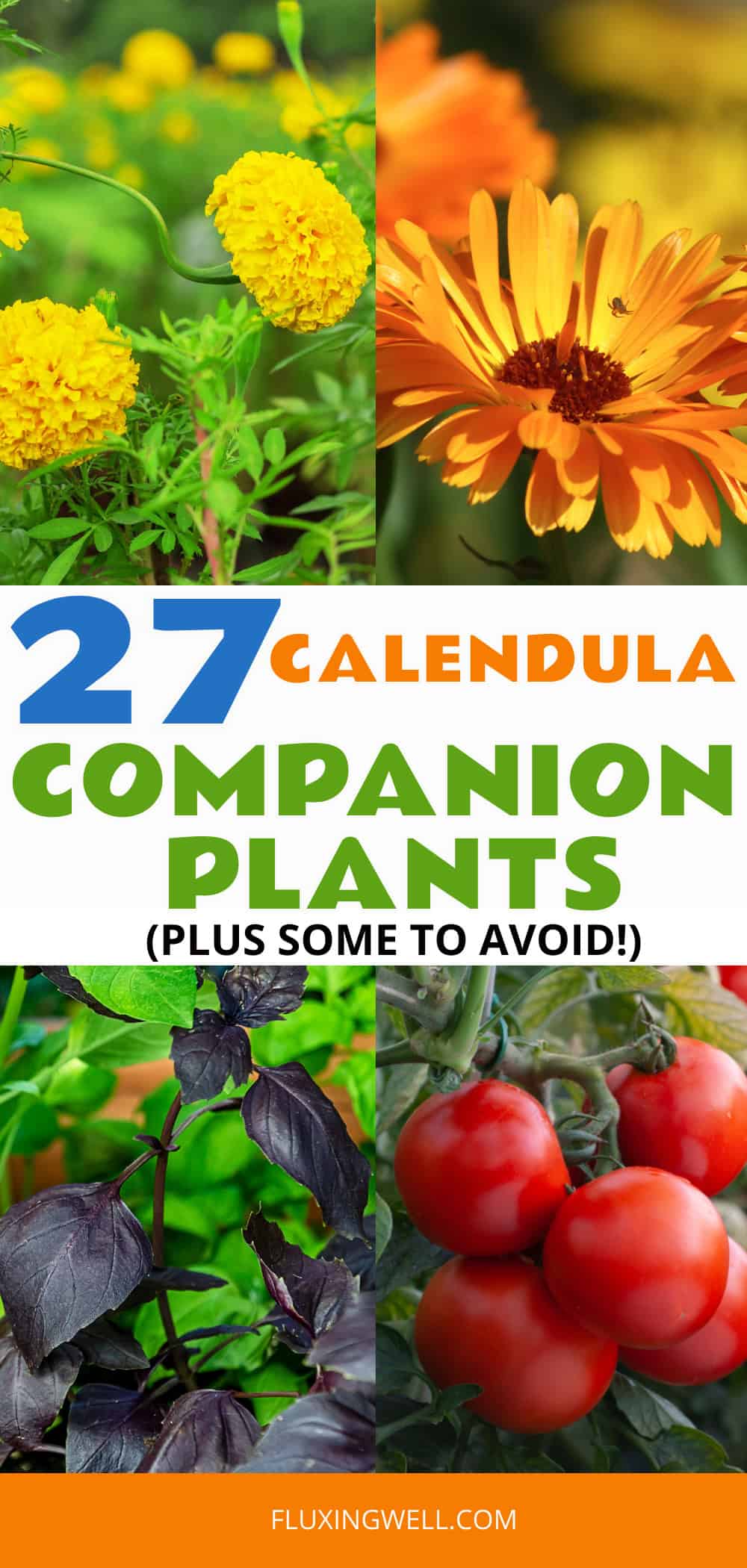
Benefits of Planting Calendula
Planting calendula flowers offers multiple benefits for both your garden and home. These cheerful blooms attract pollinators like bees and butterflies while helping deter pests such as aphids, making them excellent companion plants. Calendula is also easy to grow from seed and blooms generously, adding long-lasting color. Beyond the garden, its petals are valued for natural remedies. Calendula is commonly used in soothing salves, infused oils, and herbal teas thanks to their gentle skin-supporting and anti-inflammatory properties.
Calendula Companion Plants: Flowers
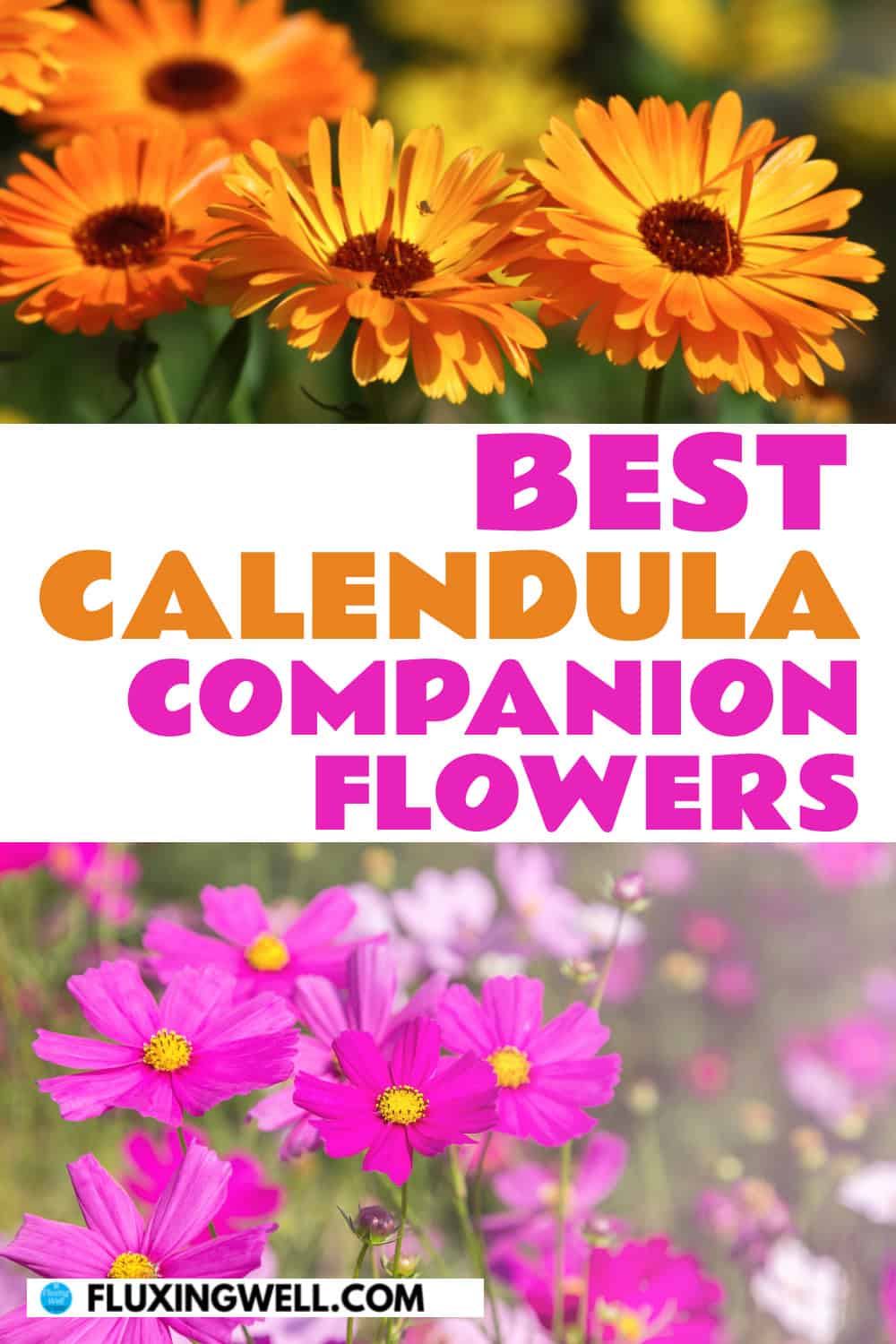
Here are some of the best calendula companion flowers to plant for a thriving garden. Each is listed with the benefits that go along with planting it.
Nasturtiums: repel aphids and attract beneficial insects
Marigolds: deter nematodes and harmful insects while boosting overall garden health
Borage: attracts pollinators and improves soil health while supporting nearby plants
Chamomile: enhances growth and flavor of neighboring plants and attracts beneficial insects
Alyssum: draws in hoverflies and other helpful predators that control pests
Cosmos: attract pollinators and beneficial insects while adding light shade and diversity
Zinnias: bring in pollinators and predatory insects that help reduce pest populations
Yarrow: attracts beneficial insects and improves soil quality with deep roots
Lavender: repels pests like moths and fleas while attracting pollinators
Petunias: help deter aphids and other soft-bodied pests while adding ground cover
Calendula Companion Plants: Herbs
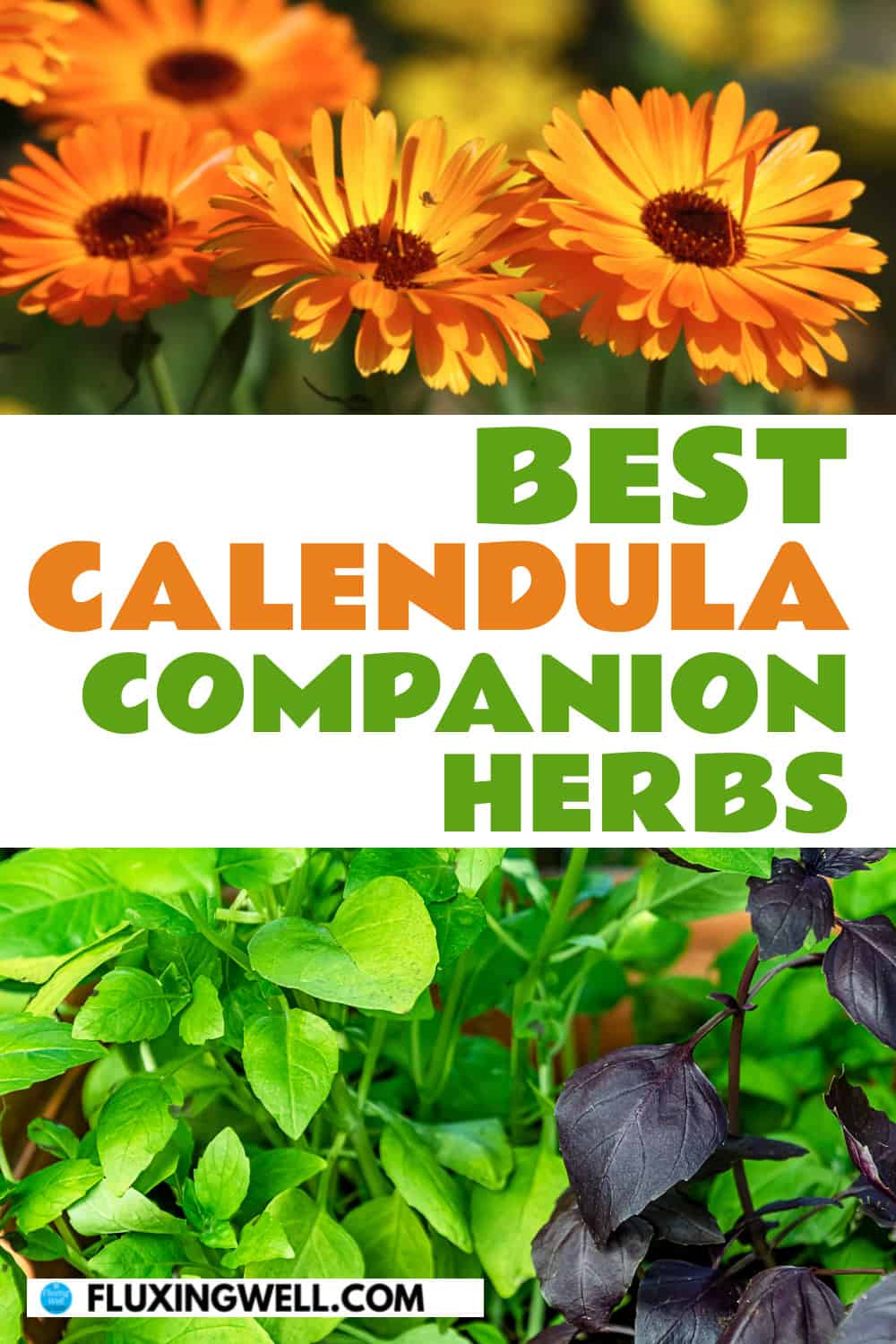
Calendula flowers can be a valuable part of an herb garden. Here are some of its best herbal neighbors.
Basil: repels aphids and attracts pollinators while supporting healthy growth
Chives: deter aphids and other pests while improving plant vigor
Cilantro: attracts beneficial insects like hoverflies and parasitic wasps for pest control
Dill: draws in pollinators and beneficial insects that help manage pests
Parsley: supports beneficial insects and adds diversity to the garden ecosystem
Thyme: deters pests and attracts pollinators while thriving in similar conditions
Sage: helps repel cabbage moths and other insects while encouraging pollinators
Oregano: attracts beneficial insects and provides natural pest control support
Calendula Companion Plants: Vegetables
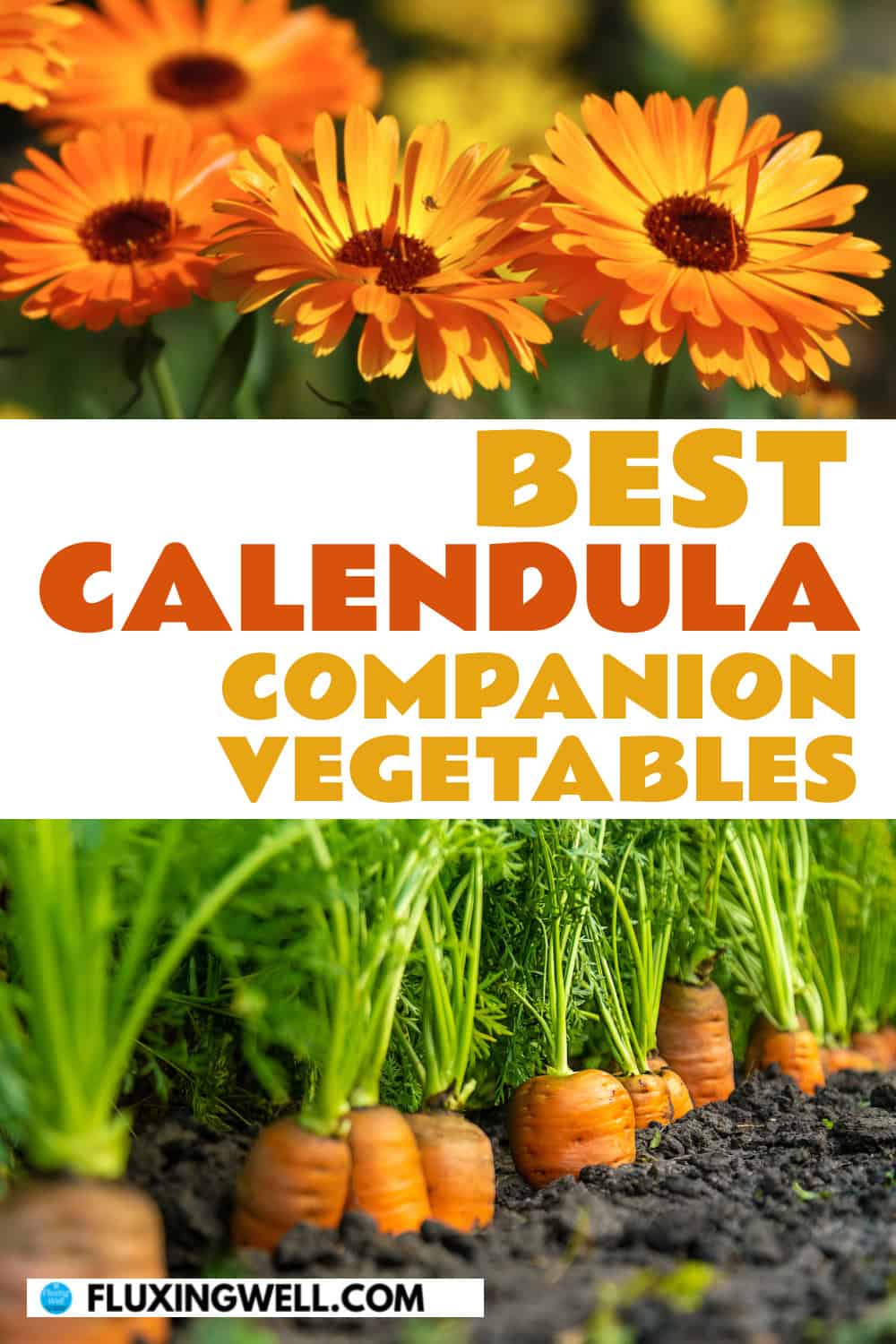
Since becoming an empty-nester and not needing as much garden produce, I have gradually transformed my vegetable garden into a partial flower garden. Here are some of the best vegetable companions to help calendula thrive.
Tomatoes: repel aphids and attract beneficial insects while supporting overall plant health
Carrots: loosen soil compatibility and benefit from pest deterrence provided by calendula
Lettuce: benefits from aphid control and light shade created by calendula flowers
Spinach: enjoys reduced pest pressure and improved biodiversity nearby
Cucumbers: attract pollinators and benefit from pest-repelling properties
Peppers: experience fewer aphids and improved pollination support
Beans: enhance soil health with nitrogen while benefiting from pest control
Peas: fix nitrogen in the soil and pair well with calendula’s pest deterrence
Radishes: fast-growing crop that benefits from pest control and companion diversity
What Not to Plant with Calendula
Although calendula grows well alongside many plants, there are a few that may not be the best companions. Here they are, along with the reason to avoid planting near calendula flowers.
Corn: heavy feeder that competes for nutrients and space
Potatoes: can attract similar pests and may compete for soil resources
Fennel: inhibits growth of nearby plants and can disrupt garden balance
Melons: sprawling growth crowds calendula and limits airflow
Pumpkins: large vines overwhelm calendula and compete for sunlight
Squash: dense growth habit can shade out calendula and reduce airflow
Cabbage: competes for nutrients and may attract overlapping pests
Broccoli: heavy feeder that can outcompete calendula in rich soil
Cauliflower: similar nutrient demands can limit healthy growth
Kale: can compete for nutrients and attract pests that may spread
Quick Reference Calendula Companion Plants Chart
| Calendula Companion Plants | |
| Calendula Companion Plants: Flowers | Calendula Companion Plants: Herbs |
| Alyssum | Basil |
| Borage | Chives |
| Chamomile | Cilantro |
| Cosmos | Dill |
| Lavender | Oregano |
| Marigolds | Parsley |
| Nasturtiums | Sage |
| Petunias | Thyme |
| Yarrow | |
| Zinnias | Worst Calendula Companion Plants |
| Broccoli | |
| Calendula Companion Plants: Vegetables | Cabbage |
| Beans | Cauliflower |
| Carrots | Corn |
| Cucumbers | Fennel |
| Lettuce | Kale |
| Peas | Melons |
| Peppers | Potatoes |
| Radishes | Pumpkins |
| Spinach | Squash |
| Tomatoes | |
Frequently Asked Questions About Calendula
Are calendula plants perennials?
Calendula (Calendula officinalis) is typically grown as an annual, meaning it completes its life cycle in one season. However, in mild climates it can sometimes behave like a short-lived perennial or self-seed easily, coming back year after year without replanting.
When is the best time to plant calendula?
Plant calendula (Calendula officinalis) in early spring as soon as the soil can be worked, or in fall in mild climates for winter and early spring blooms. It prefers cooler temperatures and can tolerate light frost, often blooming best before the heat of summer arrives.
Where is the best place to plant calendula?
Choose a spot with full sun to partial shade and well-draining soil. Calendula adapts to average garden soil and works well in garden beds, borders, or containers, making it a versatile addition alongside vegetables and other flowers.
How much water do you give calendula?
Water calendula regularly but moderately, keeping the soil evenly moist but not soggy. Once established, it is somewhat drought-tolerant, but consistent watering encourages more blooms, especially during dry periods.
Common Pests of Calendula and Remedies
The pests that may bother calendula are the same ones that may damage other plants in your garden. It’s always a good idea to be on the lookout for these. Treatment options are included here as well.
Aphids: cluster on new growth and suck sap, causing curling leaves, remedy by spraying with water, using insecticidal soap, or attracting ladybugs

Whiteflies: tiny white insects that fly up when disturbed and weaken plants, remedy with yellow sticky traps and regular neem oil sprays

Spider mites: cause speckled leaves and fine webbing in hot dry conditions, remedy by increasing humidity and rinsing plants or using insecticidal soap
Thrips: tiny insects that cause silvery streaks and distorted flowers, remedy with neem oil and removing heavily affected blooms
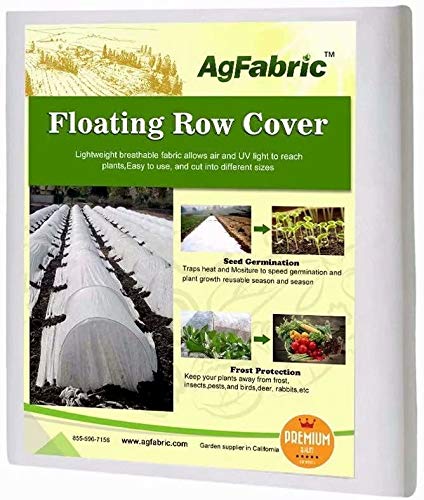
Leafhoppers: cause yellowing and stippling on leaves, remedy by using row covers and encouraging beneficial insects
Slugs and snails (we have a lot of these where I live): chew holes in leaves especially in damp conditions, remedy with hand picking, barriers, or organic slug bait

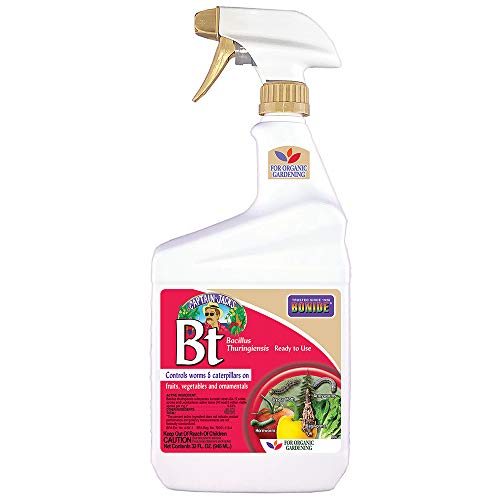
Caterpillars: chew leaves and flower heads, remedy by hand picking or using bacillus thuringiensis
Earwigs: feed on petals and leaves at night, remedy with traps like rolled damp newspaper or shallow oil traps
Common Diseases of Calendula and Remedies
Be on the alert for these common plant diseases in your garden. In my damp USDA Plant Hardiness Zone 8b area, I need to be vigilant for these.
Powdery mildew: white powdery coating on leaves in humid or crowded conditions, remedy by improving air circulation, watering at the base, and applying a fungicide like neem oil
Downy mildew: yellow patches on leaves with grayish growth underneath, remedy by removing affected foliage, avoiding overhead watering, and ensuring good spacing
Leaf spot: dark spots on leaves caused by fungal or bacterial issues, remedy by removing infected leaves, keeping foliage dry, and rotating crops
Botrytis blight: gray mold on flowers and stems in cool damp weather, remedy by improving airflow, removing infected parts, and keeping plants dry
Root rot: wilting and yellowing from overly wet soil, remedy by improving drainage and reducing watering
Damping off: seedlings collapse at the soil line due to fungal pathogens, remedy by using clean soil, avoiding overwatering, and providing good airflow
Saving Seeds from Calendula
To save seeds from calendula, let the flowers fully mature and dry on the plant until the petals fall away and the seed heads turn brown and crispy. Snip off the dried heads and gently break them apart to reveal the curved, hook-shaped seeds inside. Remove any debris, then store the seeds in a cool, dry place in a paper envelope or airtight container. Properly dried calendula seeds can remain viable for several years.
How to Harvest Calendula
Harvest calendula flowers when they are fully open, ideally in the morning after the dew has dried. Snip the flower heads just below the bloom and use them fresh or dry them in a warm, well-ventilated area for later use.
How to Make Calendula Oil
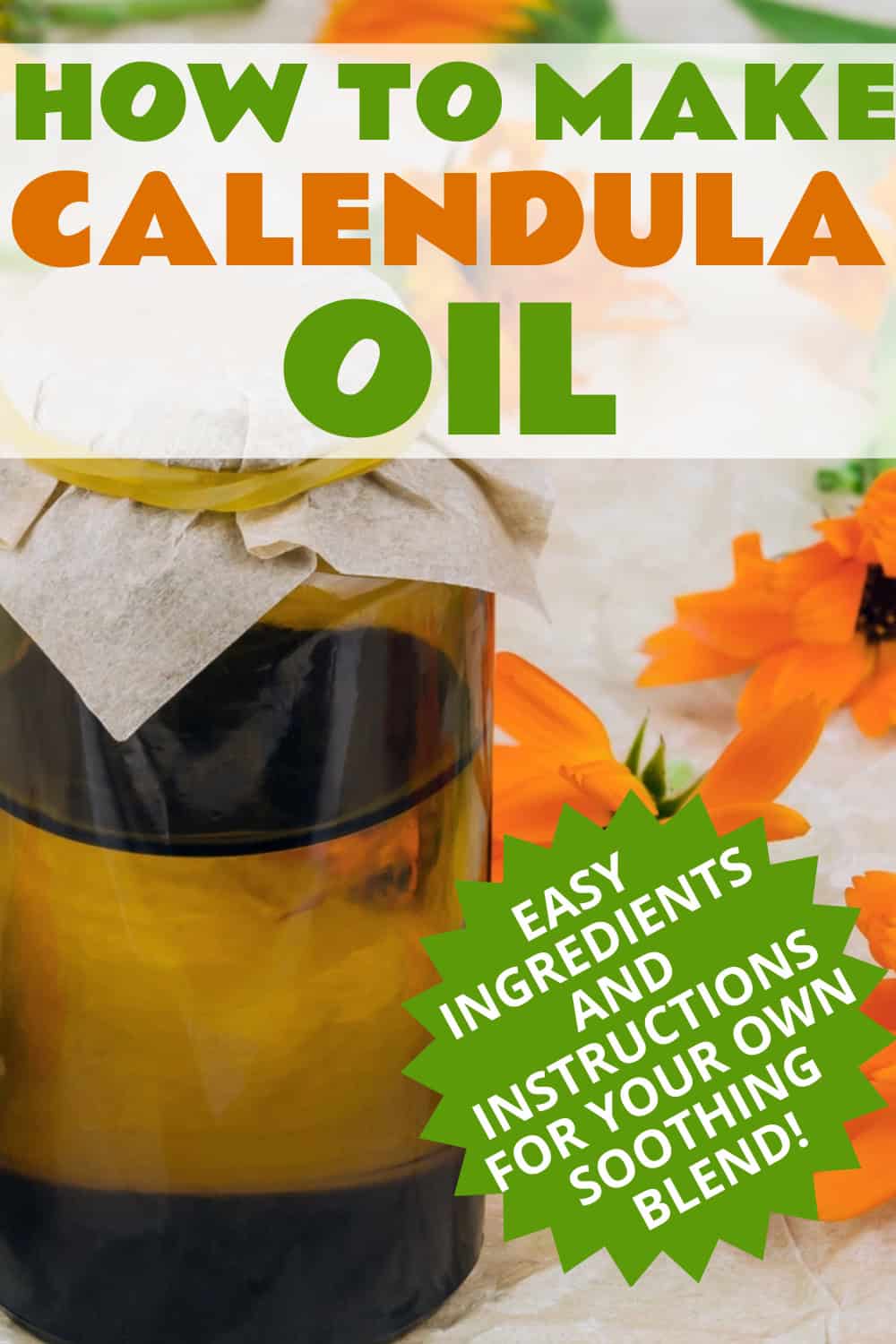
To make calendula oil, fill a clean jar with dried calendula petals and cover them completely with a carrier oil like olive or sweet almond oil.

Seal and place in a warm, sunny spot for 2–4 weeks, shaking occasionally, then strain out the petals. The infused oil can be used for skincare or as a base for salves (see recipe below).
Recipe for Calendula Salve
Ingredients:
1 cup calendula oil
1–2 tablespoons beeswax pellets

Optional: a few drops essential oil (like lavender)

Directions:
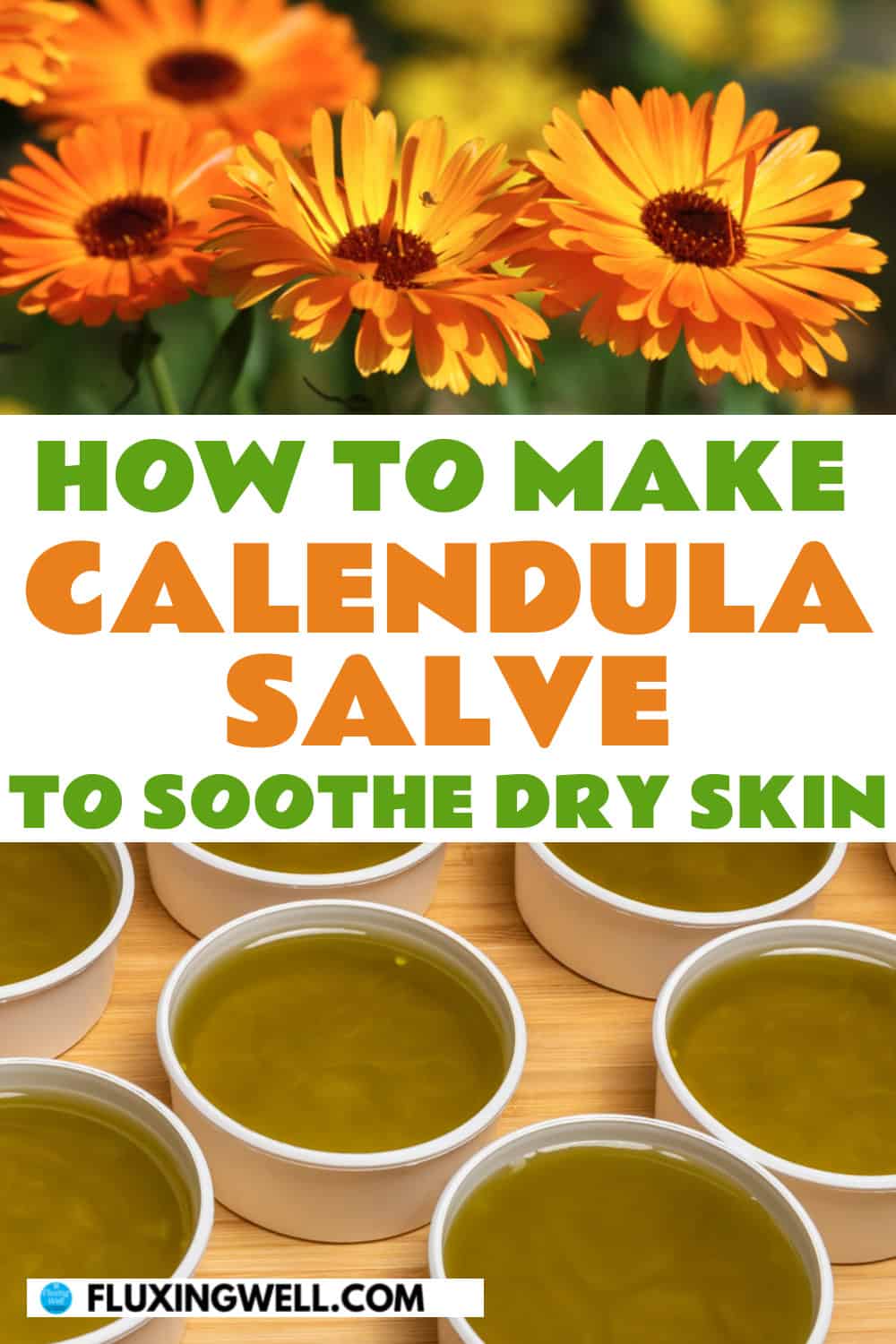
Gently heat the calendula oil and beeswax in a double boiler until melted. Stir well, then remove from heat and add essential oil if using. Pour into small jars or tins and let cool completely until solid. Store in a cool place and use to soothe dry or irritated skin. Great for a wildflower-themed party favor!

Recipe for Calendula Tea

Ingredients:
1–2 teaspoons dried calendula petals
1 cup hot water
Optional: honey or lemon
Directions:
Place dried calendula petals in a cup and pour hot water over them. Cover and steep for 5–10 minutes, then strain. Add honey or lemon if desired and enjoy warm.
Need More Planting Ideas?
Check out the tips for the best companion plants for eggplant to learn what to grow with those beauties. If you like the idea of companion planting, you might be interested in reading about the best companion plants for pumpkins, irises, sunflowers, garlic, asparagus, rosemary, radishes, beetroot (beets), thyme, parsley, lupine, borage, stevia, kale, lemon balm, or the best companion plants for lavender. Get tips for growing stunning dahlias or vintage roses. Are you a beginning gardener? Try planting some foolproof, easy-care perennials, or learning about the best companion plants for columbine. There are so many exciting plants to grow!
Keep Track of Your Garden with a Journal Logbook
Now that you have learned about some compatible companion plants, keep track of your planting ideas, goals, and plans with a printable, editable free garden journal logbook. Choose the pages you want to use and customize them as you wish to record monthly, weekly, and daily garden tasks, lists, weather, and planting arrangements. There are also grid pages for easily designing the layout of your vegetable garden, flower garden, or landscape. Print it out and put it into a notebook you can take with you to the garden (that’s what I do). It’s nice to have all of your garden information in one place.
Get the garden journal logbook!
Free Online Garden Planner Layout Template
Now that you know which are the best companion plants for echinacea, you might need a way to plan your garden layout. Whether you are planting vegetables, flowers, or herbs near your lupine plants, this online garden planner can help you visualize your design and bring it to life. Arrange and rearrange the plants over and over, then print the layout when you are satisfied. With garden tasks that need your attention, this is one way to save time.
It’s fully customizable when you make your own copy and includes two editable chart pages for noting planting specifications.
Get my free online garden layout planner template!
Have a wonderful day, and may all of your calendula-growing endeavors meet with success!

Lisa Mitchell is a wife, mom, and school librarian who likes to grow fruit, herbs, vegetables, and flowers on her family’s small Pacific Northwest farm. To learn more about what this website has to offer gardeners, click on over to the Garden page.
Want more great garden, food, or travel ideas? Follow FluxingWell on Pinterest, Facebook, Instagram, and X for the latest posts, tips, and inspiration.
Thank you for explaining how these beautiful blooms pair with calendula companion herbs as well as plants. Such a cool flower with so many incredible uses and features – even salve!
You’re welcome! Yes, the recipe for calendula salve is so easy. Happy calendula planting and growing!
I love your expert tips about the best Calendula companion plants. I especially like the variety of herbs that make best Calendula neighbors because most of them are among my favorite like parsley, basil, dill and oregano.
Nice! Yes, calendula adds a nice touch of complimentary color to an herb garden. Such a useful plant!
Hooray for calendula and its many uses! Thank you for this excellent information about growing calendula with companion plants. I’m going to try to plant more of it this year.
Great! Yes, calendula is so useful. I think calendula tea would be a great addition to a wildflower-themed party. Glad you found the ideas helpful!