
Raspberries are one of the most rewarding fruits to grow, but without proper support, those vigorous canes can quickly become tangled, overcrowded, and difficult to harvest. Whether you’re planning a new berry garden layout or improving an established raspberry patch, supporting raspberries the right way (as with supporting dahlias) can make a huge difference in plant health, fruit production, and ease of maintenance. As a gardener on a small Pacific Northwest USDA Plant Hardiness Zone 8b farm who has grown raspberries for three decades, I have many raspberry support ideas to share. From simple raspberry cane support methods to creative raspberry trellis ideas, these practical solutions will help you grow healthier plants, keep berries off the ground, and create a beautiful, productive berry garden you’ll enjoy for years to come. Read on for the easy ideas!
My Raspberry-Growing Backstory
When I was very young, one of my favorite summer activities was picking raspberries in my grandparents’ backyard garden in the middle of busy Vancouver, B.C. The raspberry patch was my favorite place to visit, grab a snack of fresh raspberries, and play hide-and-seek with my sister. Years later, when my husband and I purchased our small Oregon acreage, one of the first things we planted was a row of raspberry starts given to us by my dad. In the decades since, we have enjoyed the bounty of our raspberry patch, making jam, syrup, and raspberry treats. Over the years, we have modified our support system, all while trying to protect the plants from deer. Here are some of the things we have tried as well as some other options for those who may need other solutions due to space limitations. Let’s get started!
T-Post and Wire Trellis
Materials needed: Metal T-posts, galvanized wire, wire tensioners, post driver, garden tape or twine
A T-post and wire trellis is one of the most popular and effective ways to support raspberry canes. This was the first raspberry support system we used. Strong metal posts are driven into the ground at each end of the row, with wires stretched between them.

As canes grow, they are tied loosely to the wires. This system keeps canes upright, improves air circulation, makes harvesting easier, and can last for many years with minimal maintenance.
Garden Tape Versus Garden Twine
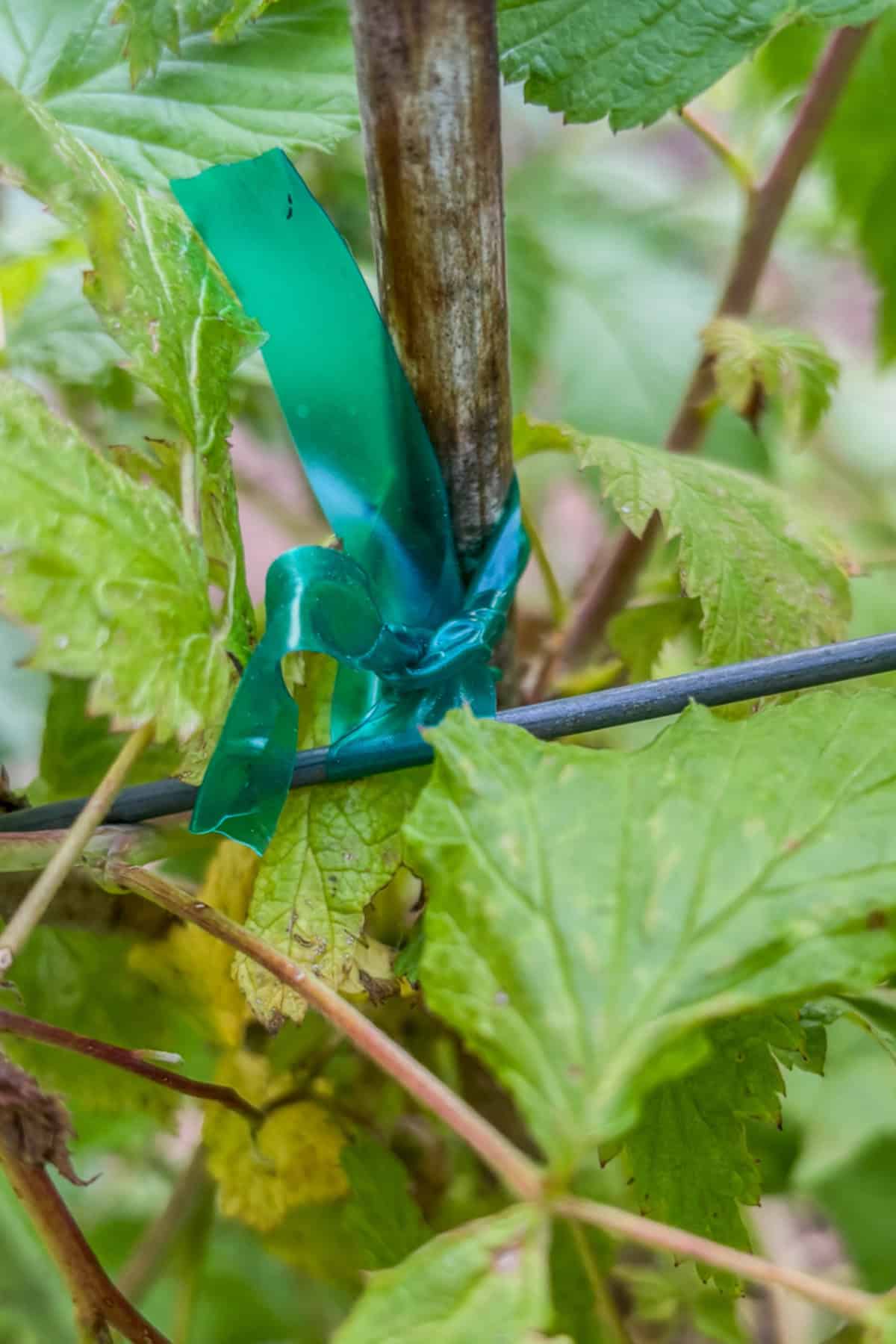
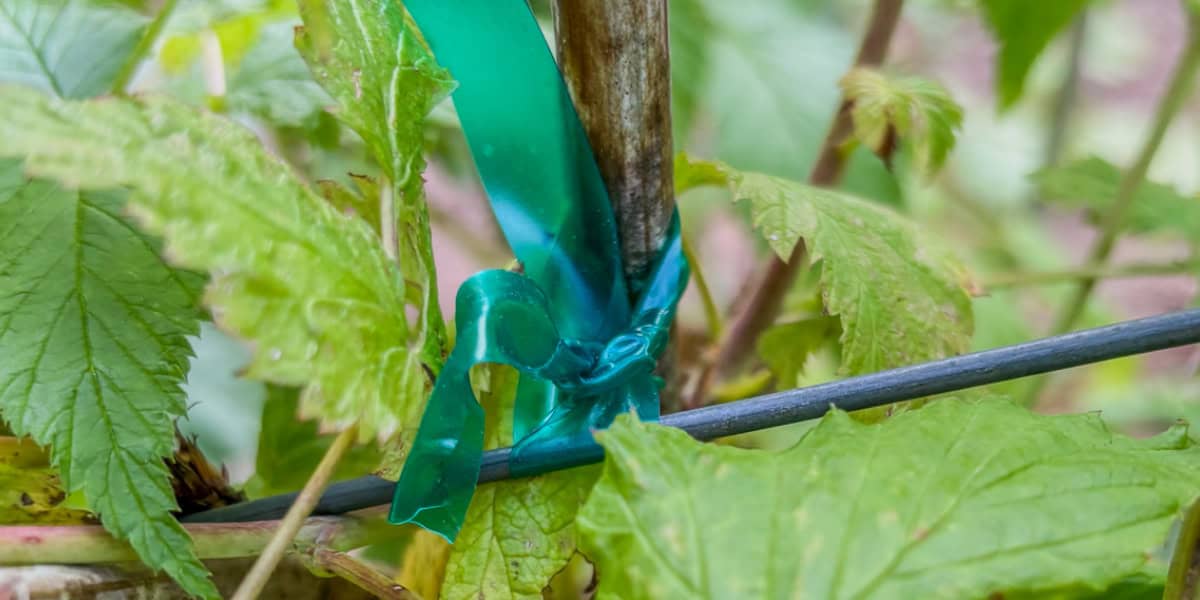
You might notice in the photos that our raspberry canes are tied to wire with green garden tape.

We like to use the garden tape rather than twine because it is stretchy (allowing for plant growth) and doesn’t rot in our rainy Pacific Northwest weather. However, garden twine is thinner, can blend in more naturally, and isn’t made of plastic.

The choice is up to you!
Wooden Post and Wire Trellis
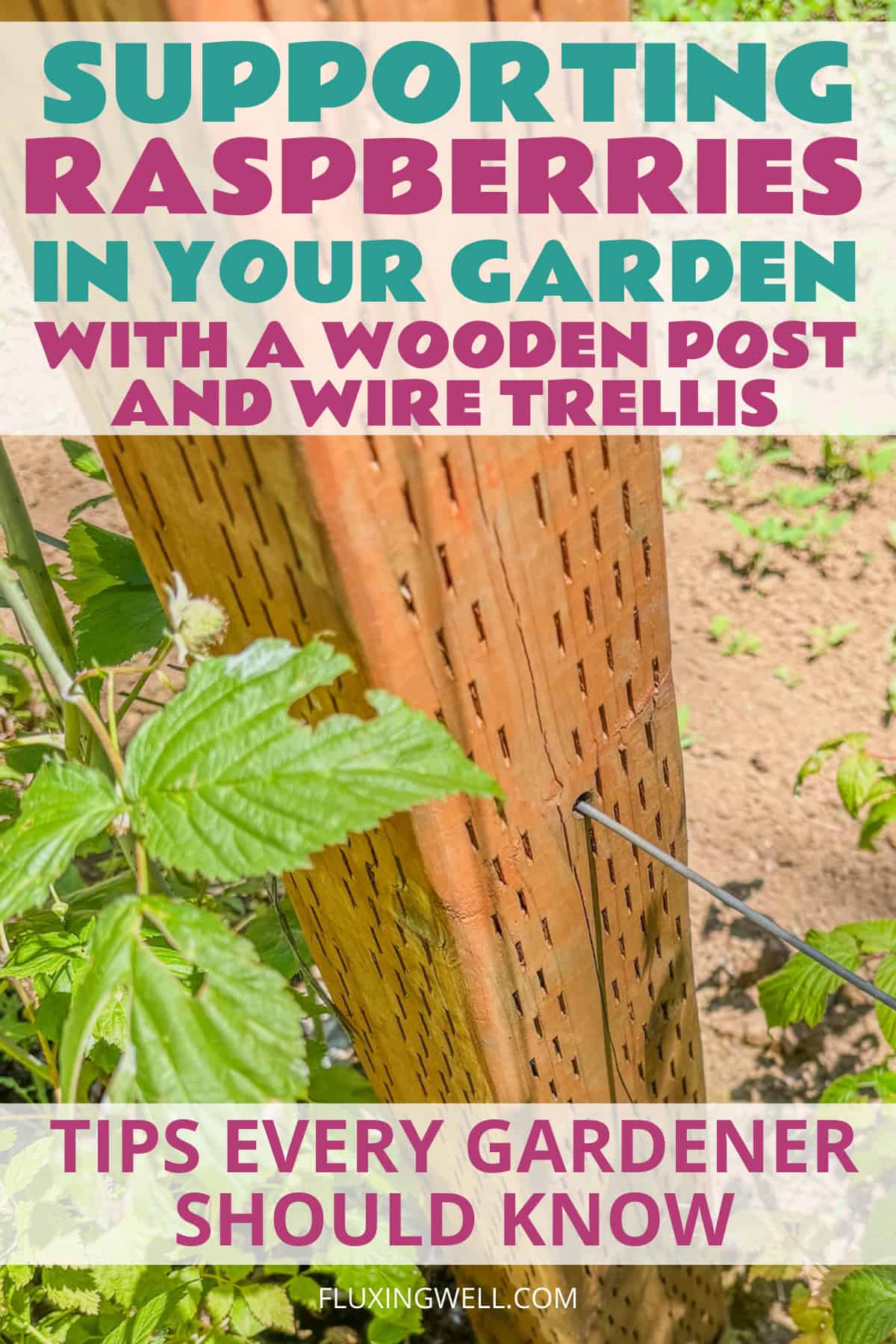
Materials needed: Pressure-treated wooden posts, galvanized wire, screws, eye hooks, garden tape or twine
This traditional support system offers both durability and rustic charm. Wooden posts are installed at the ends of rows, and wires are strung between them at several heights. The sturdy framework supports heavy crops while blending beautifully into cottage and farmhouse-style gardens. The raspberry-support system we use is a wooden post and wire trellis. We fasten the raspberry canes to the wires with stretchy garden tape. Important note: Although our trellis has wooden crosspieces at the top (whihch you can view in the photo collage above), you could just have straight posts without the crosspieces. At one time, I had bird netting draped over our raspberries to prevent deer damage, and the crosspieces gave me room to get under the netting and pick the berries. However, that turned out to be a bad idea. The bird netting got tangled and torn in the raspberry canes. That is a story for another time!
Wooden Post and Twine Trellis
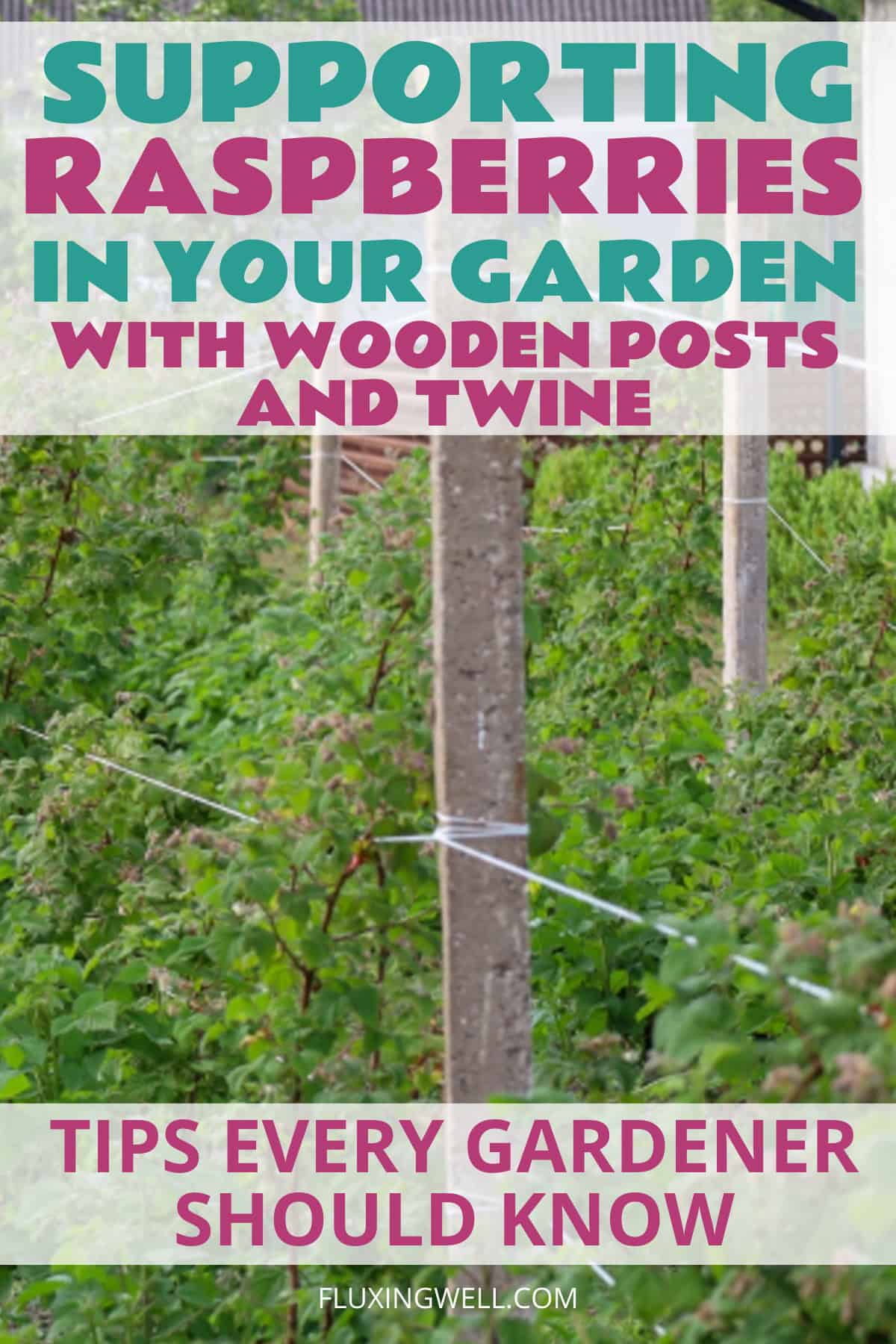
Materials needed: Pressure-treated wooden posts, heavy garden twine
Wooden posts are installed at intervals along the raspberry rows. Twine is wrapped around the posts and strung between them at several heights. When raspberries are cut back, the twine may be unwound and stored so that it might last longer.
Two-Wire Hedge System
Materials needed: Wooden or metal posts, galvanized wire
Instead of tying individual canes, this method uses two parallel wires on either side of the raspberry row. The canes grow between the wires, which gently hold them upright. It is an easy, low-maintenance solution for larger raspberry patches and allows canes to sway naturally without falling over.
PVC Pipe Trellis
Materials needed: PVC pipe, connectors, rebar stakes, garden twine
PVC pipe creates an inexpensive and lightweight support structure. Pipes can be assembled into simple frames or arches and anchored with rebar. Garden twine can be added to create additional support. This DIY option works especially well for home gardeners looking for a budget-friendly project.
Cattle Panel Trellis
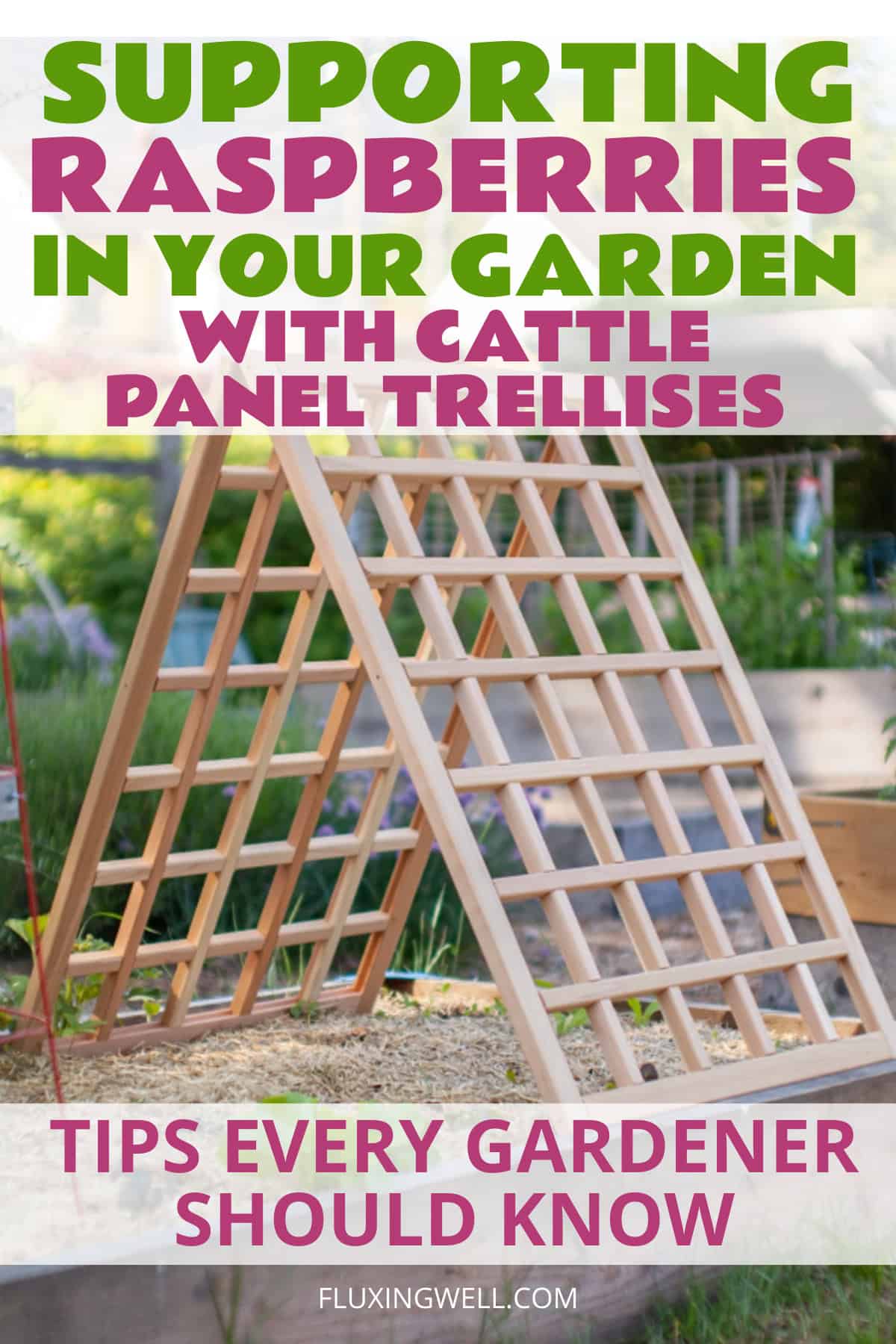
Materials needed: Cattle panels (wooden or metal), zip ties or wire fasteners
Heavy-duty cattle panels provide exceptional support for vigorous raspberry varieties. The sturdy metal grid allows canes to be woven through the openings as they grow. This trellis is highly durable, requires little upkeep, and can withstand heavy fruit loads and strong winds.
Repurposed Fence Panel Trellis
Materials needed: Old fence panels, fence posts, screws
An old fence panel can be given new life as a raspberry support. The existing framework provides a sturdy surface for tying canes, while the recycled materials help reduce costs. This option works especially well for gardeners who enjoy upcycling materials already on hand.
Bamboo Stake Support
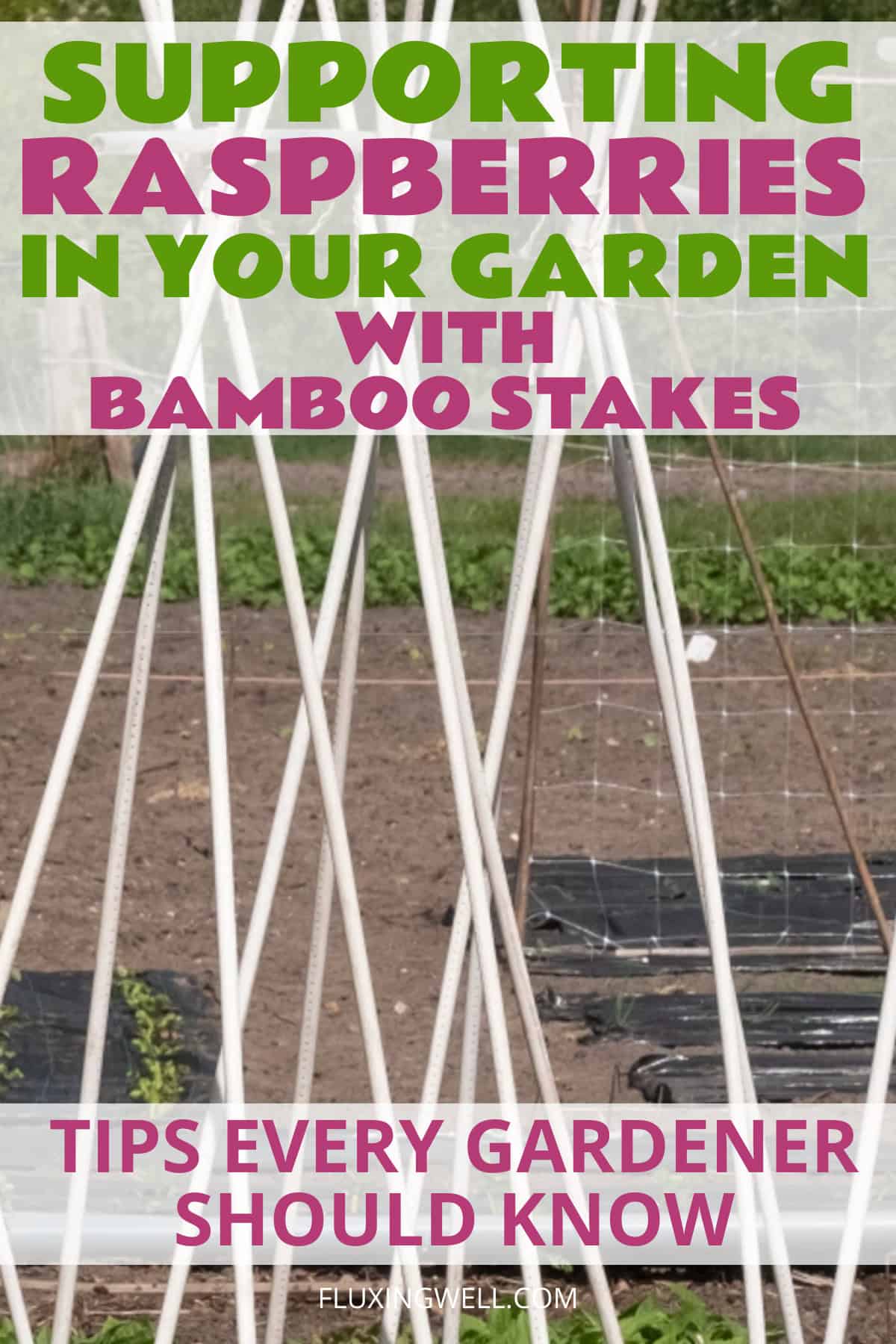
Materials needed: Bamboo stakes, garden twine
For small raspberry plantings, bamboo stakes offer a simple and attractive solution. Stakes are placed throughout the row and connected with twine to create a supportive framework. This method is affordable, easy to install, and works particularly well in small backyard gardens.
Wooden A-Frame Trellis
Materials needed: Lumber, screws, wire or twine
An A-frame trellis creates support on both sides of the raspberry row. The angled design improves stability and allows excellent sunlight penetration. Canes can be tied to either side, creating an organized and attractive growing system that is easy to harvest from.
Garden Twine and Stake System
Materials needed: Wooden stakes or metal stakes, garden twine
This is one of the simplest DIY raspberry support ideas. Stakes are installed every few feet along the row, and twine is woven between them to create horizontal support lines. While not as permanent as wire systems, it is inexpensive, quick to build, and easy to adjust throughout the growing season.
Arbor or Arch Trellis
Materials needed: Metal garden arch or wooden arbor, garden ties

For gardeners who want a decorative feature, a garden arch or arbor can provide both beauty and support. Raspberry canes can be trained along the structure, creating a productive focal point in the garden. While best suited to smaller plantings, this option combines function and visual appeal.
Florida Weave Style Support
Materials needed: Stakes, heavy garden twine
Adapted from tomato-growing methods, the Florida weave uses twine woven back and forth between stakes to hold canes upright. It is fast to install, inexpensive, and ideal for gardeners who need temporary support for young raspberry canes while establishing a permanent trellis system.
Keep Track of Your Garden with a Free Journal Logbook
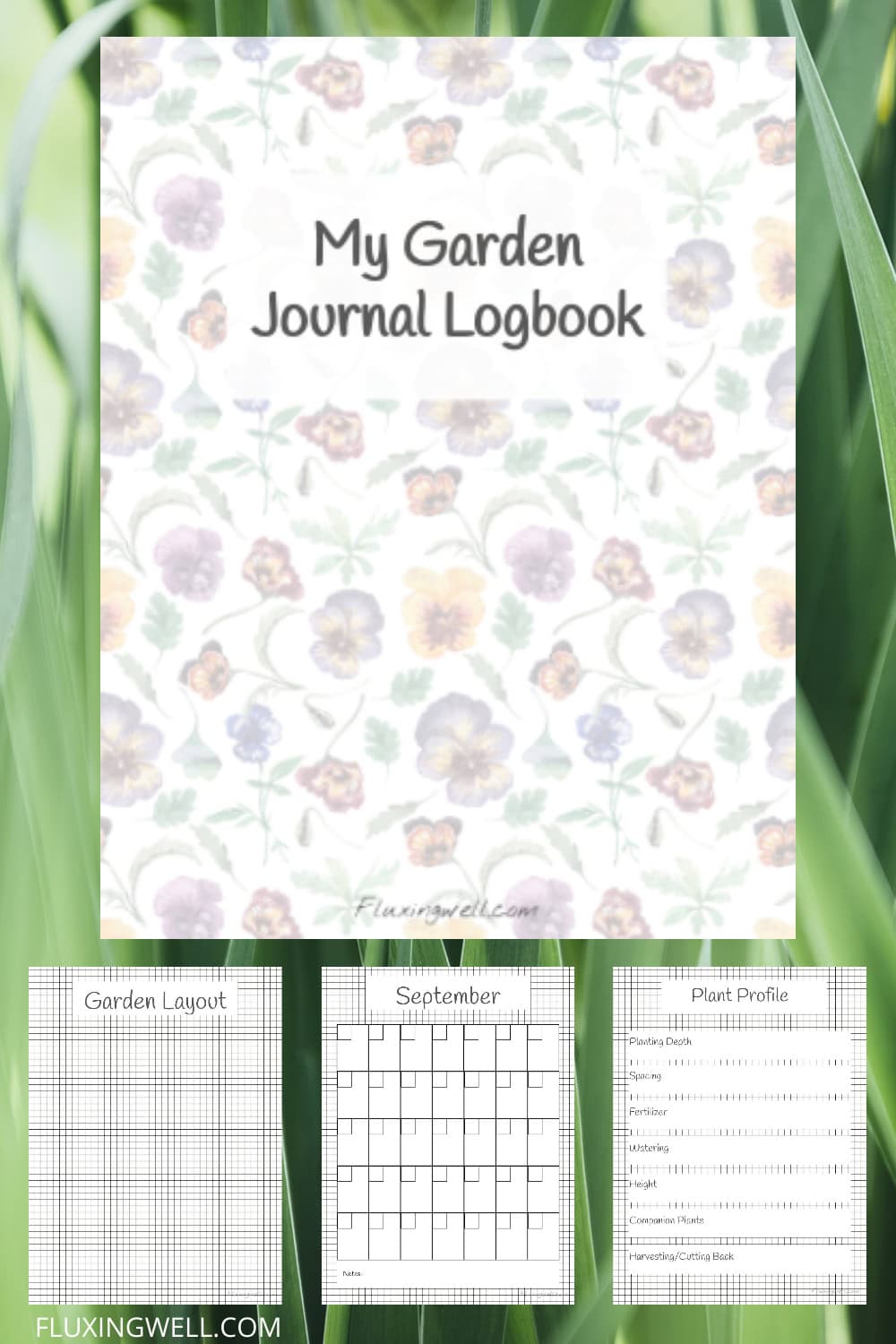
When I plant my garden every spring, I keep track of each variety by diagramming the layout of my vegetable/cutting garden. Even though the raspberries stay in the same place, I like to surround the raspberry canes with thoughtfully-chosen companion plants. With the free printable pages I offer, it’s easy to make a plan. Choose the pages you want to use and customize them as you wish to record monthly, weekly, and daily garden tasks, lists, weather, and planting arrangements. There are also grid pages for easily designing the layout of your vegetable garden, flower garden, or landscape. It’s nice to have all of your garden information in one place.
Free Online Garden Planner Layout Template
Another way I like to plan my garden layout is by using a digital planner. i can redesign as often as I like, then print out the final version if needed. Whether you are planting vegetables, flowers, or herbs near your lupine plants, this online garden planner can help you visualize your design and bring it to life. Arrange and rearrange the plants over and over, then print the layout when you are satisfied. With garden tasks that need your attention, this is one way to save time.

It’s fully customizable when you make your own copy and includes two editable chart pages for noting planting specifications.
Get my free online garden layout planner template!
Which Method Will You Choose for Supporting Your Raspberries?
Whichever raspberry-support strategy you use, may it be just the right choice for your garden. With so many garden tasks during the growing season, may the supporting of raspberries be something you can do once, then let the raspberry canes thrive. Happy raspberry-growing!
Lisa Mitchell is a wife, mom, and school librarian who likes to grow fruit, herbs, vegetables, and flowers on her family’s small Pacific Northwest farm. To learn more about what this website has to offer gardeners, click on over to the Garden page.
Like what you read here? Please give it a share!
Want more great garden, food, or travel ideas? Follow FluxingWell on Pinterest, Facebook, Instagram, and X for the latest posts, tips, and inspiration.
I never thought about support for raspberries. This makes alot if sense. If support is needed for other plants why not. Thanks for these tips.
You are most welcome! Out raspberries would not produce as much fruit without support.
I love your gardening tips. Thanks for sharing this helpful information on how to support raspberries using a wooden post and twine trellis.
You’re welcome! The wooden post and twine idea is one of the easiest and least expensive.
Thank you for sharing all the ways of supporting raspberries in the garden. I had no idea there were so many! The wooden posts with twine as well as the garden arch sound perfect!
I’m so glad you liked the ideas. Raspberries can be decorative as well as delicious.
I had no idea there were so many different options for supporting raspberries! Thanks for carefully explaining the pros and cons of each.
Yes, and they are simple to construct. There are many options to fit any size garden space.
Thank you for these easy DIY raspberry support ideas. I only have a small berry patch, and many of these suggestions lend themselves well to limited space. Appreciate the tips!
Oh, you are so welcome. I’m always happy to share what has worked well on our small farm and garden space.