
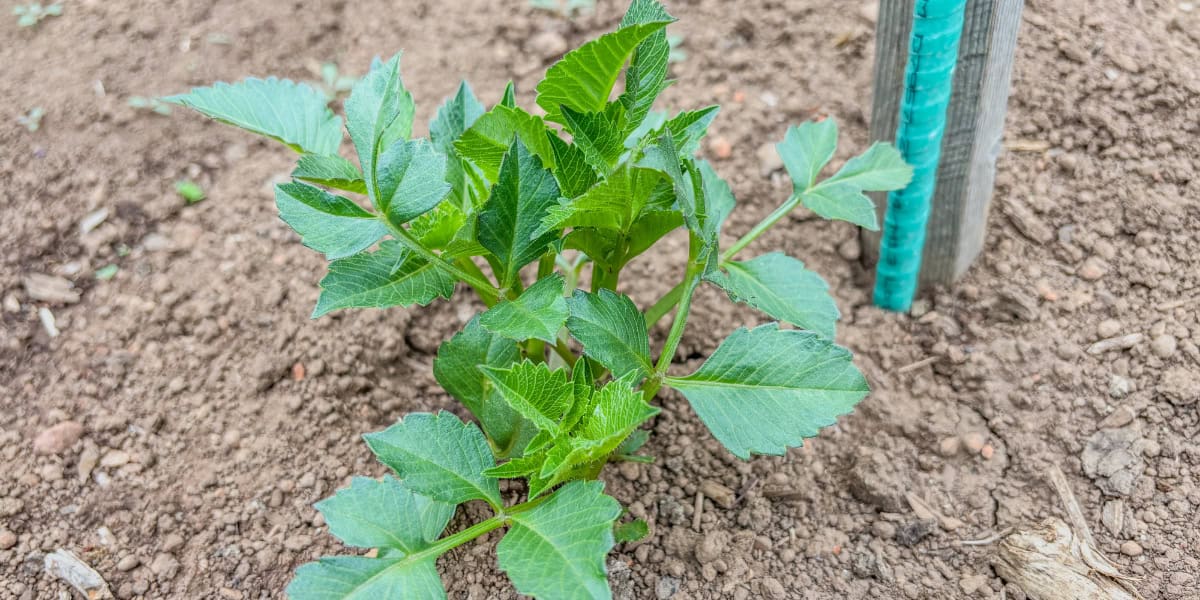
Tall, beautiful dahlias are the stars of the late summer garden, but their large blooms and sturdy stems often need a little extra help to stay upright. Learning how to support dahlias before they begin flowering can prevent broken stems, wind damage, and drooping plants. As a long-time dahlia grower (for nearly 30 years) in USDA Plant Hardiness Zone 8b, I have learned some tips to keep dahlia supports simple. From staking dahlias to creative dahlia trellis systems and other dahlia support ideas, these easy methods will keep your plants standing tall and looking their best all season long.
Why I Love Growing Dahlias
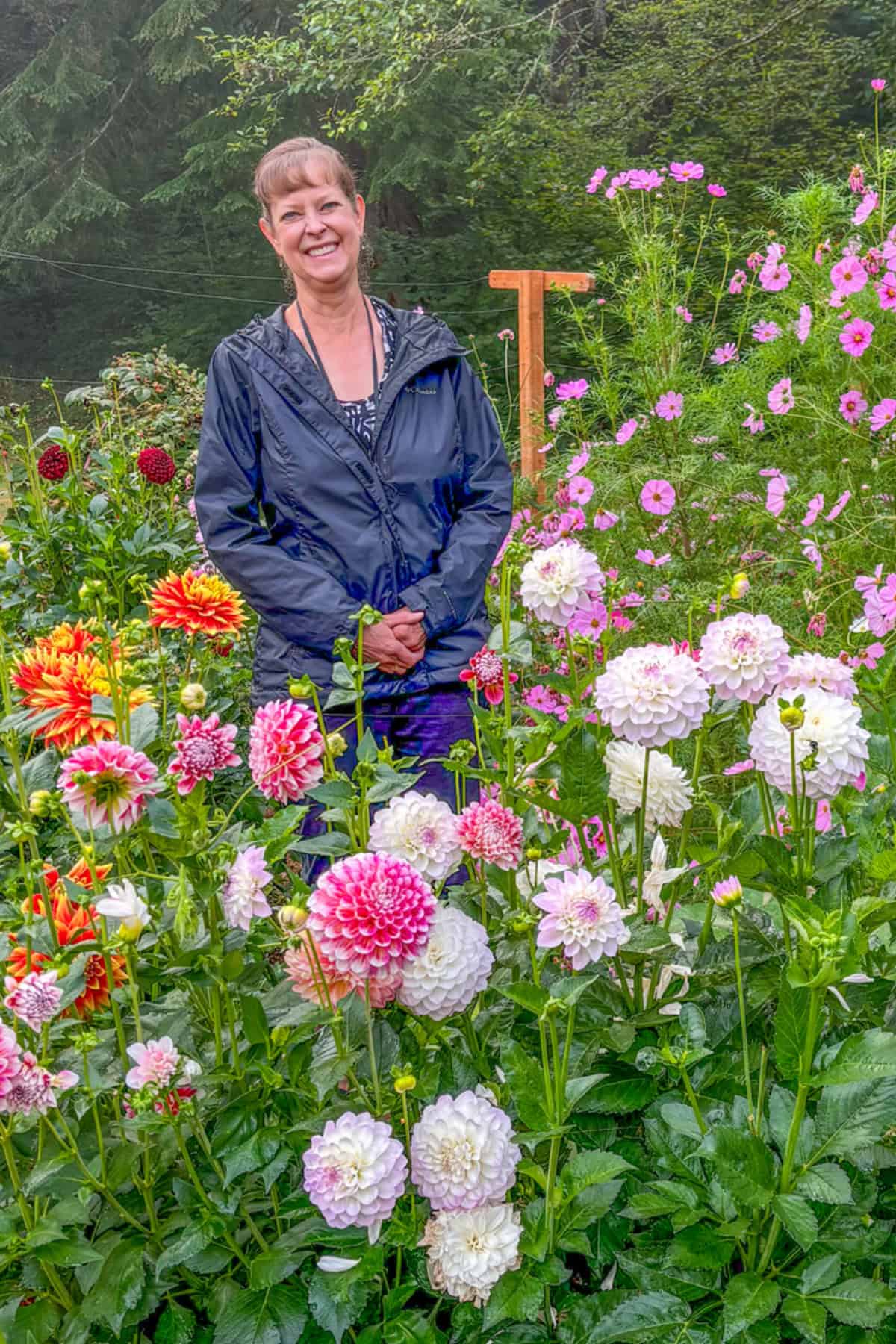
Decades ago I was given some dahlia tubers by a friend, and my love of dahlias began. In addition to making beautiful cut flower bouquets, I enjoy the fact that dahlias multiply so well. That appeals to my frugal nature. I enjoy sharing divided dahlia tubers with friends or filling in additional spots in my flower beds with dahlia plants. Dahlias also make a great party theme. Whether you’re hosting an outdoor garden party or an indoor event, dahlias make gorgeous table centerpieces. Since the blooms are edible, they can also add color to a variety of party foods. I’ve written about dividing dahlias, storing dahlias, planting dahlias, and dahlia companion plants, and now it’s time to write about supporting dahlias easily without a lot of hassle. Let’s get started!
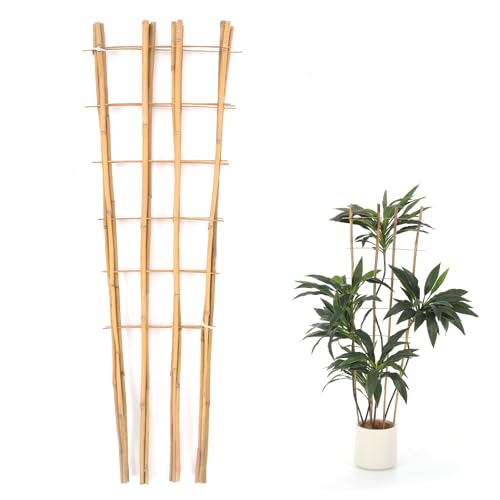
Bamboo Stakes
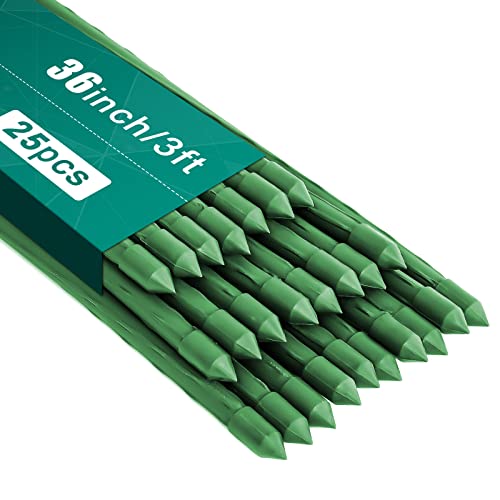
Bamboo stakes are one of the most popular and affordable options for supporting dahlias. Individual stakes can be placed next to each plant and secured with soft garden ties as the stems grow. This method works especially well for medium-sized dahlias and allows gardeners to adjust support throughout the season. Bamboo stakes can also be tied together in a decorative tower fashion.
The one drawback is that they can break easily, so for larger dahlias, keep reading for some other options.

Metal Plant Stakes
Metal stakes provide sturdy, long-lasting support for taller dahlia varieties that produce large, heavy blooms. Unlike bamboo, metal stakes can be reused for many years and are less likely to bend or break during strong winds. Secure stems loosely to the stake to prevent damage while allowing natural movement. These are great for small to medium-sized dahlias, but they still seem a bit flimsy for the larger varieties.
Tomato Cages
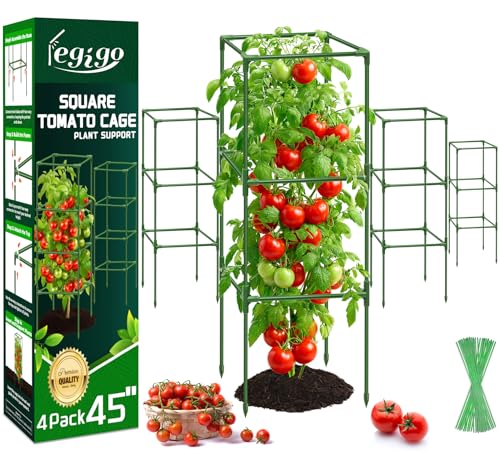
Tomato cages make excellent dahlia supports, especially when installed early in the growing season. As the plant grows through the cage, the stems are naturally supported from multiple directions. This option is particularly useful for bushy varieties that tend to spread outward. If you can find the four-sided tomato cages, they are taller and will last longer than the small round cages, which are often too short for the larger dahlia varieties. This is the dahlia support method of choice for one of my best dahlia-growing friends.
Horizontal Garden Netting
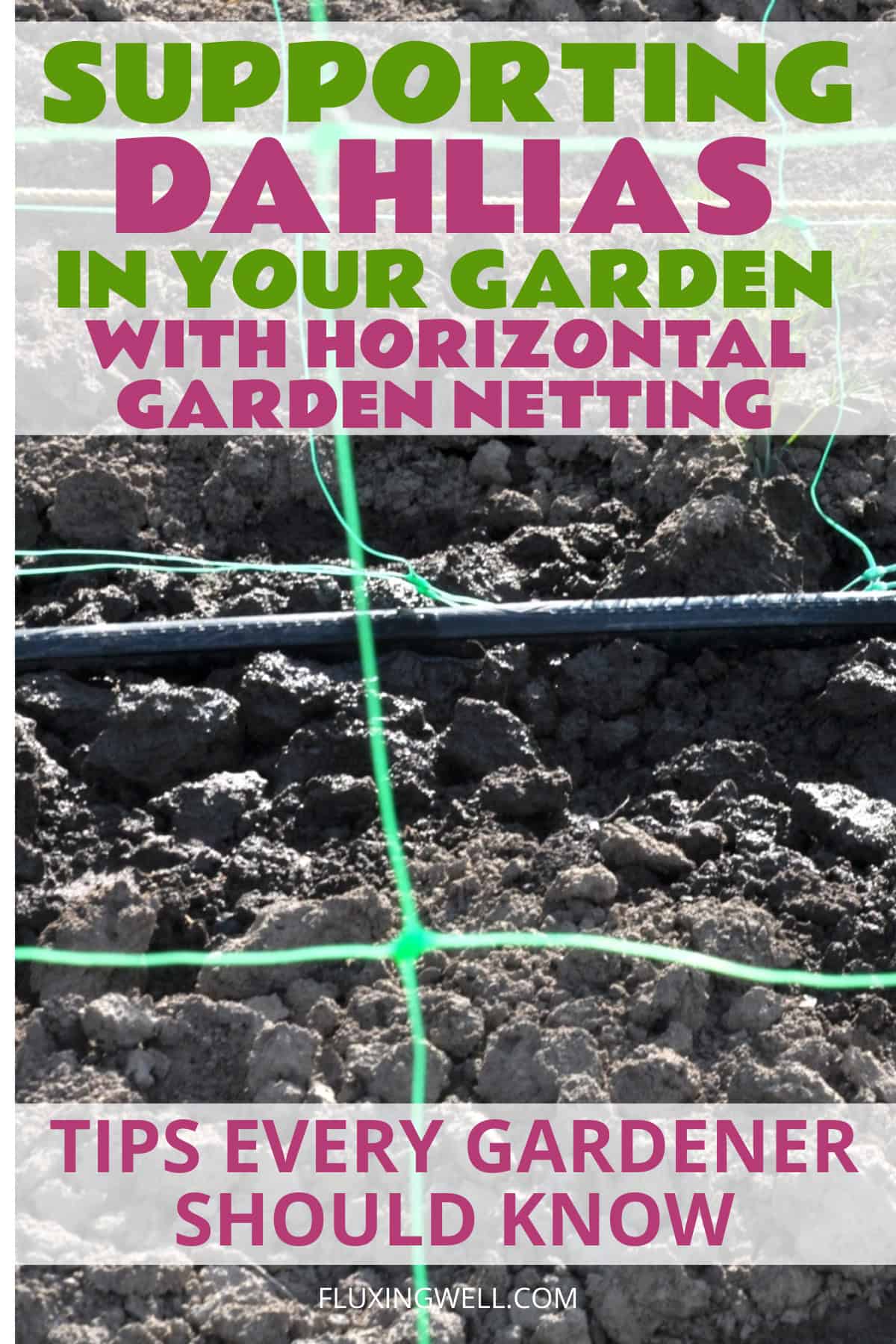
Garden netting stretched horizontally across a flower bed can support multiple dahlia plants at once. Stems grow through the mesh openings and are held upright by the network of support. This method is popular for larger plantings and cut flower gardens where many plants need support.

Corralling With Twine
A simple and inexpensive method is to place stakes around the perimeter of a planting and run garden twine between them. This creates a supportive corral that keeps dahlia stems from flopping outward while maintaining a natural appearance. It works particularly well for groups of dahlias growing together.

Decorative Obelisks
Garden obelisks provide both support and visual interest. Tall dahlia plants can be tied to the structure as they grow, helping them withstand wind and heavy blooms. Decorative obelisks are especially attractive in cottage gardens and mixed flower borders.

Wooden Trellises
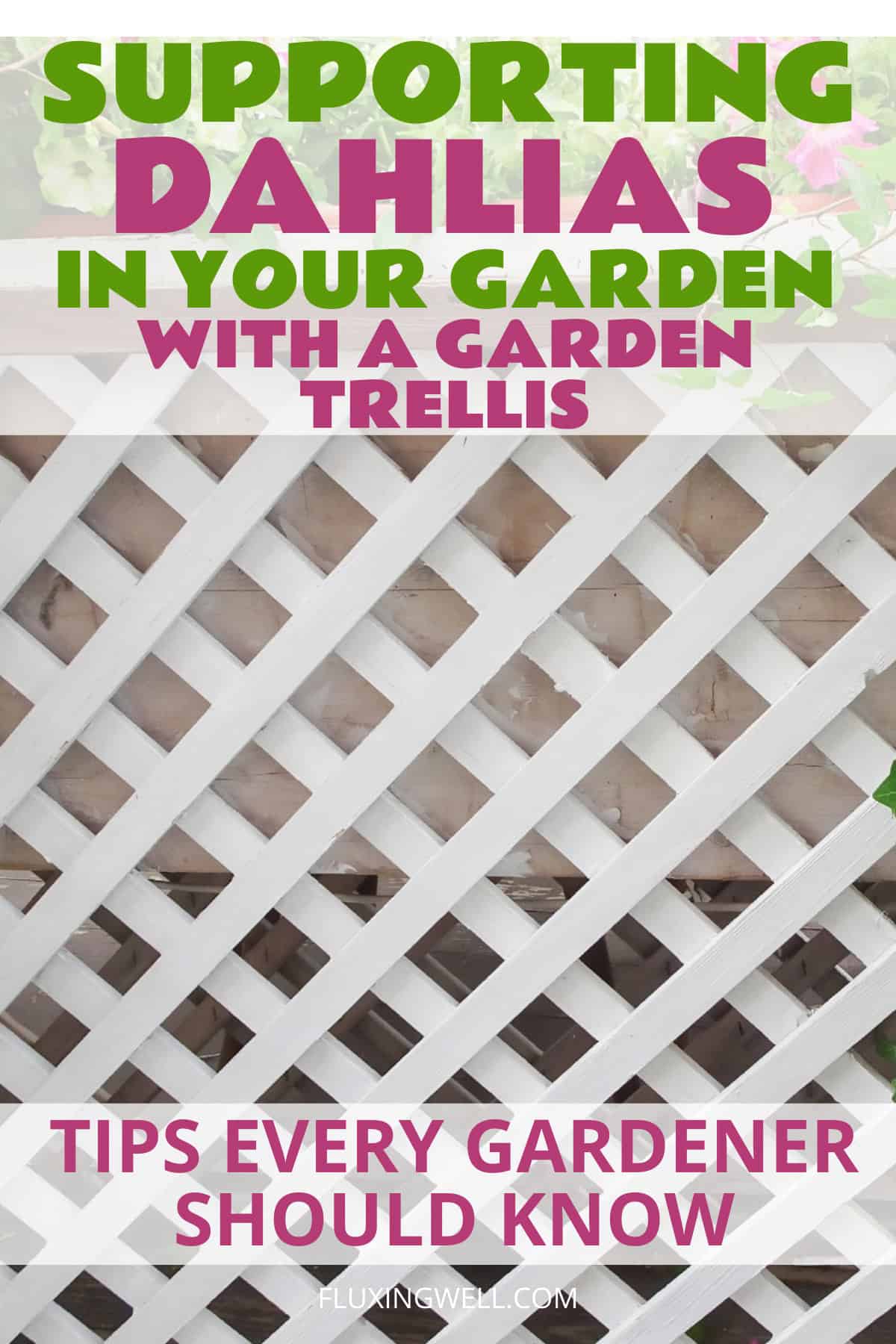
Wooden trellises can be adapted to support tall dahlias by tying stems to the structure as they grow. While often associated with climbing plants, trellises can provide excellent support for large dahlia varieties in ornamental beds and cutting gardens.
Grow-Through Grid Supports
Grow-through supports consist of a metal grid held above the plant on legs. Dahlias grow up through the openings, and the grid helps hold stems upright as blooms develop. These supports are commonly used in cutting gardens because they provide nearly invisible support once plants fill in.

Cattle Panel Trellises
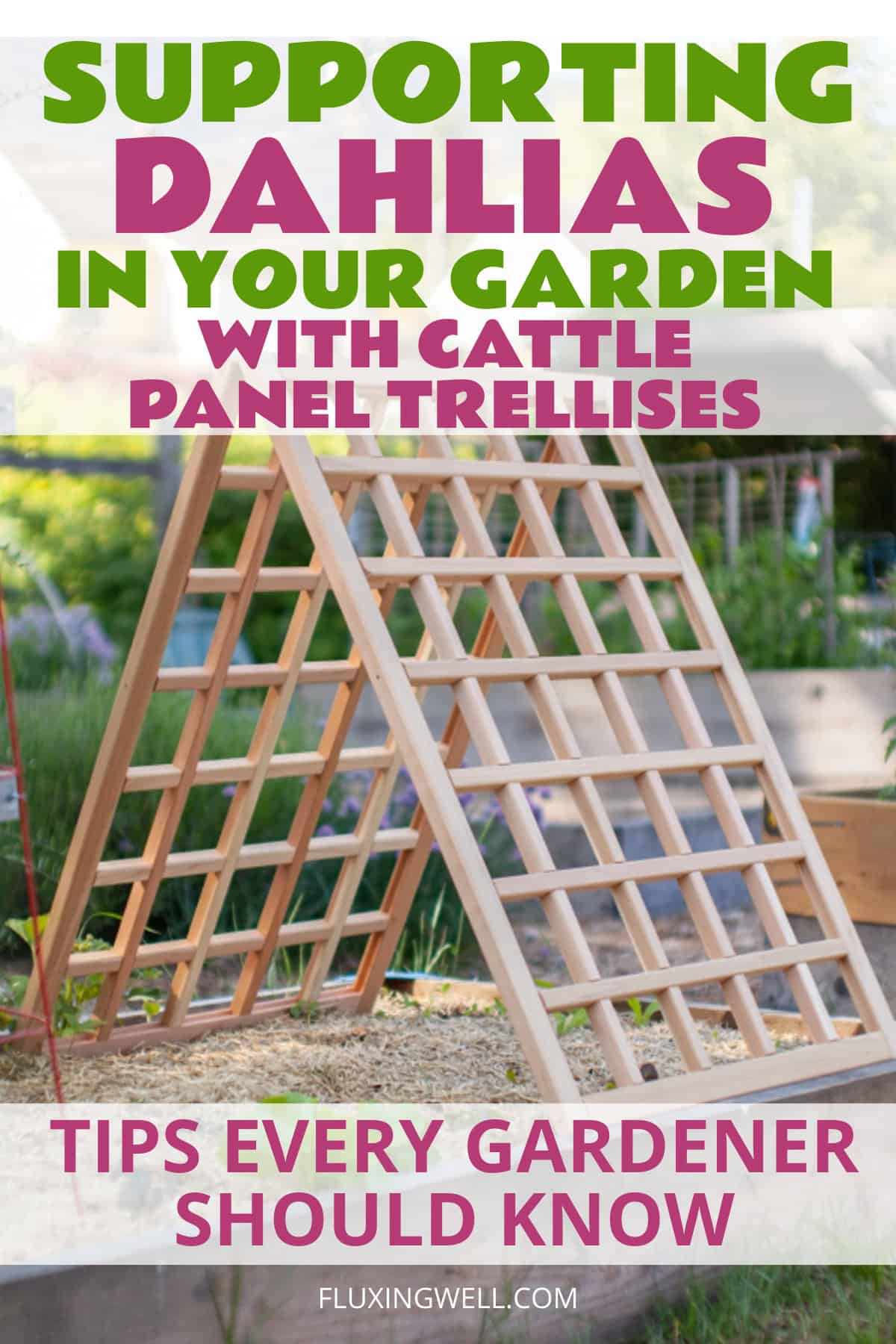
Cattle panels are heavy-duty wire panels commonly used in agriculture but increasingly popular in flower gardens. Positioned vertically or horizontally, they provide exceptionally strong support for large dahlia plantings and can withstand both heavy blooms and windy conditions. Their durability makes them a favorite for serious dahlia growers.

Wire Flower Supports
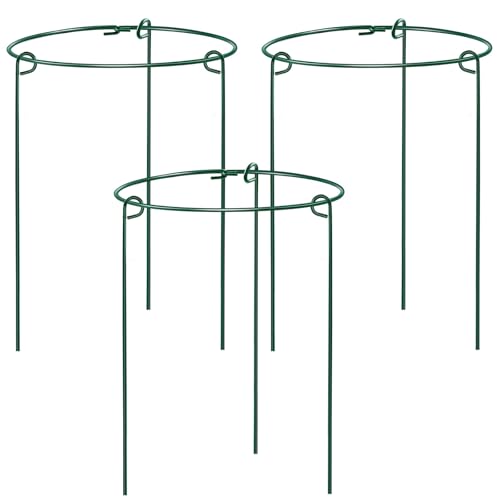
Circular wire flower supports are designed specifically for flowering perennials. The stems grow through the ring and receive support from all sides. These supports blend into the foliage and help maintain a tidy appearance throughout the blooming season. These are popularly known as peony rings, but they may be used for dahlias as well.

Rebar and Twine (or Garden Tape) Systems
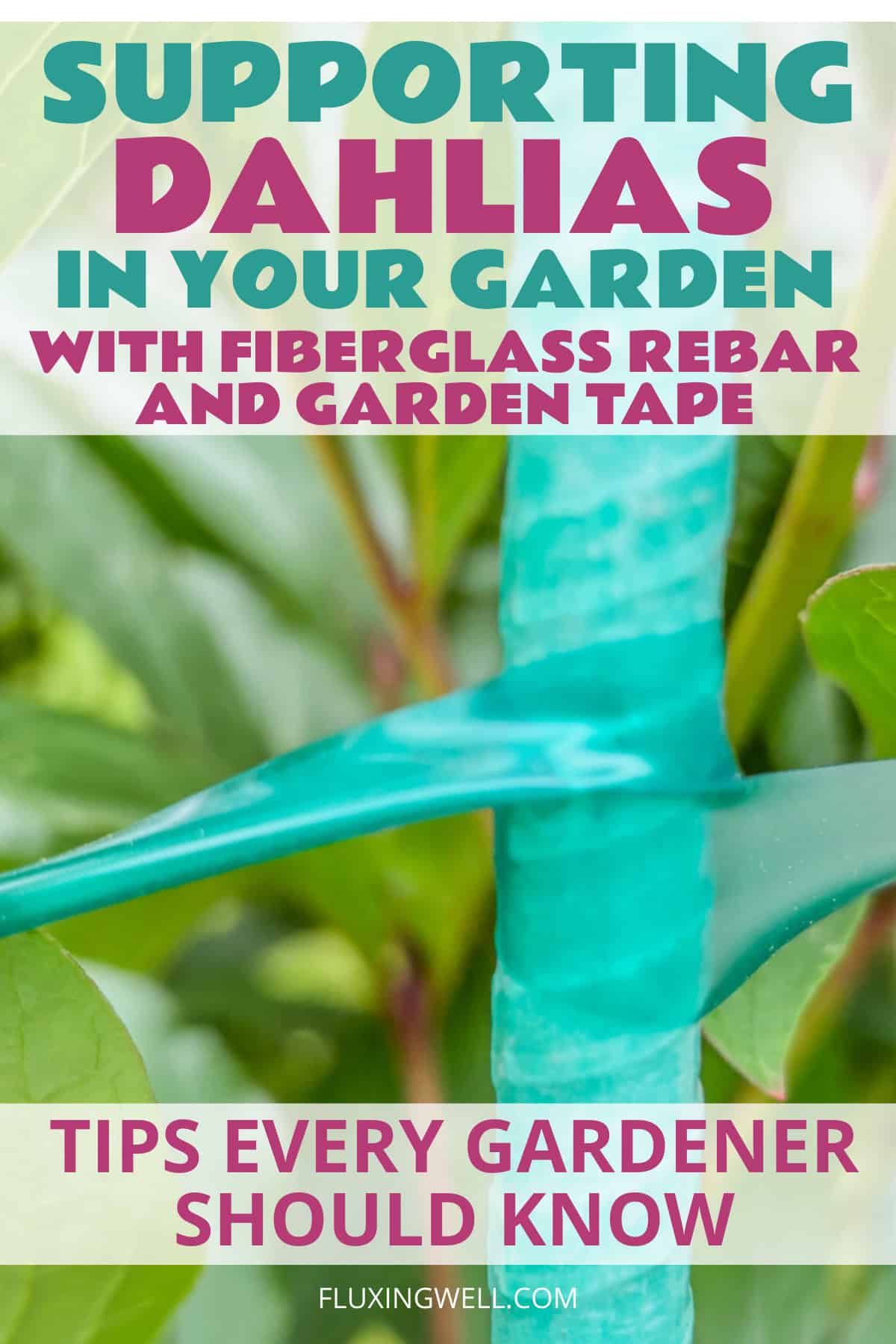
Many cut flower growers use rebar stakes combined with layers of twine to create a strong support system for rows of dahlias. As plants grow taller, additional layers of twine can be added. This method is economical, highly effective, and ideal for large garden plots. We chose to go with fiberglass rebar and used garden tape instead of twine. It’s the same way we support our peonies. The fiberglass rebar is definitely sturdy. If you cut them to size with a saw, be careful to wear gloves when putting out the stakes to avoid fiberglass splinters. Also, we use green stretchy garden tape to support the dahlias rather than twine.

Peony Rings
Peony rings are circular supports mounted on legs that can also be used for dahlias. Installed early in the season, they help support stems before they become top-heavy with flowers. The foliage eventually hides the support, creating a neat and natural look.
Keep Track of Your Garden with a Free Journal Logbook
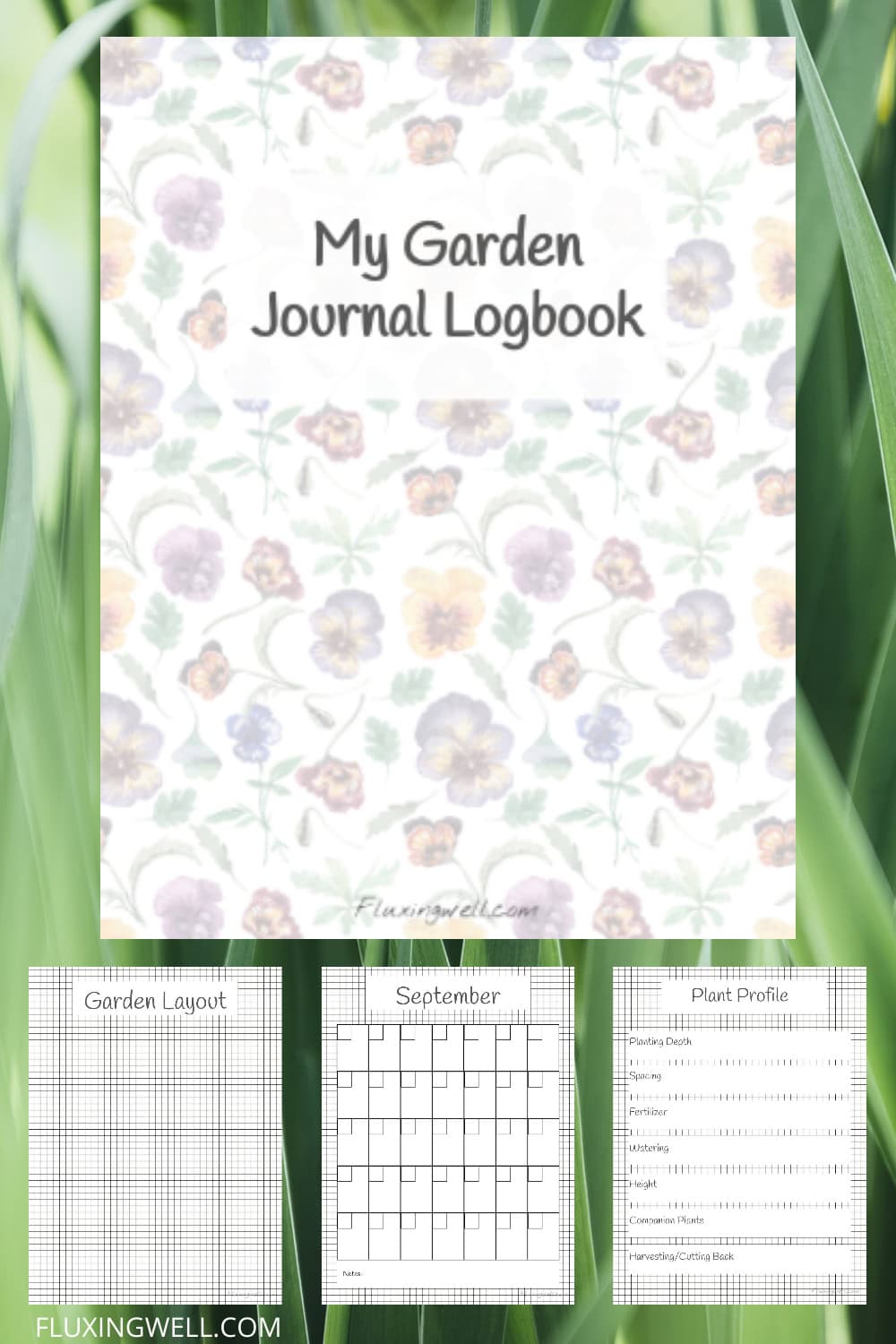
When I plant my dahlias every spring, I keep track of each variety by diagramming the layout of my dahlia beds. One of my dahlia beds is more formal, and I like to make sure the taller dahlias go in the back row. I take this garden logbook out with me and use it as a guide from year to year. It’s easy to make your own with the free printable pages I offer. Choose the pages you want to use and customize them as you wish to record monthly, weekly, and daily garden tasks, lists, weather, and planting arrangements. There are also grid pages for easily designing the layout of your vegetable garden, flower garden, or landscape. It’s nice to have all of your garden information in one place.
Free Online Garden Planner Layout Template
Now that you know which are the best companion plants for dahlias, you might need a way to plan your garden layout. Whether you are planting vegetables, flowers, or herbs near your lupine plants, this online garden planner can help you visualize your design and bring it to life. Arrange and rearrange the plants over and over, then print the layout when you are satisfied. With garden tasks that need your attention, this is one way to save time.

It’s fully customizable when you make your own copy and includes two editable chart pages for noting planting specifications.
Get my free online garden layout planner template!
Which Method Will You Choose for Supporting Your Dahlias?
Whichever dahlia-support strategy you use, may it be just the right choice for your garden. With so many garden tasks during the growing season, may the supporting of dahlias be something you can do once, then let the dahlias thrive. Happy dahlia-growing!

Lisa Mitchell is a wife, mom, and school librarian who likes to grow fruit, herbs, vegetables, and flowers on her family’s small Pacific Northwest farm. To learn more about what this website has to offer gardeners, click on over to the Garden page.
Like what you read here? Please give it a share!
Want more great garden, food, or travel ideas? Follow FluxingWell on Pinterest, Facebook, Instagram, and X for the latest posts, tips, and inspiration.
Hi Lisa! The picture of you in your garden is so pretty! I love it! Also, I absolutely love flowers! I remember the first time I received flowers as a gift. I’ve always wanted flowers as a gift from a romantic partner, but I’ve never been in a serious relationship. A very dear friend of mine knew how much getting flowers meant to me, so she bought flowers for my birthday one year. Those were not given for romance, but it was still out of love, so the gesture meant a lot to me! Romance might happen for me one day, but for now, I’m appreciative my dear friend.
Oh, how very nice, and thank you for your kind words about my flowers. I do love fresh flower bouquets, and dahlias make great cut flower arrangements.
This has been a learning experience. So much information on supporting Dahlias with stakes. I didn’t know there were options. I only see whats offered in hone depot or lowes – didnt think there were other options.
Oh, yes, and sometimes the stakes can be very flimsy. Glad to introduce you to some other easy, effective options for dahlia supports.
Thank you for all these easy ways of supporting dahlias in my garden! From bamboo stakes to tomato cages, you’ve thought of every tip a gardener should know!
Wel, thank you very much. I have learned a lot by watching other dahlia growers and have learned a lot from my own trials and errors as well.
You’re always several steps ahead of me! I appreciate these great tips for supporting dahlias!
Oh, you are very kind. I’m always happy to share what I learn, and I’m always getting new ideas as well.
Thank you for this helpful post about supporting dahlias. My tubers have sprouted and I want to make sure they thrive. Great tips!
I’m so glad you found the tips helpful. All of my tubers sptouoted this year, so I’m grateful I have supports in place.