
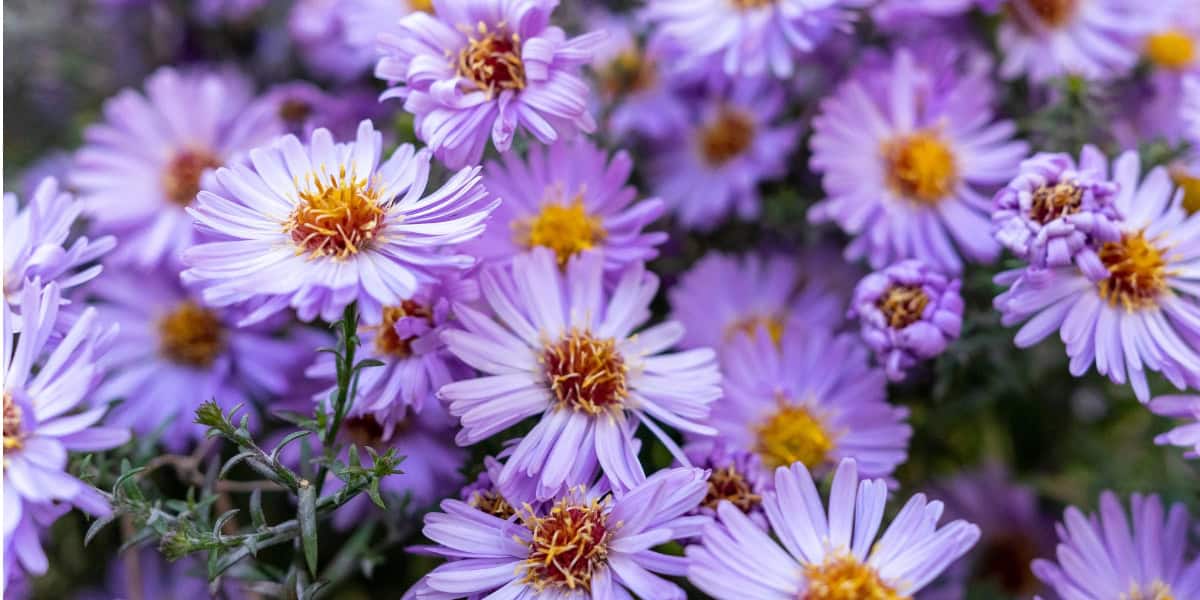
Few flowers announce the arrival of fall quite like asters. Their star-shaped blooms in shades of blue, purple, pink, and white show up right when the rest of the garden is winding down, making the aster flower a favorite for pollinator gardens, fall garden ideas, and gift-worthy container displays. Whether you’re working asters into an existing perennial border or building a whole fall flowers garden from scratch, pairing them with the right companion flowers, herbs, and fall perennials will help your aster patch look intentional, healthy, and full, not sparse and lonely. Below you’ll find an alphabetical rundown of the best aster companion plants, what to avoid planting nearby, beginner-friendly planting tips for both fall and spring, common pests and diseases (with remedies), and a few favorite books if you want to go deeper into growing asters.
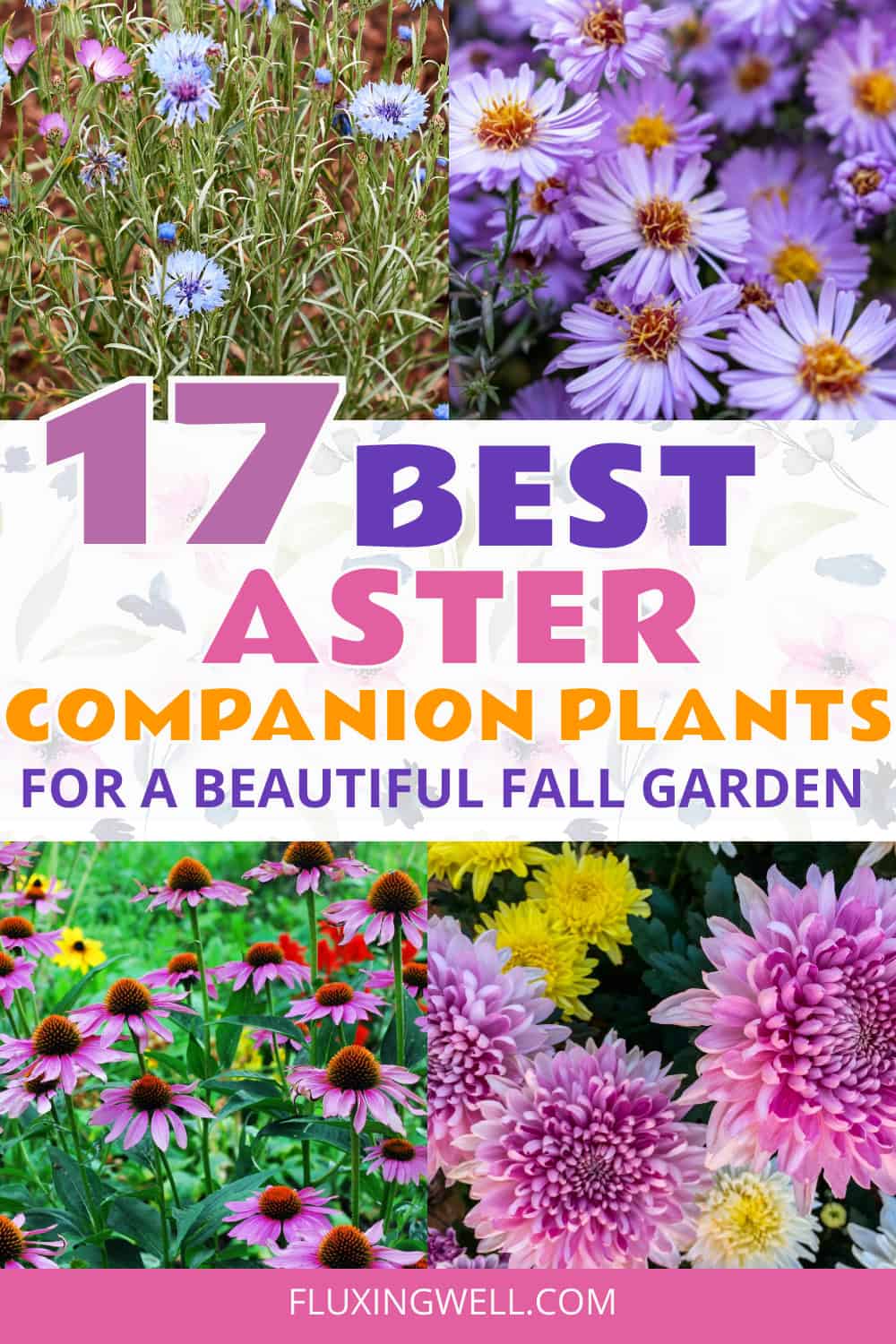
Can You Plant Fall Gift Asters? Yes, With a Catch
If someone hands you a pot of blooming asters (or mums) in September, you might assume they’re a one-and-done seasonal decoration. Good news: asters are true perennials, and that gift plant can absolutely go in the ground. The catch is timing and expectations. A blooming aster is pouring its energy into flowers, not roots, so a plant tucked into the soil in late fall hasn’t had time to establish a strong root system before winter hits, which lowers its odds of coming back reliably in spring.
That doesn’t mean you shouldn’t try. It just means you should stack the odds in your favor. Plant gift asters at least six weeks before your first hard frost. Choose a spot with well-drained soil, water them in well, and add a couple of inches of mulch once the ground cools to insulate the roots. If your fall gift arrives too close to frost to safely transplant, you can also sink the whole pot into the ground or a larger container as a temporary annual display, then plant it properly come spring for the best long-term results.
Why Asters Are a Yard and Garden Favorite
Asters earn their spot as a garden favorite for a few simple reasons. They bloom reliably from late summer into fall, right when many perennials, including several featured in our best easy-care perennials roundup, have already finished their show. They’re low-maintenance once established, tolerate a range of soils, and come in hundreds of varieties and heights, so there’s an aster for a cottage border, a cutting garden, or a container on the porch. Add in the fact that asters are magnets for bees and late-season butterflies, and it’s easy to see why they show up again and again in fall garden ideas.
Best Aster Companion Flowers
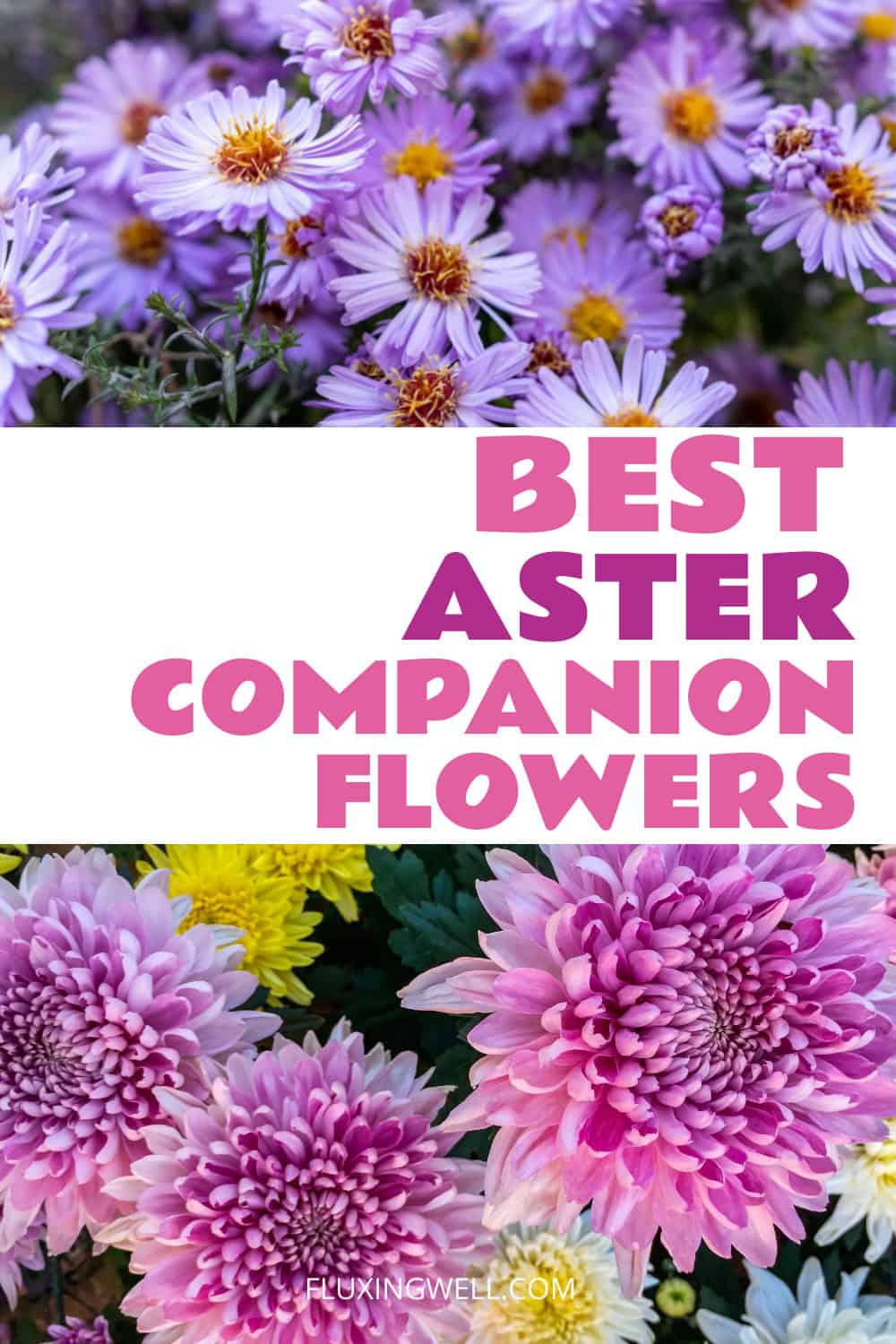
Bachelor’s Button (Cornflower): Cool blue, reseeding blooms that echo aster’s cooler tones and keep flowering into fall.
Black-Eyed Susan: Bold yellow blooms and a matching height make this a classic, high-contrast pairing.
Coneflower (Echinacea): Similar sun and soil needs, plus a shared appeal to pollinators (see our best echinacea companion plants guide for more pairing ideas).
Goldenrod: A native perennial that blooms alongside asters and adds a golden contrast to purple and blue varieties.
Hardy Mums: Same bloom time, same care needs, and an even wider color range for fall containers.
Lupine: Blooms earlier in the season and fades right as asters take over, so the two never compete for attention (more in our best lupine companion plants post).
Ornamental Grasses: Add movement and texture without overshadowing aster blooms.
Russian Sage: Silvery foliage and lavender-blue spikes complement aster’s daisy-like flowers beautifully.
Sedum (‘Autumn Joy’): A succulent fall bloomer with matching drought tolerance and bloom timing.
Yarrow: Flat-topped flower clusters in white, pink, or yellow that bloom right into aster season.
Zinnia: An easy annual, especially orange and fiery-red varieties, that pops beautifully against purple and blue asters.
Best Aster Companion Herbs
Chives: Their pest-repelling reputation and tidy, upright habit make them a tidy front-of-border partner (see our best chives companion plants guide).
Dill: Attracts beneficial insects that help keep aphids in check near your aster bed; more in our best dill companion plants post.
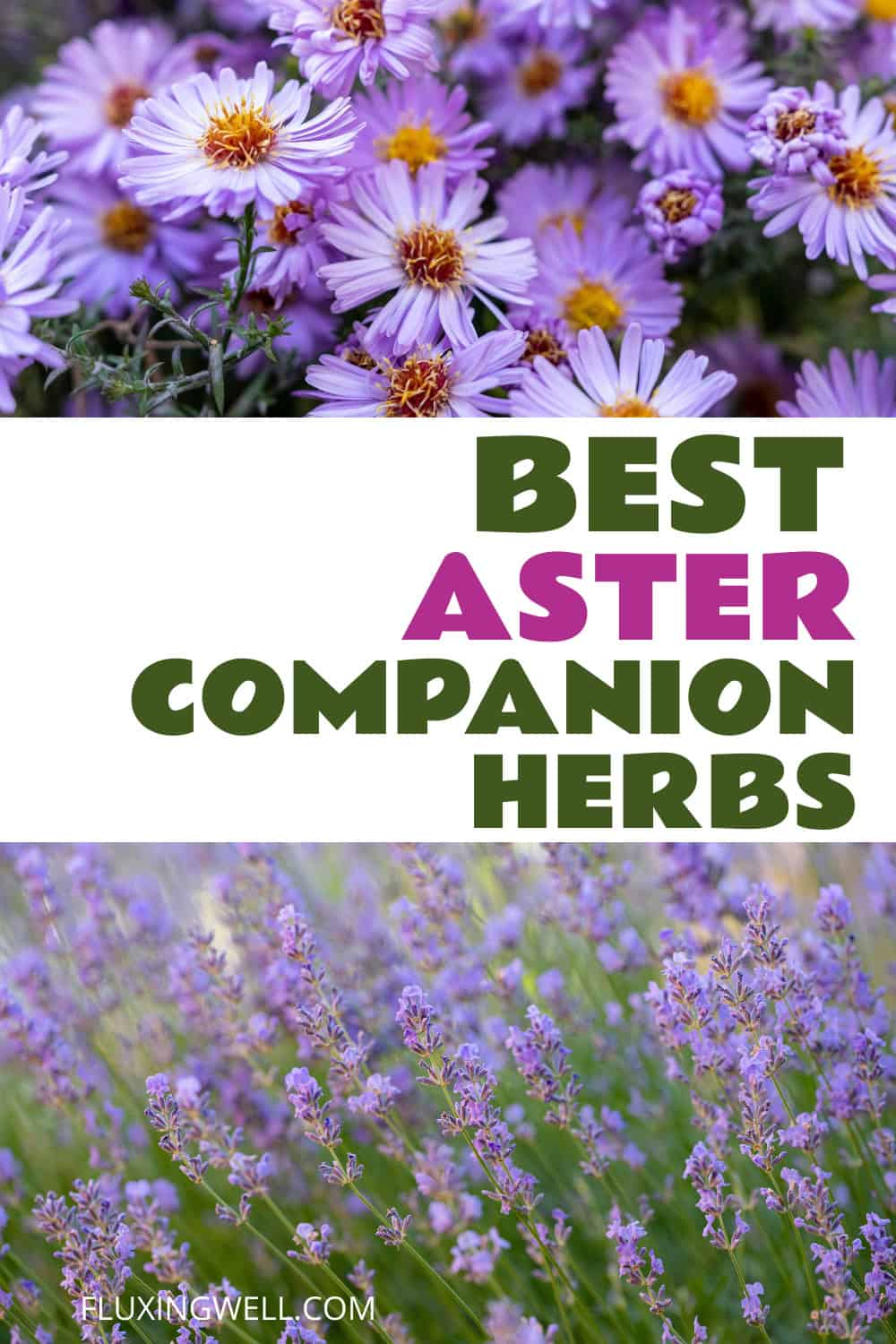
Lavender: Shares aster’s love of full sun and well-drained soil, and the silvery foliage pairs nicely with cool-toned blooms (read more in best lavender companion plants).
Oregano: Low, spreading, and pollinator-friendly, oregano fills in around taller asters without competing for light (see best oregano companion plants).
Rosemary: A woody, drought-tolerant herb that thrives in the same sunny, well-drained conditions asters prefer (details in best rosemary companion plants).
Thyme: A low-growing groundcover herb that keeps weeds down at the base of taller asters; more in best thyme companion plants.
What Not to Plant With Asters
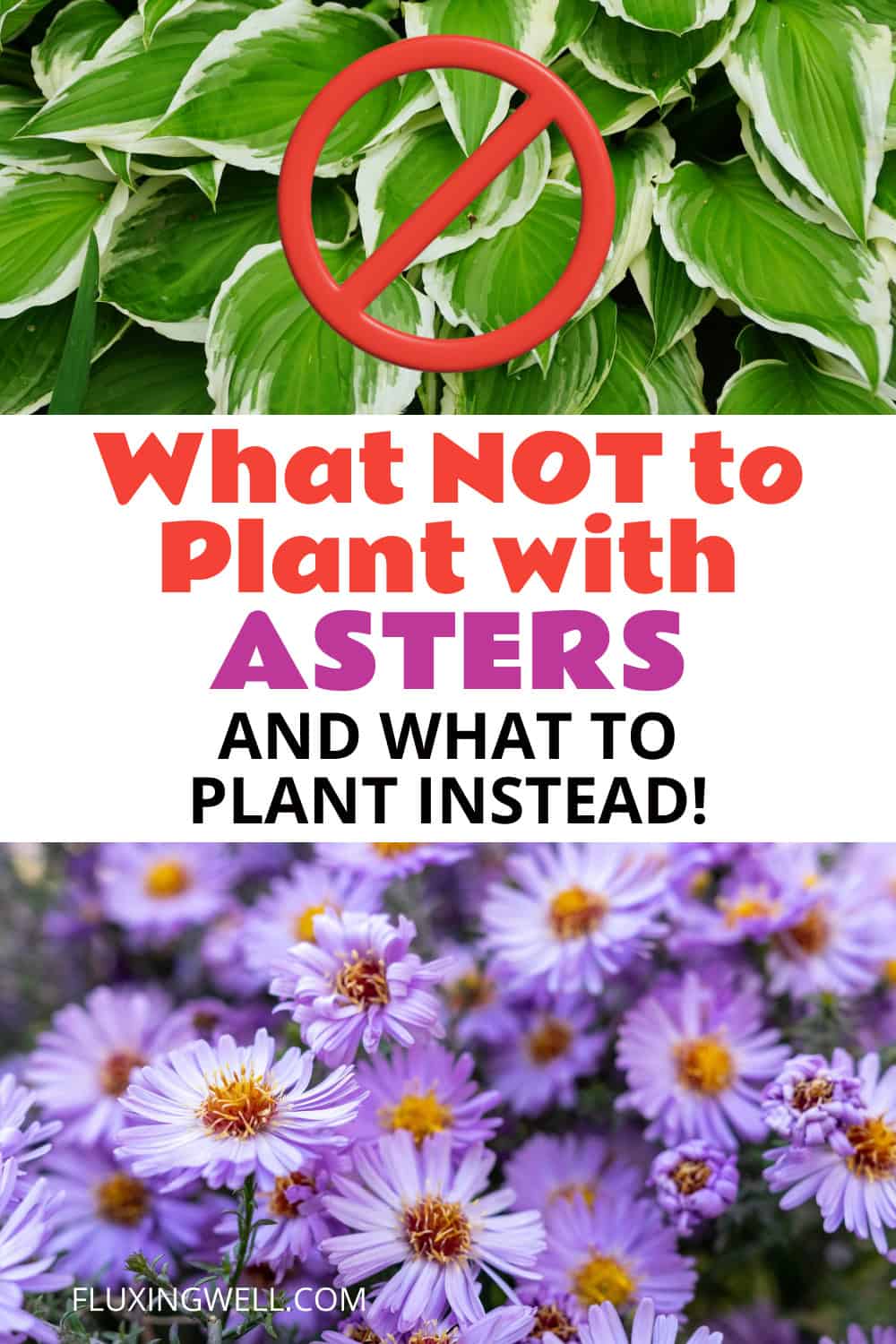
Bee Balm: Prone to the same powdery mildew as asters and can crowd them out in damp, humid conditions.
Black Walnut: This allelopathic tree releases compounds into the soil that stunt or kill many nearby perennials, asters included.
Ferns: Need consistent shade and moisture, the opposite of the full sun and well-drained soil asters want.
Gunnera: A bog-loving giant that needs constantly wet soil, which will rot aster roots.
Hostas: Shade lovers that will struggle and shade out asters planted nearby; see our best hosta companion plants post for better hosta pairings.
Lungwort (Pulmonaria): Another shade-and-moisture lover that clashes with aster’s sun requirements; check out best pulmonaria companion plants for plants that suit it better.
Rush: A wetland plant that needs soggy soil asters simply can’t tolerate.
Aster Companion Planting Chart
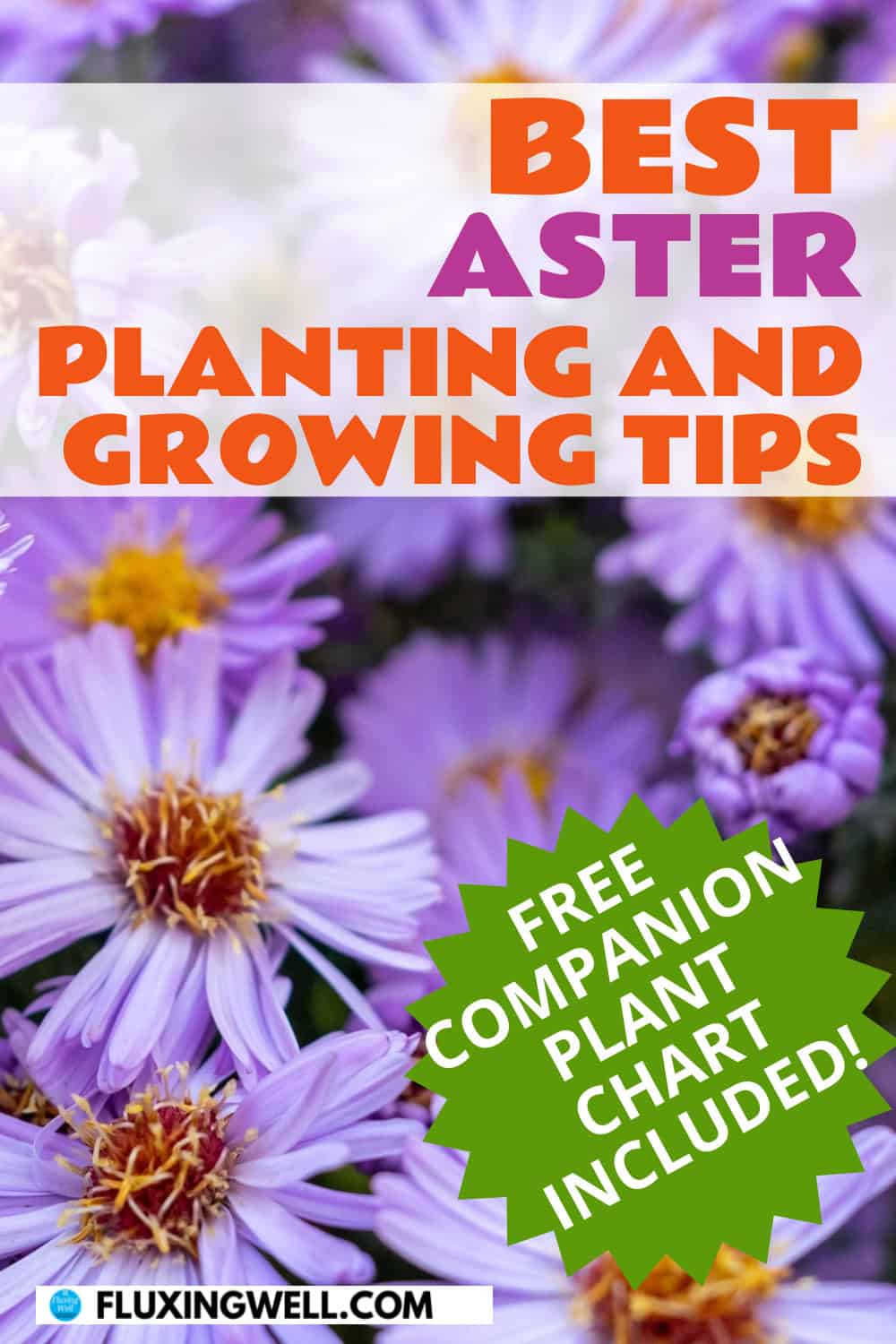
| Best Companion Flowers | Best Companion Herbs | What Not to Plant With Asters |
| Bachelor’s Button | Chives | Bee Balm |
| Black-Eyed Susan | Dill | Black Walnut |
| Coneflower (Echinacea) | Lavender | Ferns |
| Goldenrod | Oregano | Gunnera |
| Hardy Mums | Rosemary | Hostas |
| Lupine | Thyme | Lungwort (Pulmonaria) |
| Ornamental Grasses | Rush | |
| Russian Sage | ||
| Sedum | ||
| Yarrow | ||
| Zinnia |
Planting and Growing Tips for Beginners
Planting Asters in Fall
Choose a spot with full sun and soil that drains well. Soggy roots are the top cause of aster failure.
Plant at least six weeks before your first expected frost so roots can establish before winter.
Dig a hole twice as wide as the root ball, set the plant at the same depth it was in its pot, and backfill.
Water thoroughly right after planting, then add 2–3 inches of mulch to insulate the roots.
Leave the dried foliage standing through winter. It shelters beneficial insects and adds winter interest.
Planting Asters in Spring
Wait until after your last frost date, then choose a full-sun spot with well-drained soil.
Space new plants 18–24 inches apart to allow for airflow (this helps prevent mildew later).
Pinch back the growing tips by about an inch once plants reach 6 inches tall, and repeat once more in early summer — this encourages bushier, more compact plants with more blooms.
Water deeply once a week rather than giving light daily sips, aiming water at the soil instead of the leaves.
Divide established clumps every 3–4 years in spring to keep plants vigorous and prevent overcrowding.
Common Aster Pests and Diseases (With Remedies)
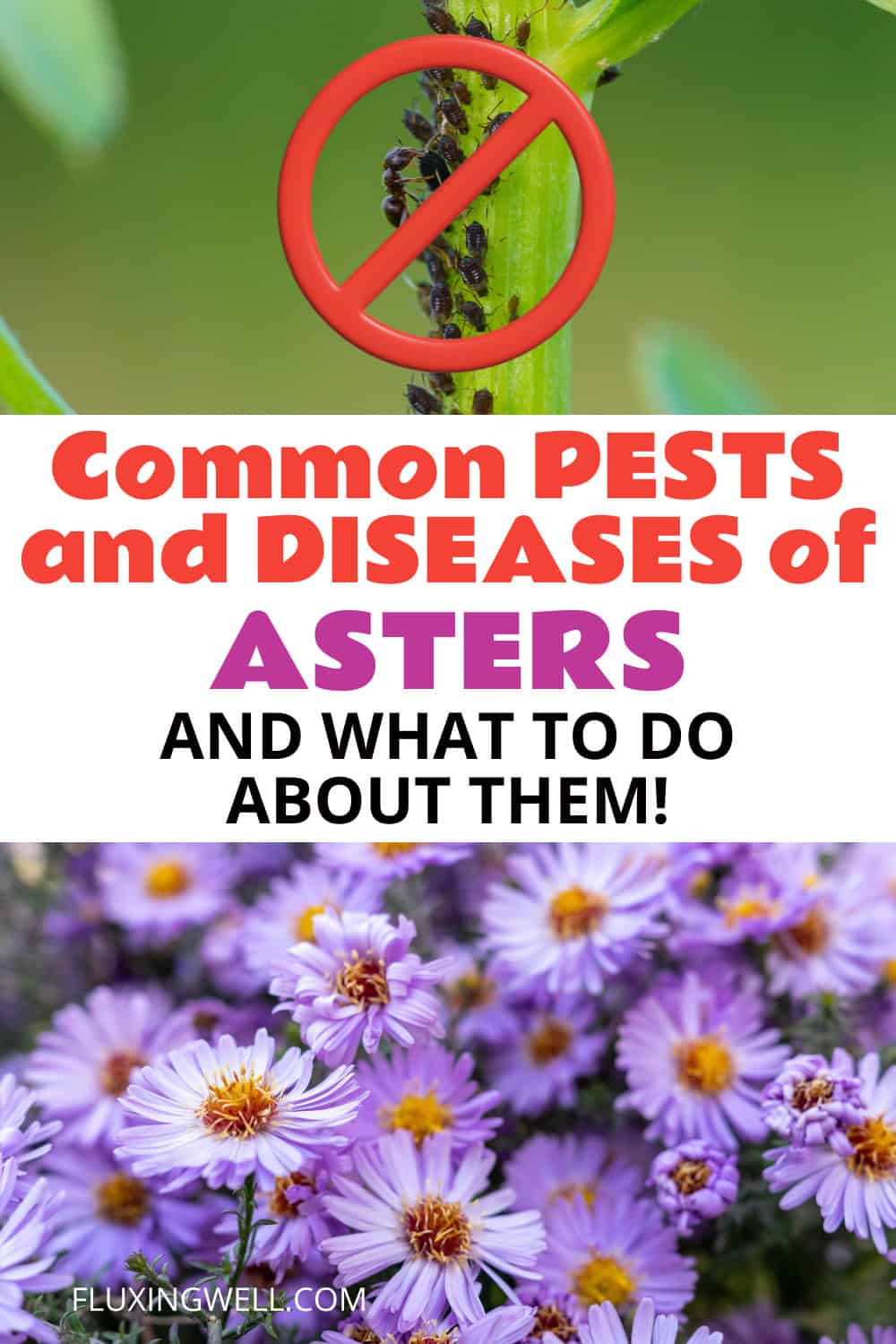
Aphids: Small sap-sucking insects on new growth. Spray them off with water or treat with insecticidal soap.
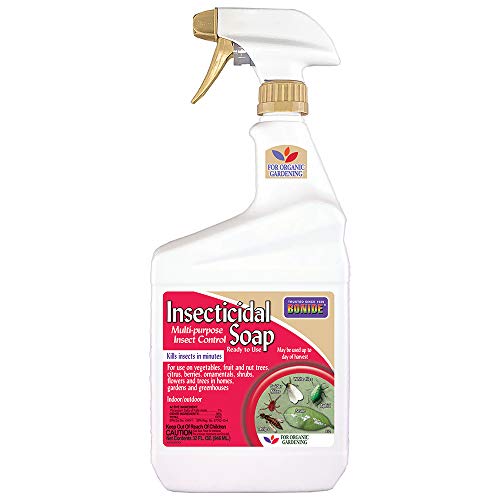
Spider Mites: Cause stippled, dry-looking foliage in hot weather. Increase humidity around plants and use insecticidal soap for heavier infestations.
Lace Bugs: Leave a stippled, bleached appearance on leaves. Prune out heavily affected foliage and treat with horticultural oil.

Aster Leafhoppers: Spread aster yellows, a disease that causes stunted, deformed, greenish flowers. Remove and destroy infected plants, control leafhoppers, and clear nearby weeds that host the disease.
Powdery Mildew: White, powdery coating on leaves. Improve air circulation with proper spacing, avoid overhead watering, and apply a fungicide at the first sign of infection.

Rust: Orange, powdery spots on the undersides of leaves. Clean up plant debris in fall, space plants well, and apply fungicide if needed.
Botrytis Blight: Browns and kills blossoms in damp conditions. Water at the soil line instead of overhead and remove spent blooms promptly.
Root Rot: Caused by soggy, poorly-drained soil. Prevent it by planting in well-drained soil from the start; remove and discard affected plants.
Popular Books About Growing Asters
The Plant Lover’s Guide to Asters by Paul and Helen Picton (Timber Press): A photo-rich guide covering 101 species and cultivars, with design and companion planting advice from two lifelong aster specialists.

Gardener’s Guide to Growing Asters by Paul Picton (David & Charles): A comprehensive, A-Z look at aster history, botany, and cultivation from around the world, plus pest and disease guidance.

If you’re building out a full fall perennial border, you might also enjoy browsing the Garden section for more companion planting guides, or dividing your asters the same way you’d divide your irises to keep clumps healthy for years to come.
Need More Planting Ideas?
There are other plants that may be divided in the fall, including dahlias. If you want to know which plants grow well with your freshly divided and replanted irises, find the best iris companion plants. For other companion planting ideas, check out the tips for the best companion plants for pumpkins, sunflowers, garlic, asparagus, rosemary, radishes, beetroot (beets), thyme, parsley, lupine, borage, stevia, kale, lemon balm, dahlias, or the best companion plants for lavender. Get tips for growing stunning dahlias or vintage roses. Are you a beginning gardener? Try planting some foolproof, easy-care perennials, or learning about the best companion plants for columbine. There are so many exciting plants to grow!
Keep Track of Your Garden with a Journal Logbook
Keep track of your planting ideas, goals, and plans with a printable, editable free garden journal logbook. Choose the pages you want to use and customize them as you wish to record monthly, weekly, and daily garden tasks, lists, weather, and planting arrangements.
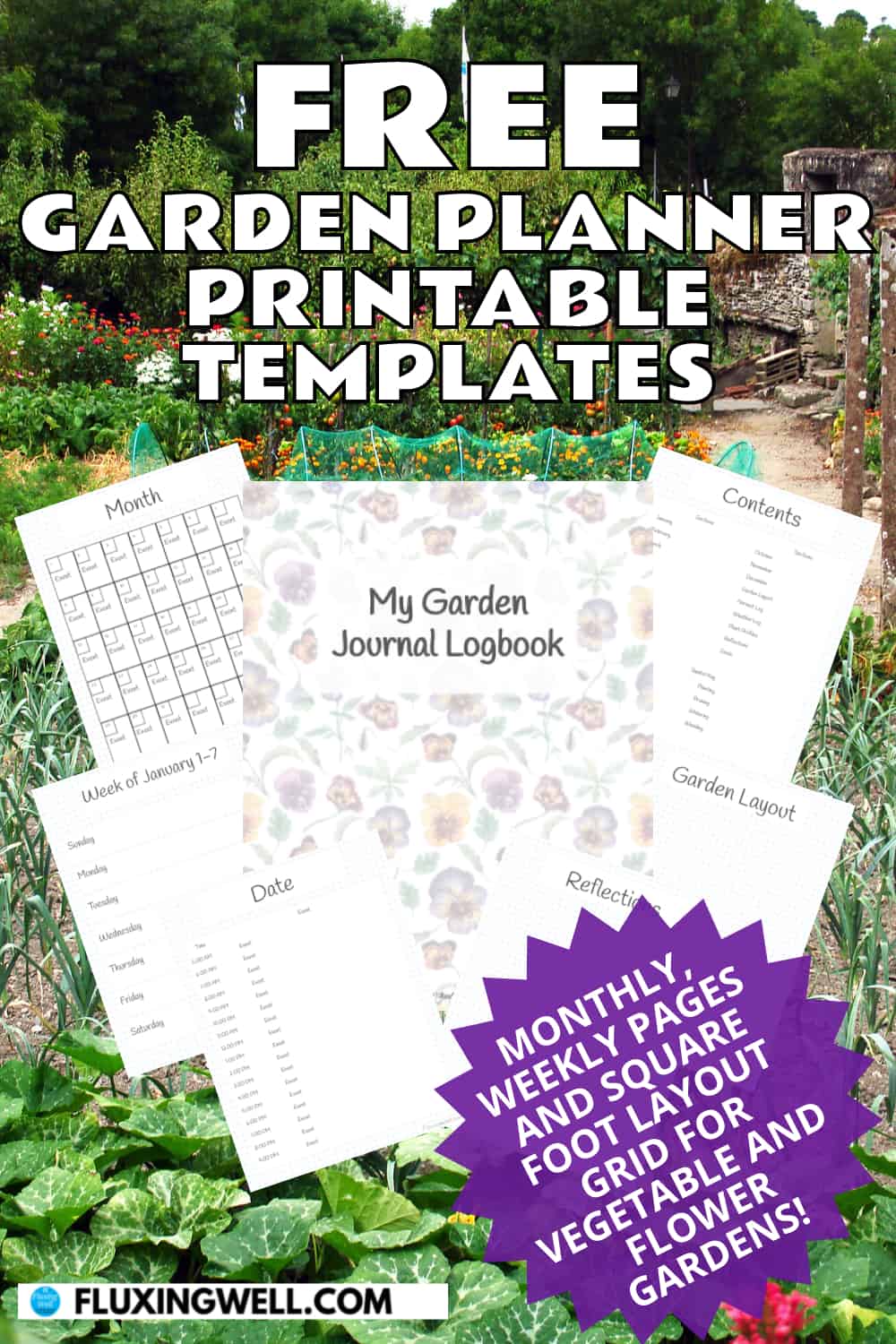
There are also grid pages for easily designing the layout of your vegetable garden, flower garden, or landscape. Print it out and put it into a notebook you can take with you to the garden (that’s what I do). It’s nice to have all of your garden information in one place.
Get the garden journal logbook!
Free Online Garden Planner Layout Template
Now that you know which are the best companion plants for irises, you might need a way to plan your garden layout. Whether you are planting vegetables, flowers, or herbs near your lupine plants, this online garden planner can help you visualize your design and bring it to life. Arrange and rearrange the plants over and over, then print the layout when you are satisfied. With garden tasks that need your attention, this is one way to save time.

It’s fully customizable when you make your own copy and includes two editable chart pages for noting planting specifications.
Get my free online garden layout planner template!
Dividing irises might feel intimidating the first time, but once you’ve done it, you’ll see just how forgiving these tough, beautiful plants really are. A little effort every few years keeps your iris garden blooming for decades to come.
May all of your gardening endeavors meet with success!

Lisa Mitchell is a wife, mom, teacher, and former school librarian who likes to grow fruit, herbs, vegetables, and flowers on her family’s small Pacific Northwest farm. To learn more about what this website has to offer gardeners, click on over to the Garden page.
Want more great garden, food, or party ideas? Follow FluxingWell on Pinterest, Facebook, Instagram, and X for the latest posts, tips, and inspiration.
Thank you for this helpful article on the best aster companion flowers as well as plants. Great tip that asters are true perennials, and that when gifted the plant can go right into the ground to keep enjoying!
I’m so glad you liked the tips and ideas about planting asters. Happy gardening!
Thanks for this great resource on aster companion plants. Appreciate the helpful tips on fall planting!
You are most welcome. Asters can certainly add a welcome touch of color to a fall garden.
I love asters but wasn’t sure about planting them in the fall. Now that I have this companion plants guide, I’m ready to proceed with confidence. Thank you!
You’re welcome! I’m so glad you got the information you needed to plant asters in the fall with the right companion plants.