
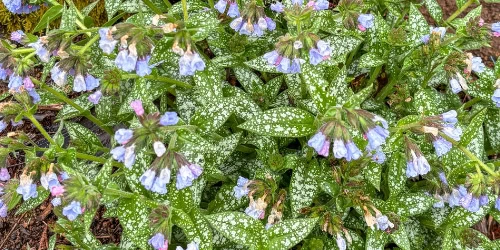
Looking to brighten up those shady garden corners?
Pulmonaria companion plants are the perfect partners for adding color, texture, and harmony to your landscape. Whether you’re growing the charming Mrs. Moon Lungwort or the vibrant Pulmonaria Blue Ensign, these lungwort shade perennials pair beautifully with a variety of shade garden plants, shade flowers, and hardy perennials.
Known for their speckled leaves and early spring blooms, lungwort benefits go beyond beauty. They also attract pollinators and thrive where many plants won’t. Discover the best shade-loving perennials, variegated plants, and spring perennials to grow alongside your lungwort plant for a lush, long-lasting display.
Why I Love Pulmonaria
My first pulmonaria (the Mrs. Moon variety) was given to me years ago by a gardening friend. It’s a great pass-along plant because it’s so easy to divide. Once I realized how lovely the blooms and foliage were in our semi-shady garden areas, I divided it and placed it in various locations around our yard, such as near our rhododendrons and in our backyard perennial garden.
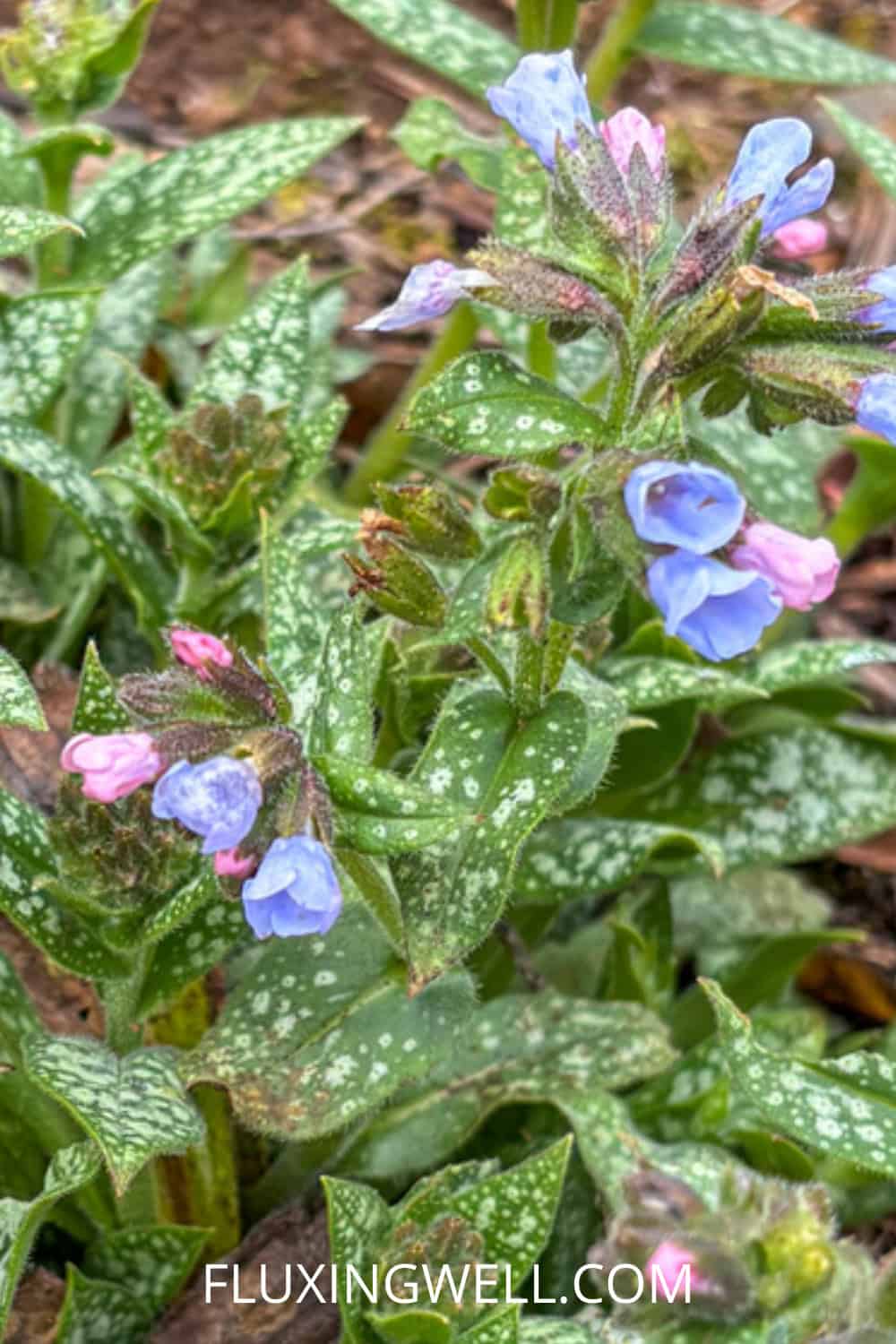
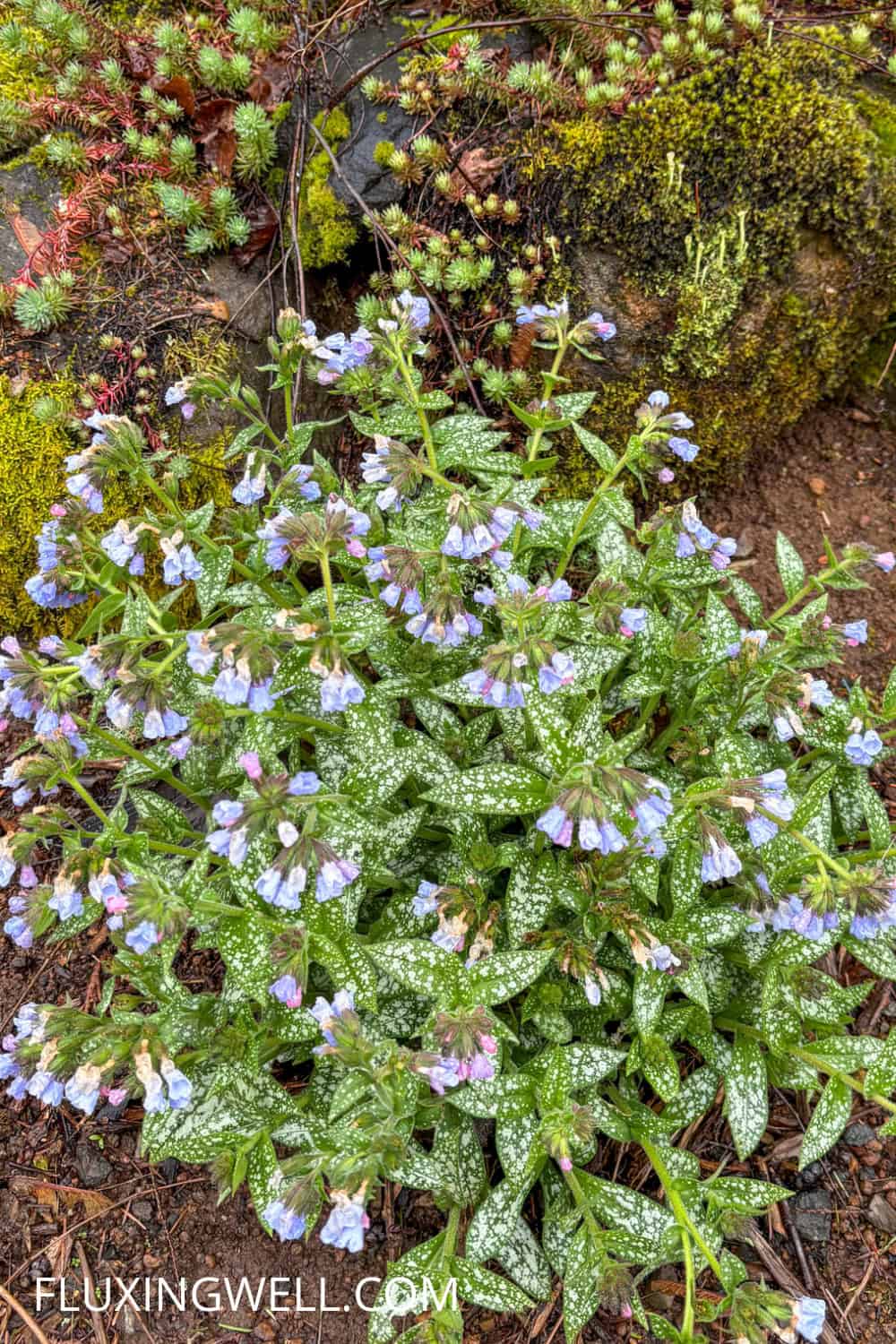
Pulmonaria (I prefer calling it that rather than lungwort) is one of the most reliable shade to part-shade perennial plants in our landscape. It returns every spring like a faithful friend, blooms during late spring into early summer, and doesn’t spread to overwhelm other plants. The pale pink and blue blooms fit in well with my favorite blue, purple, and pink color palette. If all of that weren’t enough, the stunning variegated foliage (shaped like lungs, hence the names pulmonaria and lungwort) offers a pleasing contrast to the different shades of green of surrounding plants.
For pulmonaria to be at its best, great companion plants are essential. Read on for all you need to know about growing thriving pulmonaria right here. I’ve got lists of flowers, herbs, and shrubs that grow well with pulmonaria, plus plants to avoid. Get a handy pulmonaria companion chart along with planting tips, growing tips, propagating tips, and favorite varieties. Let’s get started!
Pulmonaria Companion Plants: Flowers
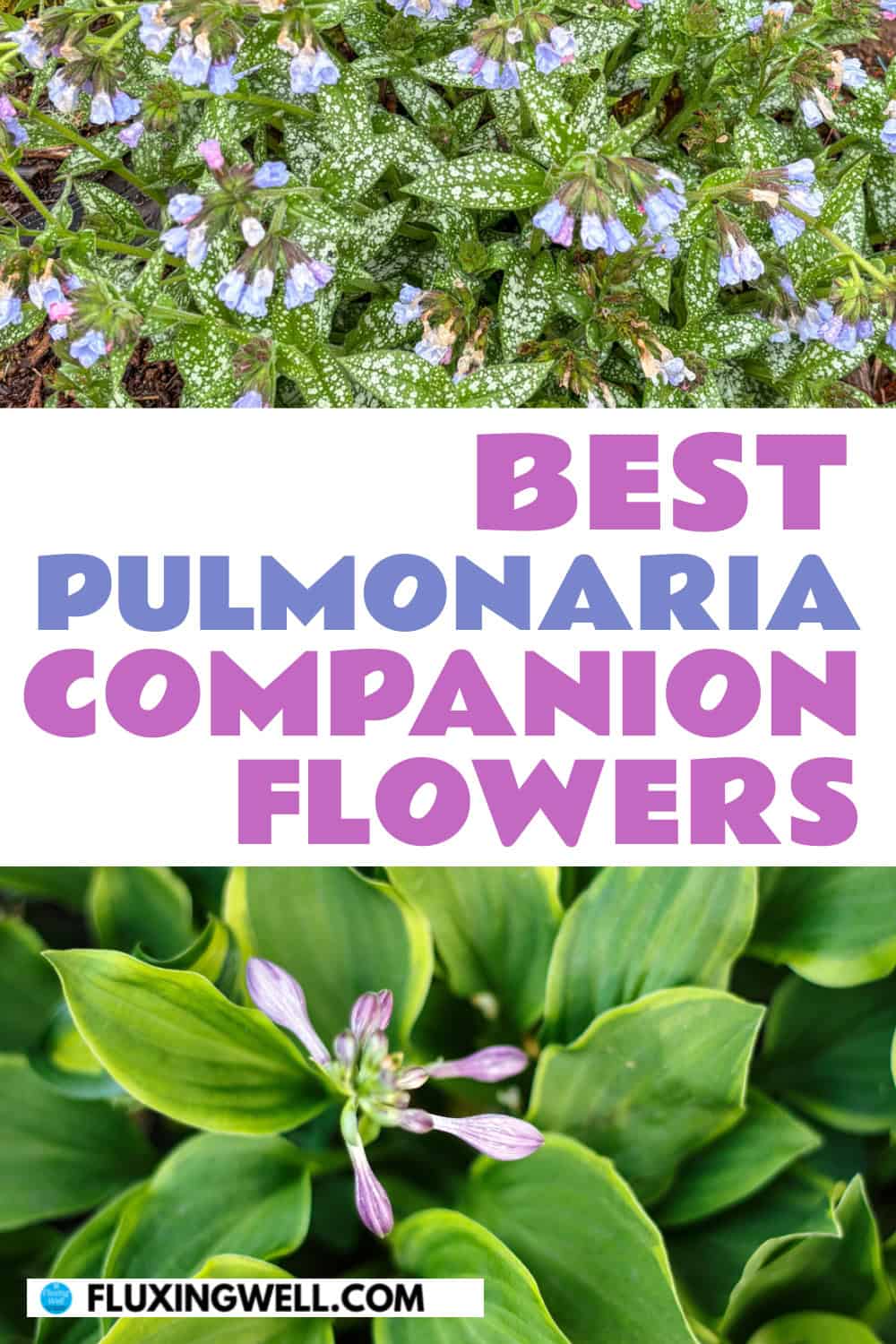
Here’s a list of the best companion flowers for pulmonaria (lungwort), each with a brief reason why it’s a good match:
Hosta: Their bold leaves complement pulmonaria’s spotted foliage and both thrive in shady, moist conditions.
Astilbe: Adds feathery texture and blooms later in the season, extending visual interest in the shade garden.
Brunnera: Similar growing needs and blue spring flowers echo pulmonaria’s blooms for a cohesive look.
Ferns: Their fine, airy fronds contrast beautifully with pulmonaria’s broad leaves and love the same woodland soil.
Heuchera (Coral Bells): Offers colorful foliage that pops next to pulmonaria, and both prefer similar shady, moist spots.
Epimedium: Its delicate blooms and drought tolerance make it a resilient, attractive understory companion.
Trillium: A native wildflower that pairs well with pulmonaria in early spring woodland gardens.
Dicentra (Bleeding Heart): Offers graceful, romantic blooms just as pulmonaria begins to fade, keeping color going.
Hellebore: Blooms in late winter to early spring, overlapping slightly with pulmonaria to brighten shady spots early in the season.
Tiarella (Foamflower): Soft flower spikes and neat foliage pair well with pulmonaria and thrive under the same growing conditions.
Pulmonaria Companion Plants: Herbs
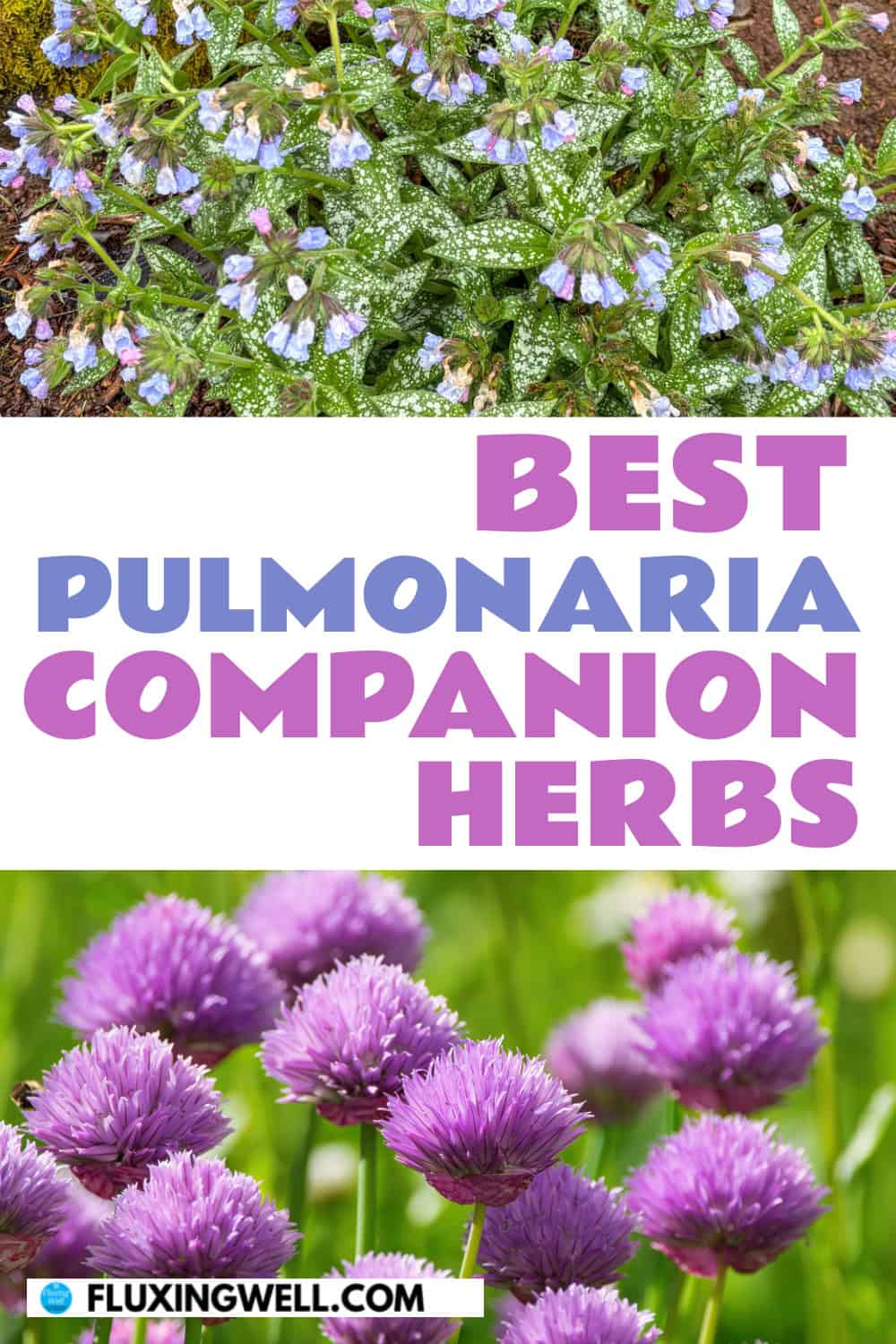
Here are some of the best herbs to grow alongside pulmonaria, each with a brief reason why they make good companions:
Chives: Their upright, grassy texture contrasts nicely with pulmonaria’s broad leaves, and both enjoy moist, partly shaded spots.
Mint: Prefers similar shade and moisture conditions, and its spreading habit can fill gaps around pulmonaria (best in containers to prevent takeover).
Lemon Balm: Tolerates partial shade, adds a citrusy scent to the garden, and its bushy form pairs well with pulmonaria’s mounded shape.
Parsley: Grows well in part shade with consistent moisture, and its finely divided leaves add a nice texture contrast.
Sweet Woodruff: A low-growing herb that thrives in shade and creates a soft carpet around pulmonaria.
Sorrel: Likes the same soil and light conditions and adds edible interest with its tangy leaves.
Cilantro: Grows quickly in cool spring weather alongside pulmonaria, enjoying the same early-season conditions.
Tarragon: Its delicate, wispy leaves contrast pulmonaria’s bolder foliage, and it does well in part sun with adequate moisture.
Pulmonaria Companion Plants: Shrubs

Here’s a list of great companion shrubs for pulmonaria, each with a brief note on why it’s a good match:
Azalea: Thrives in acidic, moist soil and dappled shade, blooming just after pulmonaria for season-long color.
Rhododendron: Shares the same preference for rich, well-drained soil and provides evergreen structure beside pulmonaria’s seasonal charm.
Hydrangea (especially Hydrangea macrophylla): Likes similar shady, moist conditions and offers large, bold blooms that follow pulmonaria’s spring display.
Pieris japonica (Andromeda): Evergreen shrub with early blooms that complement pulmonaria in shade gardens, adding height and structure.
Boxwood: Provides a formal, evergreen backdrop that lets pulmonaria’s foliage and flowers shine in front.
Daphne: Offers highly fragrant spring blooms and appreciates the same partial shade and well-drained, humus-rich soil.
Spirea (especially low-growing types): Adds soft mounding form and summer flowers that follow pulmonaria’s bloom time.
Fothergilla: A native shrub with fragrant spring blooms and great fall color, thriving in similar woodland conditions.
Mahoni: Evergreen with spiky leaves and late winter flowers, giving winter interest and contrast to pulmonaria’s soft foliage.
Cornus sericea (Red Twig Dogwood): Bright red stems in winter and tolerance for shade and moisture make it a striking structural partner.
What Not to Plant with Pulmonaria
Here’s a list of plants to avoid planting with pulmonaria, each with a brief reason why they’re not good companions:
Lavender: Prefers full sun and dry, sandy soil, which is the opposite of the moist, shady environment pulmonaria needs.
Sedum: Thrives in hot, dry conditions and poor soil, making it incompatible with pulmonaria’s love of moisture and shade.
Russian Sage: Needs full sun and well-drained soil, which can stress or kill moisture-loving pulmonaria.
Yarrow: Likes dry, sunny sites and may crowd or outcompete pulmonaria in mixed beds.
Thyme: A sun-loving, drought-tolerant herb that won’t thrive in pulmonaria’s preferred shade and damp soil.
Coreopsis: Requires full sun and dry to medium soil; planting it with pulmonaria can result in poor growth for both.
Coneflower (Echinacea) – Prefers sunny, open areas with dry soil, clashing with pulmonaria’s woodland habitat.
Agastache: Likes hot, dry conditions, making it a poor fit near moisture-loving pulmonaria.
Artemisia: Its silver, sun-loving foliage looks great, but the dry soil it needs doesn’t suit pulmonaria.
Salvia (perennial types): Generally sun-loving and drought-tolerant, which makes it poorly suited for shady, moist borders with pulmonaria.
Quick Reference Chart for Pulmonaria Companion Plants
| Pulmonaria Companion Plants | |
| Pulmonaria Companion Plants: Flowers | Pulmonaria Companion Plants: Herbs |
| Astilbe | Chives |
| Bleeding Heart (Dicentra) | Cilantro |
| Brunnera | Lemon Balm |
| Coral Bells (Heuchera) | Mint (in a container) |
| Epimedium | Parsley |
| Ferns | Sorrel |
| Hosta | Sweet Woodruff |
| Hellebore | Tarragon |
| Tiarella | |
| Trilliums | Worst Pulmonaria Companion Plants |
| Agastache | |
| Pulmonaria Companion Plants: Shrubs | Artemisia |
| Azaleas | Coneflower (Echinacea) |
| Boxwood | Coreopsis |
| Cornus sericea (Red Twig Dogwood) | Lavender |
| Daphne | Russian Sage |
| Fothergilla | Salvia |
| Hydrangeas | Sedum |
| Mahoni | Thyme |
| Pieris japonica (Andromeda) | Yarrow |
| Rhododendrons | |
| Spirea | |

Planting Tips for Pulmonaria
When is the Best Time to Plant Pulmonaria?
The best time to plant pulmonaria is in early spring or early fall when temperatures are mild and the soil is moist. Spring planting allows the plant to establish before summer heat, while fall planting gives roots time to settle in before winter. Avoid planting during hot, dry periods, as pulmonaria prefers cool, shaded conditions and consistent moisture to thrive.
Where is the Best Location to Plant Pulmonaria?
The best place to plant pulmonaria is in a shady or partially shaded area with rich, well-draining soil that stays consistently moist. It thrives under deciduous trees or in woodland garden settings where it gets morning sun and afternoon shade. Avoid hot, dry, or sunny spots, as too much sun or dry soil can cause the leaves to wilt or scorch. Pulmonaria also benefits from being sheltered from strong winds to protect its delicate foliage.
Growing Tips for Pulmonaria
How Much Water Does Pulmonaria Need?
Pulmonaria needs consistently moist soil, especially during the growing season, but it does not tolerate waterlogged conditions. Water deeply once or twice a week, depending on rainfall, ensuring the soil stays damp but not soggy. During hot or dry spells, it may need more frequent watering to prevent wilting. A layer of mulch can help retain soil moisture and keep the roots cool in warmer months.
What is the Best Fertilizer for Pulmonaria?
The best fertilizer for pulmonaria is a balanced, slow-release fertilizer or organic compost applied in early spring as new growth begins. A formula like 10-10-10 or 5-5-5 works well, providing even nutrients for foliage and bloom development.

Alternatively, mixing well-rotted compost or aged manure into the soil enriches it naturally and supports healthy growth. Avoid high-nitrogen fertilizers, which can encourage excess leaf growth at the expense of flowers.
Propagating Pulmonaria
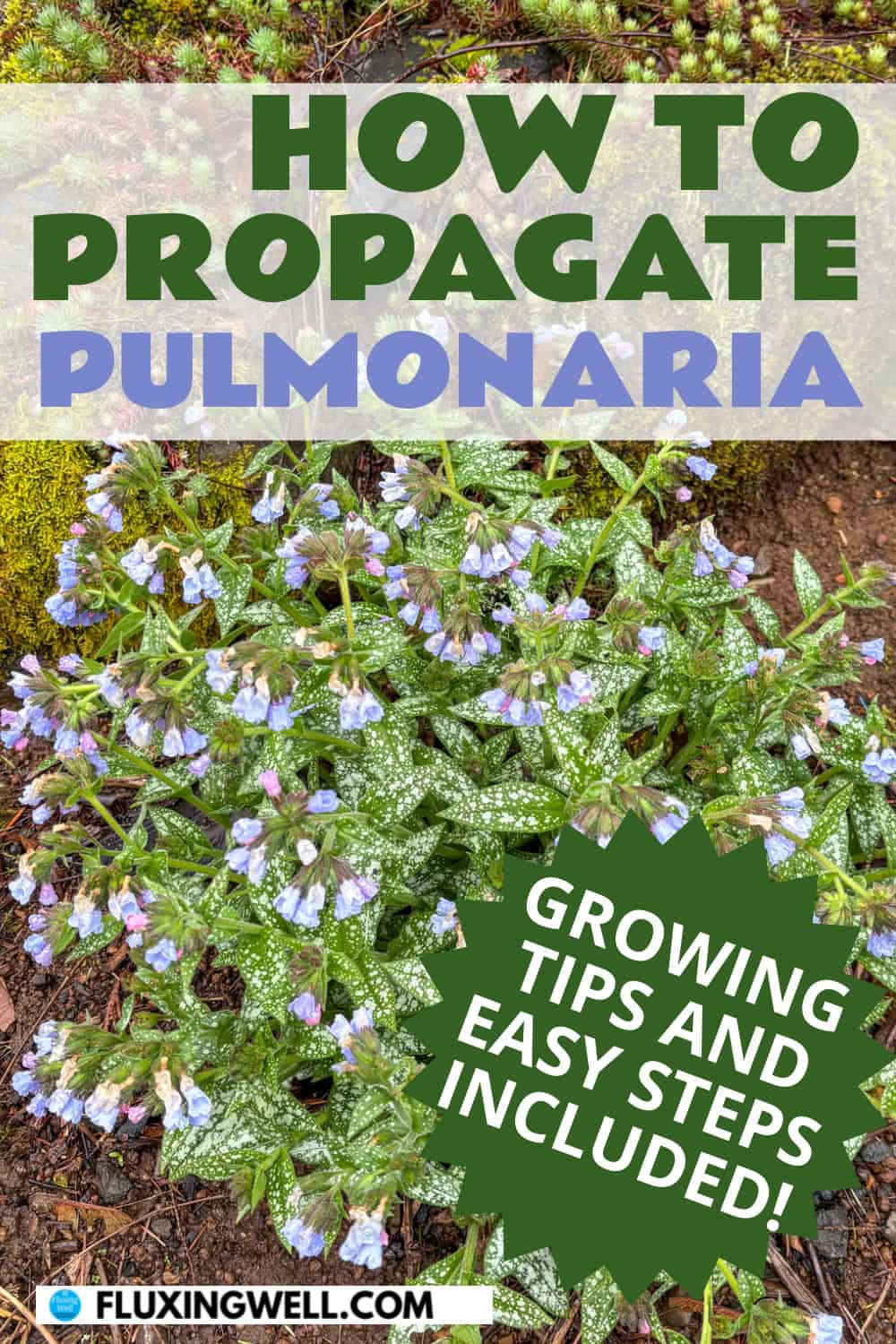
The easiest way to propagate pulmonaria is by division, ideally in early spring or after flowering in early fall. Simply dig up the clump, gently separate the roots into smaller sections—each with leaves and roots attached—and replant them at the same depth in moist, shady soil. Water well after planting to help them establish. Division is quick, reliable, and helps rejuvenate older plants while creating more for your garden.
Varieties of Pulmonaria
Here are some of the best and most popular varieties of pulmonaria, each with standout features:
Pulmonaria ‘Raspberry Splash’: Striking raspberry-pink flowers and silver-spotted foliage; compact and vibrant, very popular in shady gardens.

Pulmonaria ‘Trevi Fountain’: Rich blue flowers and long-lasting silver-speckled leaves; known for its mildew resistance and lush growth.

Pulmonaria ‘Mrs. Moon’: A classic variety with pale pink and blue flowers on the same plant; silvery-dappled foliage and excellent reliability. (This is the variety we have in our yard, and it was given to us by a gardening friend.)

Pulmonaria ‘Diana Clare’: Bold violet-blue flowers and broad, nearly all-silver leaves; very showy and adds brightness to shady spots.
Pulmonaria ‘Majeste’: Pale blue flowers and striking silvery foliage with a thin green edge; grown more for its foliage than flowers.
Pulmonaria ‘Silver Bouquet’: Bright coral-pink flowers fading to soft lavender, paired with nearly solid silver leaves; great for early color.

Pulmonaria ‘Opal’: Delicate opalescent pale blue to lilac flowers; softer in color and perfect for more naturalistic woodland settings.
Pulmonaria ‘Blue Ensign’: Deep true blue flowers and solid green leaves; known for intense flower color and clean foliage.
Need More Planting Ideas?
Check out the tips for the best companion plants for eggplant to learn what to grow with those beauties. If you like the idea of companion planting, you might be interested in reading about the best companion plants for pumpkins, spirea, irises, Brussels sprouts, sunflowers, garlic, asparagus, rosemary, radishes, beetroot (beets), thyme, parsley, lupine, borage, hollyhocks, stevia, kale, dahlias, arugula, or the best companion plants for lavender. Get tips for growing stunning dahlias or vintage roses. Are you a beginning gardener? Try planting some foolproof, easy-care perennials, or learning about the best companion plants for columbine. There are so many exciting plants to grow!
Keep Track of Your Garden with a Journal Logbook

Free Online Garden Planner Layout Template
Now that you know which are the best companion plants for pulmonaria, you might need a way to plan your garden layout. Whether you are planting vegetables, flowers, or herbs near your lupine plants, this online garden planner can help you visualize your design and bring it to life. Arrange and rearrange the plants over and over, then print the layout when you are satisfied. With garden tasks that need your attention, this is one way to save time.
It’s fully customizable when you make your own copy and includes two editable chart pages for noting planting specifications.

Get my free online garden layout planner template!
Have a wonderful day, and may all of your pulmonaria endeavors meet with success!

Lisa Mitchell is a wife, mom, and school librarian who likes to grow fruit, herbs, vegetables, and flowers on her family’s small Pacific Northwest farm. To learn more about what this website has to offer gardeners, click on over to the Garden page.
Awesome list of Pulmonaria companion plants to plant. Thanks for the practical explanations on what not to plant as well!
You are most welcome. I tell people about easy-care pulmonaria any chance I get.=)
Pulmonaria are absolutely gorgeous plants, especially the Mrs. Moon variety. The colors are beautiful! It’s great to know the 28 pulmonaria companion plants, plus all the ones to avoid.
I’m glad you like pulmonaria! I hope this has given you ideas about planting your own.
Great roundup of pulmonaria companion plants! I love the mix of textures and colors you suggested—especially hostas, astilbe, and hellebores. Super helpful tips for creating a beautiful shade garden!
Thank you! If you have shade in your yard, pulmonaria and its companions are great plant choices.
Thanks so much for the great information about pulmonaria companion plants. I appreciate the growing tips as well–what a wonderful resource!
You are most welcome. I am always happy to share what has worked well.
Thank you for all of this information about pulmonaria and its companion plants. I prefer the name pulmonaria over lungwort as well! I love the color of the blooms and also appreciate that it’s so easy to divide.
Yes, pulmonaria is definitely a budget-friendly perennial, and it’s so easy to grow. Happy gardening!