
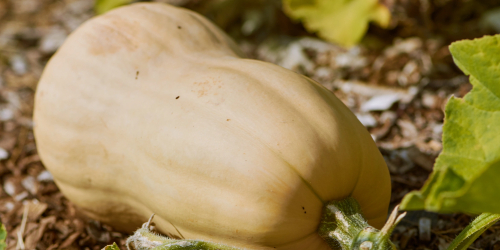
If you are planting squash in your garden and want healthier vines, better harvests, and fewer pests, choosing the right butternut squash companion plants makes all the difference. This guide to squash companion planting covers what to plant with squash for a thriving butternut squash crop in a variety of garden spaces. From companion plants for yellow squash to practical butternut squash gardening advice, you will learn when to plant butternut squash, how to support strong squash growing in garden settings, and even when to harvest butternut squash for peak flavor. In a hurry? Use the quick-reference butternut squash companion planting chart. Learn about some plants to avoid growing with butternut squash as well. This butternut squash growing guide helps you grow smarter, not harder, all season long.
Why I Love Growing Butternut Squash
I love the versatility of butternut squash. It Its naturally sweet flavor, smooth texture, and nutrient-rich profile make butternut squash a staple for fall and winter cooking. I use it in some of my favorite recipes, like Thai curry chili, to add depth of flavor and heartiness. Puree some butternut squash and tomatoes for a thick, rich homemade soup. Use slices of butternut squash as a base for delightful mini pizzas.

You can also use it to thicken pasta sauce for use in creative recipes with leftovers. A big bonus for me is that it’s very easy to grow. If you would like to feel successful as a gardener with little effort, plus have a bountiful, useful harvest that stores well, read on!
Butternut Squash Companion Plants: Flowers
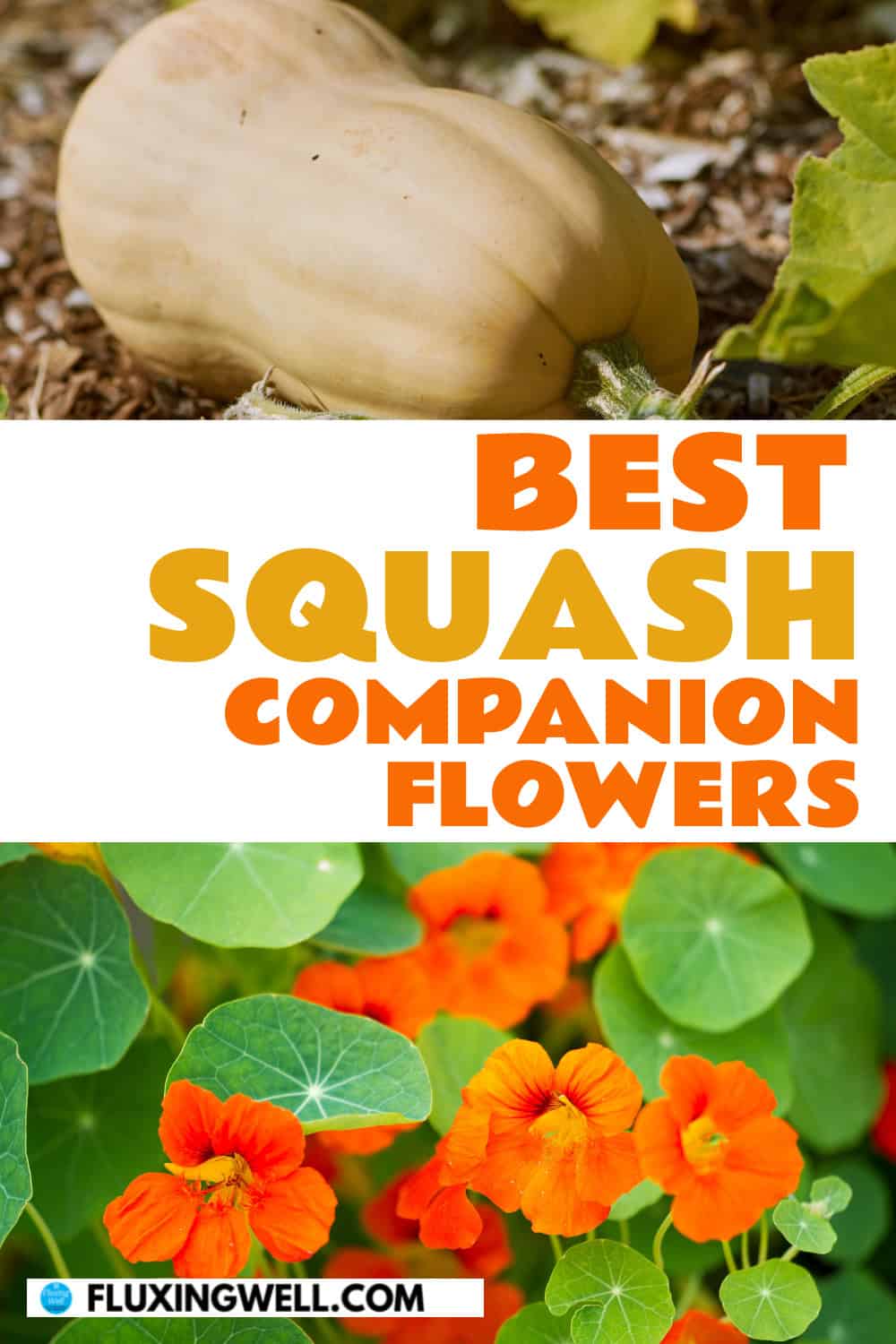
The best companion flowers for butternut squash help attract pollinators, deter pests, and support healthy squash growing in the garden. Here are top choices that work especially well:
Nasturtiums are excellent for butternut squash because they act as a trap crop for aphids and squash bugs while adding bright color around sprawling vines.
Marigolds help repel harmful insects and are a classic option for organic squash gardening, especially when planted along garden borders.
Calendula attracts beneficial insects like ladybugs and hoverflies that prey on common squash pests.
Borage is a powerhouse companion flower that draws bees, improving pollination and boosting squash yields.
Sunflowers can attract pollinators and serve as light wind protection when planted nearby, without shading squash too heavily.
Zinnias bring in butterflies and bees and are easy to grow alongside butternut squash without competing for nutrients.
Butternut Squash Companion Plants: Herbs
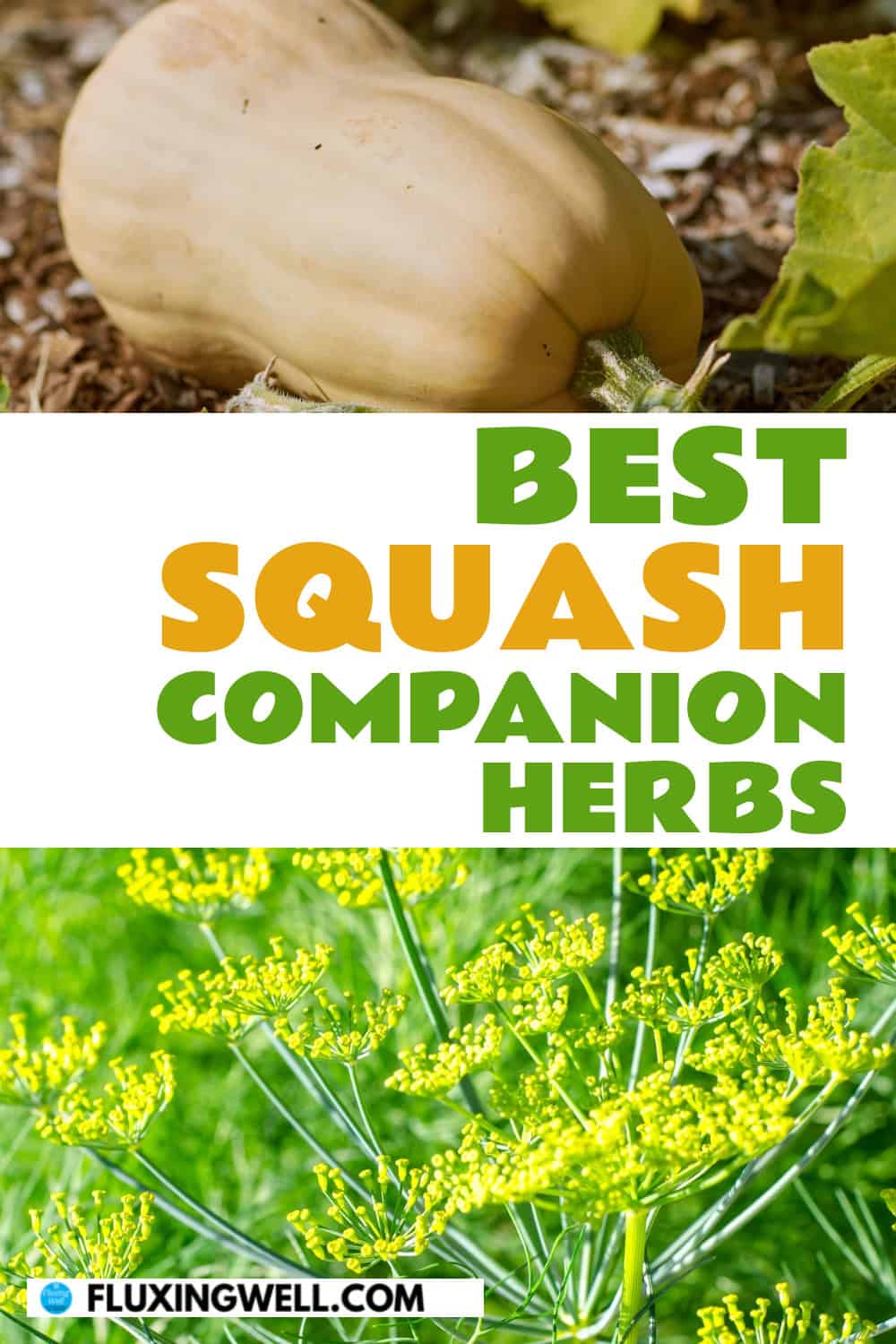
The best companion herbs for butternut squash help repel pests, attract pollinators, and support healthy vine growth without competing for space. These herbs work especially well in squash companion planting:
Basil repels aphids and attracts beneficial insects while thriving near squash in warm garden beds.
Dill draws ladybugs and parasitic wasps that help control squash pests naturally.
Cilantro attracts beneficial insects when allowed to flower and fits well into organic squash gardening.
Oregano acts as a living ground cover, helping deter pests and reduce weed pressure around squash vines.
Chamomile supports overall plant health and attracts pollinators that improve squash yields.
Mint can deter squash bugs and ants, but it should be planted in containers near butternut squash to prevent spreading.
Butternut Squash Companion Plants: Vegetables
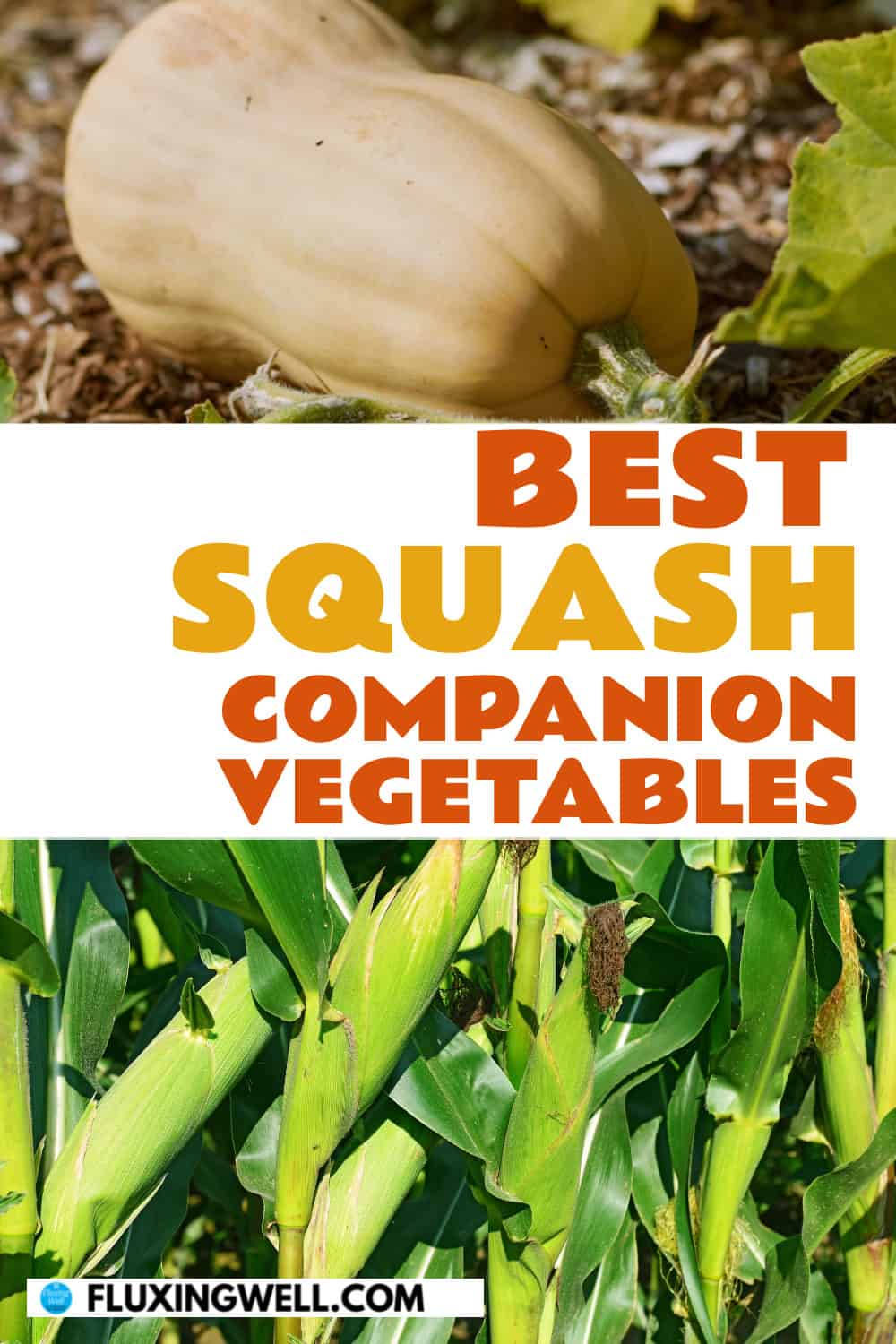
The best companion vegetables for butternut squash help improve soil health, manage pests, and make the most of garden space while supporting strong vine growth. These vegetables pair especially well with butternut squash:
Beans are one of the top companions because they fix nitrogen in the soil, feeding heavy-feeding squash plants naturally.
Corn can act as a light windbreak and provide partial structure when planted nearby, especially in larger garden beds.
Radishes help deter squash borers and break up soil, making them a smart early-season companion.
Onions and garlic repel many common squash pests with their strong scent.
Lettuce and spinach grow well beneath sprawling squash vines early in the season, maximizing space before squash fills in.
Peas add nitrogen to the soil and grow quickly before squash vines spread.
What Not to Plant With Butternut Squash
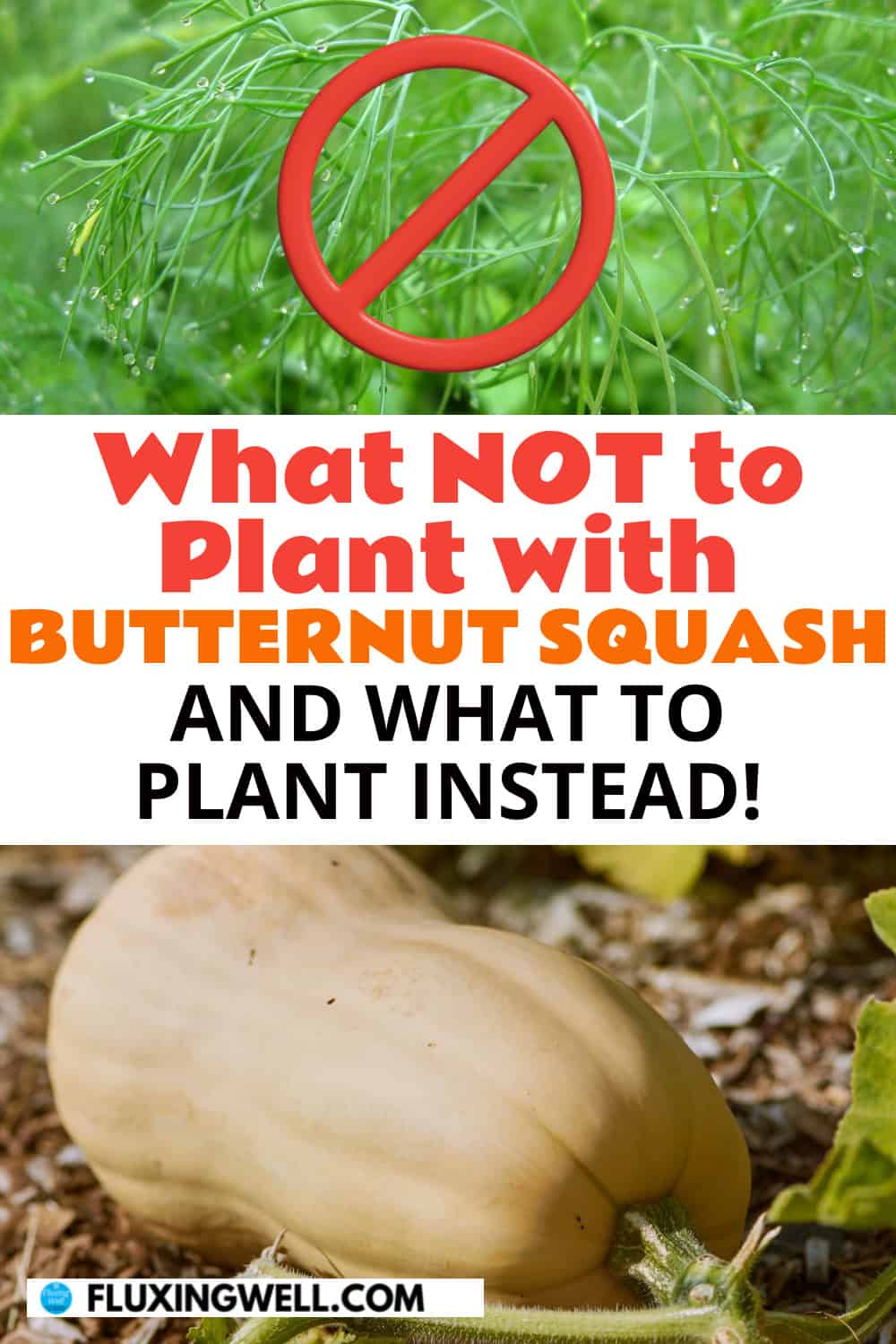
Avoid growing butternut squash near plants that compete heavily for space, nutrients, or invite shared pests and diseases.
Other vining plants like pumpkins, watermelons, and large cucumbers can overcrowd squash vines and reduce airflow, increasing the risk of powdery mildew.
Potatoes are also poor companions because they compete aggressively for nutrients and can disrupt squash roots during harvest.
Keep butternut squash away from fennel, which inhibits growth in many garden plants.
Avoid planting it too close to brassicas like cabbage, broccoli, and cauliflower, as these crops prefer different growing conditions and can struggle when shaded by sprawling squash vines.
Butternut Squash Companion Planting Chart
| Butternut Squash Companion Plants | |
| Butternut Squash Companion Plants: Flowers | Butternut Squash Companion Plants: Herbs |
| Borage | Basil |
| Calendula | Chamomile |
| Marigolds | Cilantro |
| Nasturtiums | Dill |
| Sunflowers | Mint (in a container) |
| Zinnias | Oregano |
| Butternut Squash Companion Plants: Vegetables | Worst Butternut Squash Companion Plants |
| Beans | Broccoli |
| Corn | Cabbage |
| Garlic | Cauliflower |
| Lettuce | Cucumbers |
| Onions | Fennel |
| Peas | Potatoes |
| Radishes | Pumpkin |
| Spinach | Watermelon |
Butternut Squash Planting and Growing Tips
When to Plant Butternut Squash
Butternut squash should be planted after all danger of frost has passed and the soil has warmed to at least 60°F, since squash plants thrive in warm conditions. In most regions, this means planting butternut squash in late spring to early summer, either by direct sowing seeds or transplanting seedlings once nighttime temperatures stay consistently above 50°F. Choosing the right planting time helps ensure strong growth, good pollination, and a successful harvest later in the season.
Where to Plant Butternut Squash
Butternut squash grows best in a sunny, well-drained spot with plenty of room for its sprawling vines. Choose a location in your garden that receives at least 6 to 8 hours of direct sunlight daily and has rich, fertile soil amended with compost or organic matter. Avoid areas prone to waterlogging, as squash roots can rot in soggy soil. Planting in raised beds or mounds can improve drainage and warmth, giving your butternut squash the best chance to thrive and produce a bountiful harvest.
Watering Butternut Squash
The best watering strategy for butternut squash and its companion plants focuses on consistent moisture without waterlogging, which helps prevent disease and supports strong growth. Water deeply at the base of the plants rather than from overhead, aiming for about 1 to 2 inches of water per week, depending on rainfall. Mulching around the vines helps retain soil moisture, regulate temperature, and reduce weeds. Water early in the day so leaves dry before evening, minimizing the risk of powdery mildew and other fungal issues. Adjust watering for companion plants with similar moisture needs to keep the entire garden healthy.
Common Butternut Squash Pests and Diseases
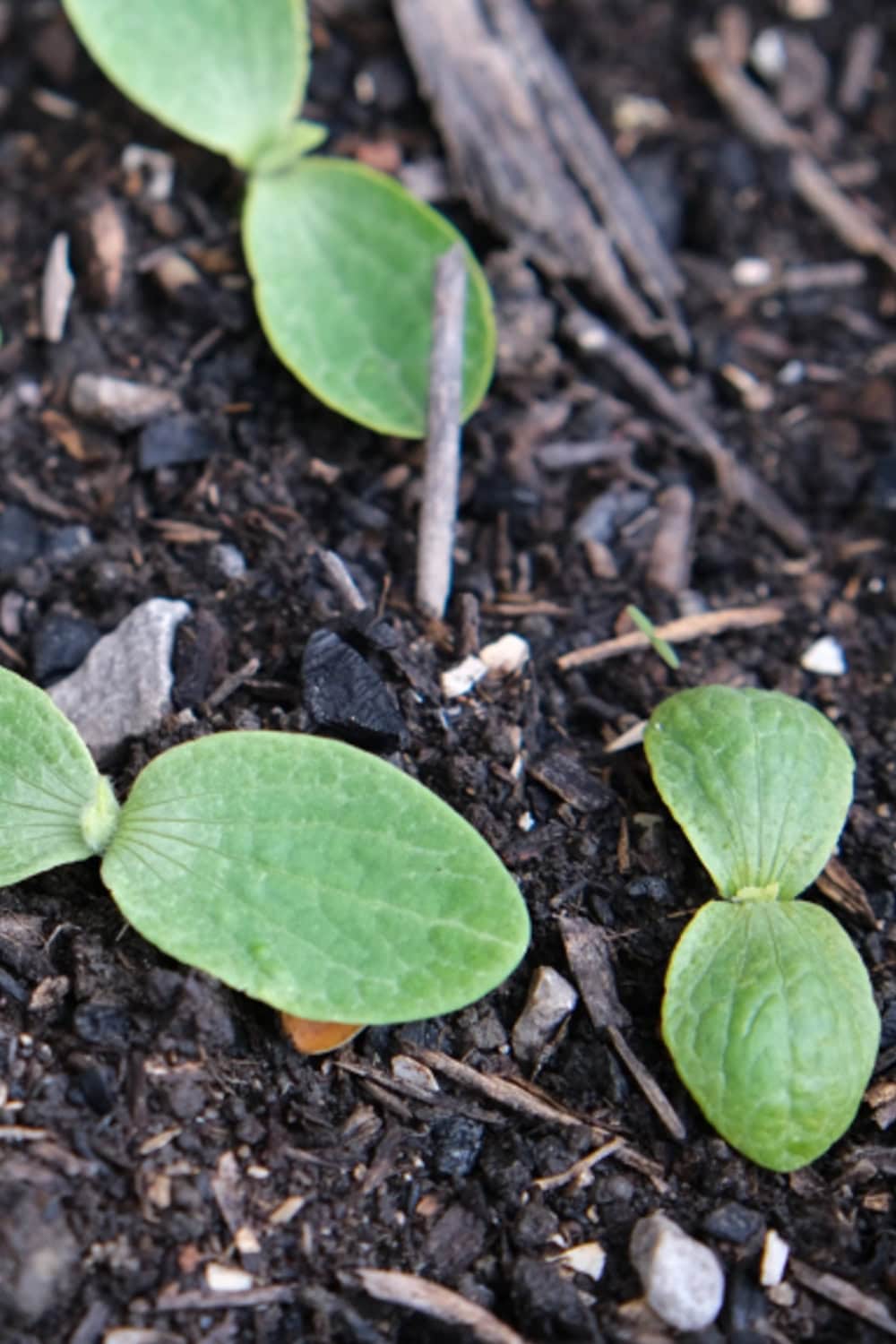
Here’s a comprehensive guide to common butternut squash pests, diseases, along with effective remedies for each:
Pests
Squash bugs: These insects suck sap from leaves, causing wilting. Handpick adults and nymphs, use neem oil, or plant companion flowers like nasturtiums to deter them.
Squash vine borers: Larvae burrow into stems, causing sudden wilting. Remove infested vines and use row covers early in the season to prevent egg-laying.
Aphids: Small sap-sucking insects that can transmit viruses. Spray with insecticidal soap or encourage natural predators like ladybugs.
Cucumber beetles: These chew leaves and spread bacterial wilt. Use floating row covers and plant trap crops like radishes to protect squash.
Diseases
Powdery mildew: White powdery spots on leaves reduce photosynthesis. Improve air circulation, water at the base, and use organic fungicides if needed.

Downy mildew: Yellow spots on upper leaves with gray mold underneath. Ensure proper spacing, water early in the day, and rotate crops annually.
Bacterial wilt: Caused by cucumber beetles. Remove infected plants immediately and control beetle populations.
Fusarium or Verticillium wilt: Soil-borne fungi cause wilting and yellowing. Plant resistant varieties, rotate crops, and improve soil drainage.
Harvesting Butternut Squash
The best time to harvest butternut squash is when the fruit has reached a deep, uniform tan color and the skin is hard enough that it cannot be easily pierced with your fingernail. The stem should be dry and starting to brown, which helps prevent rot during storage. Typically, this occurs in late summer to early fall, before the first heavy frost. Harvesting at the right time ensures maximum sweetness, firm texture, and long storage life.
Storing Butternut Squash
To store butternut squash for the winter, start by curing the squash for about 10 to 14 days in a warm, dry place with good air circulation to harden the skin and seal small cuts. Once cured, move the squash to a cool, dark, well-ventilated location such as a basement, cellar, or pantry (I use our garage) where temperatures stay between 50 to 55°F and humidity is moderate. Store squash in a single layer on shelves or crates, keeping them from touching to prevent rot, and never refrigerate whole squash, as cold temperatures shorten storage life. Check periodically and use any squash showing soft spots first; properly stored butternut squash can last three to six months, providing a reliable supply throughout the winter.
Easy Ways to Use Butternut Squash

Butternut squash is incredibly versatile in the kitchen, making it perfect for savory and sweet dishes alike. Here are some of the best uses:
Steaming (my favorite quick way to cook squash): Cut squash in half, remove seeds, place cut side up in an oval covered baking dish. If you have room, you can place both halves side by side. Add a couple of tablespoons of water, place the lid on the dish, then cook in the microwave for 8 to 10 minutes. Your squash is now cooked and ready to be chopped, pureed, or served in the shell.
Roasting: Cut into cubes or halves, toss with olive oil, herbs, and spices, and roast for a naturally sweet, caramelized side dish.
Soups: Puree (using an immersion blender) roasted or boiled squash into creamy soups, often paired with onions, garlic, or warming spices like nutmeg and cinnamon.

Stuffed squash: Hollow out halves and fill with grains, beans, vegetables, or even meats for a hearty, nutritious meal.
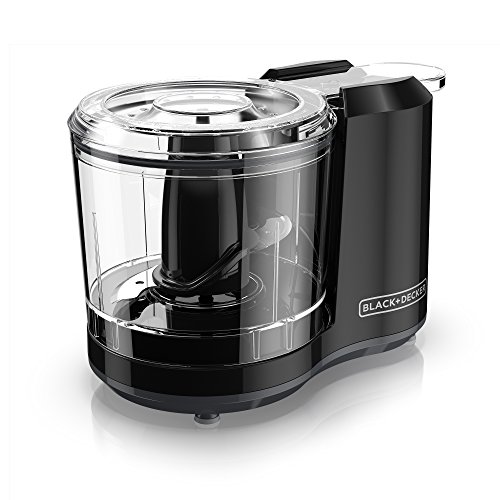
Pasta & risotto: Add roasted or pureed butternut squash to sauces, risottos, or pasta dishes for natural creaminess and flavor. Tip: to puree a small amount of butternut squash, use a mini chopper. I have one similar to this one.
Baking: Use in muffins, breads, or pies as a substitute for pumpkin or sweet potato.
Salads & bowls: Cube and roast squash to toss into grain bowls or autumn salads for sweetness and texture.
Freezing & pureeing: Cooked squash can be pureed and frozen for later use in soups, sauces, or baked goods.
Need More Planting Ideas?
Check out the tips for the best companion plants for eggplant to learn what to grow with those beauties. If you like the idea of companion planting, you might be interested in reading about the best companion plants for pumpkins, sunflowers, garlic, asparagus, rosemary, radishes, beetroot (beets), carrots, thyme, parsley, lupine, borage, peonies, apple trees, or the best companion plants for lavender. Get tips for growing stunning dahlias or vintage roses. Are you a beginning gardener? Try planting some foolproof, easy-care perennials, or learning about the best companion plants for columbine. There are so many exciting plants to grow!
Keep Track of Your Garden with a Journal Logbook
Now that you have learned about some compatible companion plants, keep track of your planting ideas, goals, and plans with a printable, editable free garden journal logbook. Choose the pages you want to use and customize them as you wish to record monthly, weekly, and daily garden tasks, lists, weather, and planting arrangements. There are also grid pages for easily designing the layout of your vegetable garden, flower garden, or landscape. Print it out and put it into a notebook you can take with you to the garden (that’s what I do). It’s nice to have all of your garden information in one place.

Free Online Garden Planner Layout Template
Now that you know which are the best companion plants for stevia, you might need a way to plan your garden layout. Whether you are planting vegetables, flowers, or herbs near your lupine plants, this online garden planner can help you visualize your design and bring it to life. Arrange and rearrange the plants over and over, then print the layout when you are satisfied. With garden tasks that need your attention, this is one way to save time.

Have a wonderful week, and may all of your butternut squash-growing endeavors meet with success!

Lisa Mitchell is a wife, mom, and school librarian who likes to grow fruit, herbs, vegetables, and flowers on her family’s small Pacific Northwest farm. To learn more about what this website has to offer gardeners, click on over to the Garden page.
Want more great garden, food, or travel ideas? Follow FluxingWell on Pinterest, Facebook, Instagram, and X for the latest posts, tips, and inspiration.
An excellent resource on butternut squash companion plants! I love the idea of pairing the squash with flowers that will add beauty to the garden while also helping with pests. Win-win!
Thank you! Yes, I love having a combination vegetable and cutting garden for many reasons. Squash and flower companion planting fits in well!
Last year I tried butternut squash, the yield was very low. Thanks for the butternut squash companion plant suggestions. Let me try it.
I hope your butternut squash harvest is more successful this coming year.
Thank you for this helpful gardening guide for the best squash companion flowers. I appreciate the tips on when to plant, water, and how to enjoy the squash once it’s ready to eat.
I’m so glad you liked the butternut squash tips.
Awesome info about butternut squash companion plants! I love to grow butternut squash. Now my gardening efforts will be even more productive.
Terrific! I’m so glad you found the butternut squash companion plants suggestions helpful.