
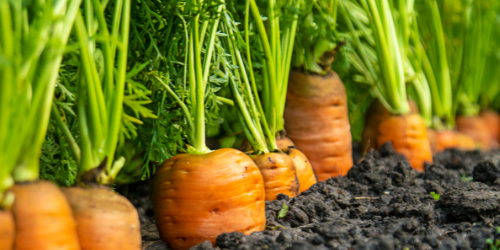
Growing sweet, crunchy carrots gets even easier when you understand the power of carrot companion plants and smart garden planning from the start. If you’ve ever wondered when to plant carrots, what to plant with carrots, or searched for the ultimate carrot planting companion plants list, you’re in the right place. From choosing the best companion plants for carrots to mastering companion planting with carrots in raised beds or rows, this guide will help you map out exactly how to plan a thriving plot. We’ll answer common questions like can you plant carrots with peppers, explore the benefits of carrots and onions planted together, and reveal what can be planted with carrots to boost growth, flavor, and harvest success all season long.
My Carrot Growing Backstory
I have grown carrots for nearly three decades, and they are a staple in our USDA Plant Hardiness Zone 8b garden. Some seasons have definitely been more successful than others. Now that I’ve discovered the secrets of successful companion planting strategies, my carrot harvests are improving. There will be no more guessing about which plants to grow near carrots for thriving plants. Read on for the easy lists and tips!
Carrot Companion Plants: Flowers
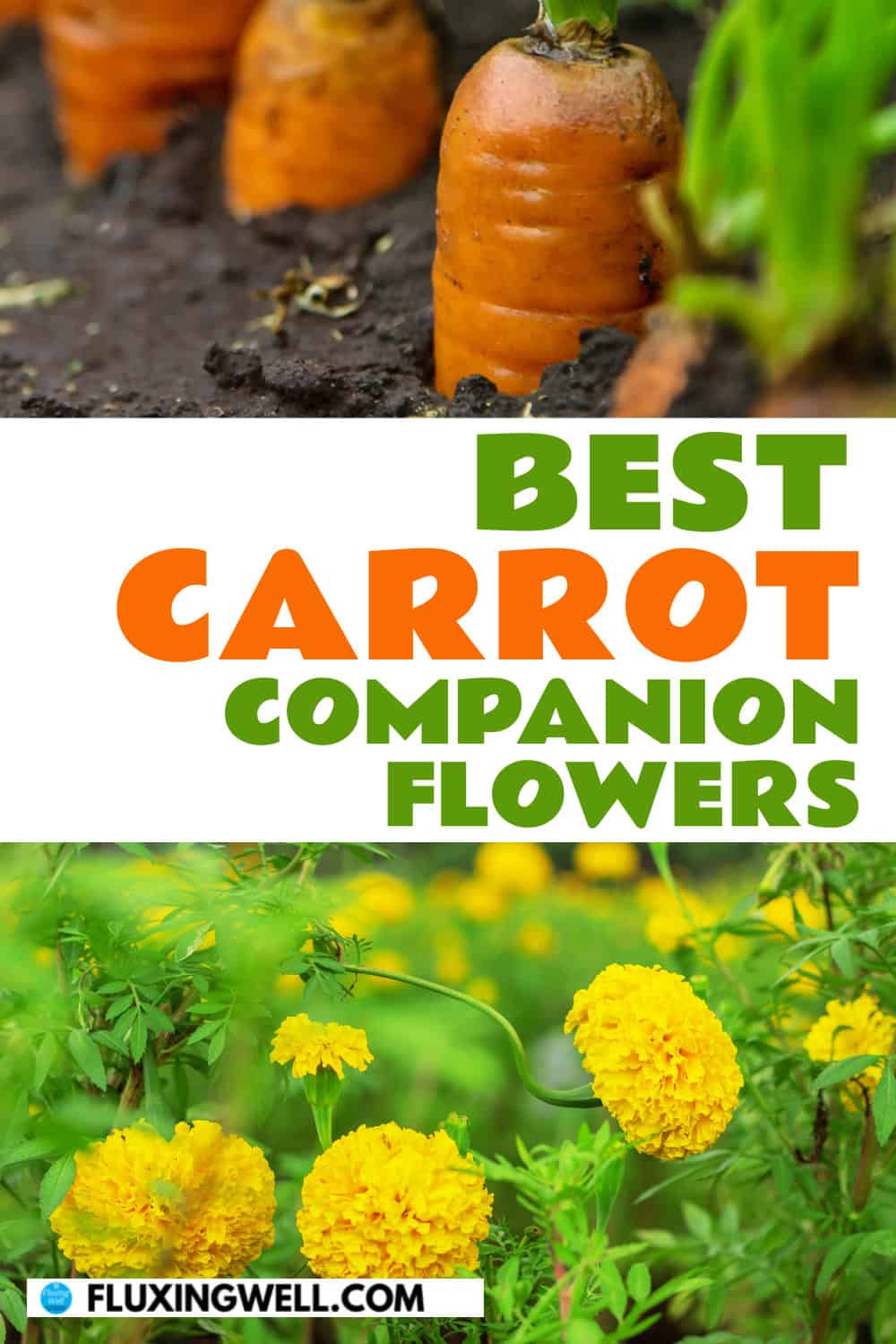
My vegetable garden is combined with flowers for a cutting garden as well. Here are some flowers to plant alongside carrots for growing success.
Marigolds: help deter carrot flies and other soil pests while attracting beneficial insects
Nasturtiums: act as a trap crop for aphids and support healthier carrot growth
Calendula: attracts pollinators and beneficial insects that reduce pest pressure
Sweet alyssum: attracts hoverflies that prey on aphids and other carrot pests
Cosmos: draws in pollinators and beneficial insects to support a balanced garden
Yarrow: improves soil health and attracts beneficial insects that protect carrot plants
Carrot Companion Plants: Herbs
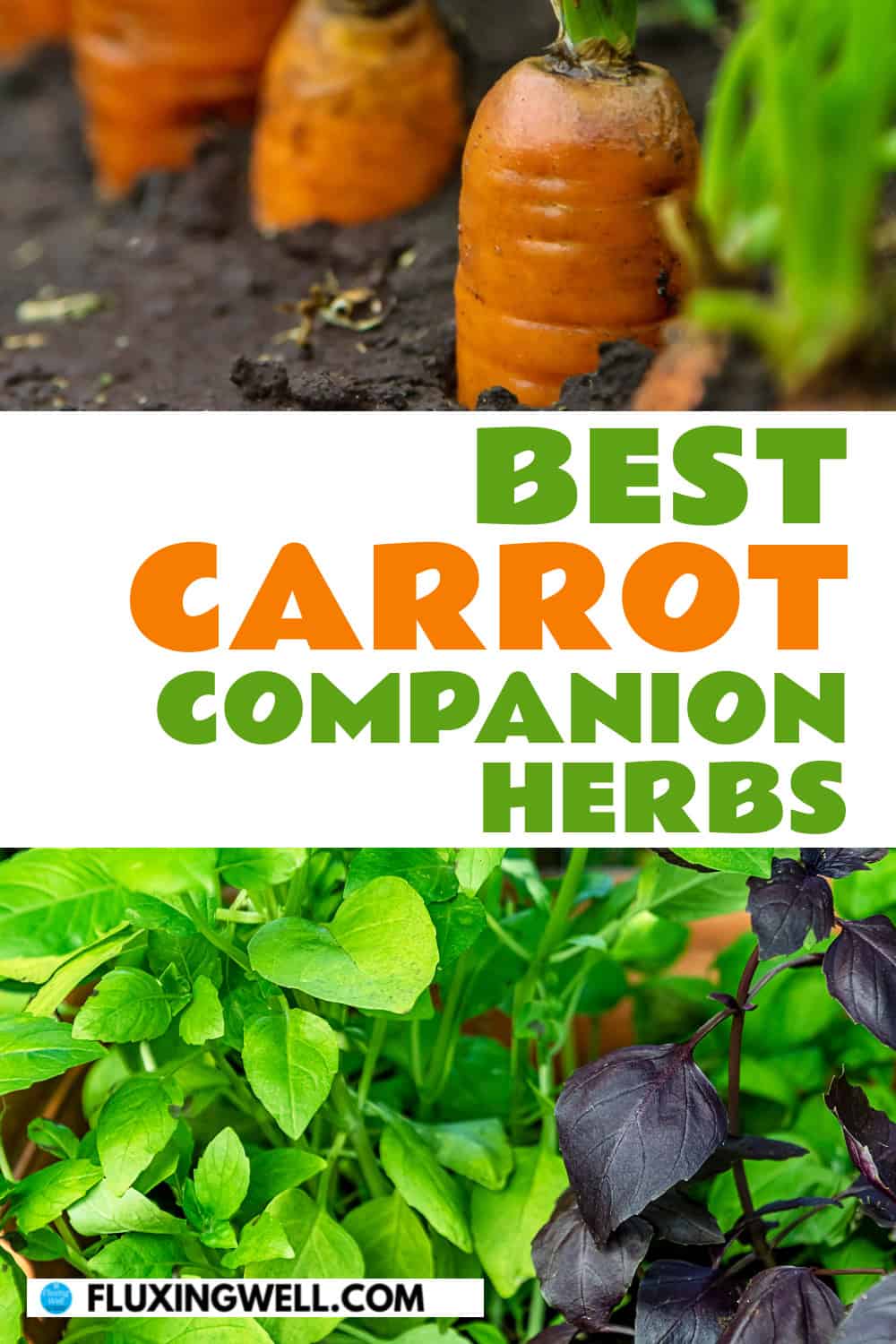
Herbs and carrots can thrive together if you choose the plants carefully. Here are some winning combinations.
Chives: repel carrot flies and help protect tender carrot tops
Rosemary: deters common garden pests and does not compete heavily for root space
Sage: helps repel carrot flies and other pests while thriving in similar conditions
Thyme: acts as a living mulch that suppresses weeds and attracts beneficial insects
Parsley: attracts beneficial insects and grows well alongside carrots in cool seasons
Cilantro: draws in hoverflies and parasitic wasps that reduce pest problems
Basil: repels certain pests and supports overall garden biodiversity near carrots
Chamomile: improves soil health and can enhance the flavor and vigor of nearby carrots
Carrot Companion Plants: Vegetables
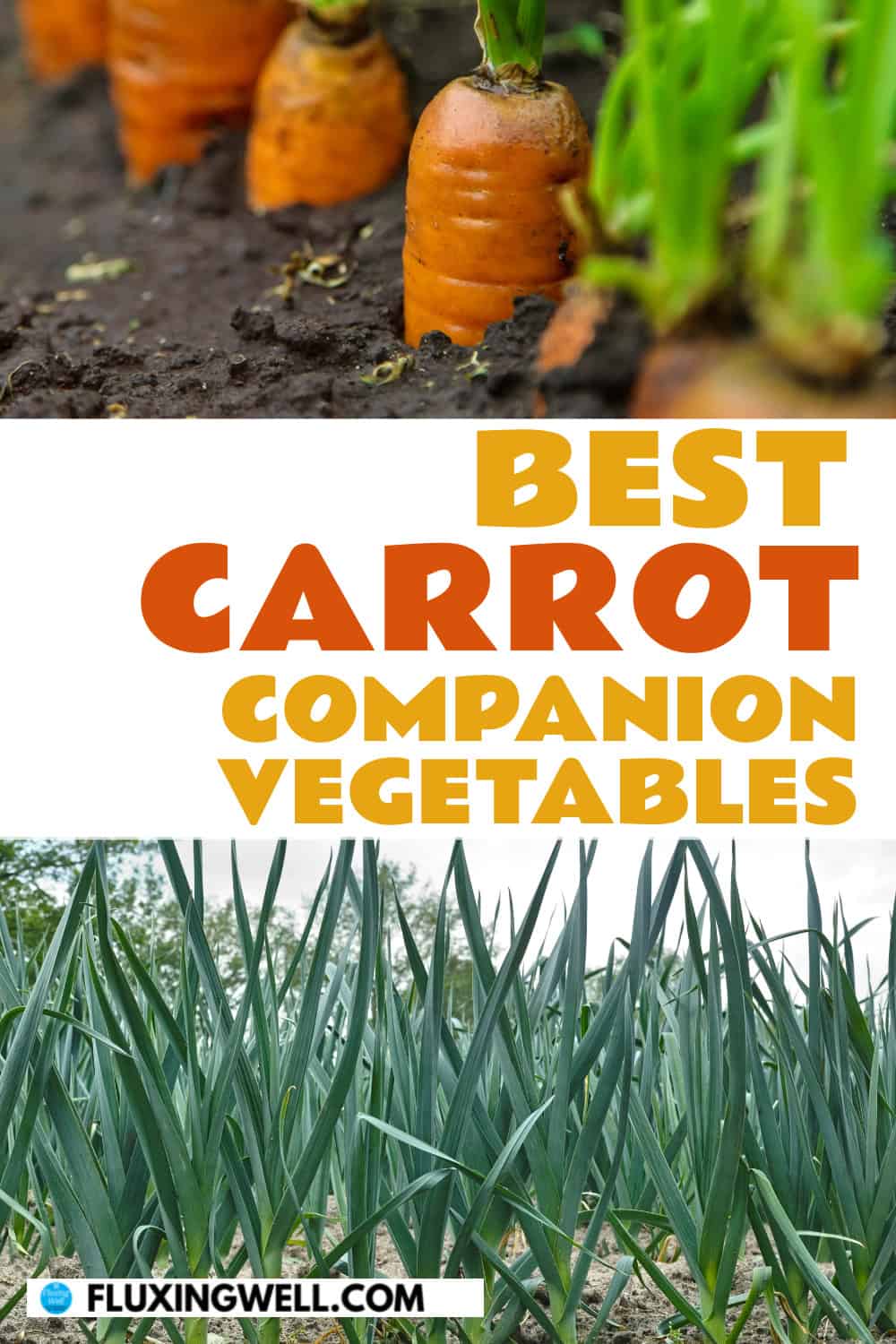
Good companion vegetables for carrots are numerous. Here are some of my favorites.
Onions: repel carrot flies and make a classic pairing with carrots in shared beds
Leeks: deter carrot flies while using similar spacing and growing conditions
Garlic: helps repel soil pests and supports healthier root development
Radishes: break up soil as they grow and mark carrot rows for easier thinning
Lettuce: provides light shade that keeps soil cool and moist for better carrot growth
Spinach: grows quickly and maximizes space without competing with carrot roots
Peas: fix nitrogen in the soil and improve overall garden fertility
Bush beans: enrich soil with nitrogen and coexist well with root crops
Tomatoes: offer partial shade that helps prevent soil from drying out too quickly
Peppers: grow well nearby when spaced properly and do not heavily compete underground
What Not to Plant with Carrots
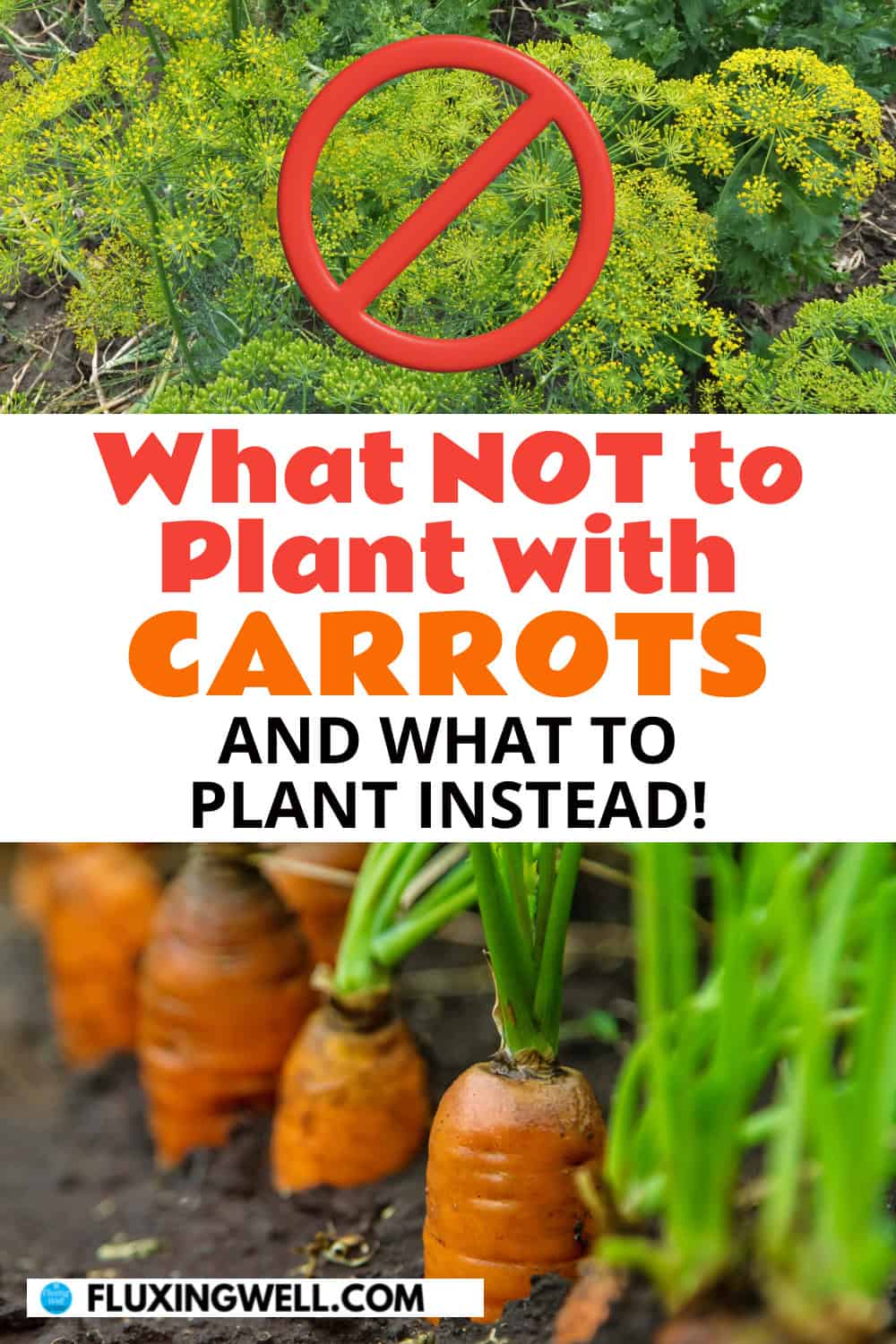
Although these plants have their places in a garden, it would not be near carrots. Here are some plants to avoid placing near carrots if you want optimal growing conditions.
Dill: can cross-interfere with carrot growth and stunt root development
Parsnips: attract the same pests like carrot flies and compete for root space
Potatoes: heavy feeders that crowd the soil and compete with carrot roots
Fennel: releases allelopathic compounds that inhibit carrot growth
Celery: competes for moisture and nutrients in the same root zone
Cabbage: heavy feeder that outcompetes carrots for nutrients
Broccoli: large root system and high nutrient needs reduce carrot growth
Cauliflower: shades young carrot seedlings and competes for nutrients
Corn: creates excessive shade and competes for water
Sunflowers: tall growth blocks sunlight and can suppress nearby root crops
Quick Reference Carrot Companion Plants Chart
| Carrot Companion Plants | |
| Carrot Companion Plants: Flowers | Carrot Companion Plants: Herbs |
| Calendula | Basil |
| Cosmos | Chamomile |
| Marigolds | Chives |
| Nasturtiums | Cilantro |
| Sweet alyssum | Parsley |
| Yarrow | Rosemary |
| Sage | |
| Carrot Companion Plants: Vegetables | Thyme |
| Bush beans | |
| Garlic | Worst Carrot Companion Plants |
| Leeks | Broccoli |
| Lettuce | Cabbage |
| Onions | Cauliflower |
| Peas | Celery |
| Peppers | Corn |
| Radishes | Dill |
| Spinach | Fennel |
| Tomatoes | Parsnips |
| Potatoes | |
| Sunflowers | |
Common Carrot Growing Questions and Planting Tips
When to Plant Carrots
Plant carrots in early spring as soon as the soil can be worked and temperatures are consistently above about 45°F (7°C), since they germinate best in cool weather. For a continuous harvest, sow seeds every 2 to 3 weeks through late spring, and in many climates you can also plant a second crop in late summer to early fall for a sweet fall harvest, as cooler temperatures improve flavor and root development.
Where to Plant Carrots
Plant carrots in loose, well-draining soil that is free of rocks and heavy clay to allow roots to grow straight and long. Choose a location with full sun for at least six hours a day, though they can tolerate partial shade, and make sure the spot has consistent moisture without waterlogging. Raised beds or deeply tilled garden rows work best, and avoid areas recently planted with root crops to reduce pest and disease problems.
Watering Carrots
Carrots need consistent moisture to develop tender, sweet roots. Water them about 1 inch per week, keeping the soil evenly moist but not soggy. Deep, infrequent watering is better than shallow, frequent watering, as it encourages roots to grow downward. During dry spells or hot weather, increase watering slightly and mulch around the plants to retain soil moisture and prevent cracking.
Common Carrot Pests and Diseases
In order to have a successful carrot harvest, it’s good to be aware of some common issues that can affect the growth of a carrot crop. Here are some common pests and diseases to watch out for, as well as possible remedies.
Pests
Carrot flies: use row covers to block egg-laying and thin seedlings carefully to reduce scent that attracts them
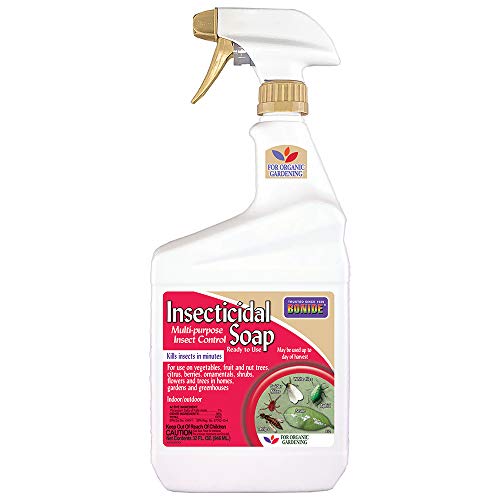
Aphids: spray plants with a strong stream of water or apply insecticidal soap to control infestations
Cutworms: place collars around seedlings and keep the garden bed free of plant debris
Wireworms: rotate crops and improve soil drainage to reduce larvae in the soil
Root knot nematodes: practice crop rotation and add organic matter to improve soil health
Flea beetles: use floating row covers and keep weeds under control to limit damage
Leafhoppers: encourage beneficial insects and use row covers to protect young plants
Slugs: handpick at dusk and use barriers or traps to reduce feeding on carrot tops
Deer and rabbits: use fencing, row covers, or repellents to help protect carrot greens from being eaten. I am a big fan of Liquid Fence.

Diseases
Alternaria leaf blight: plant disease-resistant varieties, improve air circulation, and avoid overhead watering
Cercospora leaf spot: rotate crops every two to three years and remove infected plant debris promptly
Powdery mildew: space plants properly and apply fungicides if infection becomes severe
Bacterial leaf blight: use certified disease-free seed and avoid working with plants when wet
Aster yellows: control leafhoppers with row covers and remove infected plants immediately
Root rot: improve soil drainage and avoid overwatering to prevent fungal development
Damping off: sow seeds in well-draining soil and avoid overwatering young seedlings
Sclerotinia rot: rotate crops and remove infected plants to limit spread in the garden
How to Harvest Carrots
Harvest carrots when the roots reach the desired size, usually 2–3 months after planting, depending on the variety. Loosen the soil around the tops with a garden fork or trowel to avoid breaking the roots, then gently pull them straight up by the greens. Remove the foliage promptly to prevent moisture loss, and wash the carrots before storing. Carrots left in the ground during cooler weather can often stay sweet and crisp for several weeks.
Popular Varieties of Carrots
Here are some of the most popular varieties of carrots for home gardeners. Over the years I have planted most of these varieties in our Zone 8b garden.
Nantes: sweet, crisp, cylindrical roots that are excellent for fresh eating and home gardens
Imperator: long, slender carrots commonly sold in stores with great flavor and storage ability
Danvers: classic heirloom variety known for strong tops, sweet taste, and tolerance of heavier soils
Chantenay: short, thick carrots that grow well in shallow or clay soil conditions
Scarlet Nantes: smooth, nearly coreless roots with a sweet, fine texture and reliable yields
Amsterdam: early-season variety with slim, tender roots ideal for quick harvests
Kuroda: tender, sweet, bright orange carrots popular for warm climates and home gardens
Parisian (Paris Market): small, round carrots perfect for containers and rocky soil
Imperator 58: large, flavorful heirloom type that produces long, uniform roots
Red Cored Chantenay: sturdy, flavorful heirloom that performs well in dense soils and varied conditions
Need More Planting Ideas?
Check out the tips for the best companion plants for eggplant to learn what to grow with those beauties. If you like the idea of companion planting, you might be interested in reading about the best companion plants for pumpkins, sunflowers, garlic, asparagus, rosemary, radishes, beetroot (beets), thyme, parsley, lupine, borage, peonies, apple trees, or the best companion plants for lavender. Get tips for growing stunning dahlias or vintage roses. Are you a beginning gardener? Try planting some foolproof, easy-care perennials, or learning about the best companion plants for columbine. There are so many exciting plants to grow!
Keep Track of Your Garden with a Journal Logbook
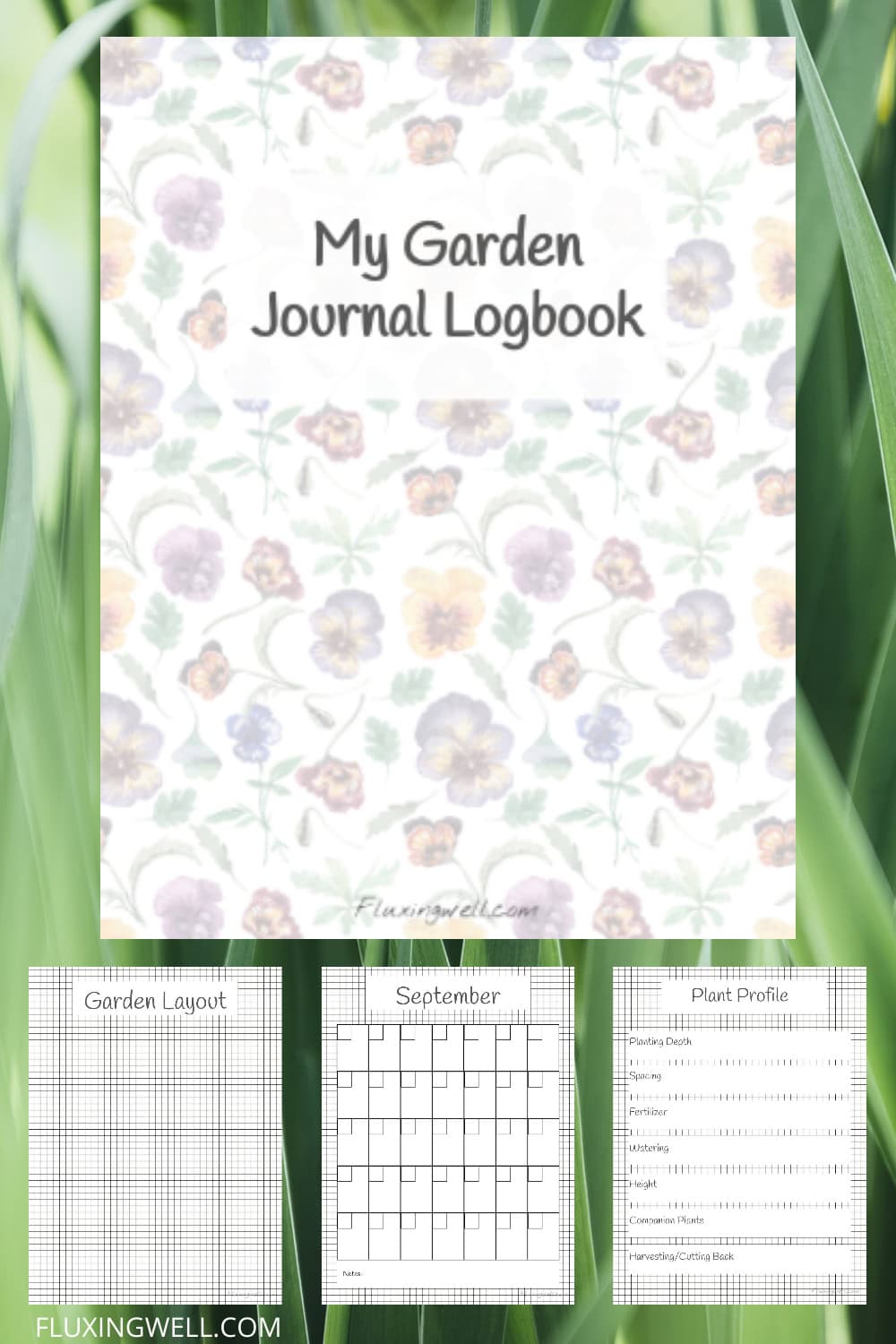
Now that you have learned about some compatible companion plants, keep track of your planting ideas, goals, and plans with a printable, editable free garden journal logbook. Choose the pages you want to use and customize them as you wish to record monthly, weekly, and daily garden tasks, lists, weather, and planting arrangements. There are also grid pages for easily designing the layout of your vegetable garden, flower garden, or landscape. Print it out and put it into a notebook you can take with you to the garden (that’s what I do). It’s nice to have all of your garden information in one place.
Free Online Garden Planner Layout Template

Now that you know which are the best companion plants for stevia, you might need a way to plan your garden layout. Whether you are planting vegetables, flowers, or herbs near your lupine plants, this online garden planner can help you visualize your design and bring it to life. Arrange and rearrange the plants over and over, then print the layout when you are satisfied. With garden tasks that need your attention, this is one way to save time.
Have a wonderful day, and may all of your carrot-growing endeavors meet with success!

Lisa Mitchell is a wife, mom, and school librarian who likes to grow fruit, herbs, vegetables, and flowers on her family’s small Pacific Northwest farm. To learn more about what this website has to offer gardeners, click on over to the Garden page.
Want more great garden, food, or travel ideas? Follow FluxingWell on Pinterest, Facebook, Instagram, and X for the latest posts, tips, and inspiration.
I’m not a fan of vegetables, but I love carrots! My father loves carrot juice! He drinks it a lot! I love eating carrots, but I am not a fan of carrot juice at all! I remember my parents giving me a small amount of carrot juice every so often when I was a child. I used to hate it! Thankyou for sharing these tips!
You’re welcome! I join you in your avoidance of carrot juice.=)
Great post on carrot companion plants! I love how you explained which herbs and vegetables grow well alongside carrots to help improve growth and reduce pests.
I’m so glad you liked the ideas. Happy gardening!
Thank you for this detailed guide to the best companion herbs and plants for carrots. I had no idea there were so many popular varieties of carrots. Very interesting!
Yes, I love the different colors. So glad you liked the information!
Thank you for this excellent list of carrot companion plants. I’m in the mood for spring planting, and your post was very helpful.
Awesome! I’m so glad you found the carrot companion planting guide helpful. Happy gardening!