
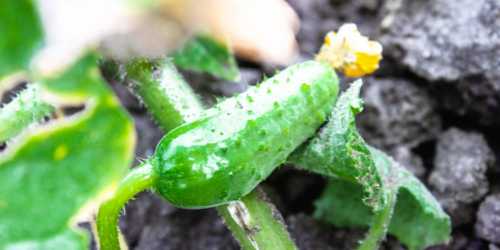
Planning your cucumber patch this season? Whether you are searching for the best cucumber companion plants, creative cucumber planting ideas, or simple vegetable garden ideas for a thriving backyard harvest, companion planting can make a big difference. From helpful herbs and flowers to smart garden companion planting strategies, learning what to plant next to cucumbers can help improve pollination, deter pests, and maximize your growing space. Even if you are growing cucumber plants in pots, using a companion gardening chart can help you create healthier, more productive cucumber garden ideas all season long. As a gardener in USDA Plant Hardiness Zone 8 with 30 years of gardening experience on our small farm, I’ll give you all you need to know to plant a thriving cucumber crop with helpful neighboring plants. Let’s get started!
Why I Love Growing Cucumbers
There is something especially rewarding about growing cucumbers in a home garden. These fast-growing plants produce crisp, refreshing vegetables that are perfect for fresh salads, sandwiches, and summer snacks straight from the vine. One of the best reasons to grow cucumbers is the joy of making homemade pickles, from classic quick dill pickles (even a huge one in a jar), cute little baby Gherkins, to sweet bread-and-butter varieties packed with garden-fresh flavor. You could even host a pickle-themed party! Can you tell I’m a big fan of pickles? Cucumbers are also easy to grow in raised beds, containers, and backyard gardens, making them a fun and productive choice for gardeners of all skill levels.
Cucumber Companion Flowers
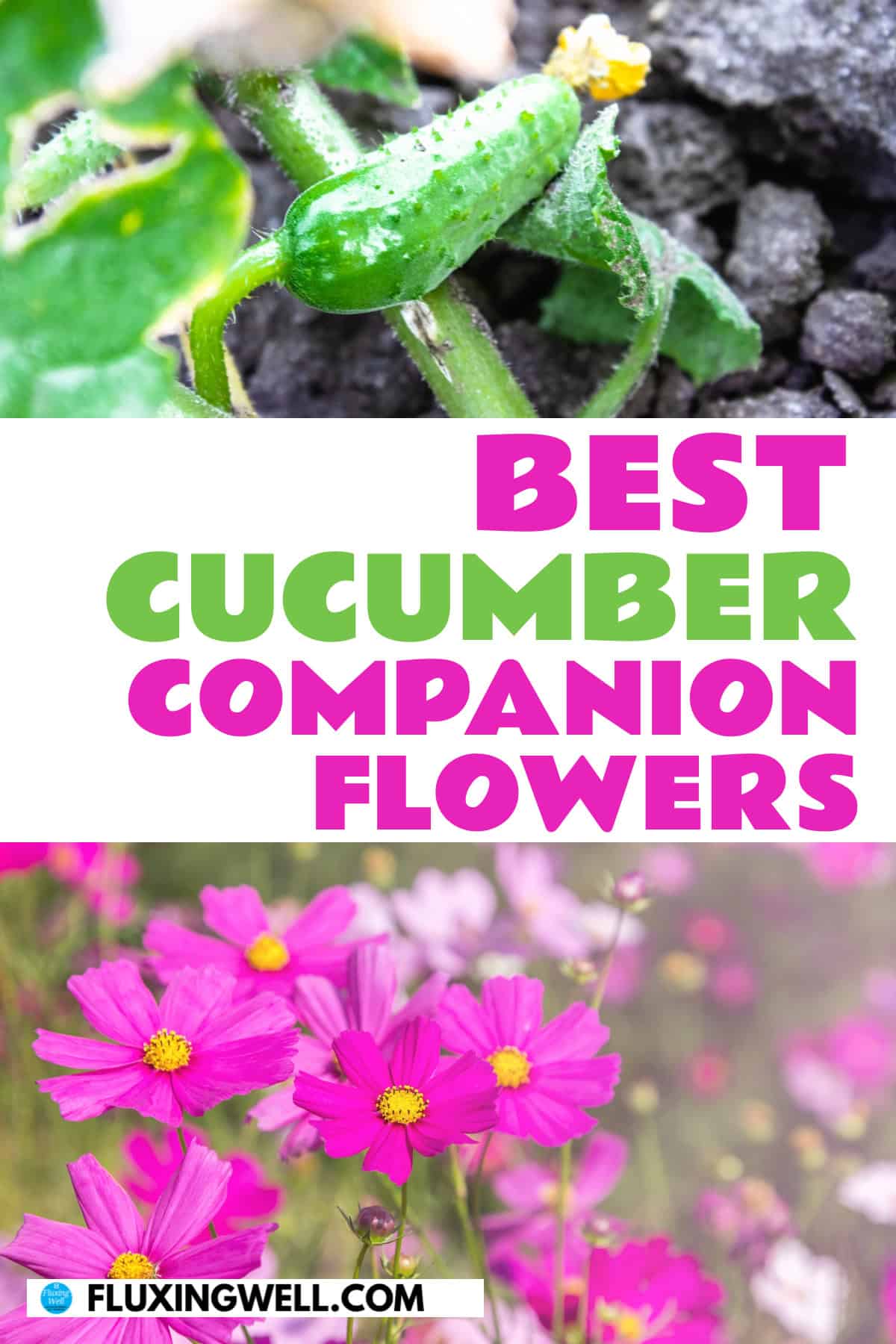
Choosing the right flowers to grow alongside cucumbers can help attract pollinators, deter unwanted pests, and add beautiful color to your vegetable garden. Many companion flowers also support healthier cucumber plants by encouraging beneficial insects and creating a more balanced growing space.
Alyssum: attracts beneficial insects and pollinators
Bachelors buttons: draw pollinators into the garden
Borage: improves pollination and attracts bees
Calendula: helps attract beneficial insects
Chamomile: supports pollinators and garden diversity
Cosmos: attracts bees and other pollinators
French marigolds: may help deter harmful insects
Nasturtiums: act as a trap crop for aphids and beetles
Sunflowers: attract pollinators and provide light shade
Sweet peas: add beauty and attract pollinators
Zinnias: encourage butterflies and beneficial insects
Cucumber Companion Herbs
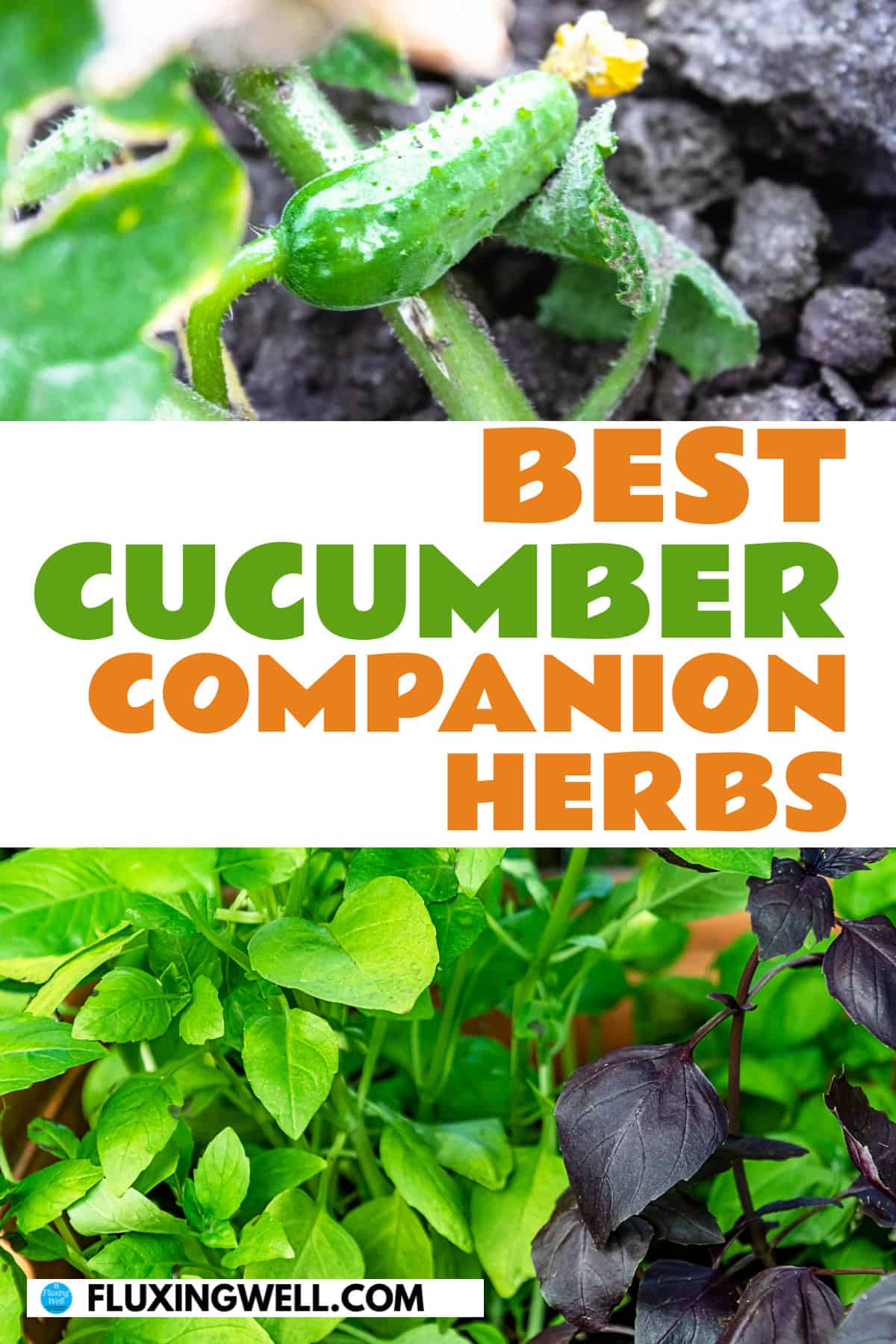
Growing herbs near cucumbers can help create a healthier and more productive garden space. Many companion herbs attract pollinators, repel unwanted pests, and make excellent use of space around cucumber plants in raised beds, containers, and backyard gardens.
Basil: may help repel pests and attract pollinators
Chives: can help deter aphids and other insects
Dill: attracts beneficial insects and pollinators
Lemon balm: attracts bees and beneficial pollinators
Mint: may help repel pests when contained in pots
Oregano: attracts pollinators and acts as a living ground cover
Parsley: supports beneficial insects and pollinators
Thyme: attracts pollinators and beneficial insects
Cucumber Companion Vegetables
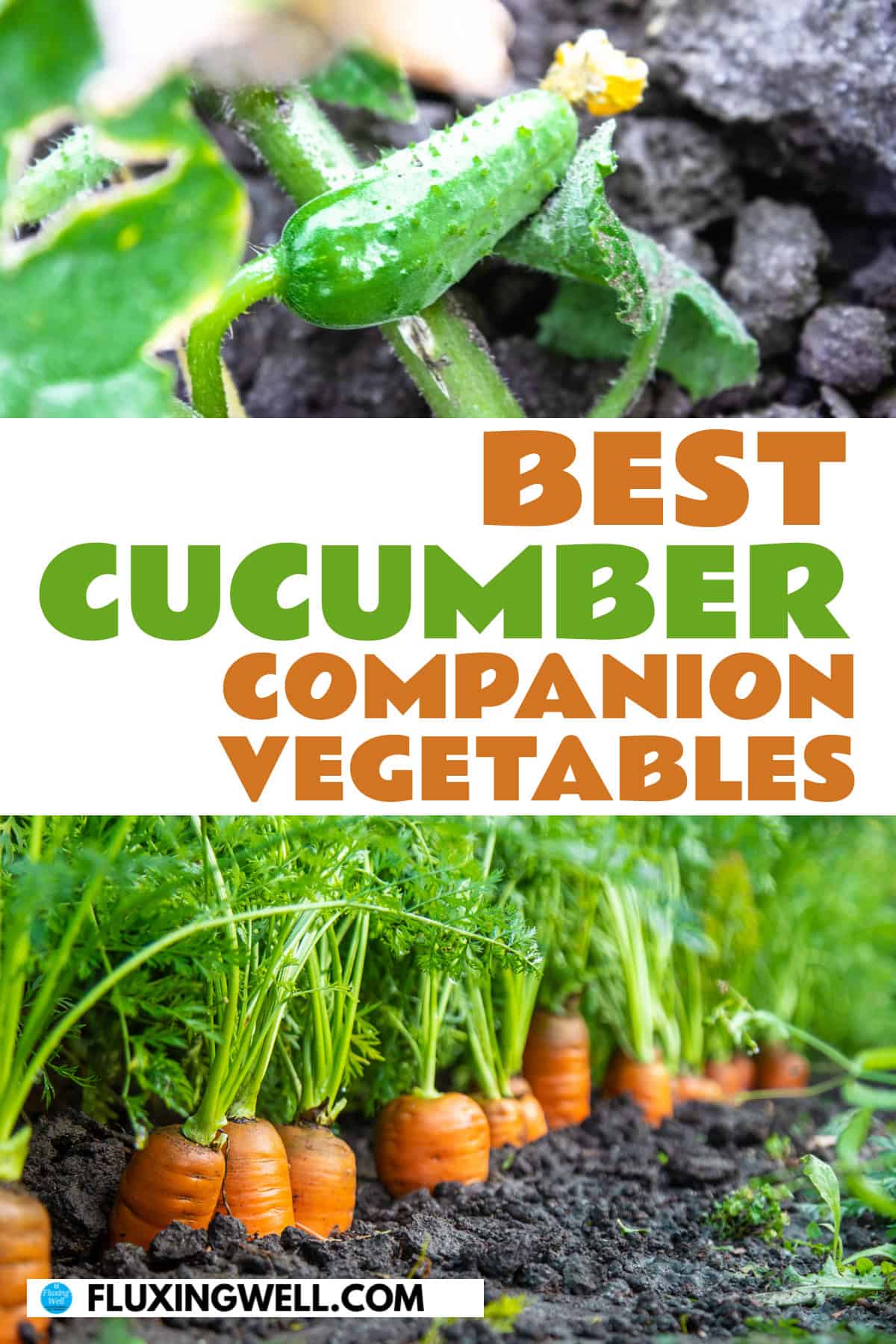
Planting compatible vegetables near cucumbers can help maximize garden space, improve pollination, and support healthier plants throughout the growing season. Many vegetable companions also help reduce pests or make excellent use of vertical and ground-level growing areas in the garden.
Beans: help improve soil by adding nitrogen
Beets: grow well near cucumbers without competing heavily
Cabbage: benefits from the shade cucumber vines can provide
Carrots: loosen soil and grow well alongside cucumbers
Corn: can act as a natural trellis for cucumber vines
Lettuce: enjoys the partial shade from cucumber plants
Onions: may help deter certain garden pests
Peas: help enrich soil with nitrogen
Peppers: grow well with similar watering needs
Radishes: may help deter cucumber beetles
Spinach: grows well beneath taller cucumber vines
Tomatoes: can share garden space when properly spaced away from vines
What Shouldn’t You Plant Next to Cucumbers
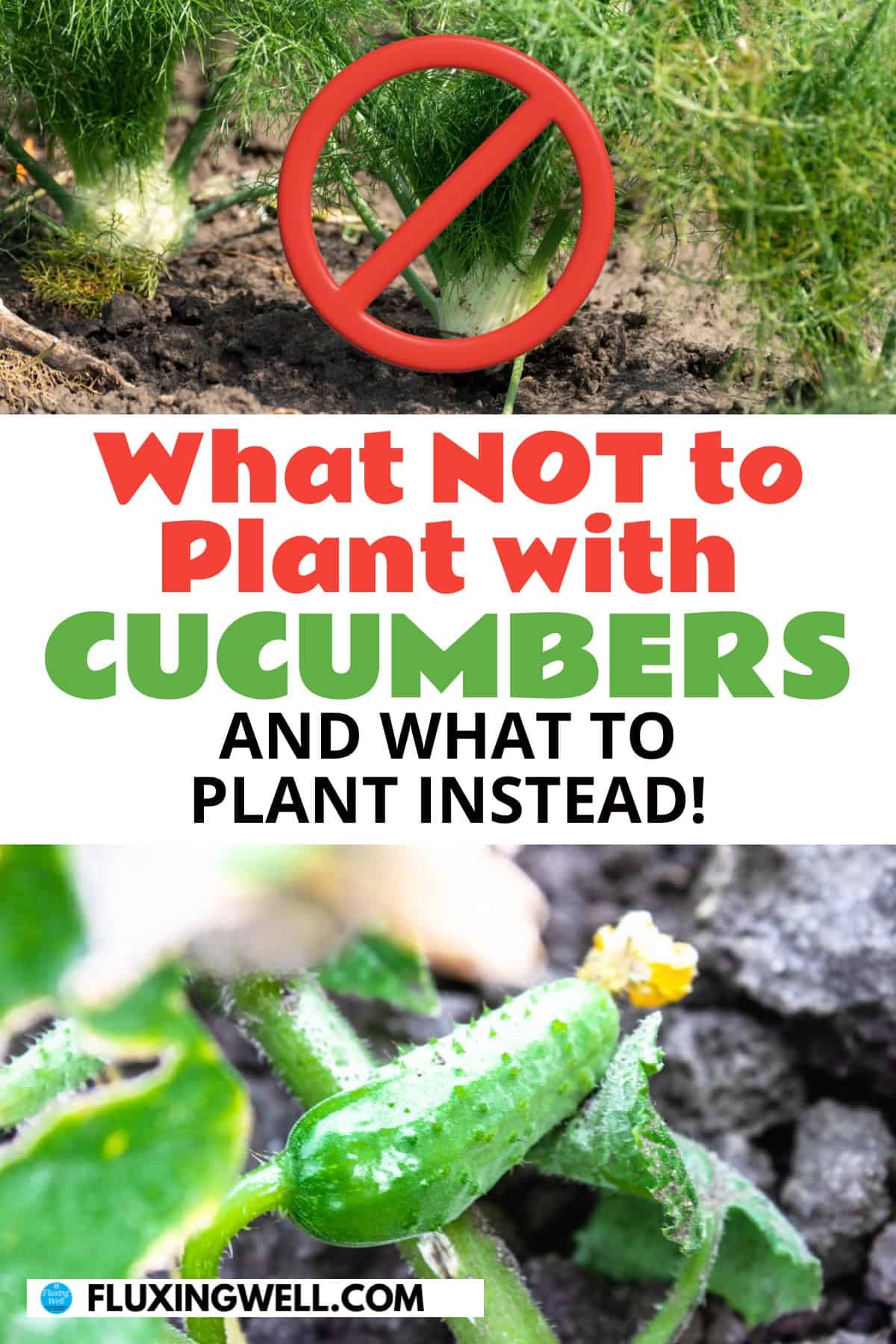
Not every vegetable grows well alongside cucumbers. Some plants compete heavily for nutrients and space, while others may attract similar pests or increase the risk of disease in the garden. Avoiding poor companion plants can help keep cucumber vines healthier and more productive throughout the season.
Fennel: not recommended because it may inhibit cucumber growth
Melons: compete for space, nutrients, and attract similar pests
Potatoes: may compete heavily for nutrients and increase disease risks
Pumpkins: sprawling vines can overcrowd cucumber plants
Sage: may stunt cucumber growth despite being useful elsewhere in the garden
Squash: attracts similar pests and diseases as cucumbers
Zucchini: competes for space and can spread similar plant diseases
Quick Reference Cucumber Companion Planting Chart
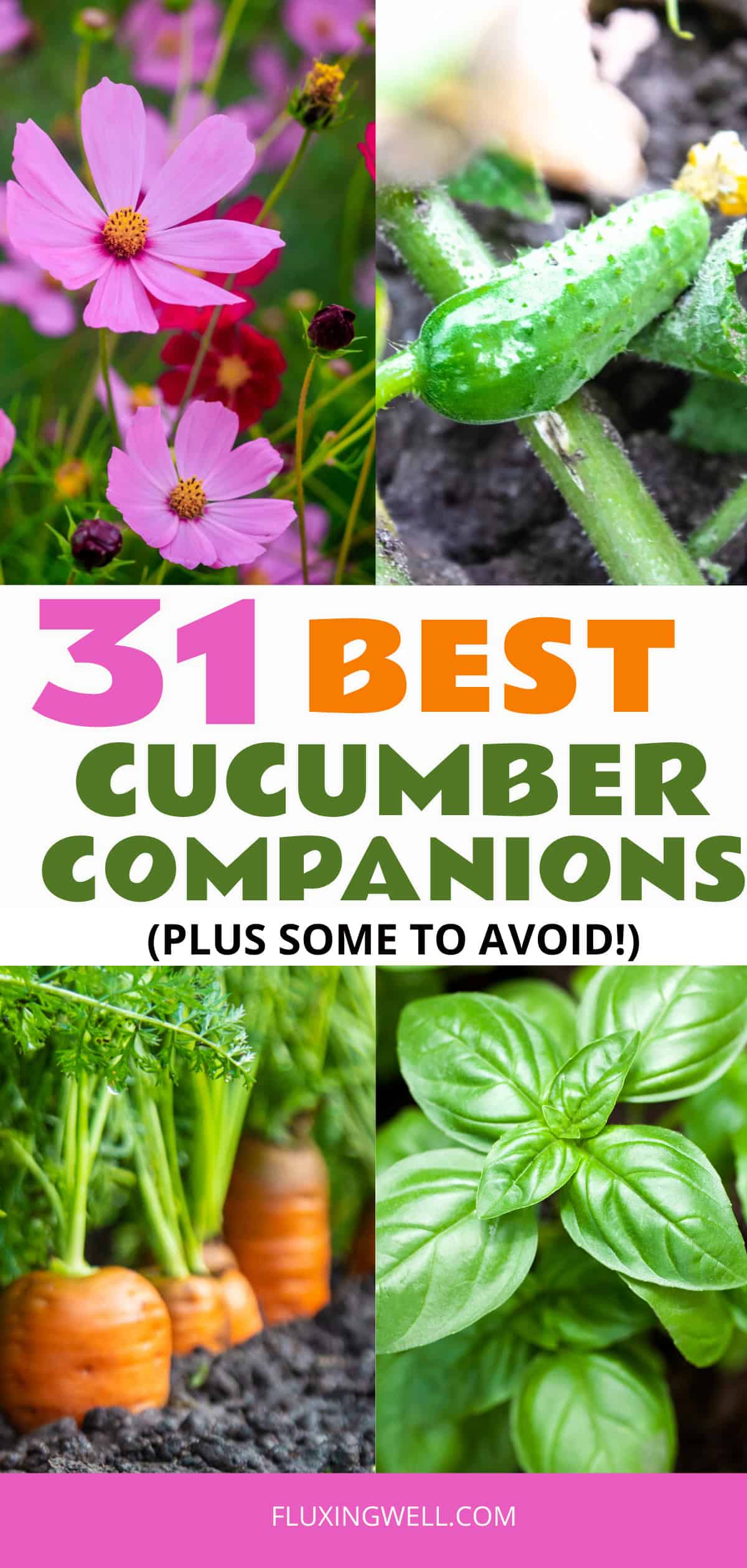
| Cucumber Companion Plants | |
| Cucumber Companion Plants: Flowers | Cucumber Companion Plants: Herbs |
| Alyssum | Basil |
| Bachelors buttons | Chives |
| Borage | Dill |
| Calendula | Lemon balm |
| Chamomile | Mint (in a container) |
| Cosmos | Oregano |
| French marigolds | Parsley |
| Nasturtiums | Thyme |
| Sunflowers | |
| Sweet peas | Cucumber Companion Plants: Vegetables |
| Zinnias | Beans |
| Beets | |
| Worst Cucumber Companion Plants | Cabbage |
| Fennel | Carrots |
| Melons | Corn |
| Potatoes | Lettuce |
| Pumpkins | Onions |
| Sage | Peas |
| Squash | Peppers |
| Zucchini | Radishes |
| Spinach | |
| Tomatoes | |
Cucumber Planting and Growing Tips
When to Plant Cucumbers
Cucumbers grow best when planted after the danger of frost has passed and the soil has warmed to at least 60 degrees. Because cucumber plants love warm weather, most gardeners plant them in late spring or early summer in a sunny location with well-draining soil. Seeds can be sown directly into the garden, or young plants can be transplanted once nighttime temperatures stay consistently warm.
Where to Plant Cucumbers
Cucumbers should be planted in a sunny spot that receives at least six to eight hours of direct sunlight each day. They prefer rich, well-draining soil that holds moisture without becoming waterlogged, making raised beds and garden rows excellent choices. Because cucumber vines can spread quickly, giving them space to climb a trellis or sprawl helps improve air circulation, reduce disease risk, and make harvesting easier. They also do well in large containers, as long as they have plenty of room for roots and consistent watering.
Growing Cucumber Plants in Pots
Growing cucumber plants in pots is a great option for small spaces, patios, or balcony gardens. Choose a large container with good drainage and fill it with nutrient-rich potting soil to support healthy growth.

Since cucumbers are vigorous growers, providing a trellis or support helps the vines climb and keeps fruit off the ground. Regular watering is important, as container-grown cucumbers dry out faster than those in the ground, but with consistent care they can produce a generous, crisp harvest all season long.
Cucumber Pests and Remedies
Cucumber plants can sometimes struggle with pests that damage leaves, reduce growth, and impact harvests. Identifying these issues early and using simple, natural remedies can help keep your plants healthy and productive throughout the growing season.
Aphids: spray with insecticidal soap or introduce ladybugs

Cucumber beetles: use floating row covers and hand-pick when possible
Cutworms: place collars around young stems and remove debris

Leaf miners: remove affected leaves and encourage beneficial insects
Spider mites: spray with water or neem oil to increase humidity and control spread
Squash bugs: hand-pick eggs and use row covers for protection
Cucumber Diseases and Remedies
Cucumbers can be affected by several common diseases that spread quickly in warm, humid conditions and can reduce both plant health and yield. Early identification and proper garden care can help prevent these issues and keep vines productive all season long.
Anthracnose: remove infected leaves and apply a copper-based fungicide

Bacterial wilt: control cucumber beetles and remove infected plants promptly
Downy mildew: improve air circulation and use a fungicide labeled for cucurbits

Powdery mildew: apply neem oil or a baking soda spray and avoid overhead watering
Root rot: ensure well-draining soil and avoid overwatering
Scab: choose resistant varieties and practice crop rotation
Popular Varieties of Cucumbers
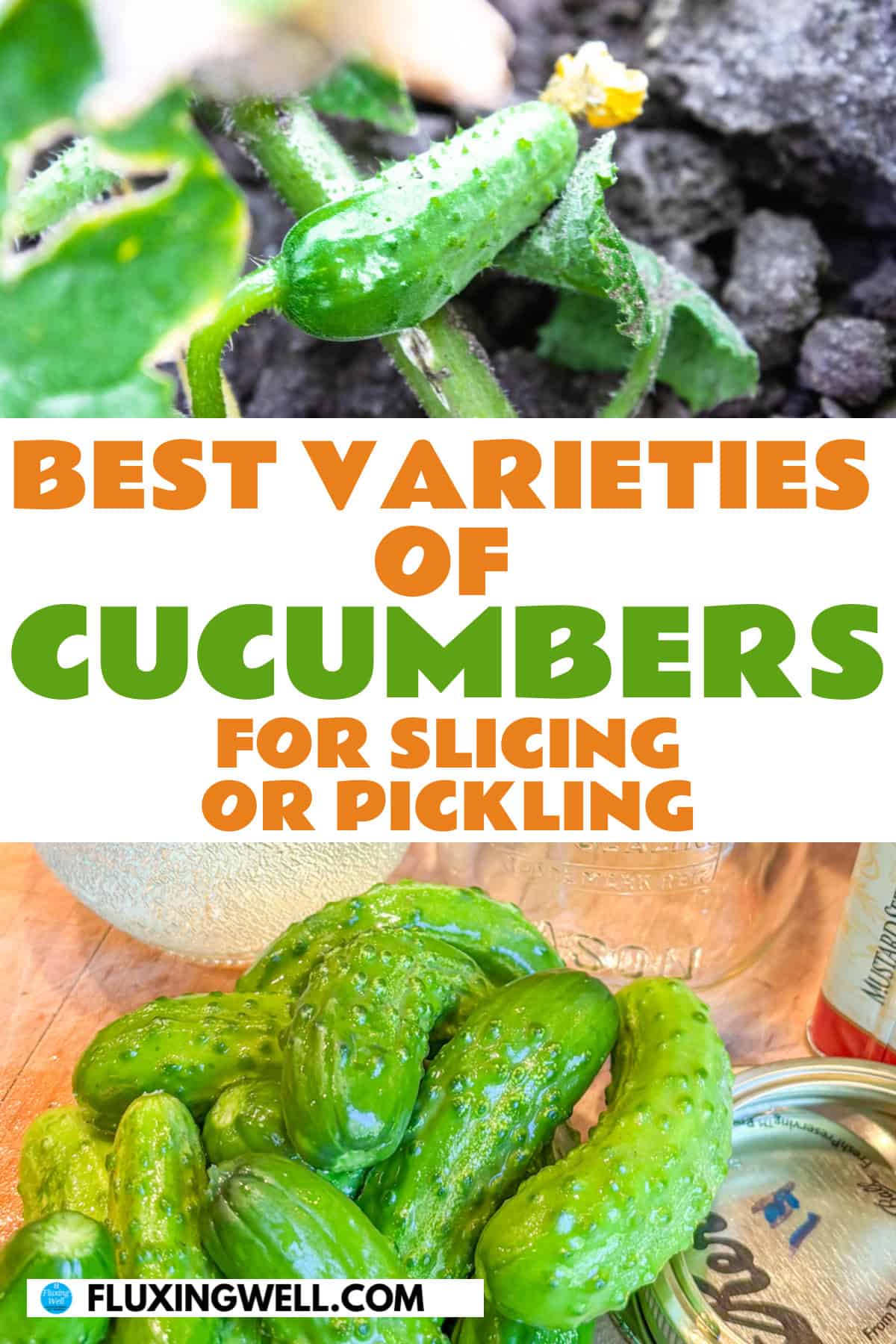
Slicing Cucumbers
Ashley: A reliable slicing cucumber with smooth dark green skin and a crisp, mild flavor that grows well in warm climates.
Bush Champion: A compact cucumber variety perfect for small gardens and containers, producing tender slicing cucumbers on shorter vines.
Dasher II: A popular hybrid known for heavy yields, disease resistance, and straight dark green fruits with excellent crunch.
Diva: A burpless cucumber with thin tender skin, sweet flavor, and nearly seedless flesh that is great for fresh eating.
Early Pride: An early-producing slicing cucumber that offers crisp texture and dependable harvests throughout the season.
Marketmore 76: One of the most widely grown slicing cucumbers, valued for its disease resistance, straight fruits, and classic cucumber flavor. This is the kind we grow in our garden.

Muncher: A smooth-skinned cucumber with sweet mild flesh that can be eaten fresh without peeling.
Poinsett 76: A vigorous heirloom favorite that produces long dark green cucumbers with crisp texture and strong disease resistance.
Straight Eight: A classic heirloom cucumber producing straight eight-inch fruits with refreshing flavor and excellent slicing quality.
Sweet Success: A burpless hybrid cucumber that grows long seedless fruits with smooth skin and a sweet mild taste.
Tendergreen: An heirloom variety with smooth dark green cucumbers that stay tender and flavorful even when harvested larger.
Tasty Green: A Japanese-style cucumber with thin skin, crisp texture, and sweet flavor ideal for salads and snacking.
Pickling Cucumbers
Boston Pickling: A classic heirloom pickling cucumber that produces short crisp fruits perfect for homemade pickles.
Calypso: A high-yielding hybrid variety with strong disease resistance and firm cucumbers ideal for both fresh pickling and canning.
Carolina: A productive pickling cucumber known for uniform fruits, crisp texture, and dependable garden performance.
County Fair: A burpless pickling cucumber with nearly seedless fruits and excellent disease resistance.
Homemade Pickles: A favorite heirloom variety producing blocky cucumbers with firm flesh and excellent crunch for dill pickles.
Jackson Supreme: A vigorous hybrid cucumber that offers heavy harvests of dark green fruits with great pickling quality.
Little Leaf H-19: A compact variety with smaller leaves and high yields of crunchy cucumbers that are easy to harvest.
National Pickling: One of the most popular traditional pickling cucumbers, producing medium green fruits with crisp texture.

Parisian Pickling: A French heirloom variety that grows small flavorful cucumbers ideal for cornichons and gourmet pickles.
Picklebush: A compact bush cucumber perfect for small gardens and containers, producing short crisp pickling fruits.
Salt and Pepper: A unique white-skinned cucumber with mild flavor and excellent pickling texture.
Wisconsin SMR 58: A reliable pickling cucumber bred for strong disease resistance and uniform fruits ideal for processing.
Need More Planting Ideas?
Check out the tips for the best companion plants for eggplant to learn what to grow with those beauties. If you like the idea of companion planting, you might be interested in reading about the best companion plants for pumpkins, sunflowers, garlic, asparagus, rosemary, radishes, beetroot (beets), thyme, parsley, lupine, borage, peonies, apple trees, or the best companion plants for lavender. Get tips for growing stunning dahlias or vintage roses. Are you a beginning gardener? Try planting some foolproof, easy-care perennials, or learning about the best companion plants for columbine. There are so many exciting plants to grow!
Keep Track of Your Garden with a Journal Logbook
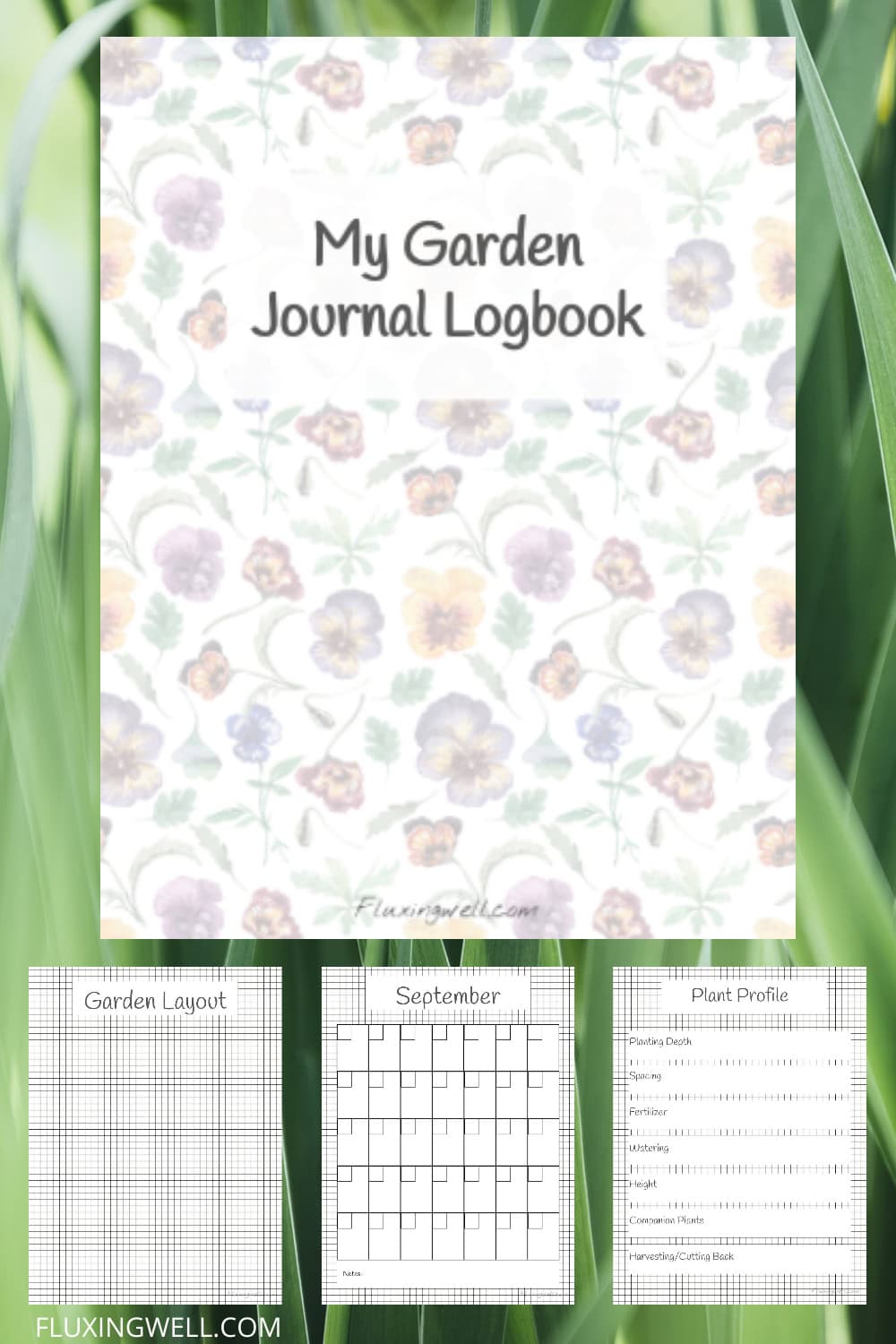
Now that you have learned about some compatible companion plants, keep track of your planting ideas, goals, and plans with a printable, editable free garden journal logbook. Choose the pages you want to use and customize them as you wish to record monthly, weekly, and daily garden tasks, lists, weather, and planting arrangements. There are also grid pages for easily designing the layout of your vegetable garden, flower garden, or landscape. Print it out and put it into a notebook you can take with you to the garden (that’s what I do). It’s nice to have all of your garden information in one place.
Free Online Garden Planner Layout Template
Now that you know which are the best companion plants for stevia, you might need a way to plan your garden layout. Whether you are planting vegetables, flowers, or herbs near your lupine plants, this online garden planner can help you visualize your design and bring it to life. Arrange and rearrange the plants over and over, then print the layout when you are satisfied. With garden tasks that need your attention, this is one way to save time.

Have a wonderful day, and may all of your carrot-growing endeavors meet with success!

Lisa Mitchell is a wife, mom, and school librarian who likes to grow fruit, herbs, vegetables, and flowers on her family’s small Pacific Northwest farm. To learn more about what this website has to offer gardeners, click on over to the Garden page.
Want more great garden, food, or travel ideas? Follow FluxingWell on Pinterest, Facebook, Instagram, and X for the latest posts, tips, and inspiration.
Great information about cucumber companion plants! It’s so helpful that you’ve also included remedies and varieties—you always go the extra mile!
Oh, thank you. This year, I’m trying to be very vigilant with my young cucumber plants, trying to prevent the pickling cucumber’s tender leaves from being nibbled on!
Thank you for listing so many great companion plants for cucumbers. I plan to make picked this year with my home grown cucumbers, so will have to check out your pickle recipes as well. Appreciate all of the cucumber growing tips, too!
I’m so glad you are going to grow cucumbers and liked the companion plant tips. Happy gardening!