
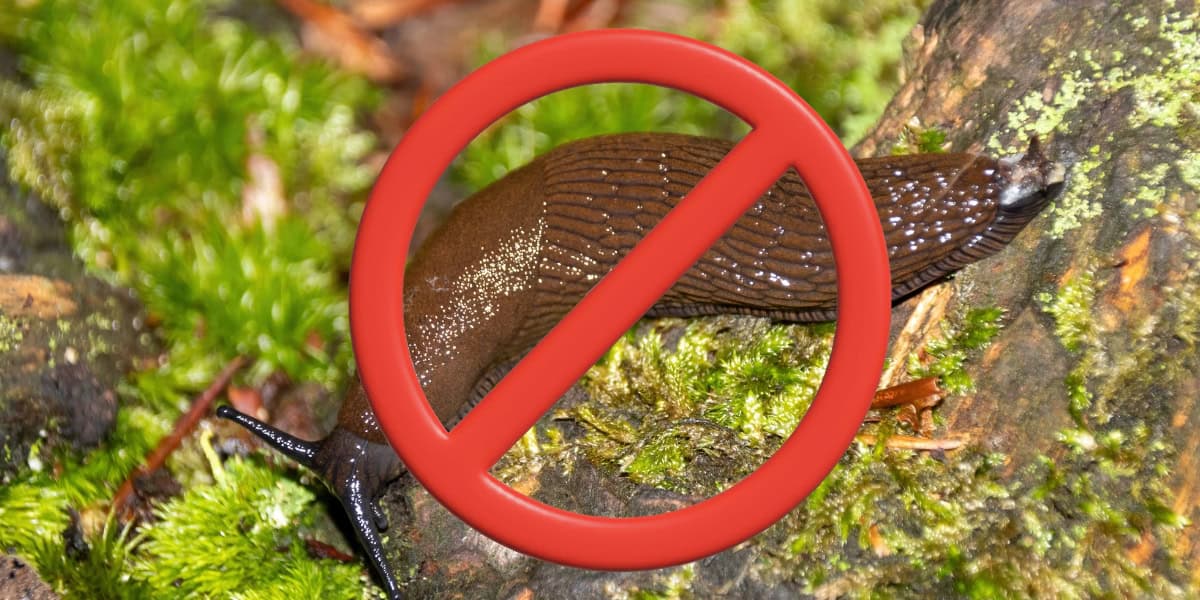
If you’re tired of waking up to chewed leaves and damaged seedlings, learning about controlling slugs can make a huge difference in your garden. After gardening for over 30 years in a Pacific Northwest USDA Plant Hardiness Zone 8b garden, I’ve used a wide variety of slug control strategies. From simple garden pest control methods to natural slug and snail repellant ideas, there are plenty of effective ways to protect your plants without harsh chemicals. Whether you’re searching for how to get rid of slugs in the garden, getting rid of slugs (and snails) naturally, or even how to get rid of snails in garden spaces, the right combination of prevention and treatment can help. Keep reading for practical tips on how to keep slugs out of garden beds and enjoy healthier, thriving plants all season long.
My History with Slugs
Living in a damp temperate rainforest region, slugs are just part of life. I have to be most vigilant in the spring, when the tender shoots of flowers and vegetables are sprouting. I’ve learned the hard way that I can’t let down my guard. That’s one reason why I prefer to start the garden by hand-watering with a watering wand. The hands-on approach helps me to keep an eye on new plant growth. Just as with preventing deer damage, controlling slugs is an ongoing battle, but there’s no need to feel discouraged when you are prepared with effective methods for controlling slugs and snails. There are many options to choose from for preventing slug damage. Let’s get started!
Controlling Slugs with Slug Bait
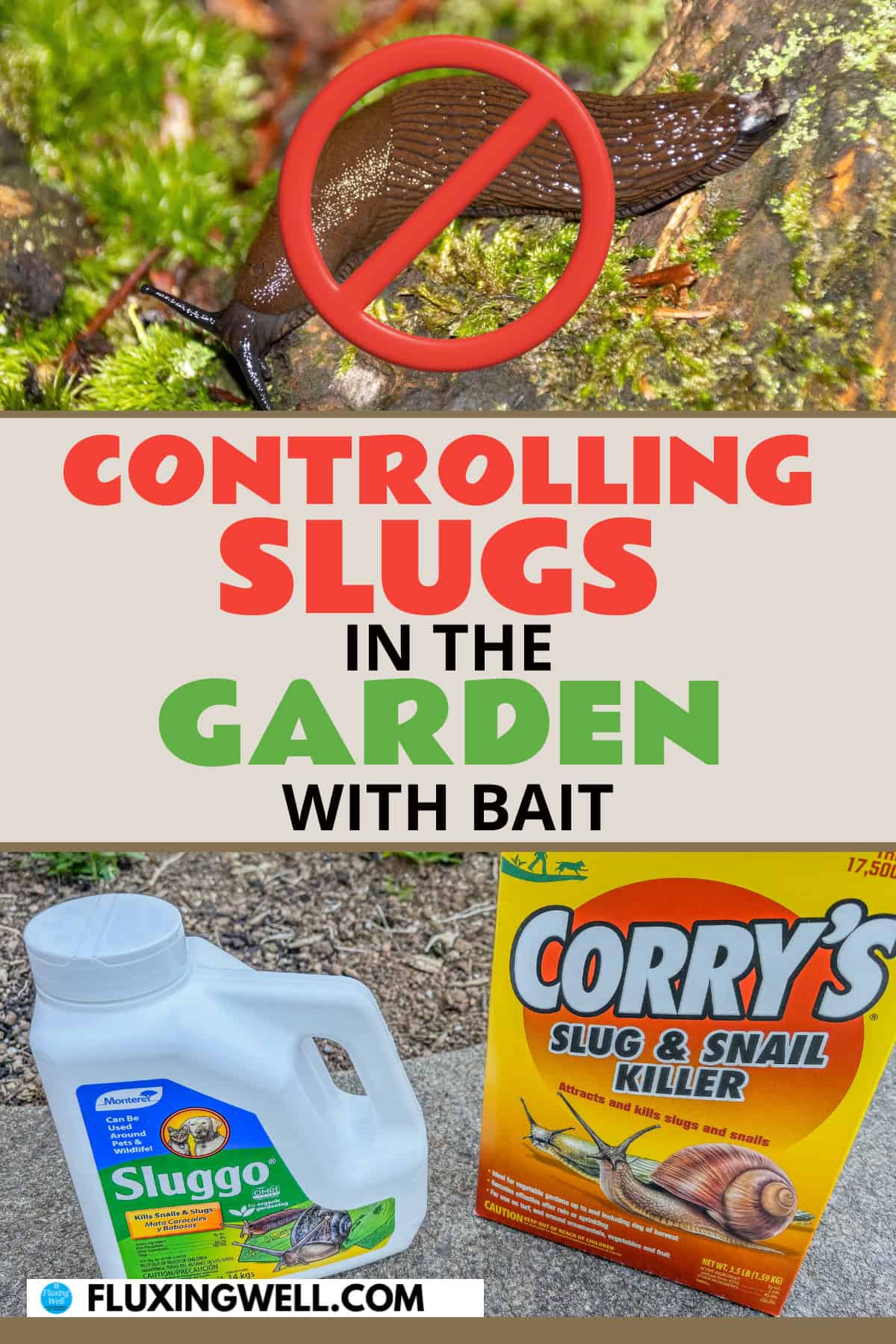
I’ve used two different types of slug bait in the garden. Each has advantages. Here’s a bit about both so you can decide which is right for you. In my side-by-side comparison with two petunia beds, both of them keep slugs from damaging the plants.
Corry’s Slug and Snail Killer is a popular choice for gardeners looking for fast and effective protection against destructive pests. The bait is easy to apply around flower beds, vegetable gardens, and container plants, helping reduce damage from slugs and snails before they can destroy tender leaves and seedlings. Many gardeners (myself included) appreciate that it works quickly, is long-lasting in damp conditions, and can be used as part of a broader garden pest control routine to help keep plants healthy and thriving. The new formula is pet-friendly, but because it’s made with a synthetic active ingredient, it cannot technically be classified as organic.

Sluggo is a popular option for gardeners who want an effective way to control slugs while being mindful of pets, wildlife, and beneficial insects. Made with iron phosphate, it helps stop slug feeding quickly and can be used in vegetable gardens, flower beds, and around young plants. Many gardeners like that it works naturally with the environment, breaks down over time, and helps protect tender seedlings and foliage from ongoing slug damage.

Controlling Slugs with Slug Traps and Barriers
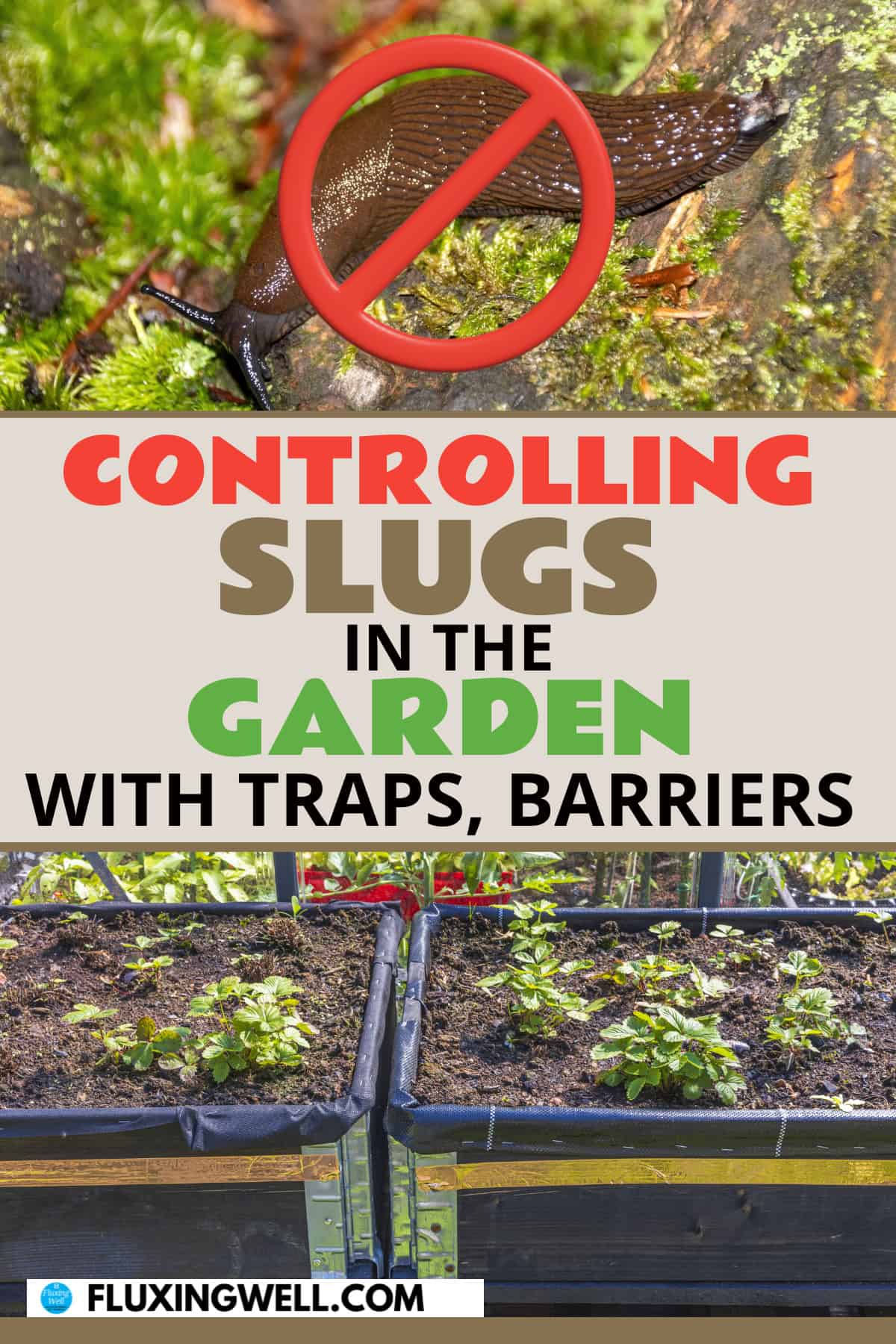
If you don’t mind disposing of the slugs once you trap them, slug traps might be a good option for you. Here are some of the most commonly-used.
Copper barrier used with slug traps: Combine trapping with copper deterrents that create a mild reaction slugs avoid, helping protect raised beds and containers.
![Kraftex Copper Tape [2 Inch x 33ft]. Conductive Adhesive use as Copper Tape for Slugs, Copper Shielding Tape for Guitars, Faraday Tape or Copper Flashing roll.](https://m.media-amazon.com/images/I/41Bg-TS3VKL._SL500_.jpg)
Solar-powered slug barriers: Use solar power to generate a low-output current, forming an electric barrier to help keep slugs out of raised beds.
Organic bait slug traps: Use natural attractants and pet-friendly ingredients, making them a safer option around children, pets, and edible gardens.

Slug collars: Also known by the more genteel term of garden cloches, these plastic circular barriers can be placed in the dirt around young, tender, new plants to prevent slug damage.

Reusable plastic slug traps: Durable and easy to empty and refill, making them a convenient long-term garden pest control solution. You can also make your own slug traps using tuna cans or other shallow containers for a budget-friendly version.

Controlling Slugs with Unconventional Organic Methods
Warning: These slug-control tactics are not for the faint of heart. If you get squeamish at the thought of a smashed spider, you may want to skip this section.
Boot stomp method: Around our small farm, I often wear my trusty garden boots. When a slug has the misfortune of crossing my path as I’m on my morning watering rounds or doing evening garden maintenance, that slug gets stomped on.
Scissor snip strategy: One of my favorite garden writers, the late Dulcy Mahar, would often patrol her garden with a pair of scissors. Snip, snip! Although it may seem barbaric, this method is actually far more appealing to me than emptying out a reusable trap full of dead slugs!

Controlling Slugs Naturally with Animal Predators
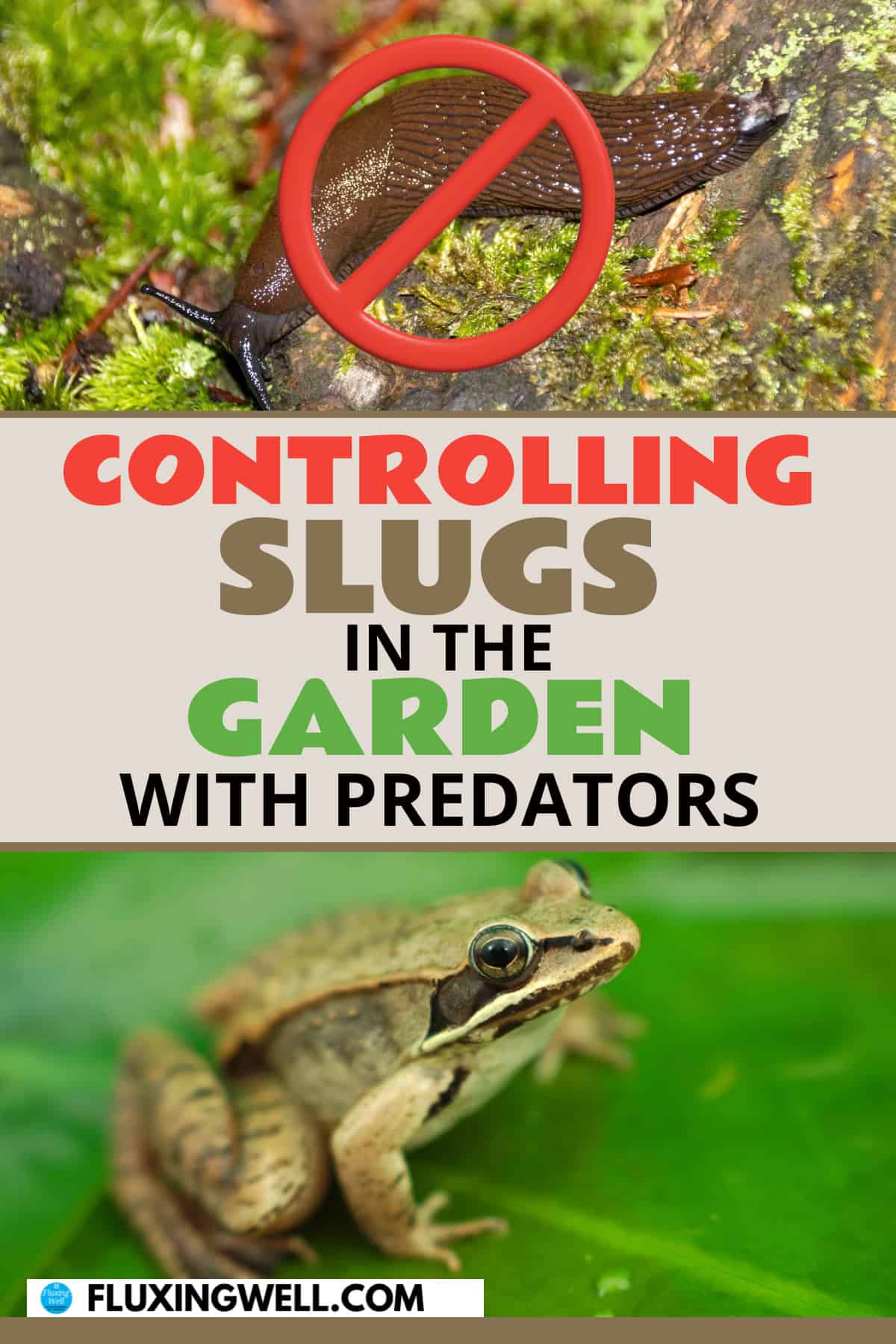
People often wonder which animals can help control the slug population. Here are some of those questions answered.
Can chickens eat slugs?
Yes, chickens can eat slugs, and many will happily scratch them up as part of their natural foraging behavior. Slugs provide a source of protein, but they can sometimes carry parasites, so it’s best not to rely on them as a primary food source. In a garden setting, letting chickens roam can help reduce slug populations, though they may also scratch up plants, so supervision is important if you’re using them for garden pest control.
Do frogs eat slugs?
Yes, frogs do eat slugs, and they’re actually one of their natural predators in the garden. Slugs are a soft, easy food source for frogs, especially at night when both are most active. Encouraging frogs in your yard can be a helpful form of natural pest control, as they also eat other common garden pests like insects and worms. Providing a damp, sheltered habitat like a small pond or shady hiding spots can help attract them.
Do ducks eat slugs?
Yes, ducks do eat slugs, and they’re quite effective at foraging them out of damp soil and garden beds. Breeds like Indian Runner ducks are especially known for pest control because they actively hunt insects, snails, and slugs. While they can help reduce slug populations naturally, they may also trample or nibble tender plants, so they’re best used in larger gardens or supervised areas rather than delicate beds.
Dogs eating slugs?
Yes, some dogs will eat slugs out of curiosity, especially when they’re exploring outdoors. However, this can be risky because slugs may carry parasites such as lungworm, which can cause serious health problems in dogs if ingested. It’s best to discourage this behavior and keep an eye on pets in damp garden areas where slugs are common. If a dog repeatedly tries to eat slugs, a quick check-in with a veterinarian is a good idea for prevention advice.
Other Slug-Eating Creatures
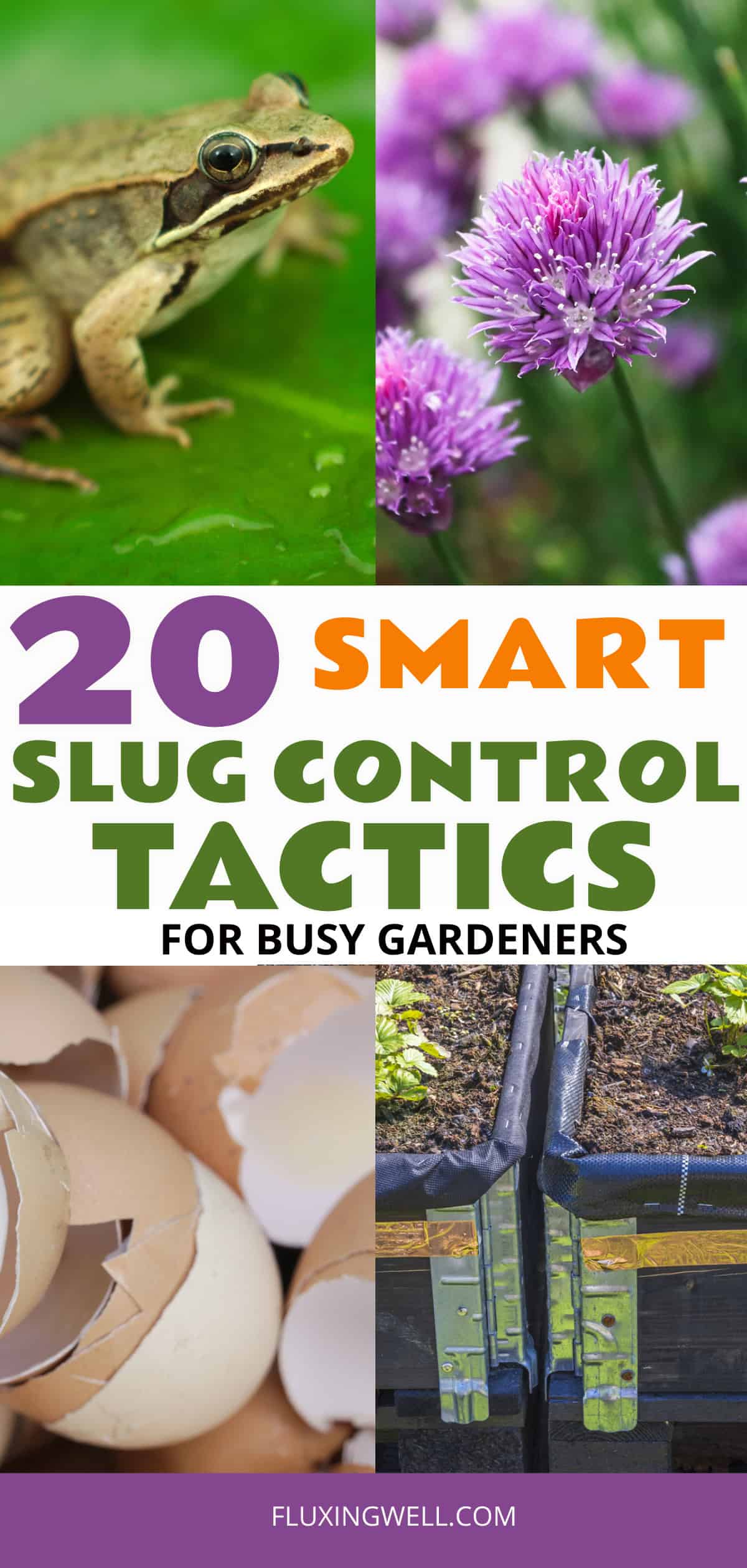
Toads: Excellent slug hunters that thrive in damp garden areas and eat large quantities of pests.
Birds: Species like robins, blackbirds, and starlings will pick slugs from soil and foliage.
Hedgehogs: Nocturnal foragers that consume slugs as part of their varied insect-rich diet.
Ground beetles: Beneficial insects that prey on slugs and help control their numbers in soil.
Salamanders: Moisture-loving amphibians that feed on slugs in damp, shaded environments.
Rats: Will occasionally eat slugs, though they are not considered a desirable or reliable control method. (Who wants to attract rats? Not me!)
Snakes: Some small species may consume slugs or slug-eating prey in natural habitats.
Parasitic nematodes: Microscopic organisms that infect and kill slugs, acting as biological control agents.
Other Popular Slug Control Methods
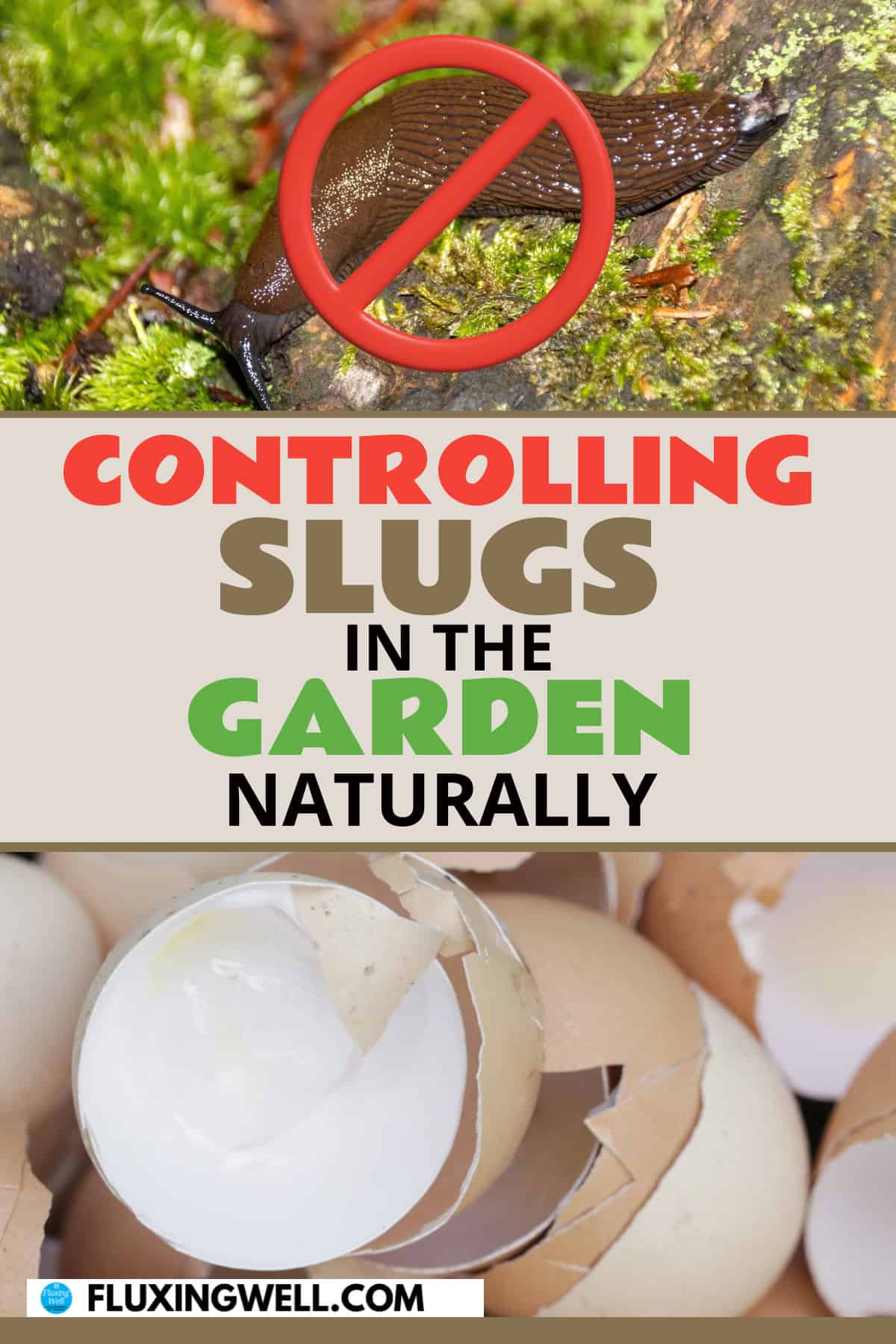
Crushed eggshells: Form a rough barrier around plants that may discourage slugs from crawling across the sharp texture.
Diatomaceous earth: Damages the soft bodies of slugs when they crawl over it, helping reduce activity in dry conditions.
Hand picking: Allows gardeners to remove slugs directly from plants and garden beds, especially in the evening or early morning.
Watering in the morning: Helps soil dry out by evening, reducing the damp conditions slugs prefer overnight.
Removing garden debris: Eliminates cool, moist hiding spots where slugs rest during the day.
Encouraging natural predators: Attracts birds, frogs, toads, and ground beetles that naturally feed on slugs.
Mulching with coarse materials: Uses rough textures like pine needles or gravel that slugs may avoid crossing.
Pruning dense foliage: Improves air circulation and reduces the moist conditions slugs thrive in.
Raised garden beds: Create drier growing conditions and make it easier to monitor slug activity.
Slug-Resistant Plants
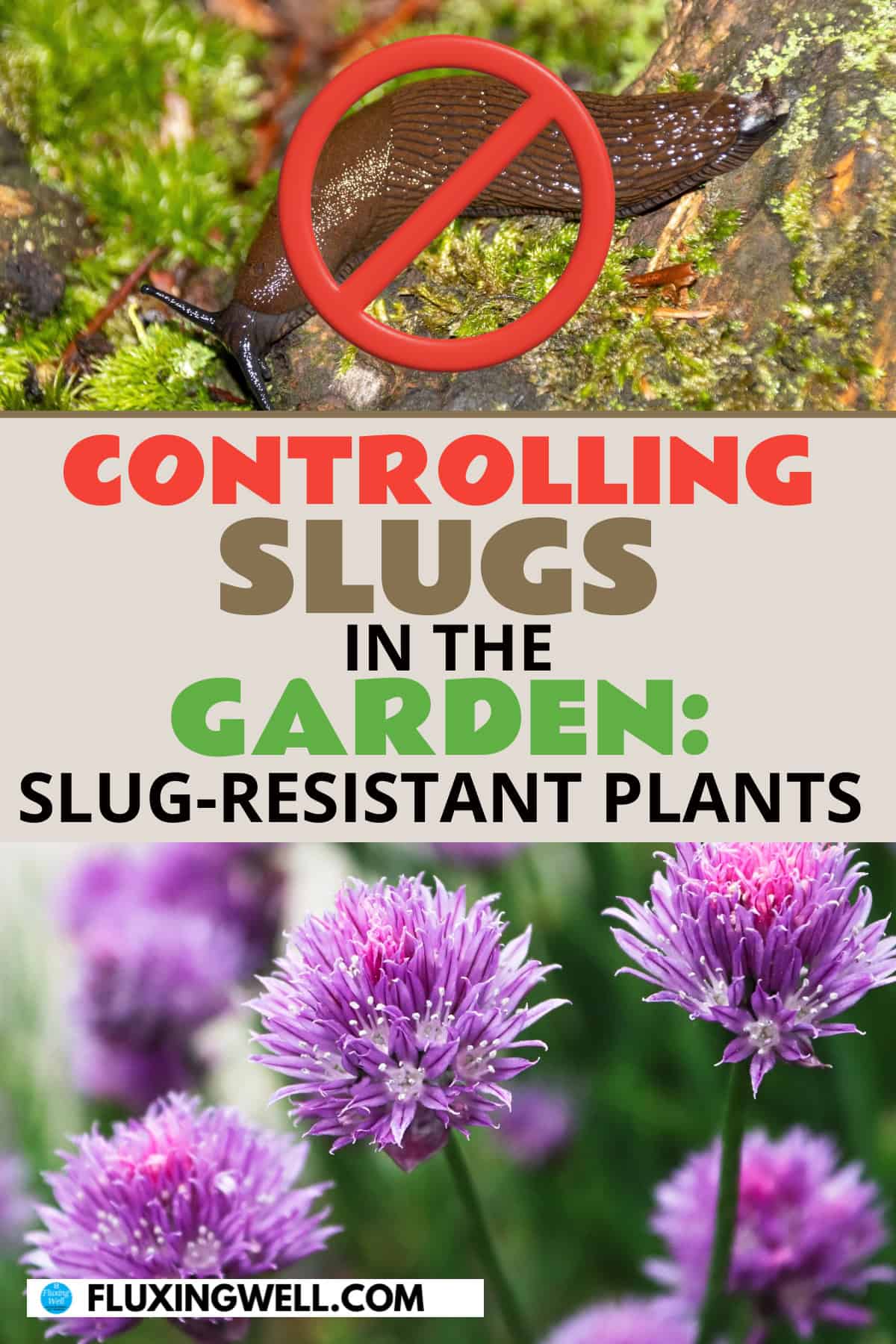
Another popular way to deter slugs is to grow plants they don’t like. Here’s a list of slug-resistant plants to grow near vulnerable crops.
Lavender: Its strong fragrance and textured foliage make it less appealing to slugs.
Rosemary: Tough, aromatic leaves help deter slugs in herb and vegetable gardens.
Sage: Slugs tend to avoid the fuzzy, fragrant foliage of this hardy herb.
Thyme: The woody stems and strong scent make it a less attractive plant for slugs.
Ferns: Many fern varieties have thick or leathery foliage that slugs usually ignore.
Peonies: Their sturdy leaves are often more resistant to slug damage than tender plants.
Foxgloves: The slightly toxic foliage discourages slugs from feeding.
Lamb’s ear: Soft, fuzzy leaves are typically unappealing to slugs.
Alliums: Onions, chives, garlic, and ornamental alliums have strong scents that slugs dislike.
Euphorbia: The milky sap and firm foliage help deter garden pests, including slugs.
Geraniums: Scented and hardy varieties are often left alone by slugs.
Japanese anemones: Their tougher foliage makes them more resistant to slug feeding.
Sedum: Thick, succulent leaves are less attractive to slugs than tender greenery.
Yarrow: Its aromatic foliage and dry texture help discourage slug activity.
Free Online Garden Planner Layout Template
Now that you know which are the best deer resistant vegetables, herbs, and flowers, you might need a way to plan your garden layout. Whether you are planting vegetables, flowers, or herbs near your rhubarb plant, this online garden planner can help you visualize your design and bring it to life. With garden tasks that need your attention, this is one way to save time.

It’s fully customizable when you make your own copy and includes two editable chart pages for noting planting specifications.
Get my free online garden layout planner template!
Organize Your Garden Tasks with a Free Garden Planner Notebook
As a result of needing to keep track of garden tasks throughout the year, I decided to begin a garden planner notebook. It has a page for each month, along with notes pages. If a garden planner notebook seems like a good idea to you, good news! You can get it here!

Get the garden notebook!
May all of your slug control efforts meet with great success!
Lisa Mitchell is a wife, mom, and school librarian who likes to grow fruit, vegetables, and flowers on her family’s small Pacific Northwest farm. To learn more about what this website has to offer gardeners, click on over to the Garden page.
Want more great garden, food, or travel ideas? Follow FluxingWell on Pinterest, Flipboard, Facebook, Instagram, and X for the latest posts, tips, and inspiration.
I always wondered how to handle these things. Thank you explaining how to control slugs in the garden. I need to look into these items. Im going to download the garden template. I need this.
Awesome! I’m so glad you found something you could use. I’m always glad to share what I learn.
I had no idea there were so many ways of controlling slugs in the garden! From traps to barriers, thank you for sharing all these tips. I especially like the idea of deterring slugs by growing plants they don’t like!
Yes, I have many strategies. I take a multi-pronged approach to defending the garden against slugs for sure!
Thanks for sharing these excellent tips for controlling slugs with slug traps and barriers. My mom has a lot of problems with slugs in her garden, so I will pass this helpful information to her.
Nice! Yes, some climates definitely have more slugs than others. Glad you found something you could pass along.
Thanks for sharing your expertise about controlling slugs in the garden! This isn’t an issue for me in Indiana, but I know where to turn if anyone needs advice.
You are lucky not to have slugs in your garden, but you probably have garden pests that I don’t have to worry about in Oregon. Thank you for your kind words. Happy gardening!
Oh, my goodness, this information about controlling slugs in the garden is just what I need. After I get everything planted in the spring, I spend so much time trying to keep slugs from destroying the tender growth. Thank you for these helpful ideas!
I’m so glad you found the slug control ideas helpful. Happy gardening, and good luck in your efforts to control the slugs in your garden.