
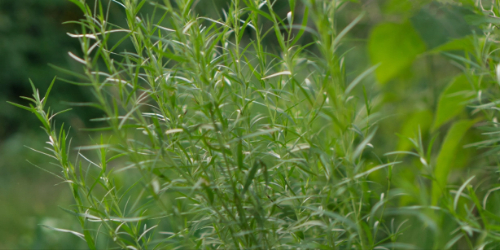
If you’re growing tarragon, choosing the right tarragon companion plants can make all the difference in your herb, vegetable, or flower garden. This Tarragon Companion Plants Guide will help you learn how to pair your tarragon plant with the best herbs, flowers, and vegetables. From tarragon herb identification and tarragon plant care tips to growing your own tarragon for recipes, you’ll find everything you need for growing tarragon successfully. For simplicity, in this post, any reference to tarragon refers to the French tarragon variety.
What is Tarragon?
Tarragon is a fragrant perennial herb with slender green leaves and a distinct anise-like flavor, often used in French cooking for sauces, chicken, fish, and egg dishes. The most popular variety, French tarragon, grows best in full sun and well-drained soil. It’s a versatile herb that pairs well with many other plants and adds a fresh, aromatic touch to both gardens and kitchens. I like tarragon because it is used to flavor cute cornichon pickles, and I love to make cute pickles.
Tarragon Companion Plants: Flowers

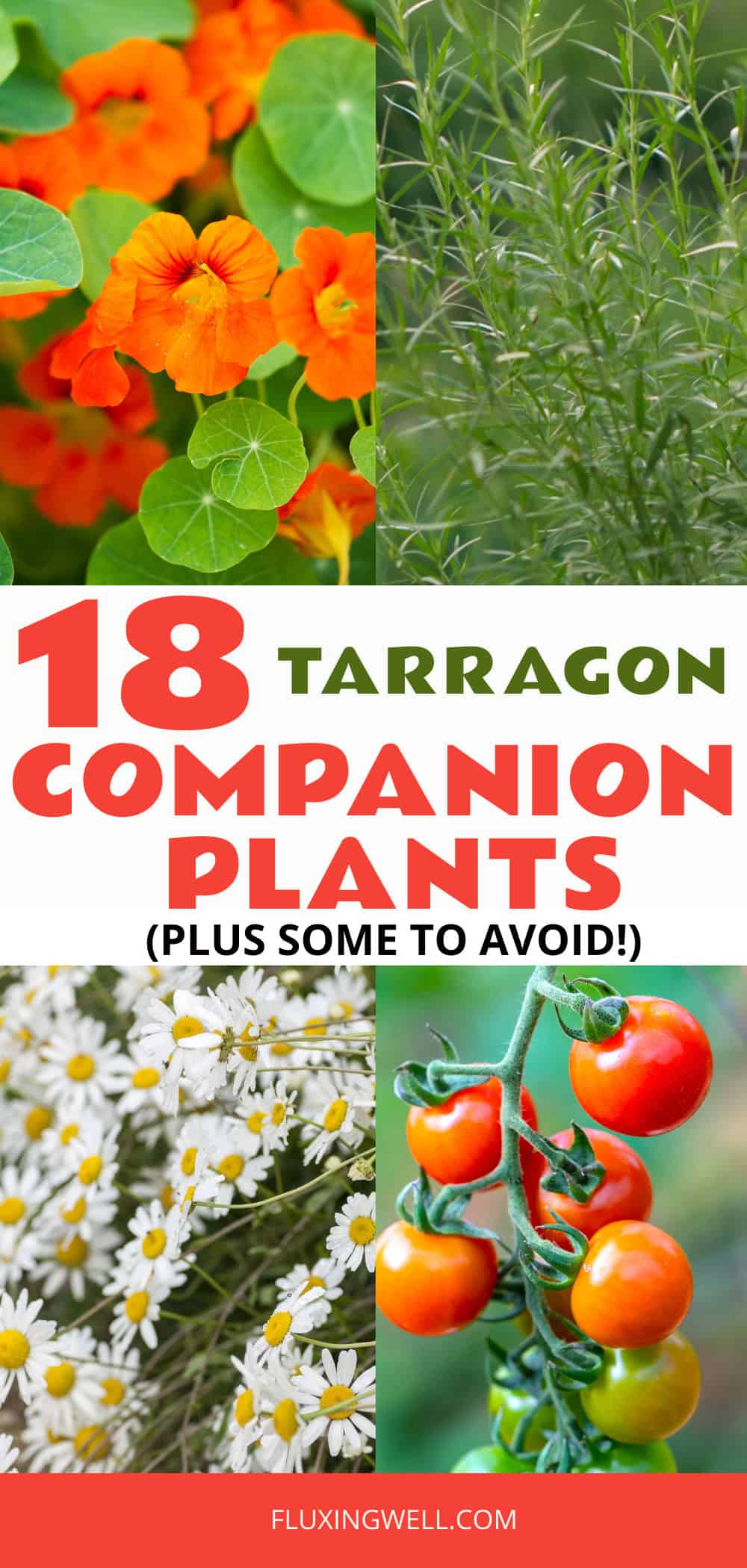
The best companion flowers for tarragon are those that attract pollinators, repel pests, and thrive in similar sunny, well-drained conditions. Good choices include marigolds, which deter aphids and nematodes; nasturtiums, which attract beneficial insects; and calendula, known for drawing pollinators while repelling pests.
Tarragon Companion Plants: Herbs

The best companion herbs for tarragon are those that share similar growing conditions and complement its flavor. Basil, oregano, and rosemary all thrive in sunny, well-drained soil and make great neighbors for tarragon. Chamomile and borage make good tarragon companions, enhancing both the health and beauty of your herb garden. Chives and parsley also pair well, helping to attract beneficial insects.
Tarragon Companion Plants: Vegetables
The best companion vegetables for tarragon are those that benefit from its natural pest-repelling properties and grow well in similar sunny, well-drained conditions. Tomatoes, eggplants, and peppers thrive near tarragon, which helps deter pests like aphids and whiteflies. Cabbage, broccoli, and other brassicas also benefit from tarragon’s ability to repel harmful insects. Additionally, tarragon complements beans and asparagus, making it a versatile and protective companion in the vegetable garden.
What Not to Grow with Tarragon
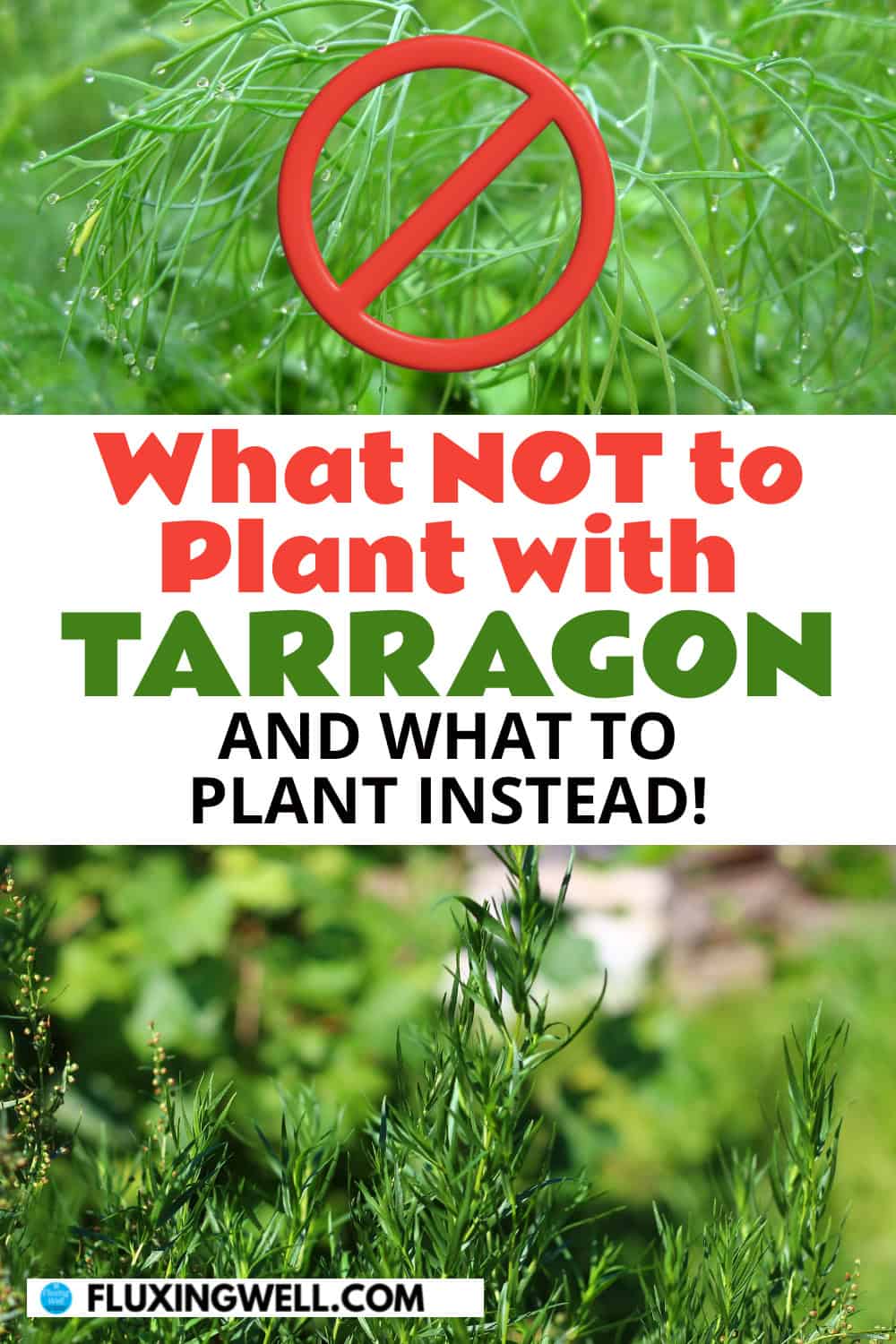
Tarragon doesn’t thrive next to mint or fennel, which are aggressive spreaders that can quickly take over its space.
Tarragon Companion Planting Chart
| Tarragon Companion Plants | |
| Tarragon Companion Plants: Flowers | Tarragon Companion Plants: Vegetables |
| Calendula | Asparagus |
| Marigolds | Beans |
| Nasturtiums | Broccoli |
| Cabbage | |
| Tarragon Companion Plants: Herbs | Eggplant |
| Basil | Peppers |
| Borage | Tomatoes |
| Chamomile | |
| Chives | Worst Tarragon Companion Plants |
| Oregano | Fennel |
| Parsley | Mint |
| Rosemary | |

Tarragon Planting and Growing Tips
Where to Plant Tarragon
Tarragon thrives in full sun and well-drained soil with a slightly sandy texture.
When to Plant Tarragon
Tarragon can be planted in the fall in mild climates where the ground doesn’t freeze. Fall planting gives the roots time to establish before winter, allowing for strong growth in spring. In colder regions, it’s better to wait until spring or grow tarragon in a container that can be brought indoors over winter. In my USDA Plant Hardiness Zone 8, it’s generally best to wait until the spring to plant the tarragon starts if you are going to grow it outdoors.
Plant tarragon from cuttings or transplants, since it rarely grows true from seed. Give each plant space to breathe (about 18–24 inches apart) to promote good air circulation.
Watering Tarragon
Tarragon prefers moderate watering. Keep the soil lightly moist but never soggy. Too much water can cause root rot.
Trimming Tarragon
Trim the stems regularly to encourage bushy growth and prevent flowering, which can make the leaves bitter.
Protecting Tarragon
In cold climates, mulch around the roots for winter protection or bring container-grown tarragon indoors. Tarragon is a perennial herb in most climates, meaning it can live and produce leaves for several years. French tarragon is hardy in USDA zones 4–9 if planted in well-drained soil and protected from extreme cold. Tarragon dies back in winter in colder areas but typically regrows in spring. In containers or colder zones, it can be brought indoors to extend its life.
Growing Tarragon in a Container
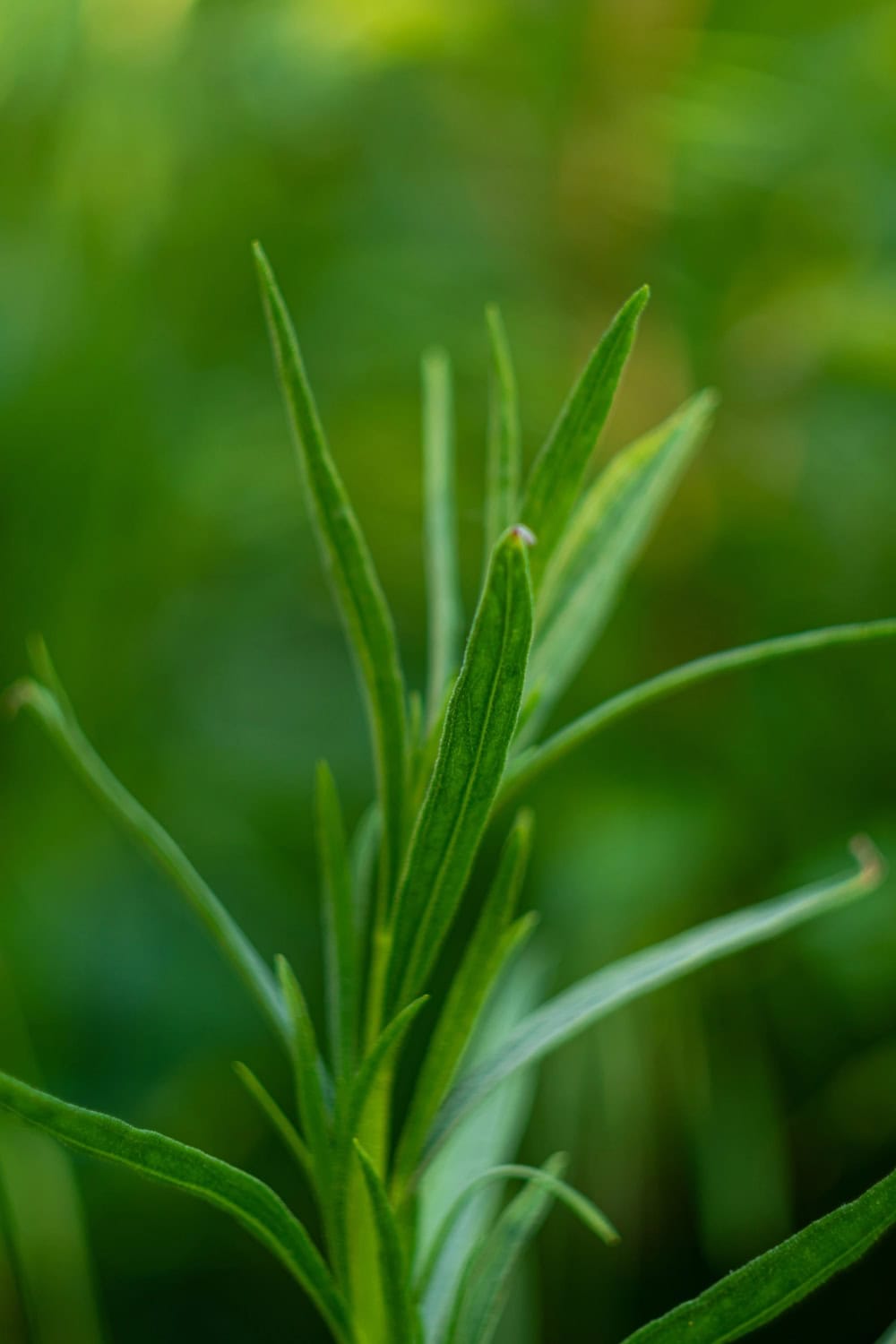
Choose a pot with good drainage holes and fill it with well-draining soil, such as a sandy or loamy potting mix. As previously noted, tarragon doesn’t like wet roots, so avoid heavy, moisture-retaining soils. Place the container in a sunny spot where it can get at least 6 hours of sunlight daily. Water sparingly. Let the top inch of soil dry out between waterings.
Tarragon prefers to be slightly root-bound (perfect for low-maintenance gardeners). Feed it lightly once a month with a balanced liquid fertilizer during the growing season. To keep the plant bushy and flavorful, trim it often and remove any flower buds. In colder regions, move the container indoors or to a sheltered spot before frost.
How to Harvest Tarragon
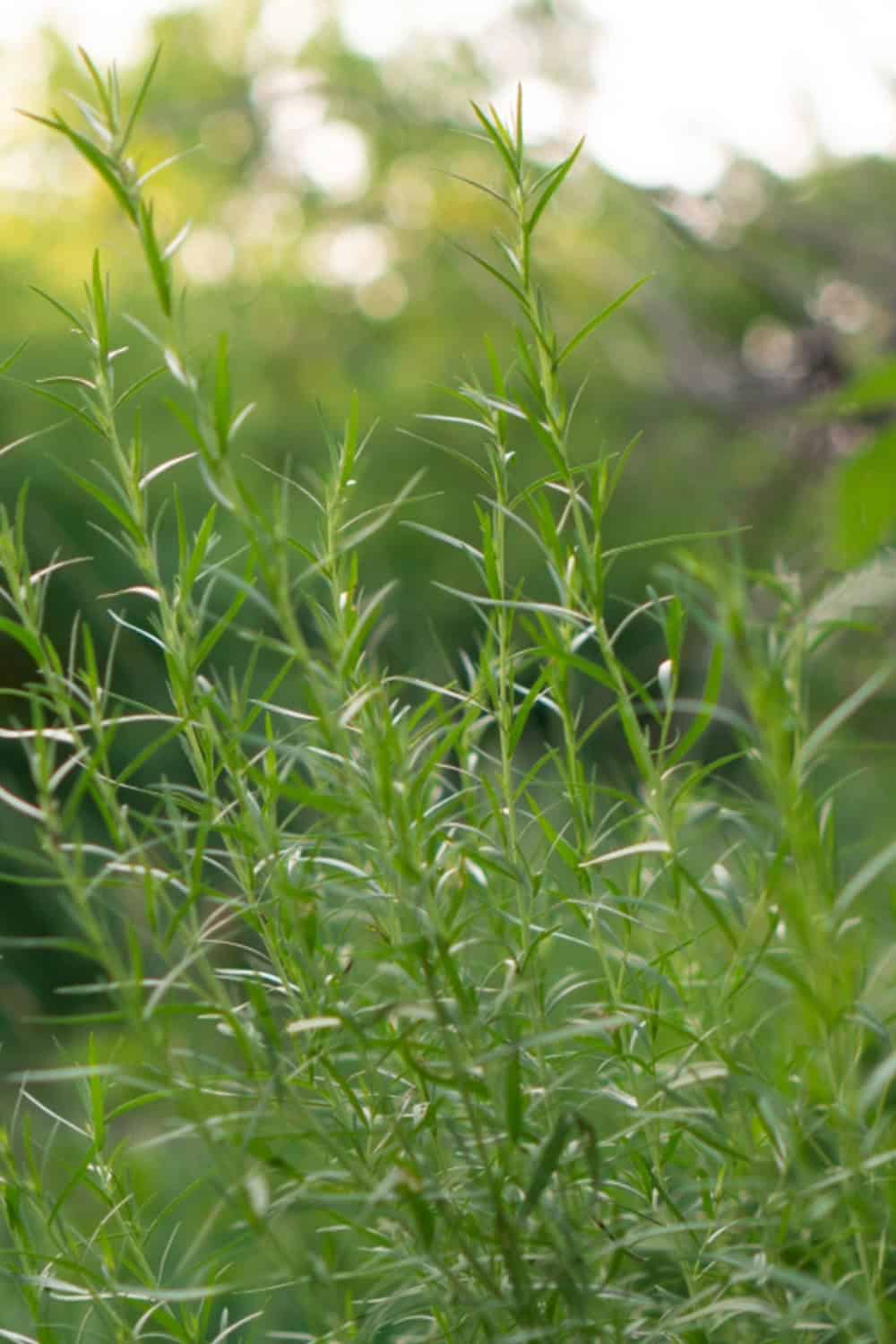
Here’s how to harvest tarragon in a few quick steps:
Wait until the plant is established, usually in late spring or early summer.
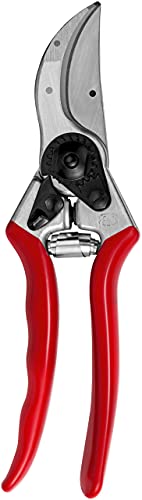
Use sharp scissors or pruning shears to snip stems just above a leaf node.
Harvest in the morning after the dew dries for the best flavor.
Take only one-third of the plant at a time to keep it growing strong.
Trim regularly to encourage new, tender growth and prevent flowering.
Common Tarragon Pests and Diseases
Tarragon is generally hardy and resistant to many pests and diseases, but a few problems can still occur. Aphids, spider mites, and whiteflies sometimes attack the leaves, especially in warm, dry conditions or when plants are overcrowded. You can manage them by rinsing the leaves with water or using insecticidal soap.

Root rot is the most common disease issue and usually results from poor drainage or overwatering. Tarragon may also develop powdery mildew if airflow is limited or humidity is high. To prevent these issues, plant tarragon in well-drained soil, avoid wetting the foliage, and space plants properly for good air circulation. Regular pruning and keeping the area weed-free also help maintain healthy growth.
Varieties of Tarragon
French tarragon (Artemisia dracunculus, for those who prefer the Latin name) is the true culinary variety prized for its sweet, anise-like flavor. Since it’s sterile, it’s always grown from cuttings or divisions, not seeds. A few nursery strains like ‘Sativa’, ‘Pimpernel’, and ‘True French Tarragon’ offer slight differences in vigor but the same classic taste. Ideal for cooking and container gardens, French tarragon is the top choice for authentic flavor and easy care.
Need More Planting Ideas?
Check out the tips for the best companion plants for eggplant to learn what to grow with those beauties. If you like the idea of companion planting, you might be interested in reading about the best companion plants for pumpkins, sunflowers, garlic, asparagus, rosemary, radishes, beetroot (beets), thyme, parsley, lupine, borage, peonies, apple trees, or the best companion plants for lavender. Get tips for growing stunning dahlias or vintage roses. Are you a beginning gardener? Try planting some foolproof, easy-care perennials, or learning about the best companion plants for columbine. There are so many exciting plants to grow!
Keep Track of Your Garden with a Journal Logbook

Now that you have learned about some compatible companion plants, keep track of your planting ideas, goals, and plans with a printable, editable free garden journal logbook. Choose the pages you want to use and customize them as you wish to record monthly, weekly, and daily garden tasks, lists, weather, and planting arrangements. There are also grid pages for easily designing the layout of your vegetable garden, flower garden, or landscape. Print it out and put it into a notebook you can take with you to the garden (that’s what I do). It’s nice to have all of your garden information in one place.
Free Online Garden Planner Layout Template
Now that you know which are the best companion plants for stevia, you might need a way to plan your garden layout. Whether you are planting vegetables, flowers, or herbs near your lupine plants, this online garden planner can help you visualize your design and bring it to life. Arrange and rearrange the plants over and over, then print the layout when you are satisfied. With garden tasks that need your attention, this is one way to save time.

Have a wonderful week, and may all of your tarragon-growing endeavors meet with success!

Lisa Mitchell is a wife, mom, and school librarian who likes to grow fruit, herbs, vegetables, and flowers on her family’s small Pacific Northwest farm. To learn more about what this website has to offer gardeners, click on over to the Garden page.
Want more great garden, food, or travel ideas? Follow FluxingWell on Pinterest, Facebook, Instagram, and X for the latest posts, tips, and inspiration.
Thank you for the helpful information on the best tarragon companion flowers. It was great to learn how to harvest tarragon as well.
You’re welcome! I’m looking forward to harvesting tarragon for cornichons, since I love to make cute pickles.
Thanks for this great resource on tarragon companion plants! It’s organized so well, and the photos are really helpful. A wealth of information!
I appreciate the kind words, and I’m glad you found the tarragon companion plants list helpful.
Thanks for sharing this helpful information about tarragon companion plants. It is good to know that flowers like marigolds and calendula are among the best options.
Yes, those are easy to grow and make great companion plants for other plants in addition to tarragon. Happy to share ideas!
Thank you for all of these useful tips about growing tarragon with the right companion plants. I am interested in using it to make tiny cornichons as well. I will enjoy adding it to my garden and will employ your planting strategies!
Wonderful! I appreciate the kind words and am always glad to help a fellow pickle-maker. I hope your tarragon companion planting efforts meet with great success!