
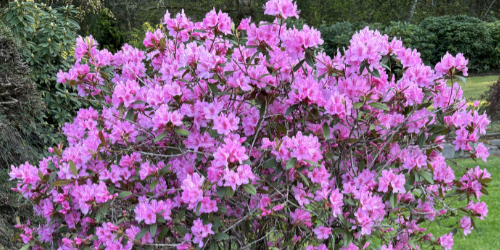
In this guide to the best companion plants for azaleas, you’ll discover versatile companion plants for azaleas and practical tips for what to plant with azaleas in every setting. Whether you’re planning azalea front yard landscaping, refreshing an azalea landscape, or styling azaleas for landscaping backyards, pairing shade azaleas with the right companion plants adds structure and charm. As a multi-decade azalea grower, I offer tips about smart azalea plant care, plus ideas about which flowers and shrubs to plant with azaleas to create lush, layered flower beds.
Why I Love Growing Azaleas
When I was given a potted azalea shrub as a gift years ago, little did I know that it would be the start of a lovely relationship. Growing azaleas where I live in garden zone 8b is ideal because the mild winters and long growing season allow the shrubs to thrive with minimal risk of frost damage. Flowers tend to open fully and last longer, while the evergreen azalea foliage adds year-round structure and interest. Azaleas are wonderfully low-maintenance, making them both beautiful and low-stress additions to my landscape. Plus, azaleas fit well in my favorite garden color palette of pinks, blues, and purples. Get started on your azalea adventure!
Azalea Companion Flowers
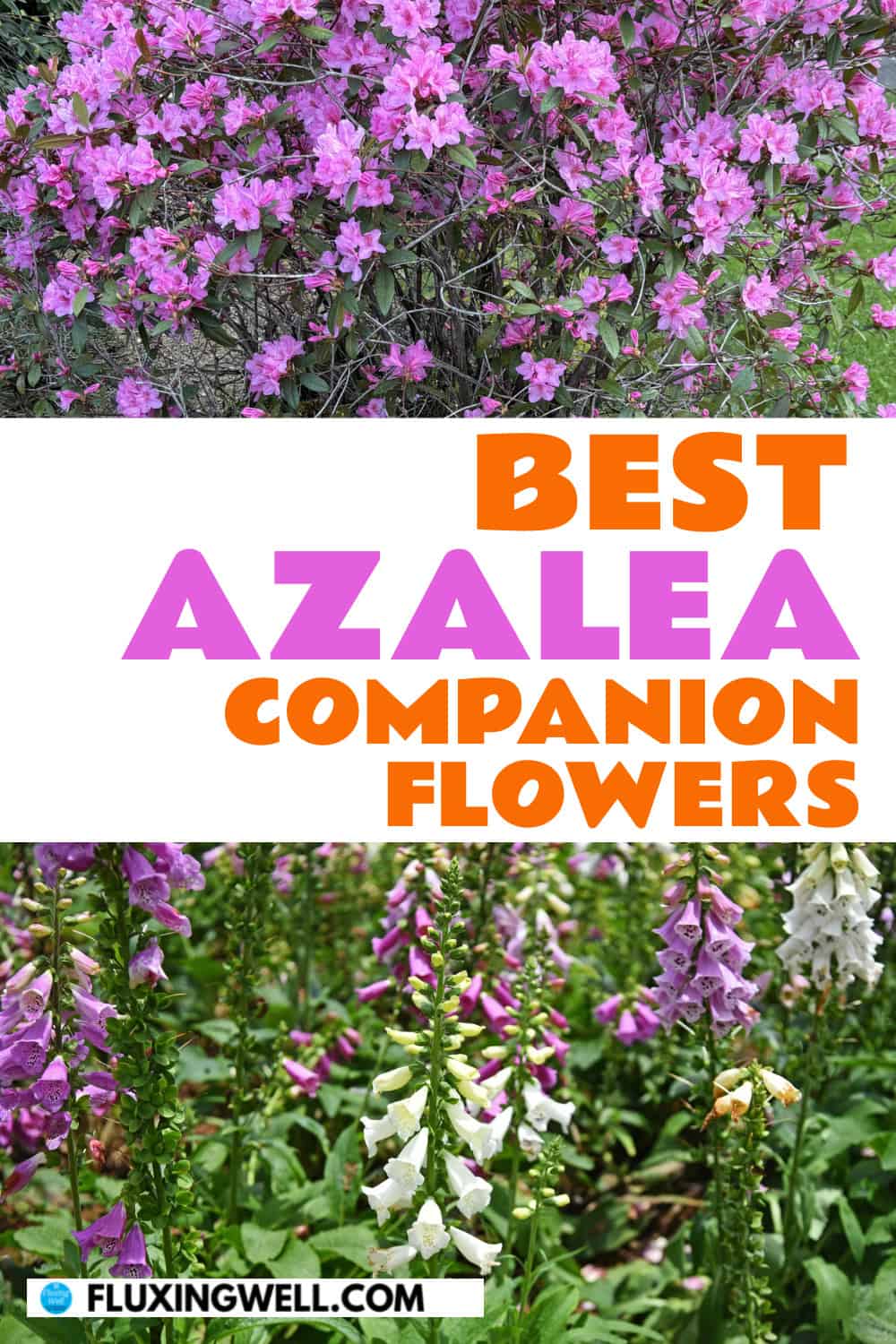
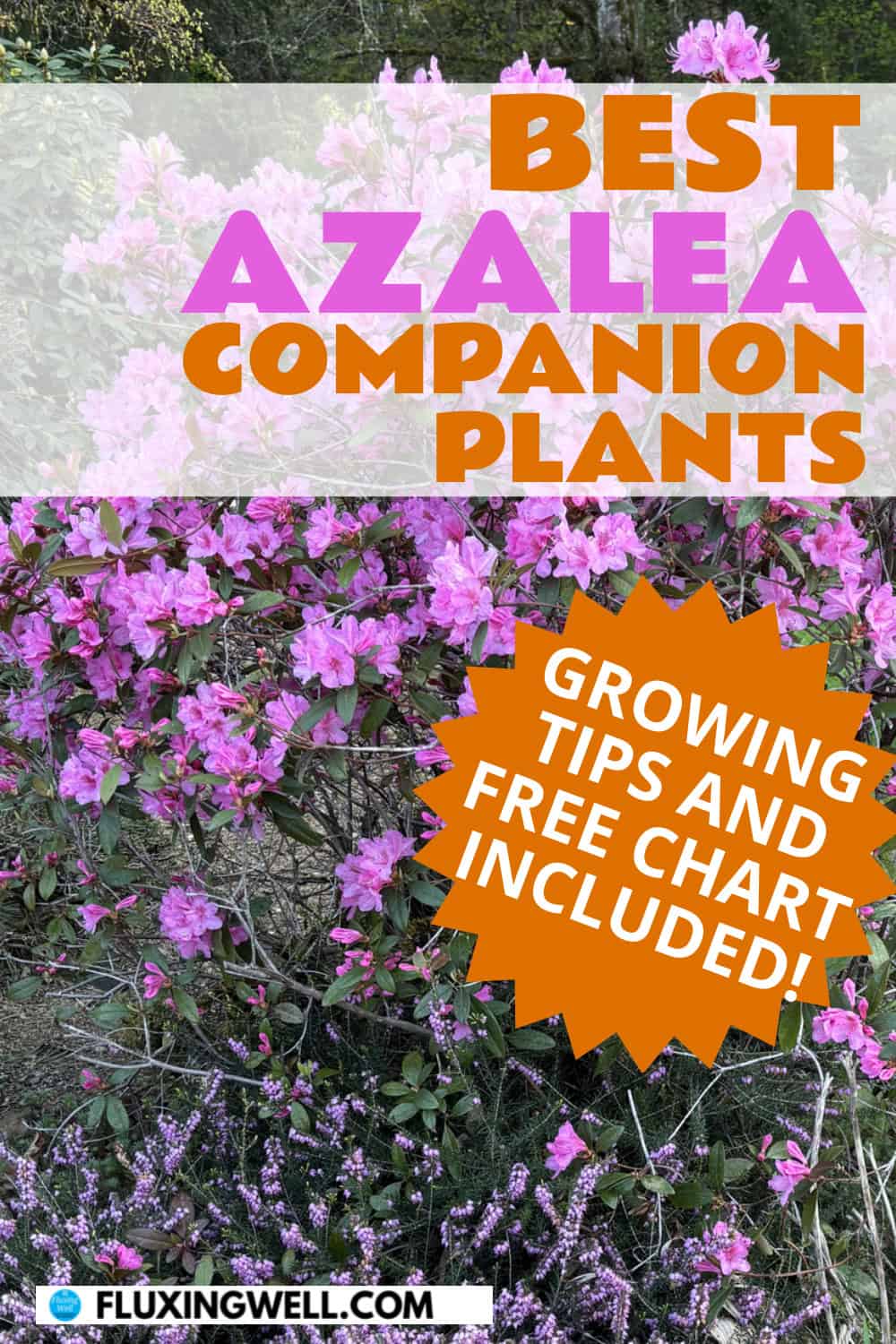
Here are some excellent companion flowers for azaleas that thrive in similar soil and sun conditions. I have many of these growing in our front and back yards.
Lily of the valley: Excellent groundcover for shade, fills bare soil under shrubs, and blooms at the same time as spring azaleas.
Bleeding heart (Dicentra): Loves cool, shady conditions, adds soft texture contrast, and flowers in spring alongside azaleas.
Primroses: Enjoy moist, woodland-type soil, provide early low-growing color, and brighten the front of azalea beds.
Astilbe: Tolerates shade and consistent moisture, adds feathery texture contrast, and supplies summer interest after azalea blooms fade.
Hellebores (Lenten rose): Bloom in late winter to early spring, offer evergreen foliage, and provide color before azaleas start.
Impatiens: Thrive in shade, give continuous seasonal color, and work well as fillers around azalea shrubs.
Foxglove (Digitalis): Tolerates partial shade, adds vertical height for layering, and flowers in late spring to complement azalea bloom time.
Azalea Companion Shrubs
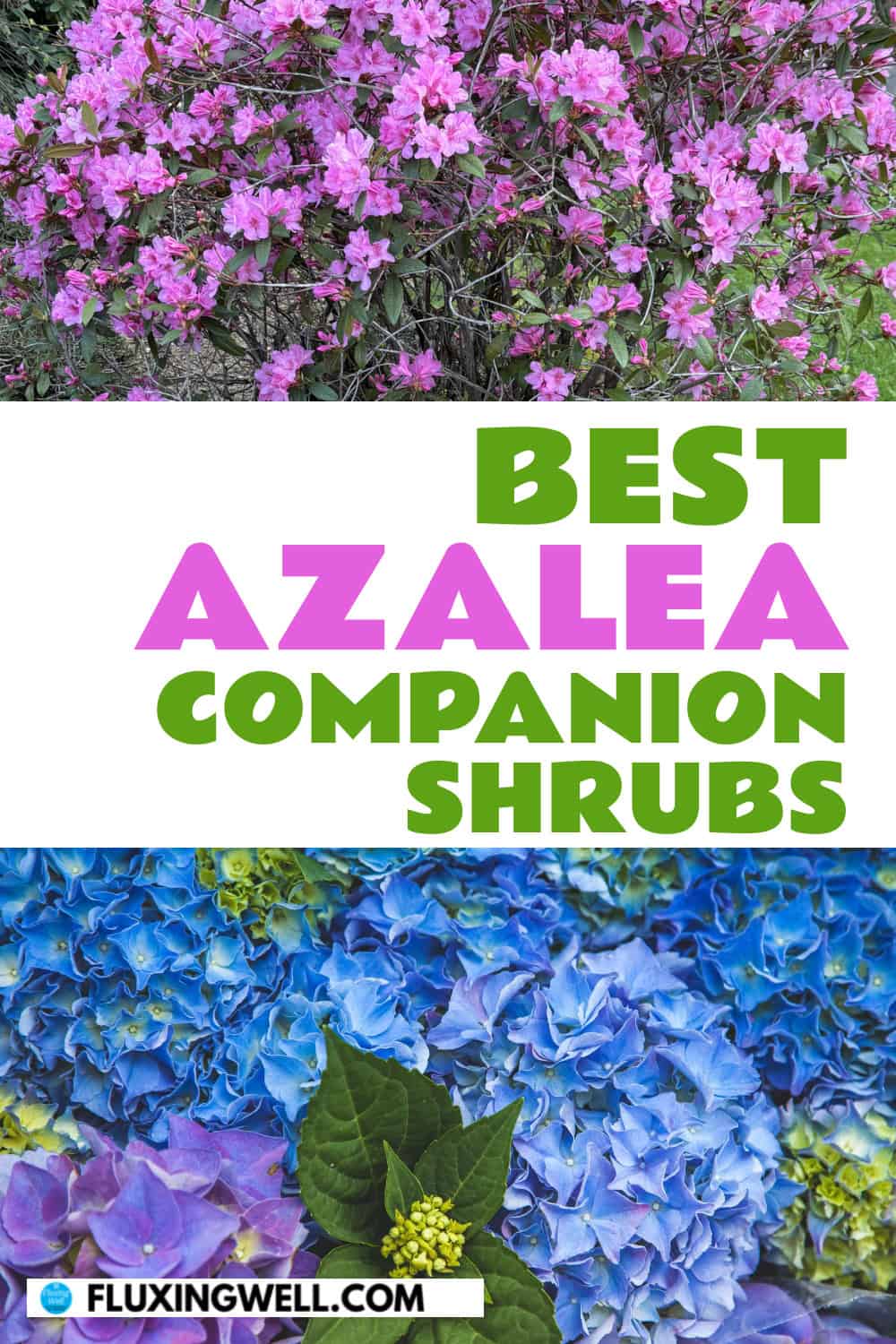
Get low maintenance garden structure with these reliable azalea companion shrubs.
Camellias: Thrive in acidic soil like azaleas, share similar light needs, and provide evergreen structure with blooms in a different season for extended color.
Gardenias: Love acidic soil and similar light conditions, provide fragrant summer blooms after azaleas finish, and have glossy evergreen foliage for year-round structure.
Pieris japonica (Andromeda): Thrives in acidic, well-drained soil, offers early spring flowers before or with azaleas, and adds colorful new foliage growth.
Rhododendrons: Share identical soil and shade preferences, create layered shrub plantings, and extend bloom variety with different flower shapes and times.
Mountain laurel (Kalmia latifolia): Native to woodland settings, prefers acidic soil, and produces late spring flowers that follow azalea season.
Leucothoe: Excellent for shady ground-level structure, tolerates acidic soil, and offers arching stems with evergreen foliage, often with seasonal color changes.
Skimmia: Grows well in shade and acidic soil, provides evergreen leaves plus winter berries (on female plants), and adds off-season interest.
Sweetspire (Itea virginica): Adapts to moist, acidic soil, produces fragrant late spring flowers, and delivers strong fall foliage color.
Fothergilla: Prefers acidic soil, blooms in spring with bottlebrush flowers, and gives brilliant fall color for multi-season appeal.
Hydrangea (shrub forms): Thrive in similar soil conditions, supply large summer blooms after azaleas, and add bold leaf texture contrast.
Heather (Erica or Calluna): Loves acidic soil, which is the biggest win. They also prefer well-drained soil and do best in similar light (dappled shade). Heather stays low-growing, so it works as a living mulch, helping keep roots cool and reducing weeds without competing heavily with azaleas’ shallow roots. The heather we have planted near an azalea is thriving.
What Not to Plant With Azaleas
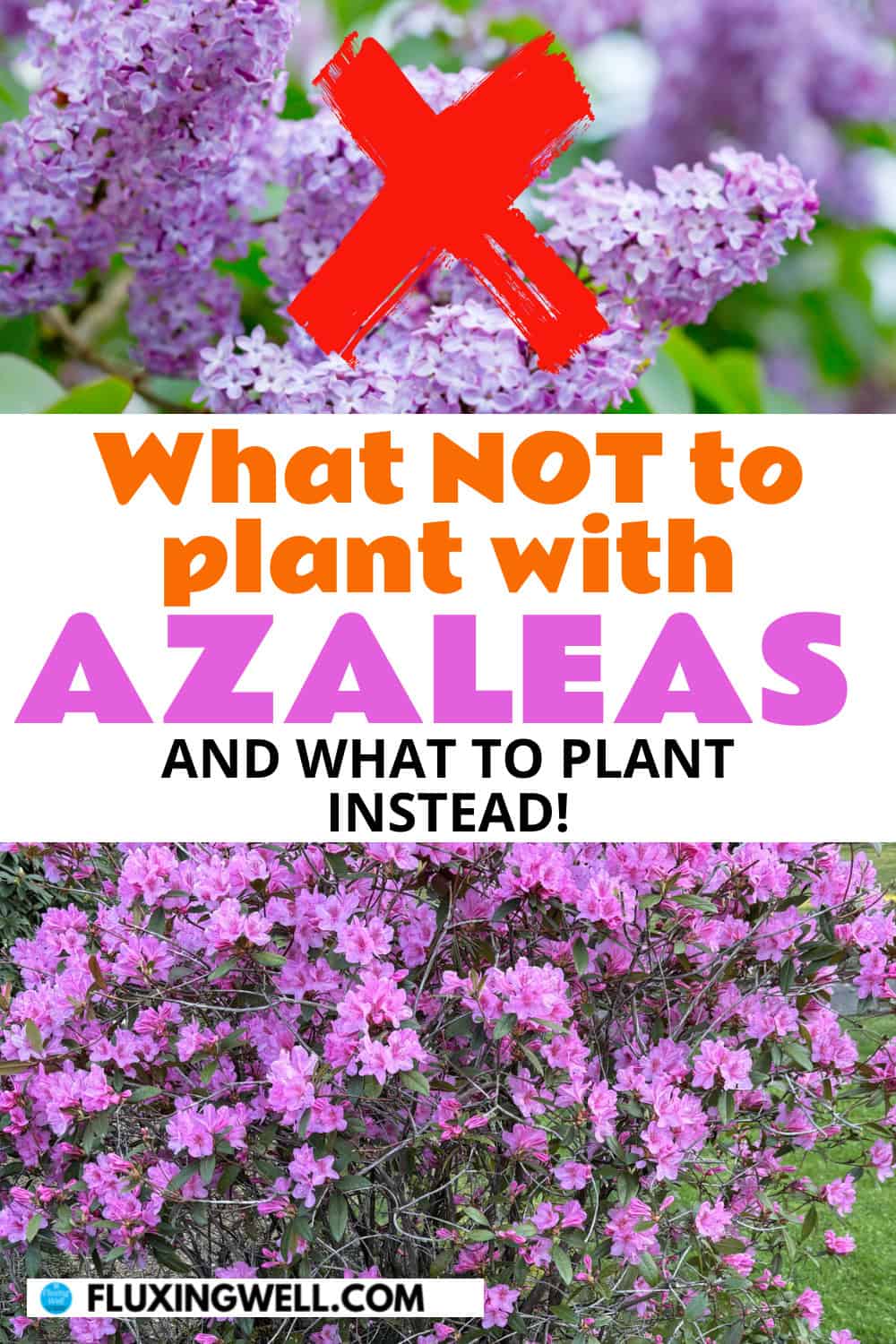
Due to soil and sun preference, some plants do not thrive in the same location as azaleas. Here are some examples of plants to avoid placing near azaleas in a garden landscape.
Lavender: Prefers dry, alkaline soil and full sun, which conflicts with azaleas’ need for acidic, consistently moist soil and partial shade.
Rosemary: Requires sharp drainage, drier conditions, and more sun than azaleas tolerate, leading to poor growth for one or both plants.
Sage: Thrives in dry, well-drained, often alkaline soil and full sun, making it incompatible with azalea soil and moisture needs.
Russian sage: Needs hot sun and dry soil, creating the opposite environment from the cool, moist, acidic conditions azaleas prefer.
Yarrow: Prefers lean, well-drained soil and full sun, and may struggle or rot in the richer, more moist soil used for azaleas.
Sedum (upright and creeping types): Requires excellent drainage and sunny exposure, which clashes with shaded, moisture-retentive azalea beds.
Daylilies: Perform best in full sun and average to slightly alkaline soil, and can become crowded or underperform in acidic shade.
Lilacs: Need full sun and neutral to alkaline soil to bloom well, conditions that are unsuitable for azalea health.
Walnut trees (nearby): Release juglone, a chemical that can inhibit growth of many plants, and their roots compete heavily for moisture and nutrients.
Quick Reference Azalea Companion Planting Chart
| Azalea Companion Plants | |
| Azalea Companion Plants: Flowers | Worst Azalea Companion Plants |
| Astilbe | Daylilies |
| Bleeding Heart (Dicentra) | Lavender |
| Foxglove | Lilacs |
| Hellebores | Rosemary |
| Impatiens | Russian sage |
| Lily of the Valley | Sage |
| Primroses | Sedum (upright and creeping types) |
| Walnut trees | |
| Azalea Companion Plants: Shrubs | Yarrow |
| Camellias | |
| Fothergilla | |
| Gardenias | |
| Heathers (Erica or Calluna) | |
| Hydrangea (shrub forms) | |
| Leucothoe | |
| Mountain laurel (Kalmia latifolia) | |
| Pieris japonica (Japanese Andromeda) | |
| Rhododendrons | |
Azalea Pests
Although I haven’t had many issues with pests, here are some to be on the lookout for, as well as common remedies.
Azalea lace bugs: Feed on leaf undersides, causing stippled, silvery foliage and dark droppings. Remedy: Spray undersides of leaves with insecticidal soap or neem oil regularly during active periods, and improve plant health by providing afternoon shade and consistent moisture.

Spider mites: Thrive in hot, dry conditions, causing stippling, bronzing, and fine webbing. Remedy: Increase humidity by hosing off foliage (especially undersides), and use insecticidal soap or miticide if infestations persist.
Aphids: Cluster on new growth, distort leaves, and produce honeydew that leads to sooty mold. Remedy: Wash off with a strong water spray, introduce beneficial insects like ladybugs, or use insecticidal soap.
Whiteflies: Feed on leaf undersides and produce sticky honeydew. Remedy: Use yellow sticky traps to monitor, spray insecticidal soap or neem oil on undersides, and remove heavily infested leaves.
Azalea caterpillars: Chew and can rapidly defoliate shrubs. Remedy: Handpick when visible, or treat young larvae with Bacillus thuringiensis (Bt), which targets caterpillars without harming beneficial insects.
Vine weevils (black vine weevil): Adults notch leaves; larvae damage roots. Remedy: Handpick adults at night, use beneficial nematodes in soil to target larvae, and ensure well-drained soil to reduce survival.

Scale insects: Attach to stems and leaves, sucking sap and weakening plants. Remedy: Prune heavily infested branches and apply horticultural oil during dormant or crawler stages to smother scales.
Thrips: Damage flowers and leaves, causing streaking and distortion. Remedy: Remove affected blooms, improve air circulation, and use insecticidal soap or spinosad if needed.
Leaf miners: Create tunnels or blotches inside leaves. Remedy: Remove and discard affected leaves early, and use organic insecticide to target larvae if infestations are severe.

Mealybugs: Form cottony clusters and excrete honeydew. Remedy: Dab with alcohol-soaked cotton swabs for small infestations, or use insecticidal soap or neem oil for broader control.
Azalea Diseases
Although azaleas have been easy for me to care for, there are a few diseases that can affect the growth of azaleas. If you encounter them, I’ve included remedies as well.
Petal blight (Ovulinia): Causes small spots on blooms that quickly turn flowers brown and mushy, often in cool, wet spring weather. Remedy: Remove and discard affected flowers promptly, avoid overhead watering, improve air circulation, and apply a preventative fungicide at bud stage if it’s a recurring issue.

Powdery mildew: Appears as a white or gray powdery coating on leaves, sometimes causing distortion or leaf drop. Remedy: Increase spacing and airflow, avoid overhead watering, and treat with neem oil, sulfur, or a labeled fungicide at the first sign.
Leaf gall (Exobasidium): Produces thickened, curled, pale green or pinkish galls on leaves and buds. Remedy: Handpick and destroy galls before they turn white and release spores; no spray is usually needed if removed early.
Root rot (Phytophthora): Leads to wilting, yellowing leaves, poor growth, and dark, rotted roots in poorly drained soil. Remedy: Improve drainage immediately, avoid overwatering, plant in raised beds if needed, and remove severely infected plants; preventative fungicides may help in early stages.
Dieback (Botryosphaeria): Causes branch tips to wilt and die, with discolored wood under bark, often entering through wounds or stress. Remedy: Prune out affected branches well below damaged tissue, disinfect tools, and reduce plant stress with proper watering and mulching.
Leaf spot (Cercospora and others): Small brown, tan, or purplish spots on leaves that may lead to premature leaf drop. Remedy: Remove fallen leaves, improve air circulation, avoid wetting foliage, and use a fungicide if spotting is severe.
Rust: Orange, yellow, or rusty pustules on leaf undersides with pale spots above. Remedy: Remove infected leaves, increase airflow, and apply sulfur or another labeled fungicide if the problem spreads.
Sooty mold: Black, sooty coating on leaves growing on honeydew left by insects like aphids or scale. Remedy: Control the insect source first, then wash leaves gently with water to remove residue.
Iron chlorosis (nutrient-related but common): Leaves turn yellow with green veins due to high soil pH limiting iron uptake. Remedy: Lower soil pH with soil sulfur, use acid-forming fertilizers, and apply chelated iron as a quick fix.
Southern blight: Sudden wilting with white fungal growth and small tan spheres at soil line. Remedy: Remove infected plants and surrounding soil, improve drainage, avoid heavy mulch against stems, and rotate planting areas if possible.
Tips for Planting and Caring for Azaleas
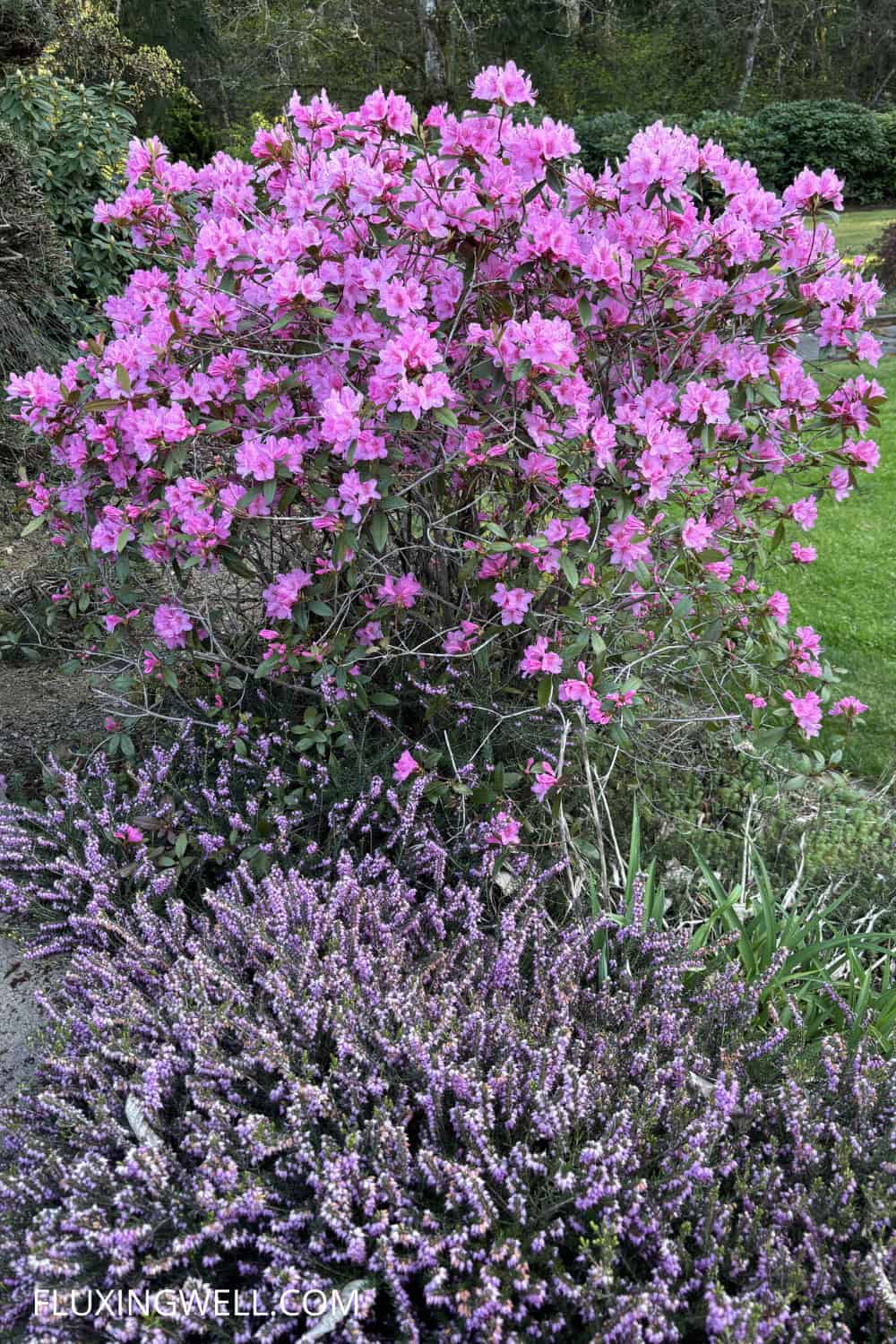
Where to plant: Choose a spot with partial shade, especially morning sun and afternoon protection, in well-drained, acidic soil rich in organic matter. Avoid low spots where water collects and areas with reflected heat from walls or pavement. In the photo above, an azalea in our front landscape is planted in a raised area above our front lawn next to one of its favorite companion plants, heather.
When to plant: Plant in early spring or fall when temperatures are mild. This allows roots to establish before summer heat or winter cold.
Watering: Keep soil consistently moist but never soggy. Water deeply and slowly at the base rather than frequent shallow watering. Mulch 2–3 inches deep to retain moisture and keep roots cool.
Spacing: Space plants to allow mature width plus airflow, usually 2–6 feet apart depending on variety. Good circulation helps prevent fungal diseases.
Fertilizing: Use a fertilizer formulated for acid-loving plants after bloom in spring. Avoid overfertilizing, which can damage shallow roots. Compost or leaf mold also works well.
Overwintering: Maintain mulch to insulate shallow roots, water well before the ground freezes, and protect from winter wind and sun with burlap screens if exposed. Avoid late-season fertilizing that can trigger tender growth.
Varieties of Azaleas
Encore Azaleas: Rebloom multiple times from spring to fall, offering long-lasting color. They are disease-resistant and tolerant of heat and humidity, making them versatile for many landscapes.
Southern Indica Azaleas: Large, showy blooms in late spring to early summer. They thrive in warmer climates and provide bold color in foundation plantings or massed beds.
Kurume Azaleas: Compact and evergreen with abundant early spring flowers. Ideal for small gardens, borders, or container planting, and they tolerate partial shade well.
Satsuki Azaleas: Late-spring bloomers with wide color variety and multi-colored flowers. Popular for bonsai or ornamental garden displays because of their fine foliage and flower patterns.
Girard Azaleas: Known for cold tolerance and prolific bloom in mid to late spring. They offer reliable performance in northern climates and are disease-resistant.
Hino Crimson Azaleas: Dwarf, rounded shrubs with vibrant red flowers in spring. Perfect for front-of-bed planting, rock gardens, or foundation accents.
‘George L. Tabor’ Azalea: Fragrant, bright pink flowers with dense growth. Great for mass plantings or as a hedge for continuous color display.
Southern Indian Azaleas (‘Gumpo White’): Small, compact shrubs with early-spring blooms. Ideal for foundation planting, containers, or low hedges in warmer climates.
Need More Planting Ideas?
Check out the tips for the best companion plants for eggplant to learn what to grow with those beauties. If you like the idea of companion planting, you might be interested in reading about the best companion plants for pumpkins, sunflowers, garlic, asparagus, rosemary, radishes, beetroot (beets), thyme, parsley, lupine, carrots, borage, peonies, apple trees, or the best companion plants for lavender. Get tips for growing stunning dahlias or vintage roses. Are you a beginning gardener? Try planting some foolproof, easy-care perennials, or learning about the best companion plants for columbine. There are so many exciting plants to grow!
Keep Track of Your Garden with a Journal Logbook
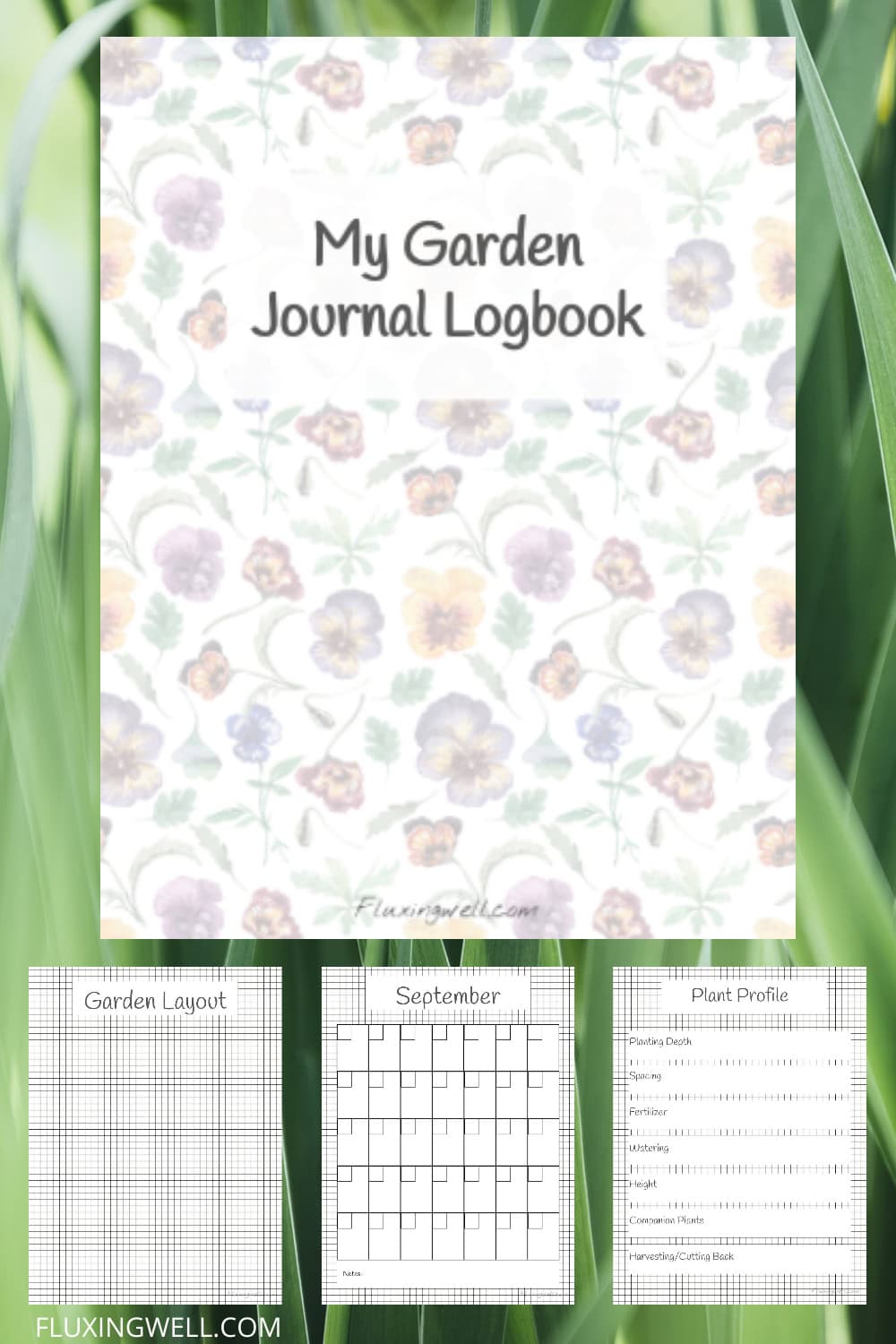
Now that you have learned about some compatible companion plants, keep track of your planting ideas, goals, and plans with a printable, editable free garden journal logbook. Choose the pages you want to use and customize them as you wish to record monthly, weekly, and daily garden tasks, lists, weather, and planting arrangements. There are also grid pages for easily designing the layout of your vegetable garden, flower garden, or landscape. Print it out and put it into a notebook you can take with you to the garden (that’s what I do). It’s nice to have all of your garden information in one place.
Free Online Garden Planner Layout Template

Now that you know which are the best companion plants for stevia, you might need a way to plan your garden layout. Whether you are planting vegetables, flowers, or herbs near your lupine plants, this online garden planner can help you visualize your design and bring it to life. Arrange and rearrange the plants over and over, then print the layout when you are satisfied. With garden tasks that need your attention, this is one way to save time.
Have a wonderful week, and may all of your azalea-growing endeavors meet with success!

Lisa Mitchell is a wife, mom, and school librarian who likes to grow fruit, herbs, vegetables, and flowers on her family’s small Pacific Northwest farm. To learn more about what this website has to offer gardeners, click on over to the Garden page.
Want more great garden, food, or travel ideas? Follow FluxingWell on Pinterest, Facebook, Instagram, and X for the latest posts, tips, and inspiration.
Thank you for this detailed and helpful post of the best companion plants for azaleas. I love the colors and how easy they are to care for! Great tips of what companion plants work well and which to avoid, too!
I’m so happy you found the information about azaleas helpful.
Thanks for the expert tips about azalea companion plants and some to avoid. Azalea is such a beautiful plant. I like the fact that camellias and gardenias, which I love, make good companion plants.
Yes, those plants are favorites of mine as well. Happy azalea growing!
What a valuable resource on azalea companion plants! Thanks so much for sharing–I think the information about what NOT to plant with them is every bit as helpful as what to plant nearby.
Thank you! I’m so glad you found the tips helpful.
Love this post about azalea companion plants! Thank you for sharing what not to plant with azaleas as well. Azaleas are perfect for the garden zone I live in.
Awesome! Yes, I love the easy-care aspect of azaleas. plus they fit into my favorite garden color scheme. Happy azalea-growing!