
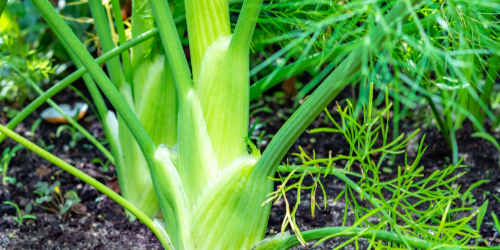
Curious about fennel companion plants and how they fit into your veggie garden? Whether you’re just starting out with growing fennel or already love adding this aromatic fennel plant to your edible garden, understanding what fennel is and how it interacts with nearby crops can make all the difference. The truth is, fennel does not always get along well with other plants. After writing nearly 50 posts about companion plants for various flowers, herbs, vegetables, fruit trees, and shrubs that grow in my USDA Garden Zone 8 small farm, I noticed that fennel was often listed as a bad companion plant. So what does fennel get along well with? Read on for ideas about pairing it with other herbs, flowers, and vegetables. I also give practical tips about how to use fennel and fresh fennel cooking tips. If you enjoy cooking with fennel, you’ll discover simple ways to grow, harvest, and make the most of this flavorful favorite.
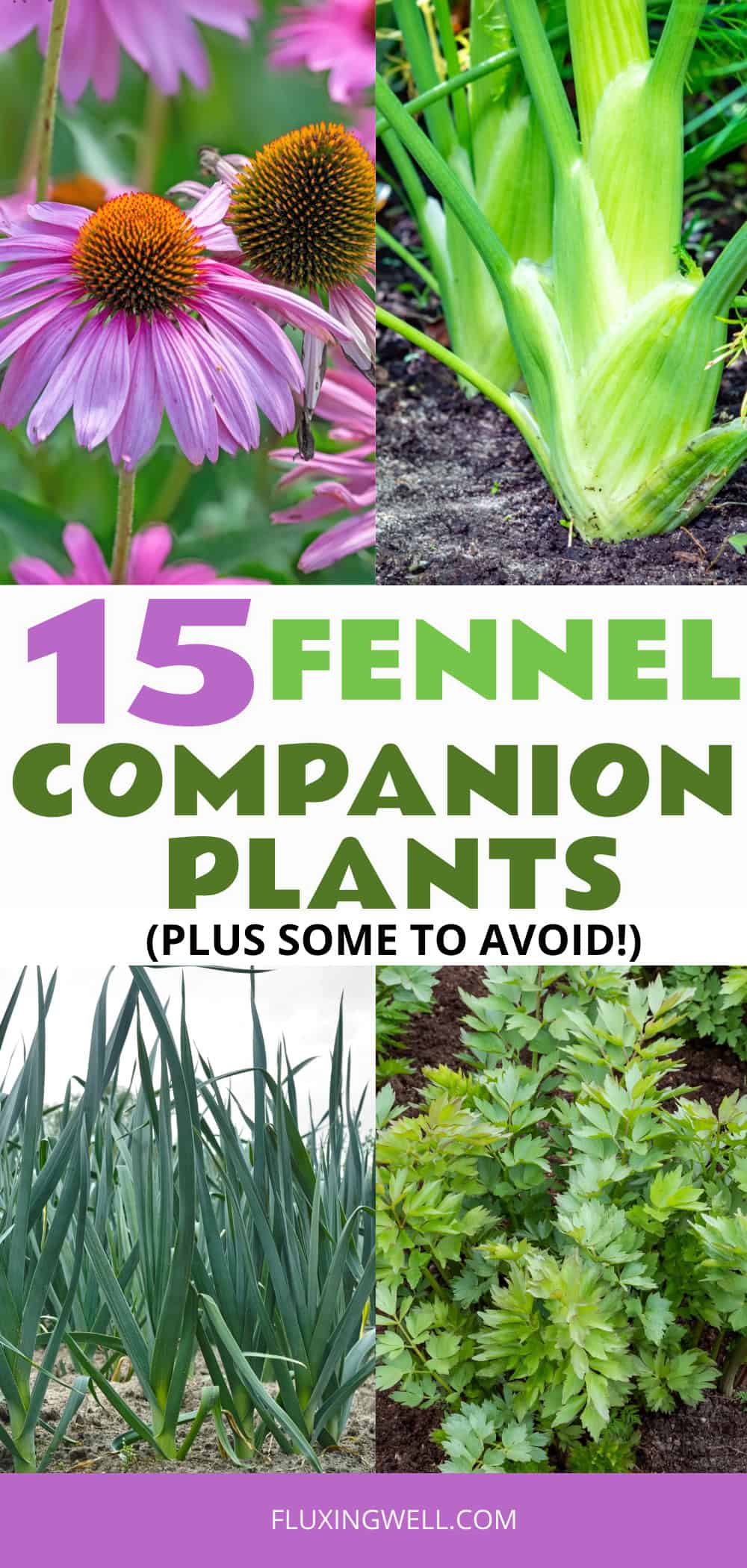
What is Fennel
Fennel is a fragrant, edible plant known for its mild licorice-like flavor. It belongs to the carrot family and produces feathery green leaves, yellow umbrella-shaped flowers, and either a swollen bulb or tall stems, depending on the variety. The bulb, stalks, fronds, and seeds are all used in cooking, making it a versatile addition to an edible garden. I appreciate fennel’s subtle flavor in Italian sausage, and enjoy popping a seed or two in my mouth every once in a while. Let’s get started with learning which plants fennel can have as neighbors so you can grow your own.
Fennel Companion Plants: Flowers
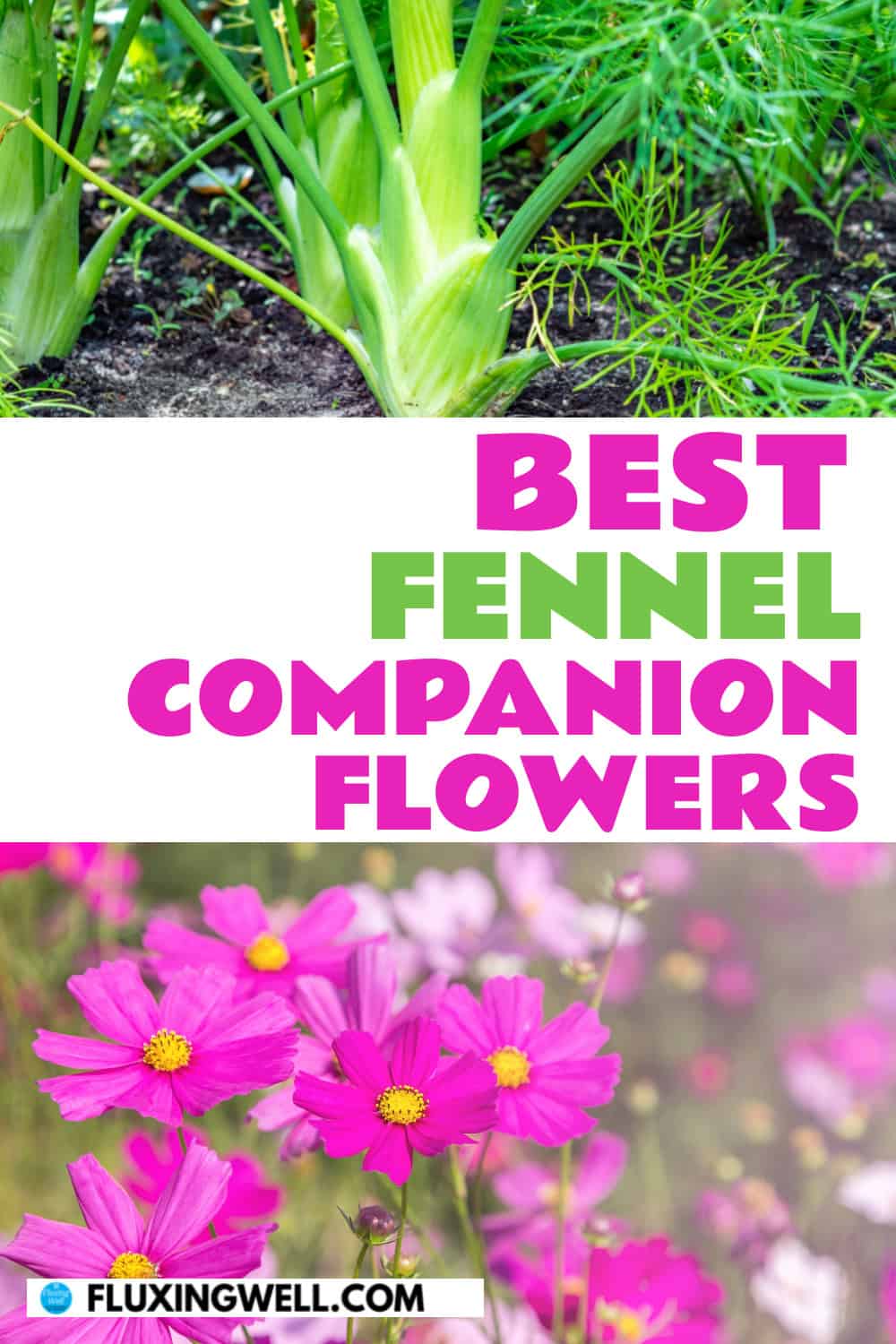
The list is short, but here are some reliable floral fennel companions:
Nasturtium: Acts as a trap crop for aphids, drawing them away from fennel
Cosmos: Brings in pollinators and beneficial insects that support a healthy garden ecosystem
Chamomile: Attracts hoverflies and parasitic wasps that help control harmful insects
Yarrow: Lures predatory insects and improves overall biodiversity near fennel
Echinacea: Draws pollinators and beneficial insects while adding diversity to the garden
Sweet alyssum: Attracts hoverflies and other beneficial insects that prey on pests
Fennel Companion Plants: Herbs
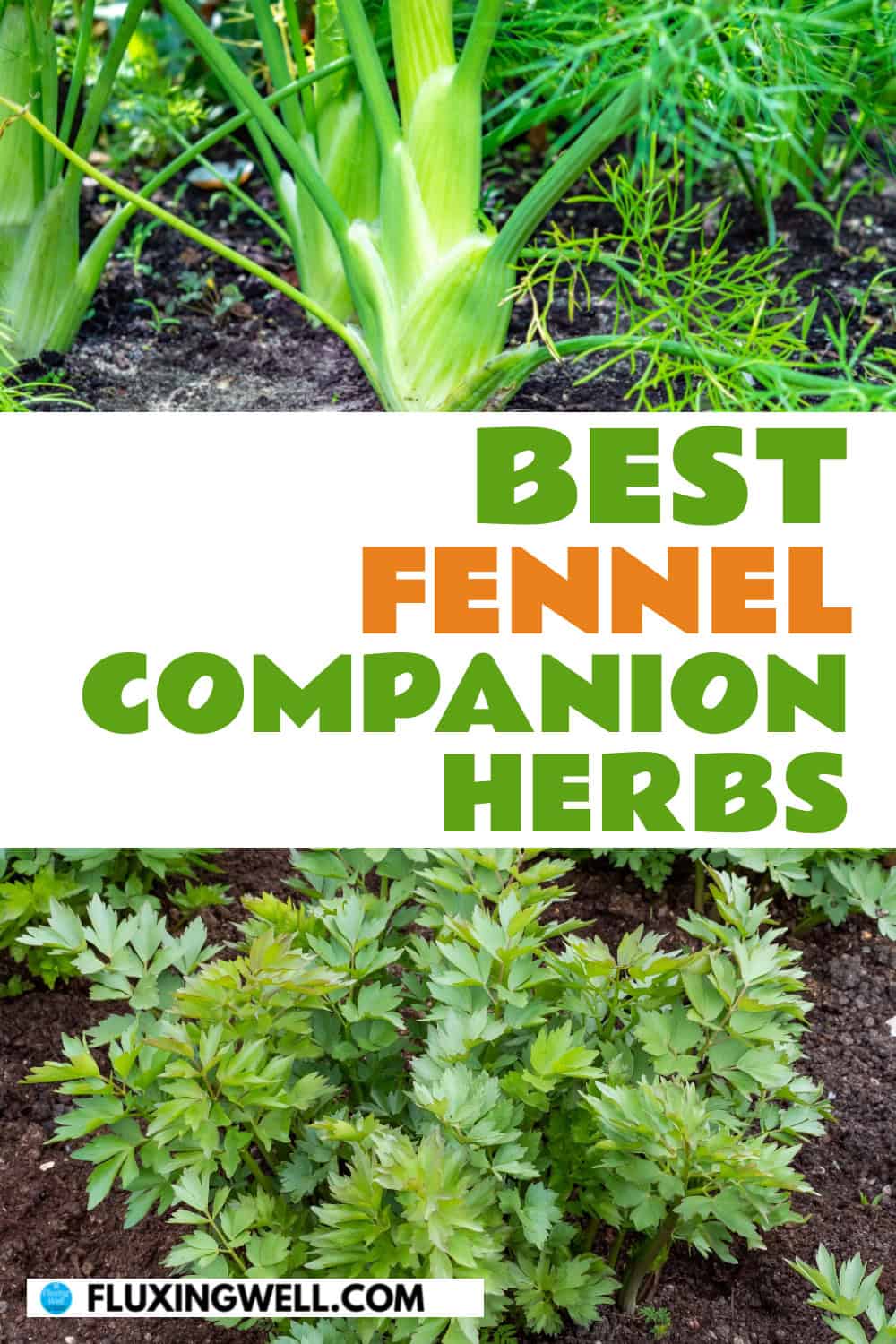
Fennel grows well alongside a few herbs. Here are some popular fennel herbal companions:
Cilantro: Draws hoverflies and other beneficial insects that support pest control
Chamomile: Brings in pollinators and beneficial insects that improve garden health
Chervil: Encourages beneficial insect activity and thrives in similar growing conditions
Anise: Supports pollinators and shares similar care needs with fennel
Lovage: Attracts beneficial insects and adds diversity to the herb garden
Fennel Companion Plants: Vegetables
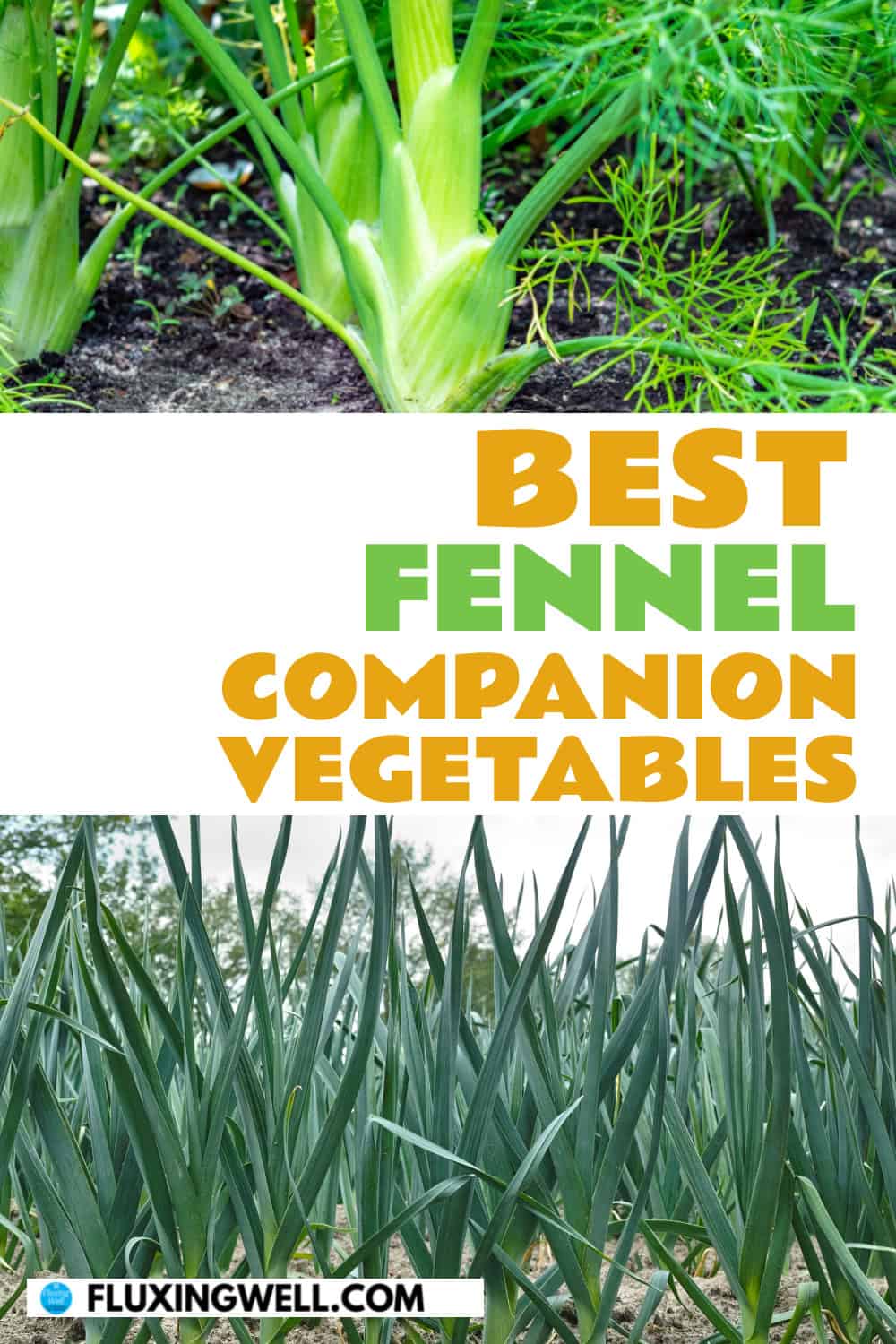
Fennel does have difficulty growing with some vegetables, as it has been known to inhibit growth, but here are a few veggies that don’t mind having fennel in the neighborhood:
Lettuce: Grows quickly and can benefit from fennel’s light shade in warm weather
Spinach: Thrives in similar conditions and can help cover soil to retain moisture
Kale: Tolerates nearby planting and benefits from a diverse garden ecosystem
Onions: Strong scent may help deter some pests and uses different soil layers
Leeks: Similar to onions, they occupy different space and can help with pest balance
What Not to Plant With Fennel
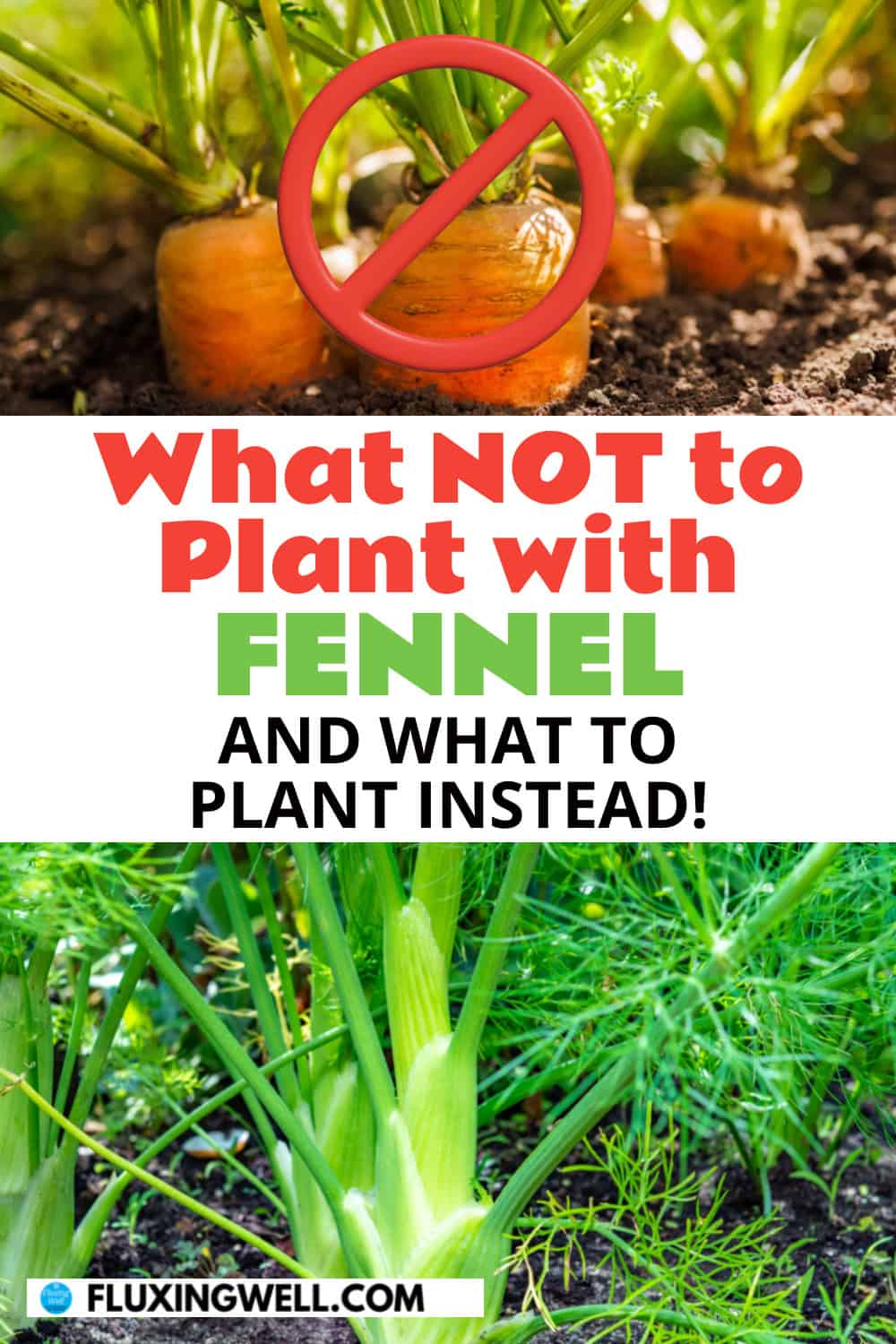
Fennel is generally considered a poor companion (especially to many vegetables) due to its ability to suppress nearby plants. Here are some that are notorious for needing to stay away from fennel:
Tomatoes: Fennel releases compounds that can inhibit tomato growth and reduce yields
Beans: Growth can be stunted due to fennel’s allelopathic effects
Peppers: May struggle to thrive when planted too close to fennel
Eggplant: Sensitive to fennel’s root chemicals and can show poor development
Carrots: Closely related and may cross-pollinate or compete heavily for nutrients
Potatoes: Can experience reduced growth when near fennel
Coriander: Often negatively affected by fennel’s presence despite being in the same family
Quick Reference Fennel Companion Plants Chart
If you are unsure about a fennel companion plant that is not listed, you can always plant fennel in a container. For now, here’s a companion plant chart of the good and bad fennel companion plants that I know about. If you have experience with growing fennel with other plants that are not on the list, I’m always happy to edit and revise to include a wider variety of plant specimens.
| Fennel Companion Plants | |
| Fennel Companion Plants: Flowers | Fennel Companion Plants: Herbs |
| Chamomile | Anise |
| Cosmos | Chervil |
| Echinacea | Cilantro |
| Nasturtiums | Lovage |
| Sweet alyssum | |
| Yarrow | Worst Fennel Companion Plants |
| Beans | |
| Fennel Companion Plants: Vegetables | Carrots |
| Leeks | Coriander |
| Lettuce | Eggplant |
| Kale | Peppers |
| Onions | Potatoes |
| Spinach | Tomatoes |
Frequently Asked Questions About Fennel
Where is the best place to plant fennel?
The best place to plant fennel is in a sunny, well-drained spot with fertile soil and plenty of space away from other plants. Because fennel can inhibit the nearby growth of a variety of plants (as previously noted), it’s ideal to give it its own area or plant it along the edge of your garden or in a separate bed within your edible garden.
When is the best time to plant fennel?
The best time to plant fennel is in early spring after the last frost, or in late summer for a fall harvest. It prefers cooler temperatures for germination and early growth, so avoid planting during the peak heat of summer.
Will fennel grow back every year?
Fennel can grow back every year, but it depends on the type and your climate. Herb fennel is a perennial in mild climates and will return each year, while bulb fennel is usually grown as an annual and replanted each season. In colder areas, even perennial fennel may die back in winter but can regrow in spring if the roots survive.
Will fennel planted from seed turn into a bulb?
Not always. Whether fennel grown from seed forms a bulb depends on the variety. Florence fennel (also called bulb fennel) is specifically bred to produce a swollen, edible bulb, while common or herb fennel grows tall and feathery without forming a true bulb. Always check the seed packet to be sure you’re planting a bulb-forming type if that’s what you want.
Common Pests of Fennel
Fennel is generally easy to grow, but a few common garden pests can show up, especially in warm weather or crowded beds. Keeping fennel well-spaced, watered properly, and free of debris goes a long way in preventing most pest issues.
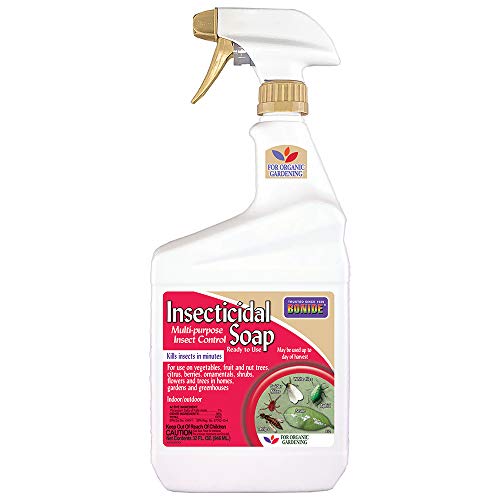
Aphids: These tiny sap-sucking insects cluster on stems and fronds, causing curling leaves and sticky residue. A strong spray of water or insecticidal soap usually keeps them under control.
Caterpillars (especially swallowtail butterfly larvae): These green, striped caterpillars love fennel and can quickly chew through foliage. They’re often left alone since they turn into beautiful pollinators, but you can hand-pick them if damage is heavy.
Spider mites: These microscopic pests thrive in hot, dry conditions and cause yellow speckling on leaves along with fine webbing. Increasing humidity and rinsing plants regularly helps prevent infestations.
Cutworms: These larvae live in the soil and chew through young fennel stems at the base, often killing seedlings overnight. Using collars around young plants can help protect them.

Slugs and snails: They feed on tender young growth, leaving ragged holes. Hand-picking, barriers, or organic slug bait can help manage them.

Common Diseases of Fennel
Fennel is fairly resilient, but a few common plant diseases can affect it, especially in damp or crowded growing conditions. Giving plants plenty of space and watering carefully makes a big difference in keeping them healthy.
Powdery mildew: This fungal disease shows up as a white, dusty coating on leaves and stems, often in warm, dry weather with poor airflow. Prevent it by spacing plants well and watering at the base; treat with neem oil or a baking soda spray if needed.

Downy mildew: Unlike powdery mildew, this appears as yellow patches on the tops of leaves with grayish fuzz underneath, usually in cool, humid conditions. Good air circulation and avoiding overhead watering help reduce risk.
Root rot: Caused by overly wet soil and poor drainage, root rot leads to wilting, yellowing, and eventual plant collapse. Plant fennel in well-draining soil and avoid overwatering to prevent this issue.
Leaf blight: This causes brown or black spots on foliage that can spread and kill leaves. Removing affected leaves and keeping the garden clean helps limit spread.
Damping-off: A common problem for seedlings, this disease causes young fennel plants to suddenly collapse at the soil line. Using clean soil, proper spacing, and good drainage helps prevent it.
How to Harvest Fennel
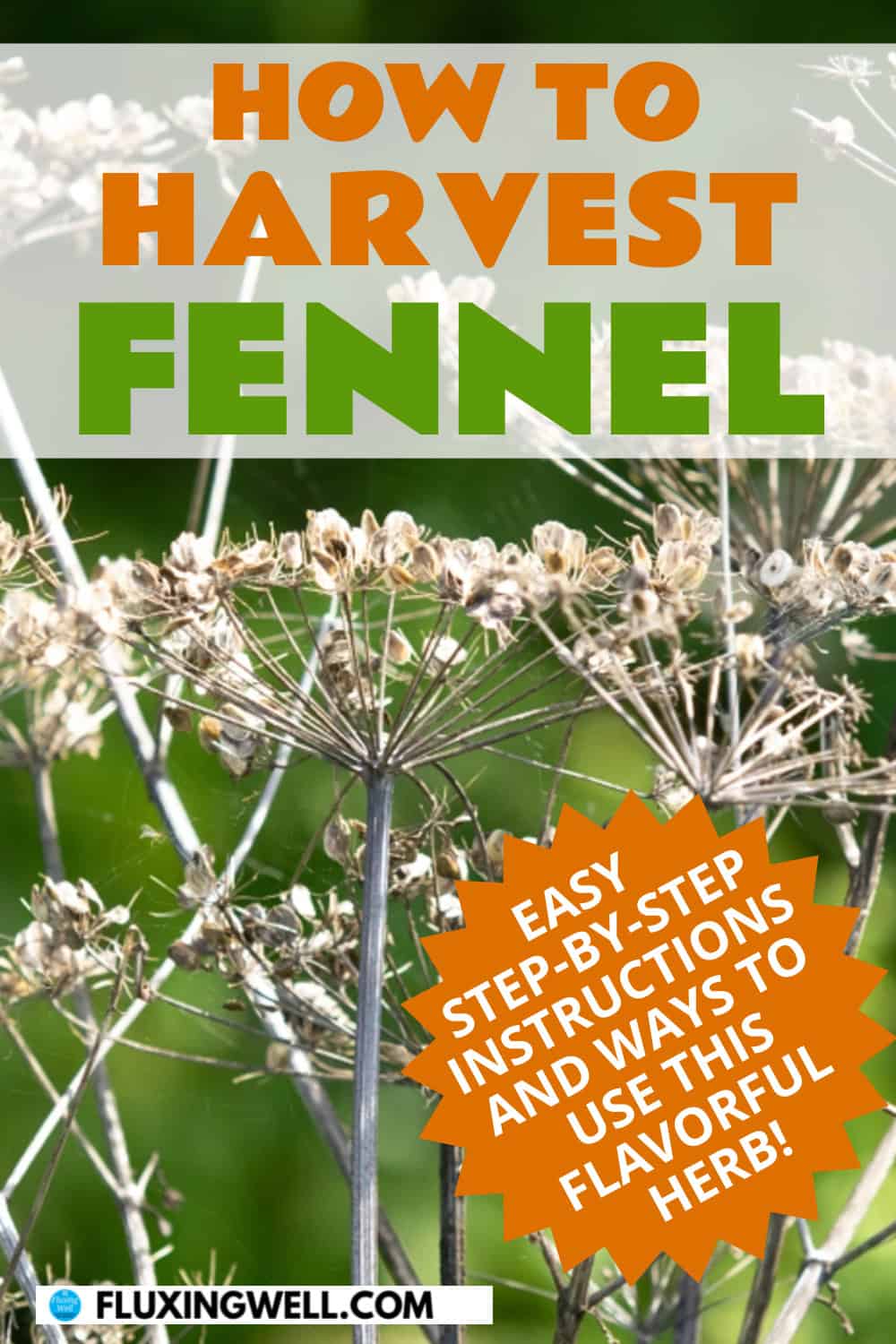
Harvest fennel based on the type you’re growing. For bulb fennel, cut the bulb at soil level when it’s about tennis ball size, before it becomes tough or starts to split. You can trim off the stalks and fronds, leaving a small portion of the base in the ground, and it may produce smaller side shoots.
For herb fennel, snip the feathery fronds as needed once the plant is established, taking no more than a third at a time to keep it healthy. If you want seeds, allow the plant to flower and dry, then cut the seed heads and let them finish drying before collecting.
Uses for Fennel and Cooking Tips
Fennel is incredibly versatile in the kitchen. The bulb can be thinly sliced and added to salads, roasted, or sautéed for a sweet, mild flavor. The feathery fronds make a fresh garnish or can be chopped into sauces and dressings. Fennel seeds add a warm, licorice-like note to baked goods, spice blends, and teas. You can also braise the stalks or include them in soups and stews for subtle depth.
Need More Planting Ideas?
Check out the tips for the best companion plants for eggplant to learn what to grow with those beauties. If you like the idea of companion planting, you might be interested in reading about the best companion plants for pumpkins, sunflowers, garlic, asparagus, rosemary, radishes, beetroot (beets), thyme, lupine, borage, stevia, or the best companion plants for lavender. Get tips for growing stunning dahlias. Are you a beginning gardener? Try planting some foolproof, easy-care perennials, or learning about the best companion plants for columbine. There are so many exciting plants to grow!
Keep Track of Your Garden with a Journal Logbook
Now that you have learned about some compatible companion plants, keep track of your planting ideas, goals, and plans with a printable, editable free garden journal logbook. Choose the pages you want to use and customize them as you wish to record monthly, weekly, and daily garden tasks, lists, weather, and planting arrangements. There are also grid pages for easily designing the layout of your vegetable garden, flower garden, or landscape. Print it out and put it into a notebook you can take with you to the garden (that’s what I do). It’s nice to have all of your garden information in one place.
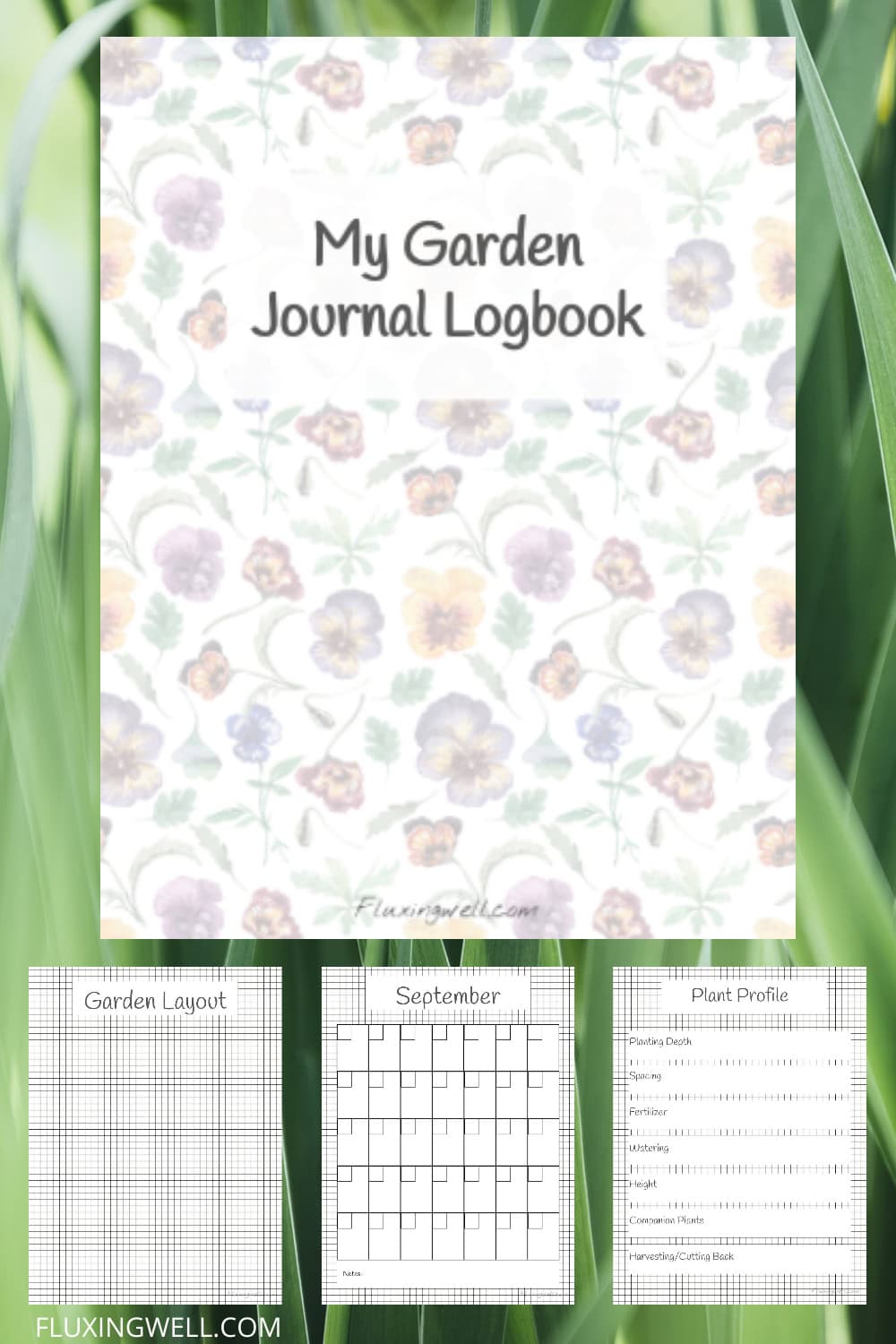
Get the garden journal logbook!
Free Online Garden Planner Layout Template
Now that you know which are the best companion plants for parsley, you might need a way to plan your garden layout. Whether you are planting vegetables, flowers, or herbs near your parsley plants, this online garden planner can help you visualize your design and bring it to life. Arrange and rearrange the plants over and over, then print the layout when you are satisfied. With garden tasks that need your attention, this is one way to save time.

It’s fully customizable when you make your own copy and includes two editable chart pages for noting planting specifications.
Get my free online garden layout planner template!
Have a wonderful week, and may all of your fennel-growing endeavors meet with success!

Lisa Mitchell is a wife, mom, and school librarian who likes to grow fruit, herbs, vegetables, and flowers on her family’s small Pacific Northwest farm. To learn more about what this website has to offer gardeners, click on over to the Garden page.
Want more great garden, food, or party ideas? Follow FluxingWell on Pinterest, Facebook, Instagram, and X for the latest posts, tips, and inspiration.
Thank you for this helpful list of fennel companion plants as well as some to avoid. Great tip to plant fennel in a container if I’m unsure if there is a suitable companion plant near it.
You are welcome, and yes, if you are unsure, growing fennel in a container is a great way to go.
Love these ideas. Fennel is a tasty addition to meals but never thought of growing it. You’ve given me some ideas of what I could do. Thanks.
Excellent! You’re so welcome. Happy planting!
I love fennel, and it is good to learn about its best companion plants. I love that you mentioned cosmos and chamomile among the fennel companion flowers because I like both of them. Thanks for these excellent gardening tips!
You are very welcome. Cosmos is so easy to grow, and chamomile makes a nice addition to any garden as well. Happy gardening!
Love these ideas about fennel companion plants. I’ll admit, fennel does seem like an outcast sometimes. Good to know there are some plants it can be near.
Yes, fennel is rather picky about its neighbors. If you’re not sure about where to plant your fennel, try planting it along the edge of the garden area, to be safe. Happy gardening!