
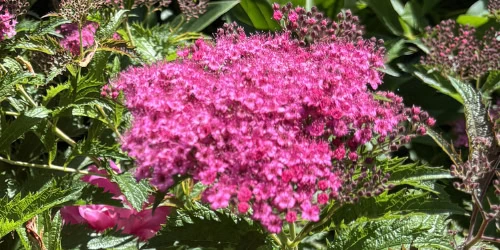
Looking to elevate your garden design with stunning spirea companion plants? Whether you’re growing a delicate spirea flower, shaping a bold spirea shrub, or dreaming up fresh spirea bush landscaping ideas, choosing the right neighbors for your spirea plant can make all the difference. From creating dreamy cottage garden plants pairings to exploring lush shrub garden ideas, we’ll show you how to highlight everything from vibrant Japanese spirea to classic varieties. Discover what thrives together, get tips on how to grow spirea plants, and learn the best practices for pruning spirea bushes so your garden blooms beautifully all season long.
Why I Love Spirea
Spirea is a versatile deciduous shrub known for its clusters of small, colorful flowers that bloom in spring or summer. I love its easy care and attractive, arching branches. Spirea adds texture and vibrant color to our perennial garden and flower garden borders in different places around our yard. It comes in many varieties, including popular types like Japanese spirea, and fits well with my cottage garden style. Its adaptability, low maintenance, and beautiful blooms make spirea a favorite in our USDA Zone 8b Pacific Northwest landscape. Read on to learn all about what grows well with this low-maintenance, reliable bloomer.
Spirea Companion Flowers
Here are some attractive flowers that grow well with spirea to enhance a low-maintenance garden plan.
Coneflower: adds height and bold color contrast to complement spirea’s soft blooms
Salvia: attracts pollinators while offering vertical texture alongside low-growing spirea
Coreopsis: shares similar sun and soil needs, creating a bright, carefree garden look
Black-eyed Susan: blooms at the same time, enhancing seasonal color and fullness
Daylily: fills in garden gaps with lush foliage and long-lasting blooms
Russian Sage: brings airy structure and a silvery tone that highlights spirea flowers
Shasta Daisy: adds cheerful white blooms that pop against spirea’s colorful flowers
Catmint: its low, spreading habit pairs well with spirea’s mounding shape
Yarrow: drought-tolerant and feathery, it softens the edges around spirea shrubs
Spirea Companion Herbs
Spirea fits right in with herbs in a potager garden. Here are some worthy companions.
Lavender: shares similar sun and soil preferences while adding fragrance and soft purple blooms
Thyme: its low-growing habit makes it an ideal groundcover around spirea plants
Sage: offers silvery foliage and upright form that contrasts nicely with spirea’s shape
Oregano: spreads gently and fills in garden spaces with texture and subtle blooms
Chives: their upright, grassy look adds vertical interest and attracts pollinators
Rosemary: its woody structure and evergreen nature complement the seasonal blooms of spirea
Lemon balm: adds lush greenery and attracts beneficial insects without overwhelming the spirea shrub
Spirea Companion Shrubs
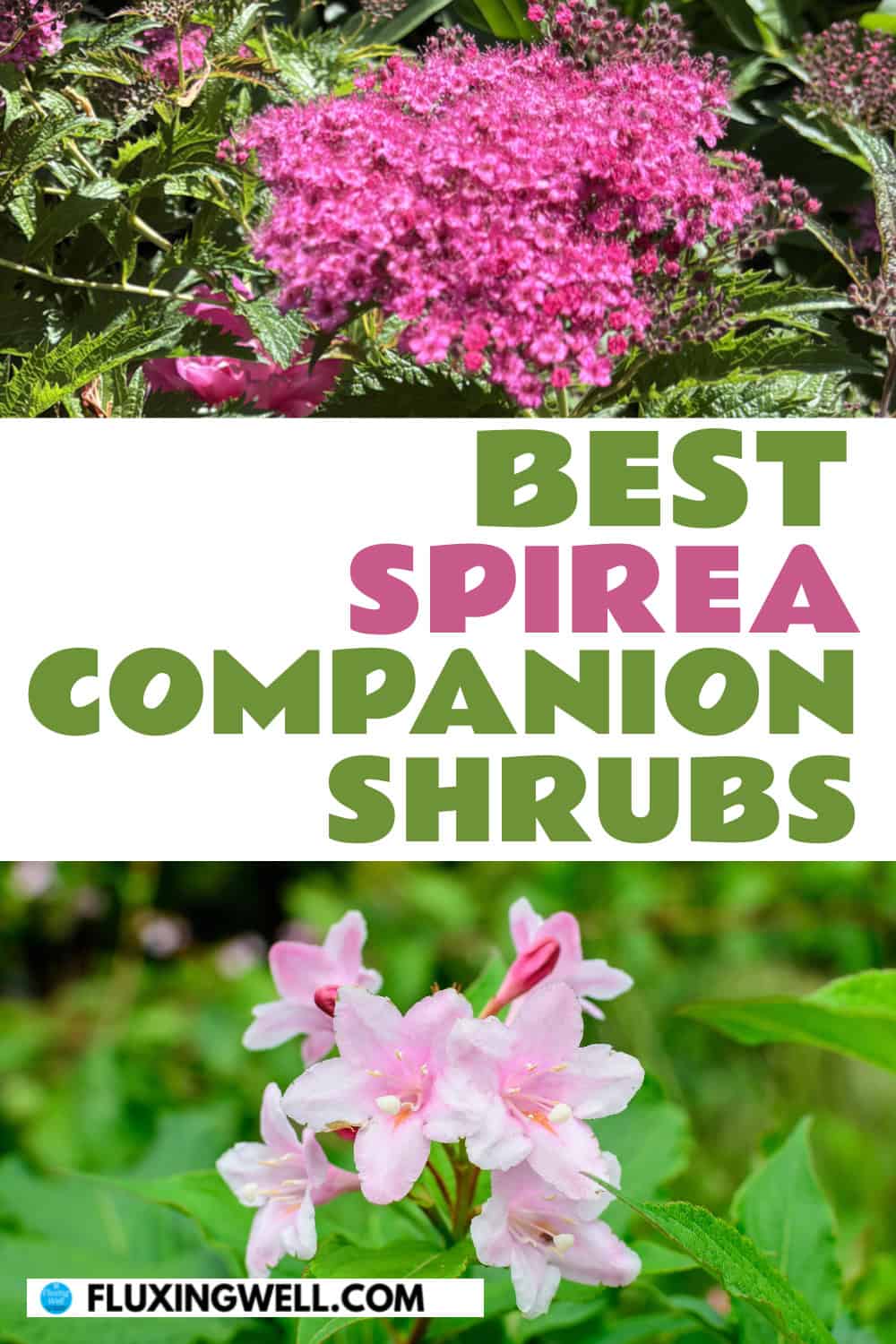
Spirea grows well amongst a variety of shrubs in borders or garden beds. Here are some easy-care options to try.
Weigela: blooms at similar times and complements spirea with its colorful, tubular flowers
Barberry: adds striking foliage color and texture while thriving in similar growing conditions
Ninebark: brings rich foliage tones and layered height for a dramatic backdrop to spirea
Potentilla: shares spirea’s low-maintenance nature and offers continuous blooms
Lilac: adds height and fragrance while blooming slightly earlier, extending seasonal interest
Forsythia: bright spring flowers precede spirea’s bloom, creating a long flowering sequence
Mock Orange: provides fragrant white blooms and pairs well with spirea in mixed shrub borders
What Not to Plant with Spirea
While spirea grows well with many plants, there are a few that are not ideal companions. These include:
Boxwood: competes heavily for nutrients and water, potentially overshadowing spirea’s growth
Ferns: prefer much shadier, moister conditions than spirea, leading to mismatched care needs
Hostas: thrive in shade and moist soil, which contrasts with spirea’s preference for sunnier, drier spots
Azaleas: require acidic soil and more moisture, which can conflict with spirea’s adaptable but less acidic needs
Hydrangeas: may compete for space and water, and their dense foliage can crowd spirea shrubs
Junipers: have different water and soil preferences, potentially stressing spirea when planted too close
Rhododendrons: prefer acidic, shaded, and moist environments unlike the sunnier, well-drained conditions spirea favors
Quick Reference Spirea Companion Plant Chart

| Spirea Companion Plants | |
| Spirea Companion Plants: Flowers | Spirea Companion Plants: Herbs |
| Black-eyed Susan | Chives |
| Catmint | Lavender |
| Coneflower | Lemon balm |
| Coreopsis | Oregano |
| Daylily | Rosemary |
| Russian Sage | Sage |
| Salvia | Thyme |
| Shasta Daisy | |
| Yarrow | Worst Spirea Companion Plants |
| Azaleas | |
| Spirea Companion Plants: Shrubs | Boxwood |
| Barberry | Ferns |
| Forsythia | Hostas |
| Lilac | Hydrangeas |
| Mock Orange | Junipers |
| Ninebark | Rhododendrons |
| Potentilla | |
| Weigela | |
Common Spirea Questions
How much water does spirea need?
Spirea needs moderate watering, with newly planted shrubs requiring deep watering once or twice a week until established. Once mature, spirea is fairly drought-tolerant and typically needs about an inch of water per week, either from rainfall or irrigation. During hot, dry periods, increase watering to keep the soil lightly moist but not soggy. Let the top inch of soil dry out between waterings to prevent root issues and promote healthy growth.
When is the best time to plant spirea?
The best time to plant spirea is in early spring or fall, when temperatures are cooler and rainfall is more consistent. Planting in spring gives the shrub a full growing season to establish roots, while fall planting allows it to settle in before winter dormancy. Avoid planting during extreme heat or drought to reduce transplant stress and ensure healthy growth.
Where is the best place to plant spirea?
Spirea grows best in a location that receives full sun to partial shade, ideally with at least 4 to 6 hours of direct sunlight daily. It prefers well-draining soil and can tolerate a variety of soil types, though it thrives in moderately fertile, slightly acidic to neutral soil. Planting spirea in areas with good air circulation helps prevent disease, and it works well in shrub borders, cottage gardens, or mixed perennial beds where its colorful blooms and foliage can shine.
Pruning Spirea
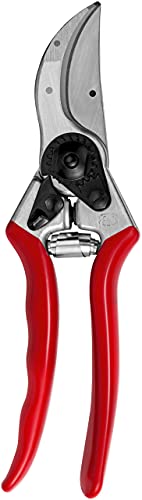
To prune spirea, wait until late winter or early spring before new growth begins. Use clean, sharp pruning shears to remove dead or damaged branches and shape the shrub by cutting back about one-third of the oldest stems to encourage fresh growth and better flowering. For varieties that bloom on new wood, you can also lightly trim after flowering to maintain a neat shape. Regular pruning helps keep spirea healthy, promotes fuller blooms, and prevents the shrub from becoming too leggy. Felco pruners help me be efficient with pruning spirea.
Propagating Spirea

Spirea can be propagated easily through softwood cuttings taken in late spring or early summer. Select healthy, non-flowering shoots about 4-6 inches long, remove the lower leaves, and dip the cut end in rooting hormone before planting it in a well-draining potting mix. Keep the soil moist and place the cuttings in a bright, indirect light area until roots develop, usually within a few weeks. Once rooted, transplant the new plants outdoors after they’ve established strong growth.
Varieties of Spirea
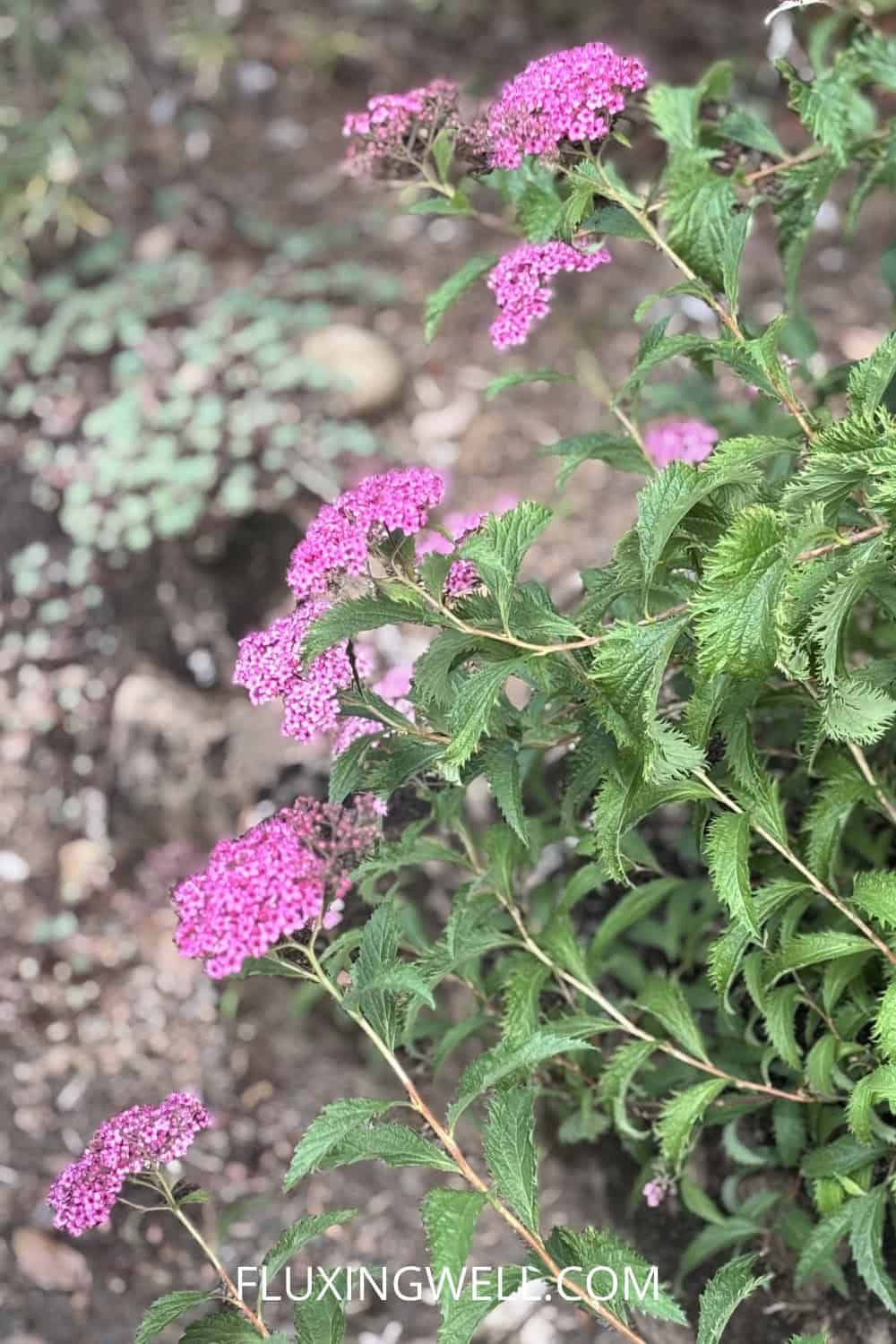
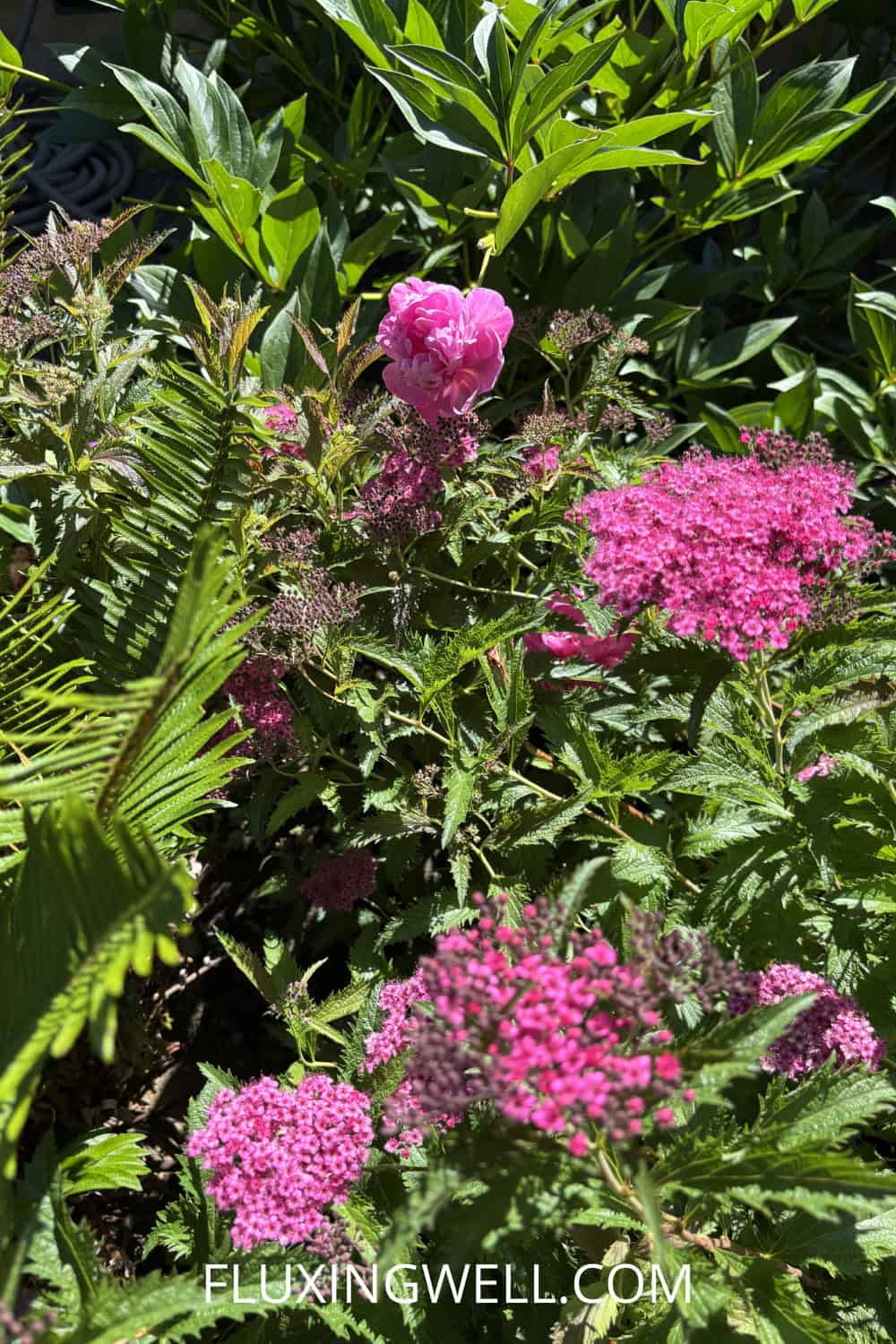
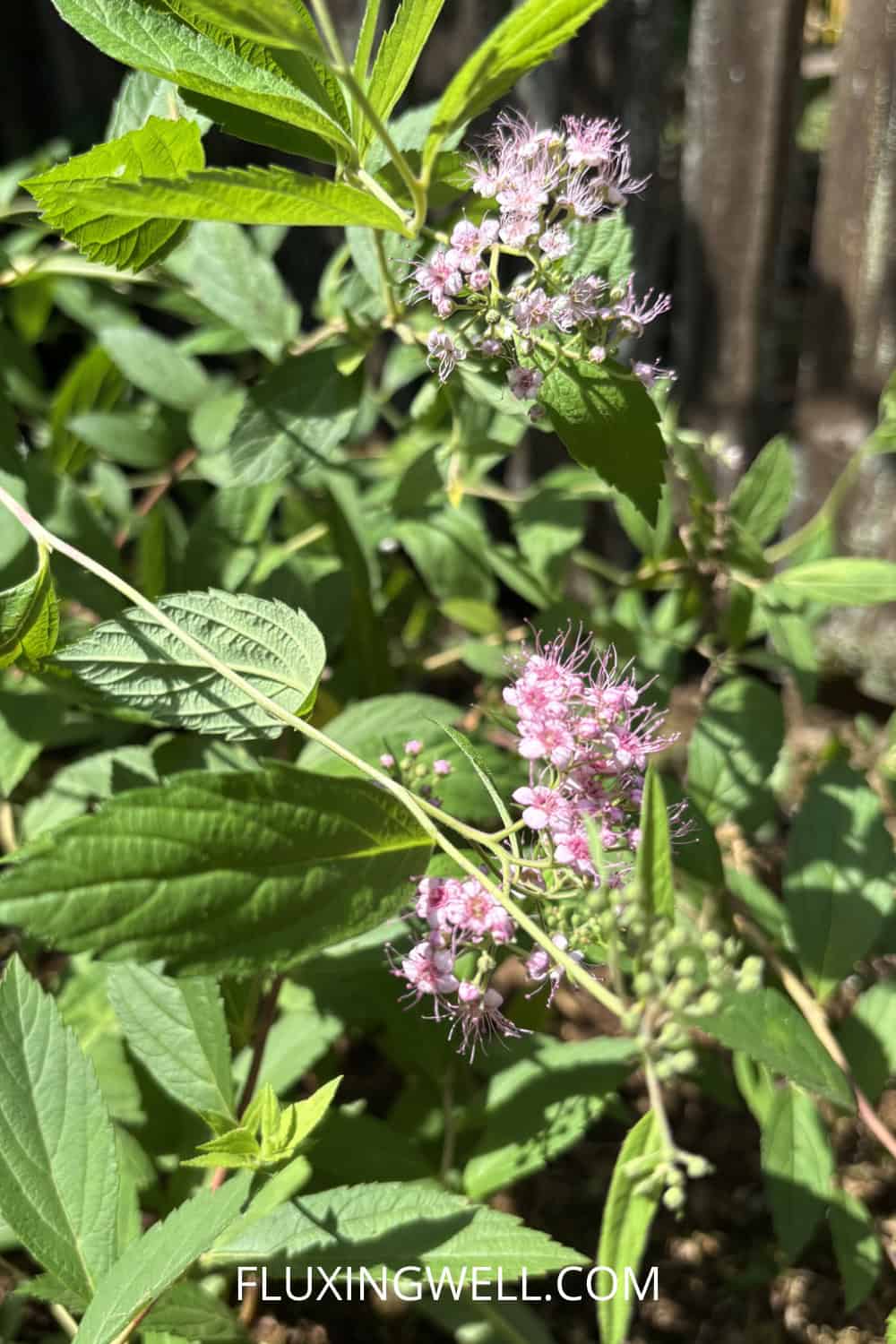
Japanese Spirea (Spiraea japonica): offers a variety of cultivars with colorful flowers ranging from pink to white and rich foliage colors (This is what we have growing in our yard, pictured above.)
Spirea comes in a host of choices to fit in with different color palettes. Here are some of the more popular choices:
Goldflame Spirea: features vibrant golden-yellow new growth that matures to rich green with bright pink flower clusters in summer
Anthony Waterer Spirea: known for its deep pink flowers and compact, rounded form, blooming profusely in late spring to early summer
Magic Carpet Spirea: prized for its striking red and orange foliage in spring and summer, with soft pink flowers adding seasonal interest
Bridal Wreath Spirea: a classic variety with arching branches covered in cascades of small white flowers in early spring
Snowmound Spirea: a dense, mounding shrub producing masses of white blooms in late spring, creating a snow-like effect
Little Princess Spirea: compact and well-branched with pale pink flowers and attractive green foliage that holds color well
Need More Planting Ideas?
Check out the tips for the best companion plants for eggplant to learn what to grow with those beauties. If you like the idea of companion planting, you might be interested in reading about the best companion plants for pumpkins, Brussels sprouts, irises, cosmos, sunflowers, garlic, asparagus, rosemary, radishes, beetroot (beets), thyme, parsley, lupine, borage, stevia, kale, dahlias, arugula, or the best companion plants for lavender. Get tips for growing stunning dahlias or vintage roses. Are you a beginning gardener? Try planting some foolproof, easy-care perennials, or learning about the best companion plants for columbine. There are so many exciting plants to grow!
Keep Track of Your Garden with a Journal Logbook

Now that you have learned about some compatible companion plants, keep track of your planting ideas, goals, and plans with a printable, editable free garden journal logbook. Choose the pages you want to use and customize them as you wish to record monthly, weekly, and daily garden tasks, lists, weather, and planting arrangements. There are also grid pages for easily designing the layout of your vegetable garden, flower garden, or landscape. Print it out and put it into a notebook you can take with you to the garden (that’s what I do). It’s nice to have all of your garden information in one place.
Free Online Garden Planner Layout Template
Now that you know which are the best companion plants for spirea, you might need a way to plan your garden layout. Whether you are planting vegetables, flowers, or herbs near your lupine plants, this online garden planner can help you visualize your design and bring it to life. Arrange and rearrange the plants over and over, then print the layout when you are satisfied. With garden tasks that need your attention, this is one way to save time.

Get my free online garden layout planner template!
Have a wonderful day, and may all of your spirea endeavors meet with success!

Lisa Mitchell is a wife, mom, and school librarian who likes to grow fruit, herbs, vegetables, and flowers on her family’s small Pacific Northwest farm. To learn more about what this website has to offer gardeners, click on over to the Garden page.
I love some of the colours of these plants – they look perfect for brightening up my garden, which is looking rather dull and green this summer! xxx
Yes, spirea can add a pop of color just where you need it!
This is a really informative post! I really admire those with the skill for gardening! I think being able to grow your own produce is wonderful! I don’t have that skill, but I would really like to learn! It’s a great way to save money and who knows what the future holds. You never know when that skill might be needed. Thankyou for putting this post together!
You’re most welcome! I enjoy sharing my favorite garden plants, and spirea is definitely one of them.
Thank you for sharing all these spirea companion plants! They are so beautiful! It’s great to know which plants you add and which to avoid!
I’m so glad you found the post about spirea companion plants helpful.
Thanks for this wonderful resource about spirea companion plants! Your guides are always so carefully researched and well organized. 🙂
Thank you so much! I appreciate the kind words.
Thank you so much for this post about Spirea companion plants. I have a few in my yard but hadn’t thought about what to plant around them. Excellent ideas!
Oh, I’m so glad you got some ideas about what to plant with your spirea. Happy gardening!